

Digital Therapeutics: What They Are and When a Prescription App May Help

Digital therapeutics use software to deliver structured treatment or symptom management. They differ from general health apps because they are designed for specific medical purposes and are usually clinically evaluated.
Key Takeaways
- Digital therapeutics use software to deliver structured treatment or symptom management.
- They differ from general health apps because they are designed for specific medical purposes and are usually clinically evaluated.
- A prescription app may help with some chronic, behavioral, or neurologic conditions as part of broader care.
- These tools do not replace diagnosis, emergency care, or all in-person treatment.
- Success depends on choosing the right program, using it consistently, and staying in contact with a qualified clinician.
Digital therapeutics are evidence-based software programs designed to help prevent, manage, or treat specific medical conditions. Unlike general wellness apps, they are typically tested in clinical studies and may be prescribed or recommended as part of a care plan.
Overview: what digital therapeutics are
Digital therapeutics, often shortened to DTx, are software-based medical interventions designed to help prevent, manage, or treat a health condition. They may be delivered through a smartphone app, tablet, computer program, or connected device. What makes them different from ordinary health and fitness apps is that they are intended for a specific clinical purpose and are generally supported by research, medical oversight, or regulatory review depending on the country.
A prescription app is one type of digital therapeutic. In some cases, a doctor prescribes the software just as they might prescribe a medicine, physical therapy, or a medical device. In other situations, a clinician may recommend a digital therapeutic without a formal prescription, depending on local rules and the product’s approval status. The goal is to give patients structured, evidence-based support between clinic visits and in daily life.
Digital therapeutics can guide patients through activities such as cognitive behavioral strategies, symptom tracking, breathing exercises, sleep routines, medication support, rehabilitation tasks, or diabetes self-management. Some also connect to sensors or wearable devices to tailor the program to the user’s progress. They are usually used alongside standard medical care rather than as a complete substitute for it.
How digital therapeutics differ from general health apps
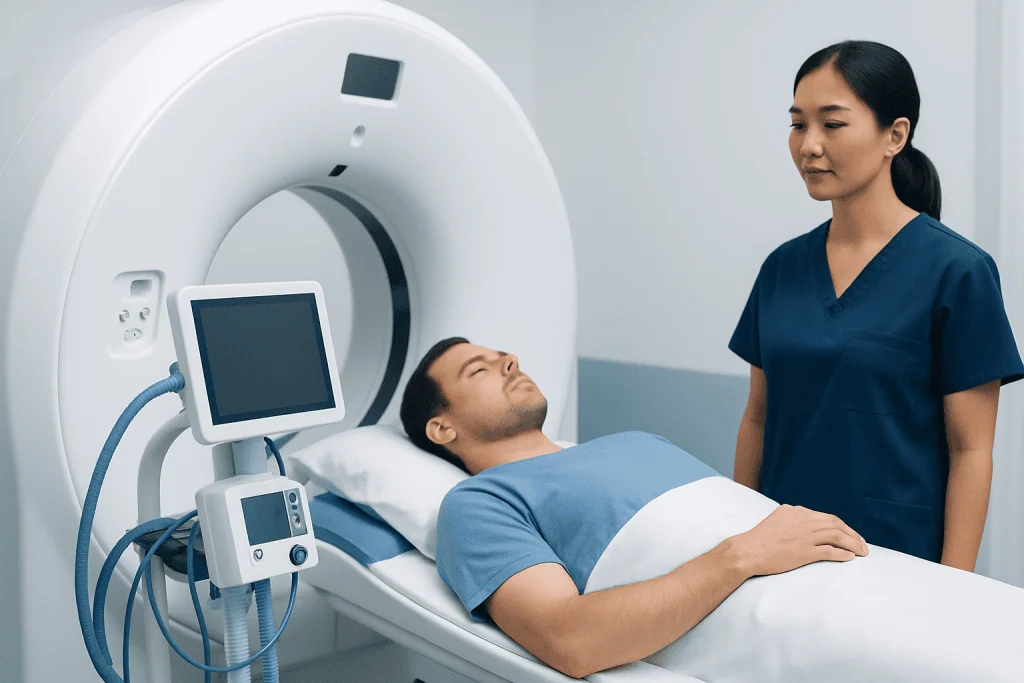
Many people already use apps to count steps, record meals, track sleep, or practice meditation. These tools can be helpful for general wellness, but most are not designed or validated as medical treatment. Digital therapeutics are more structured. They typically focus on a defined health problem, follow a treatment plan, and are evaluated for safety, usability, and effectiveness.
Another important difference is clinical integration. A digital therapeutic may be recommended by a physician, psychologist, physiotherapist, or another healthcare professional. It may include onboarding, progress monitoring, reminders, secure messaging, or reports that help the care team understand how the patient is doing over time. This can support more personalized and continuous care.
Some digital therapeutics fall under the broader category of software as a medical device. This means the software itself performs a medical function, rather than simply storing information. Even so, not every app that claims to support health has the same level of evidence. Patients benefit from asking whether a product has been studied, who it is intended for, and how it fits into their overall treatment plan.
- General wellness apps support healthy habits but usually do not treat a diagnosed condition.
- Digital therapeutics are built for a medical purpose and often involve clinician input.
- Prescription apps may require a doctor’s authorization in some healthcare systems.
- Evidence, privacy protections, and follow-up plans matter as much as convenience.
When a prescription app may help
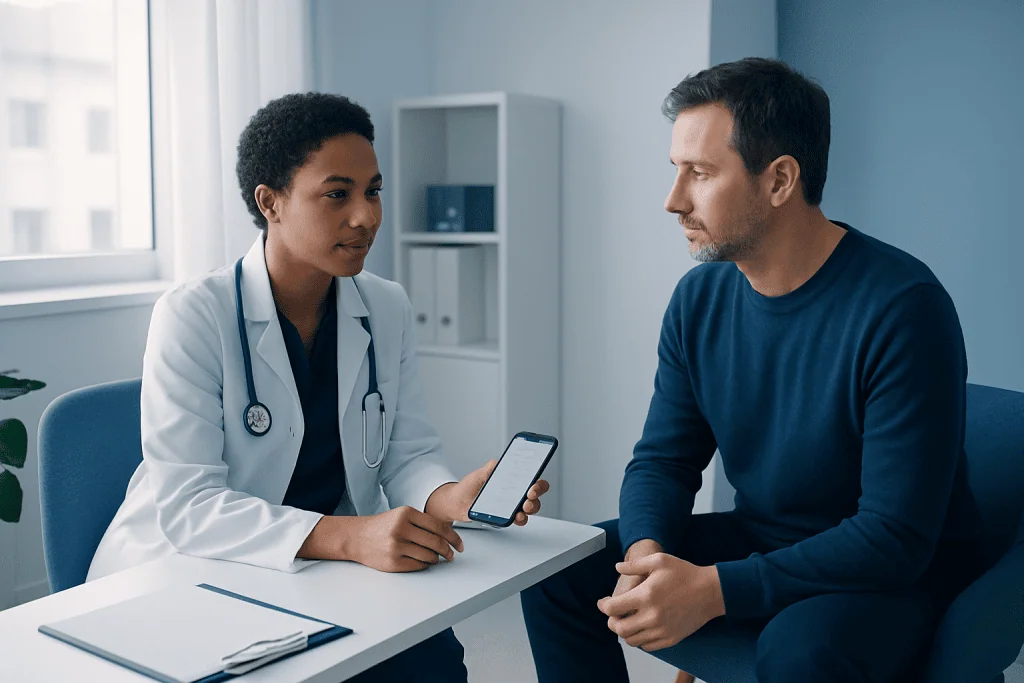
A prescription app may help when a condition benefits from regular practice, coaching, behavior change, symptom monitoring, or structured self-management. This is why digital therapeutics are often discussed in areas such as mental health, sleep, chronic pain, substance use disorders, diabetes, respiratory care, and some forms of neurological or physical rehabilitation. They can be especially useful between appointments, when daily guidance can reinforce treatment goals.
For example, a clinician might recommend a digital therapeutic for insomnia to support sleep habits and cognitive behavioral techniques, or for diabetes to improve self-management skills alongside medical treatment. In mental health care, a structured program may help some people practice coping tools, track mood patterns, and stay engaged with therapy. In rehabilitation, software can encourage consistent exercise and provide feedback during recovery.
Digital therapeutics may also be helpful for people who need more support than a general app offers but do not need constant in-person care. They can bring treatment into the home, improve routine follow-through, and help patients feel more involved in their care. Still, they are not ideal for every situation. Severe symptoms, urgent medical problems, complex diagnoses, or rapid clinical changes usually require direct medical assessment.
Because digital therapeutics are used across many specialties, they may appear as part of care plans for related conditions such as diabetes, chronic sleep problems, or selected behavioral health concerns. In some cases, they complement established services such as physical therapy and rehabilitation or other clinician-led programs rather than replacing them.
How they work in everyday care
Most digital therapeutics follow a structured program over days, weeks, or months. After an assessment, the user may receive daily lessons, exercises, symptom check-ins, reminders, or feedback based on their responses. Some programs adapt the content according to progress, barriers, or symptom trends. This personalized approach is one reason they can be more engaging than static educational materials.
Many digital therapeutics aim to change behaviors that influence health outcomes. They may teach practical skills, break tasks into smaller steps, and encourage repetition. For example, a sleep-focused program may help a person set a consistent routine, while a pain management program may teach pacing, relaxation, and thought reframing. For chronic conditions, symptom logs and trend reports can help both the patient and clinician notice patterns earlier.
Some prescription apps are paired with devices such as glucose monitors, inhaler sensors, heart rate trackers, or movement sensors. These connections can improve monitoring, but they also require patients to understand how the data will be used. Clear instructions, informed consent, and realistic expectations are important. More data does not automatically mean better care unless the information is accurate, relevant, and reviewed in a meaningful way.
In practice, digital therapeutics work best when they are part of a broader plan that may also include doctor visits, counseling, lifestyle measures, medication, or procedures. A patient with ongoing symptoms might still need tests, and someone recovering from illness may still benefit from services such as neurological rehabilitation or other specialist-led support.
Benefits, limitations, and safety points to know
Digital therapeutics can offer several practical benefits. They may improve access to care, support treatment adherence, and make it easier to continue therapy skills at home. Because they are available on personal devices, they can fit into daily routines and reduce the gap between appointments. For some patients, this can increase confidence and help them stay connected to their goals.
However, these tools also have limitations. They require motivation, digital literacy, and reliable access to a phone or internet connection. Not every patient enjoys using an app, and some may stop using it over time. In addition, a digital therapeutic cannot perform a physical examination, interpret every symptom in context, or respond to emergencies the way an in-person team can.
Privacy and data security are also important considerations. Patients should know what information is collected, who can view it, and whether it is shared with other services. It is reasonable to ask about encryption, account protection, and how long data is stored. Clinicians and patients should also consider whether the software has been independently assessed or cleared by the appropriate authorities where it is used.
- Benefits may include convenience, structure, regular feedback, and stronger self-management.
- Limitations may include variable engagement, technology barriers, and incomplete symptom assessment.
- Safety matters most for urgent symptoms, severe mental health crises, and rapidly worsening illness.
- Trusted tools should have a clear medical purpose, transparent privacy information, and clinician guidance when needed.
How doctors evaluate whether a digital therapeutic is right
Before recommending a digital therapeutic, a clinician usually considers the diagnosis, symptom severity, treatment goals, and the patient’s ability to use the program consistently. They may also ask whether the person has already tried standard approaches, how comfortable they are with technology, and whether there are barriers such as language, vision, hearing, or cognitive difficulties. This helps match the right tool to the right patient.
Evidence quality is another key factor. Doctors often look for clinical studies, guideline support, regulatory status, and real-world usability. They may want to know whether the program was tested in people similar to the patient in front of them. A well-designed digital therapeutic should explain who it is for, who should avoid it, and when a user needs urgent in-person care instead.
Follow-up remains important after a prescription app is started. The care team may review progress, symptom scores, adherence, and side effects such as frustration, sleep disruption, or anxiety related to constant tracking. If the tool is not helping, the clinician may adjust the plan, suggest a different treatment, or investigate other causes of symptoms. This is similar to evaluating any other therapy: the aim is useful, measurable benefit without unnecessary burden.
Depending on the health problem, a digital therapeutic may be one part of care that also includes consultation with specialists in psychiatry, behavioral medicine, endocrinology, sleep medicine, or rehabilitation. Good results usually come from combining the software with professional support and realistic goals.
Using a prescription app effectively: self-care tips
Patients often get the most benefit from digital therapeutics when they use them regularly and honestly. Setting aside a specific time each day, turning on reminders, and treating app activities like other health tasks can improve consistency. It also helps to be realistic at the start. Small steps, repeated often, are usually more sustainable than trying to complete too much at once.
It is wise to keep expectations balanced. A prescription app may support symptom improvement, but it is not an instant fix. Progress may be gradual, especially for chronic conditions. Patients should note what is changing over time, including sleep quality, energy, pain, mood, or function, and share those observations with their clinician.
Practical self-care still matters. Healthy sleep habits, regular movement, balanced meals, stress management, and medication adherence remain important when recommended by a doctor. If a digital therapeutic feels confusing, burdensome, or emotionally upsetting, patients should say so rather than quietly stopping it. Many problems can be solved by adjusting notifications, simplifying goals, or choosing a different approach.
Near the end of the treatment pathway, some patients may transition from intensive app-guided work to maintenance habits and routine follow-up. Multidisciplinary specialists at Acibadem International and its JCI-accredited hospitals diagnose and treat conditions that may include digital care tools as part of individualized plans for international patients.
When to contact a doctor instead of relying on an app
Digital therapeutics can be useful, but they are not a substitute for medical attention when symptoms are severe, new, or rapidly worsening. A patient should contact a doctor promptly if they have signs that need direct assessment, such as chest pain, breathing difficulty, fainting, significant weakness, confusion, severe dehydration, or sudden changes in vision or speech. Emergency symptoms should always be treated as emergencies, not as app notifications.
In mental health, immediate help is important for thoughts of self-harm, suicidal thinking, severe panic, psychosis, or major functional decline. In chronic disease management, a person should also seek medical advice if they are unable to eat or drink, cannot keep medications down, develop severe side effects, or notice that their usual control is deteriorating despite following the program.
Patients should also contact their clinician if the app seems inaccurate, if symptoms do not improve, or if the treatment plan no longer feels appropriate. Technology can support care, but it should not delay diagnosis. The safest approach is to view a prescription app as one part of care, used with guidance from a qualified healthcare professional.
Frequently asked questions
Are digital therapeutics the same as regular health apps?
No. Regular health apps often focus on wellness, such as activity tracking or relaxation, while digital therapeutics are designed for a defined medical purpose. They are typically supported by clinical evidence and may be recommended or prescribed by a healthcare professional.
Do digital therapeutics replace doctors or medication?
Usually not. Most digital therapeutics are meant to complement standard care, not replace diagnosis, examinations, or necessary medicines. A doctor can help decide whether a prescription app should be used alone for a limited goal or alongside other treatments.
Which conditions can a prescription app help with?
It depends on the specific product and the evidence behind it. Some are used in areas such as insomnia, diabetes self-management, behavioral health, chronic pain, respiratory care, or rehabilitation. A clinician can explain whether a particular app is appropriate for a person’s condition and symptom severity.
Is a digital therapeutic safe to use?
A well-designed digital therapeutic should include clear instructions, privacy information, and guidance about when to seek medical help. Even so, safety also depends on using the right tool for the right condition and not delaying in-person care when symptoms are urgent or worsening.
Do I need a prescription for every digital therapeutic?
No. Some digital therapeutics are prescribed, while others may be clinician-recommended or directly available depending on the country and product regulations. The level of oversight varies, so patients should ask how the program is approved and how it fits into their treatment plan.
What should a patient ask before starting a prescription app?
Helpful questions include what condition the app is meant to treat, what evidence supports it, how long it should be used, and how progress will be monitored. It is also important to ask about privacy, cost, technical support, and what symptoms should prompt a direct call to the doctor.
References
- World Health Organization
- U.S. Food and Drug Administration
- National Institute for Health and Care Excellence
- Digital Therapeutics Alliance
- National Institutes of Health
This article is for general information only and is not a substitute for professional medical advice. Please consult a qualified doctor about your individual situation.
Explore treatments in Turkey — costs, top hospitals & a free quote
JCI-accredited · board-certified surgeons · reply within 24h
Add us as a Preferred Source to see more of our trusted health content across Google Search, AI Overviews and Discover.

More from the Health Library



Related Specialists

Assoc. Prof. Dr. Nezih Ziroğlu
Orthopedic Surgery & Traumatology
Prof. Dr. Cihangir Tetik
Orthopedic Surgery & Traumatology
Dr. Süreyya Işık Coşkun
Psychiatry
Dr. Firat Beğde
Pediatrics