

Disc Replacement Surgery: Who Is a Candidate and How It Compares With Fusion

Disc replacement surgery aims to relieve pain from a damaged spinal disc while preserving motion at that level. The best candidates usually have symptoms from one or sometimes two disc levels and have not improved with non-surgical treatment.
Key Takeaways
- Disc replacement surgery aims to relieve pain from a damaged spinal disc while preserving motion at that level.
- The best candidates usually have symptoms from one or sometimes two disc levels and have not improved with non-surgical treatment.
- Spinal fusion stabilizes the spine by joining vertebrae together, but it reduces movement at the treated level.
- Not everyone is eligible for disc replacement, especially people with severe arthritis, instability, osteoporosis, or significant deformity.
- A spine specialist uses symptoms, physical examination, and imaging to decide whether disc replacement or fusion is more appropriate.
Disc replacement surgery is a spine procedure that removes a damaged disc and replaces it with an artificial one to help maintain movement. It can be a good option for carefully selected patients, while spinal fusion may be safer or more effective in other situations.
Overview: What Disc Replacement Surgery Is
Disc replacement surgery, also called artificial disc replacement, is a procedure used to treat certain types of neck or lower back pain caused by a damaged spinal disc. During surgery, the diseased disc is removed and replaced with an artificial implant designed to preserve some movement between the bones of the spine. The goal is to reduce pain while maintaining more natural motion than traditional fusion surgery.
The spine contains discs that act like cushions between vertebrae. With aging, wear and tear, or injury, a disc can degenerate, lose height, or press on nearby nerves. This may lead to pain in the neck or back, and sometimes pain, numbness, or weakness traveling into the arms or legs. When symptoms continue despite non-surgical care, surgery may be considered.
Disc replacement is most commonly performed in the cervical spine (neck) and, in selected cases, in the lumbar spine (lower back). It is not the right treatment for every patient with back or neck pain. A careful evaluation is important because pain can come from several spinal structures, not only the disc itself.
Who May Be a Candidate for Disc Replacement Surgery
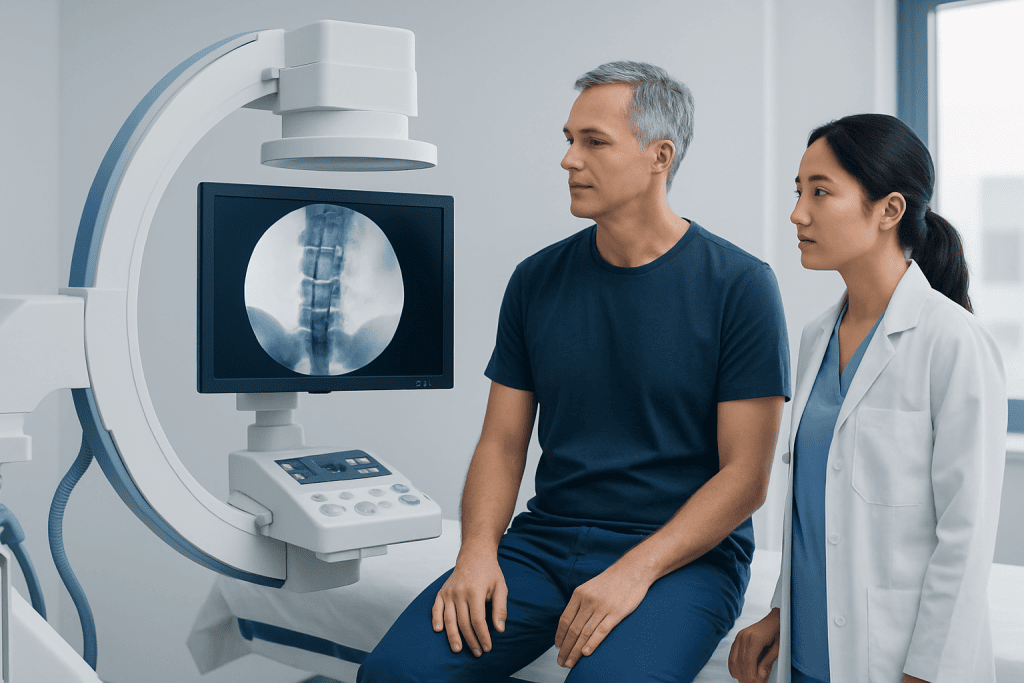
Good candidates are usually adults with pain linked to one specific damaged disc, or sometimes two levels depending on the region of the spine and the device being considered. In the neck, this often includes a disc causing nerve compression with arm pain, numbness, tingling, or weakness. In the lower back, candidates may have persistent disc-related pain that has not responded to a structured period of conservative treatment.
Most specialists consider disc replacement only after non-surgical measures have been tried for an appropriate time. These may include activity modification, physical therapy, medicines, posture changes, and sometimes injections. Surgery is usually considered when symptoms remain significant, affect daily life, or there is progressive nerve-related weakness.
Patients are more likely to be suitable if the spine is otherwise stable and reasonably well aligned. The joints behind the spine, called facet joints, should not have advanced arthritis. Bone quality also matters, because the implant needs solid support. For this reason, overall health, age-related changes, smoking history, and bone density may all be reviewed before surgery.
Disc replacement may be less suitable if pain comes from multiple spinal levels, if there is marked instability, or if there is extensive degeneration in surrounding structures. In such cases, spinal fusion surgery or another approach may provide better support and symptom relief.
When Fusion May Be Better Than Disc Replacement
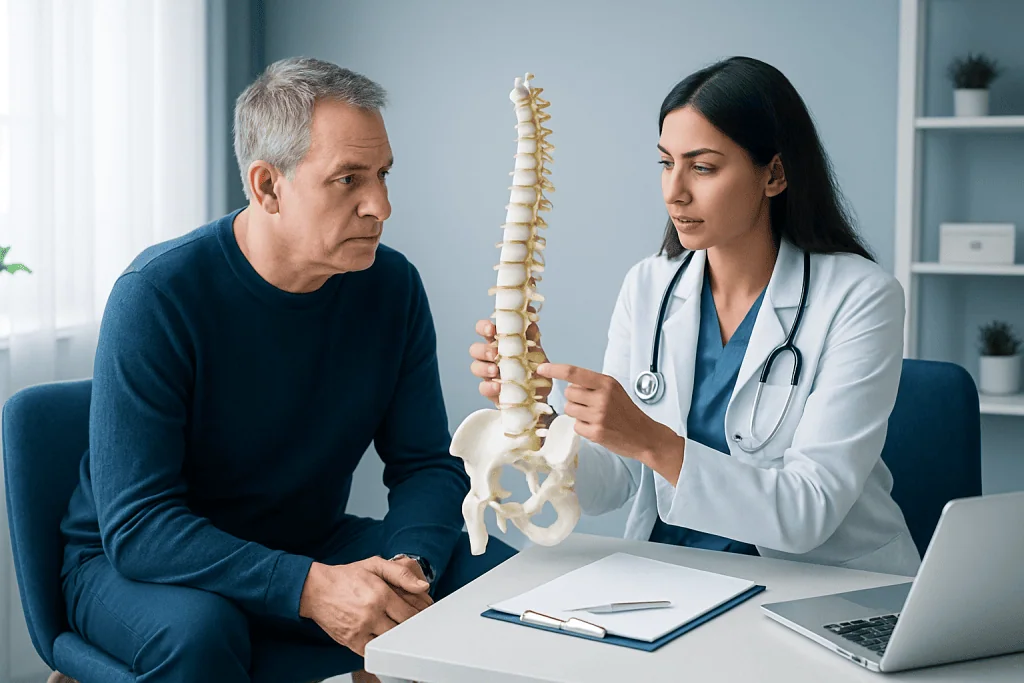
Spinal fusion and disc replacement both treat selected spinal problems, but they do so in different ways. Fusion removes the painful disc and permanently joins the adjacent vertebrae, preventing movement at that level. This can be very effective when the spine needs stability, such as in the presence of deformity, instability, or more advanced structural disease.
Fusion is often preferred if there is severe facet joint arthritis, osteoporosis, spondylolisthesis, significant scoliosis, fracture, infection, tumor, or prior surgery that changes the anatomy. It may also be recommended when several levels are involved or when motion preservation is not realistic because the segment is already very stiff or collapsed.
By contrast, disc replacement is designed to keep movement. That can be an advantage in selected patients, especially younger or middle-aged adults with isolated disc disease and preserved spinal mechanics. Still, preserving motion is only helpful when the rest of the spinal segment is healthy enough to function well after surgery.
In practice, the decision is individualized. Two patients with similar symptoms may receive different recommendations based on imaging findings, alignment, joint health, and lifestyle needs. A surgeon may also discuss other procedures, such as microdiscectomy, when the main problem is a herniated disc rather than broader disc degeneration.
How Disc Replacement Compares With Fusion
The main difference between disc replacement and fusion is motion. Disc replacement aims to maintain movement at the treated level, while fusion intentionally stops it. Preserving motion may help some patients feel more natural neck or back movement after recovery, although experiences vary and outcomes depend on proper patient selection.
Both procedures can relieve nerve compression and disc-related pain when used for the right indication. In many patients, both approaches are effective. Disc replacement may offer the potential benefit of reducing stress on neighboring spinal levels, but this is not guaranteed and does not eliminate the possibility of future degeneration elsewhere in the spine.
Recovery also differs somewhat. Some patients regain mobility more quickly after disc replacement because the segment is not fused, but healing still takes time and activity limits are needed early on. Fusion requires bone healing across the treated level, which can take longer. However, recovery depends on the person, the spinal level treated, surgical technique, and overall health.
Each procedure has possible risks. Disc replacement may involve implant wear, shifting, or mechanical problems over time, though these are uncommon in well-selected cases. Fusion may carry a risk of nonunion, meaning the bones do not fully fuse, especially in smokers or people with poor bone quality. A detailed discussion with a spine surgeon helps patients understand which risk profile best fits their condition.
Conditions Commonly Evaluated Before Surgery
Before recommending disc replacement, doctors try to confirm that the painful disc is truly the main source of symptoms. This may include evaluating for herniated disc, degenerative disc disease, spinal stenosis, or nerve root compression. Symptoms, physical examination, and imaging need to match in a clear and consistent way.
In the neck, candidates often have cervical disc disease causing arm symptoms or spinal cord or nerve root pressure at a limited number of levels. In the lower back, the evaluation may focus on disc degeneration without major instability. Other causes of pain, such as hip disease, muscle problems, inflammatory conditions, or widespread arthritis, may need to be ruled out.
Facet joint arthritis is especially important because these joints help guide movement. If they are already severely worn, preserving motion with an artificial disc may not relieve pain and can sometimes worsen symptoms. In that setting, fusion may provide a better solution by stabilizing the area.
Some patients are also checked for conditions such as scoliosis or other alignment problems, because these can affect how weight and movement are distributed through the spine. If spinal balance is significantly altered, surgery may need to address more than the disc alone.
Diagnosis and Preoperative Assessment
Assessment usually begins with a careful medical history. The doctor asks where the pain is located, whether it travels into the arm or leg, what movements worsen it, and how long symptoms have lasted. They also review prior treatments, work and activity demands, medical conditions, and any previous spine surgery.
A physical examination looks for muscle strength, sensation changes, reflexes, range of motion, and signs of nerve irritation. Imaging often includes X-rays to assess alignment and movement, and MRI to show discs, nerves, and soft tissues. In some cases, CT scans help evaluate bone detail, and bone density testing may be used if osteoporosis is a concern.
The surgeon also checks whether the anatomy fits an approved or appropriate implant design. This includes disc height, spacing, alignment, and the condition of nearby vertebrae. The aim is not only to identify a painful level, but also to determine whether it can safely support an artificial disc.
Because spine pain can be complex, a second opinion may be helpful when the choice between fusion and disc replacement is unclear. In experienced centers, patients may be assessed by a multidisciplinary team. Acibadem International’s multidisciplinary spine specialists in JCI-accredited hospitals diagnose and treat these conditions for international patients.
Treatment, Recovery, and Self-Care
If disc replacement is recommended, the surgeon explains the procedure, expected recovery, and possible complications. During surgery, the damaged disc is removed, pressure on nerves or the spinal cord is relieved, and the artificial disc is placed in the disc space. In some cases, especially in the neck, this may be done through an approach from the front of the body. If the situation calls for a different strategy, options such as disc surgery or fusion may be discussed.
After surgery, early walking is usually encouraged, while bending, lifting, twisting, or prolonged sitting may be limited for a period. Many patients benefit from a guided rehabilitation plan focused on posture, flexibility, core support, and safe return to routine activities. Recovery time varies with the spinal region treated, the person’s health, and the demands of work or sport.
Self-care remains important whether or not surgery is chosen. Supportive measures often include regular low-impact exercise, weight management, smoking cessation, ergonomic adjustments, and a structured strengthening program. These habits can help protect the spine and improve long-term comfort.
Patients should remember that surgery is usually one part of a broader treatment plan. Even when pain improves, maintaining spinal health through movement, conditioning, and follow-up care gives the best chance of a good long-term result.
When to See a Doctor
Persistent neck or back pain should be assessed if it does not improve with rest, self-care, and conservative treatment, or if it repeatedly interferes with work, sleep, or daily life. Medical review is also important when pain radiates into the arms or legs, especially if there is numbness, tingling, or weakness.
Urgent medical attention is needed for red-flag symptoms such as sudden loss of bladder or bowel control, rapidly worsening weakness, severe trouble walking, major trauma, fever with spinal pain, or unexplained weight loss. These symptoms do not necessarily mean disc disease, but they can signal a condition that needs prompt evaluation.
For people considering surgery, the most useful next step is a consultation with a qualified spine specialist. They can explain whether symptoms are likely to come from the disc, whether surgery is appropriate, and if so, whether disc replacement or fusion is the safer and more effective choice.
Frequently asked questions
Is disc replacement surgery better than fusion?
Neither procedure is universally better. Disc replacement may be a strong option for selected patients because it aims to preserve motion, while fusion may be better when the spine needs more stability. The right choice depends on the exact cause of symptoms, spinal alignment, joint health, and overall bone quality.
Who is not a good candidate for disc replacement surgery?
People with severe facet arthritis, osteoporosis, spinal instability, significant deformity, infection, fracture, or multi-level disease may not be ideal candidates. Prior spine surgery or advanced degeneration in nearby structures can also make fusion or another treatment more appropriate. A specialist evaluates these factors carefully before recommending surgery.
Can disc replacement be done in both the neck and lower back?
Yes, disc replacement can be performed in the cervical spine and, in selected cases, in the lumbar spine. However, suitability differs by spinal region, anatomy, and the nature of the disc problem. The neck is often considered a more common setting for this procedure.
How long does recovery take after disc replacement surgery?
Recovery time varies from person to person and depends on the spinal level treated, the type of work done, and general health. Many patients begin walking soon after surgery, but full recovery and return to unrestricted activities may take weeks to months. Following the surgeon’s activity and rehabilitation advice is important.
Will disc replacement completely cure back or neck pain?
No surgery can guarantee complete pain relief. Disc replacement can significantly improve symptoms when the painful disc has been accurately identified and the patient is well selected, but some discomfort or future spine issues can still occur. Realistic expectations and proper follow-up care are important.
What tests are usually needed before deciding on disc replacement?
Evaluation commonly includes a medical history, physical examination, X-rays, and MRI. Some patients also need CT scans or bone density testing. These tests help confirm the cause of symptoms and whether the spine can safely support an artificial disc.
References
- World Health Organization
- National Institute of Arthritis and Musculoskeletal and Skin Diseases
- American Academy of Orthopaedic Surgeons
- North American Spine Society
- National Institute for Health and Care Excellence
This article is for general information only and is not a substitute for professional medical advice. Please consult a qualified doctor about your individual situation.
Joint and spine care in Turkey — expert assessment & treatment
JCI-accredited · board-certified surgeons · reply within 24h
Add us as a Preferred Source to see more of our trusted health content across Google Search, AI Overviews and Discover.

More from the Health Library


Related Specialists

Asst. Prof. Dr. Berkhan Yilmaz
Aesthetic Plastic & Reconstructive Surgery
Dr. Emre Sahillioğlu
Anesthesiology
Prof. Dr. Muammer Doygun
Neurosurgery
Dr. Yalçın Culha
Inpatient Clinic Physicians Clinical Service