Dot Physical: What Patients Need to Know

A dot physical helps determine whether a driver meets medical standards for commercial driving. The exam commonly includes a health history review, vision and hearing checks, blood pressure measurement, and a urine screening.
Key Takeaways
- A dot physical helps determine whether a driver meets medical standards for commercial driving.
- The exam commonly includes a health history review, vision and hearing checks, blood pressure measurement, and a urine screening.
- Certain medical conditions do not automatically prevent certification, but they may need follow-up, treatment, or monitoring.
- Bringing medication lists, glasses or hearing aids, and relevant medical records can make the process smoother.
- If concerns are found, the examiner may issue a shorter certificate, request more information, or recommend further care.
A dot physical is a medical exam required for many commercial drivers to confirm they can safely perform driving duties. It checks overall health, vision, hearing, blood pressure, and medical conditions that may affect safe vehicle operation.
Overview: what a dot physical is
A dot physical is a standardized medical exam used to decide whether a person is medically fit to drive a commercial motor vehicle. In the United States, it is typically performed to meet Federal Motor Carrier Safety Administration requirements for drivers whose work falls under Department of Transportation rules. The aim is not to judge general wellness alone, but to assess whether a health condition could interfere with safe driving.
During the visit, a certified medical examiner reviews the driver’s medical history, current symptoms, medications, and functional abilities. The exam also checks vision, hearing, blood pressure, and other basic health measures. The result may be a medical certificate for a defined period, a temporary certificate, or a request for more evaluation before a decision is made.
For patients, it can help to think of a dot physical as a safety-focused health review rather than a full preventive checkup. It may identify common problems such as uncontrolled high blood pressure, vision changes, sleep-related symptoms, or diabetes that deserve attention. In that way, the exam can support both road safety and the driver’s own health.
Who usually needs one and why it matters
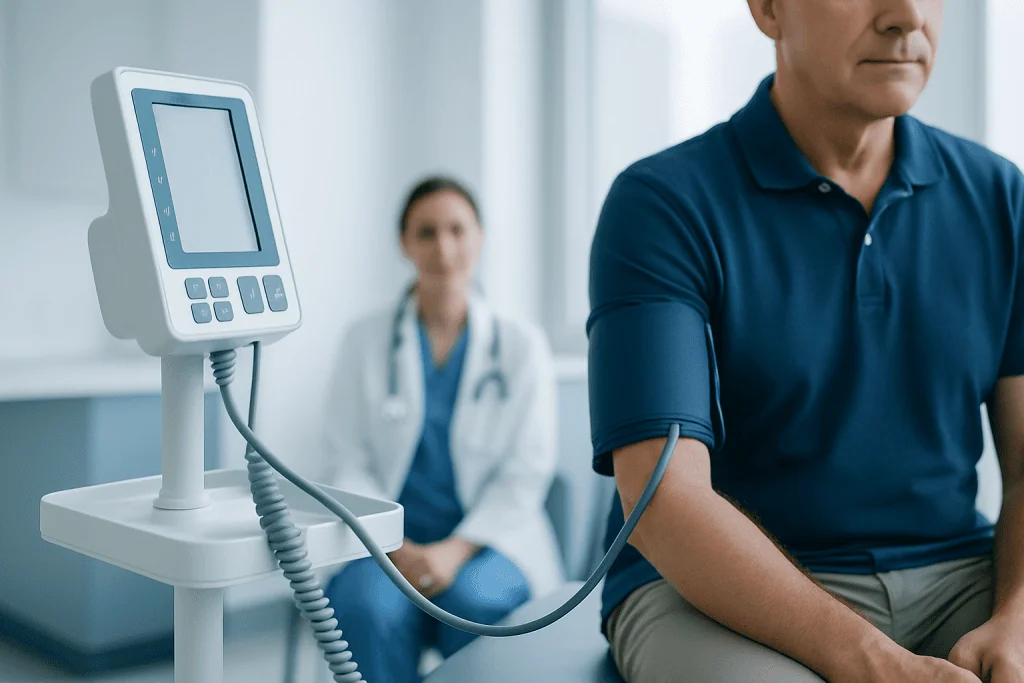
Many people who drive commercial vehicles need a dot physical before they can receive or renew medical certification. This often applies to interstate commercial drivers, although exact requirements can vary depending on the type of vehicle, employer, cargo, and state rules. Patients who are unsure whether they need the exam should check with their employer, licensing authority, or a certified examiner.
The reason for the exam is straightforward: driving large or heavy vehicles requires sustained attention, physical stamina, and the ability to respond quickly. A condition such as severe vision loss, fainting, poorly controlled blood pressure, or untreated sleep problems may increase the chance of an accident. The exam is designed to identify issues that could affect alertness, judgment, coordination, or sudden medical stability while driving.
It also matters because certification is often time-limited. Some drivers receive certification for a longer period, while others may be asked to return sooner if they have a condition that needs ongoing monitoring. This does not always mean they are disqualified; in many cases, it simply means their health should be rechecked more often.
What happens during the exam

A dot physical usually begins with paperwork about medical history. Patients are commonly asked about past surgeries, chronic illnesses, medications, symptoms such as chest pain or shortness of breath, and any history of seizures, fainting, or sleep-related problems. It is important to answer honestly, because the goal is to match the person’s health status to the demands of safe driving.
The physical exam itself is generally straightforward. The examiner typically measures height, weight, pulse, blood pressure, and may perform a basic examination of the heart, lungs, abdomen, nervous system, and musculoskeletal function. The examiner also looks at whether the driver can move adequately, maintain balance, and perform tasks needed for operating a commercial vehicle.
Vision and hearing are key parts of the visit. The driver may be tested with corrective lenses or hearing aids if these are normally used. A urine test is also commonly done, usually to screen for factors such as blood, sugar, protein, or kidney-related concerns rather than to diagnose every possible disease. If findings suggest a health issue, the patient may need more evaluation, such as high blood pressure assessment or a sleep-related review.
- Medical history and medication review
- Blood pressure, pulse, height, and weight
- Vision and hearing screening
- Basic physical examination
- Urine screening
- Decision about certification or need for follow-up
Health conditions that may affect certification
A number of medical conditions can influence the outcome of a dot physical, especially if they are uncontrolled or cause sudden symptoms. Common examples include high blood pressure, diabetes, heart disease, breathing problems, neurological disorders, vision impairment, and sleep disorders. Having one of these conditions does not automatically mean a driver will fail, but it may require evidence that the condition is stable and managed.
Blood pressure is one of the most common reasons a driver may receive a shorter certification period. Diabetes may also need closer review, especially if there is a history of low blood sugar episodes, medication changes, or complications affecting vision or nerves. If the patient has symptoms suggesting sleep apnea, such as loud snoring, witnessed pauses in breathing, or significant daytime sleepiness, additional evaluation may be recommended because untreated sleep apnea can affect alertness.
Heart and neurological conditions are considered carefully because they may increase the risk of sudden incapacity. Depending on the situation, the examiner may ask for records from the treating doctor or request further testing, such as cardiology evaluation or other specialist follow-up. The focus is on current function, stability, treatment response, and whether the person can safely perform commercial driving duties.
How to prepare for a dot physical
Preparation can make the visit more efficient and reduce avoidable delays. Patients should bring a government-issued ID, a list of current medications, and any required forms from an employer or licensing body. If they use glasses, contact lenses, hearing aids, or assistive devices, these should be brought and worn during the exam if they are normally used for driving.
It is also helpful to bring recent medical records when there is a known condition such as diabetes, heart disease, or treated sleep apnea. This may include a summary from the treating clinician, blood pressure records, laboratory results, or reports showing treatment adherence. Clear documentation can help the examiner understand whether the condition is well controlled.
Before the appointment, patients may wish to get adequate rest, take prescribed medicines as directed, and avoid habits that can temporarily raise blood pressure, such as smoking or excessive caffeine just before the exam. If there are ongoing symptoms such as chest discomfort, severe fatigue, dizziness, or poorly controlled blood sugar, it is wiser to address those concerns with a doctor first rather than hoping they will be overlooked.
Possible results, follow-up, and treatment
After the exam, the medical examiner decides whether the patient meets the standard for certification. Some drivers receive certification without restrictions for the applicable time period. Others may receive a shorter certificate so their health can be rechecked sooner, especially if a condition is controlled but needs periodic monitoring.
If the examiner needs more information, the decision may be delayed until records are reviewed or further testing is completed. For example, a patient with symptoms related to sleep-disordered breathing may be referred for sleep study testing. A person with breathing complaints or reduced exercise tolerance may need broader evaluation for lung or airway conditions, sometimes including pulmonology assessment when clinically appropriate.
When an issue is found, treatment depends on the underlying problem rather than on the exam itself. Managing blood pressure, improving diabetes control, addressing vision needs, treating sleep apnea, or reviewing medication side effects may improve both health and the chance of meeting certification standards. Near the end of this process, some international patients may seek coordinated evaluation at centers such as Acibadem International, where multidisciplinary specialists in JCI-accredited hospitals diagnose and treat relevant conditions.
When to seek medical care
Patients should seek medical care promptly if they have symptoms that could affect driving safety, whether or not a dot physical is scheduled soon. Examples include chest pain, fainting, new shortness of breath, severe daytime sleepiness, sudden vision changes, confusion, or weakness. These symptoms deserve medical attention because they may signal a problem that needs diagnosis and treatment.
It is also wise to schedule a non-urgent medical review if chronic conditions are becoming harder to manage. Repeated high blood pressure readings, frequent low blood sugar episodes, worsening snoring with daytime fatigue, or medication side effects should be discussed with a qualified clinician. Early care may help prevent complications and make the certification process smoother.
If a patient is told that more information is needed after the exam, they should follow up without delay and provide records from their treating doctors. Timely communication can clarify whether the condition is stable and what next steps are needed. For individualized advice, patients should consult a licensed physician or certified medical examiner familiar with commercial driving standards.
Frequently asked questions
Is a dot physical the same as a routine annual checkup?
No. A dot physical is a safety-focused medical exam used to determine whether a commercial driver meets specific fitness standards for driving. It may identify health issues, but it is not a complete substitute for regular preventive care with a primary doctor.
What should a patient bring to a dot physical?
Patients should usually bring identification, a list of medications, and any required forms. Glasses, contact lenses, hearing aids, and relevant medical records for chronic conditions are also important. Good documentation can help avoid delays if additional review is needed.
Can someone pass a dot physical if they have high blood pressure or diabetes?
Often, yes, if the condition is stable and adequately managed. The examiner considers current control, symptoms, treatment, and whether the condition could affect safe driving. In some cases, the patient may receive a shorter certification period or be asked for more records.
Does a urine test during a dot physical look for every disease?
No. The urine screening is generally a basic check for findings such as sugar, protein, blood, or other signs that may suggest a health issue. It is one part of the overall assessment and may lead to further evaluation if something abnormal is found.
What happens if the examiner finds a medical concern?
The examiner may still certify the driver, issue a shorter-term certificate, or ask for more information before making a final decision. The next step depends on the specific concern and whether it is stable, treated, and compatible with safe driving.
How long is a dot physical certificate valid?
The length of certification can vary based on the driver's health status and applicable rules. Some drivers qualify for a longer certification period, while others need earlier follow-up because of conditions that require closer monitoring.
References
- Federal Motor Carrier Safety Administration
- Centers for Disease Control and Prevention
- American Heart Association
- National Heart, Lung, and Blood Institute
This article is for general information only and is not a substitute for professional medical advice. Please consult a qualified doctor about your individual situation.
Explore treatments in Turkey — costs, top hospitals & a free quote
JCI-accredited · board-certified surgeons · reply within 24h
Add us as a Preferred Source to see more of our trusted health content across Google Search, AI Overviews and Discover.
Check your numbers in seconds
BMI, calories, due date, blood pressure and 30+ more clinical calculators — free, instant, doctor-reviewed ranges.