Double Pneumonia: What Patients Need to Know

Double pneumonia refers to pneumonia in both lungs, not a separate disease from pneumonia. Common symptoms include cough, fever, shortness of breath, chest discomfort, fatigue, and low oxygen levels.
Key Takeaways
- Double pneumonia refers to pneumonia in both lungs, not a separate disease from pneumonia.
- Common symptoms include cough, fever, shortness of breath, chest discomfort, fatigue, and low oxygen levels.
- Causes may be bacterial, viral, or less commonly fungal, with higher risk in older adults and people with chronic illness or weakened immunity.
- Diagnosis usually involves a medical exam, oxygen assessment, and chest imaging such as a chest X-ray or CT scan.
- Treatment depends on the cause and severity and may include antibiotics, antiviral care, oxygen, fluids, and hospital monitoring.
- Urgent medical care is important for breathing difficulty, bluish lips, confusion, chest pain, or worsening symptoms.
Double pneumonia means pneumonia affecting both lungs, also called bilateral pneumonia. It can range from mild to severe, but prompt diagnosis and appropriate treatment often lead to good recovery, especially when medical care is sought early.
Overview: What double pneumonia means
Double pneumonia means there is pneumonia in both lungs. Doctors may also call this bilateral pneumonia. Pneumonia itself is an infection that inflames the air sacs in the lungs, which can fill with fluid or pus and make breathing harder. When both lungs are involved, symptoms may be more noticeable because a larger area of lung tissue is affected.
It is important to know that double pneumonia is not a separate type of lung disease. It describes the distribution of pneumonia rather than a unique diagnosis. The illness can be caused by bacteria, viruses, or, less often, fungi. Some people develop a mild form that can be treated at home, while others need hospital care, especially if oxygen levels fall or breathing becomes difficult.
Many patients first hear the term after a chest X-ray or scan shows infection on both sides of the chest. This can sound alarming, but the outlook depends more on the cause, severity, age, overall health, and how quickly treatment begins than on the term alone. Early evaluation helps guide the right treatment and reduces the chance of complications.
Symptoms and how they may feel
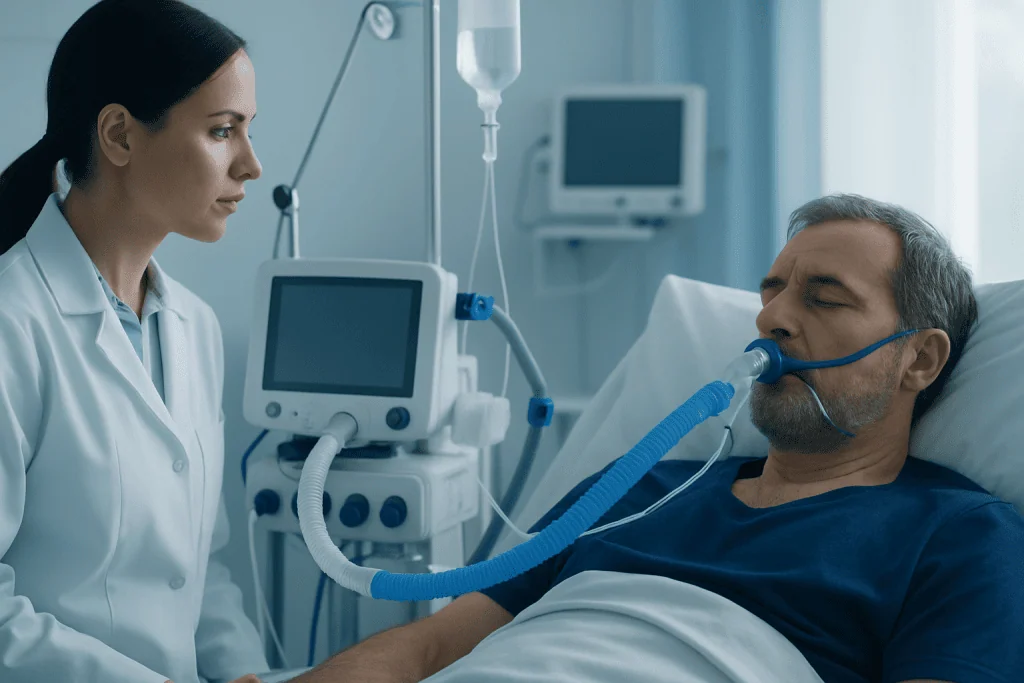
Double pneumonia often causes the same symptoms as pneumonia in one lung, but they may feel stronger or more persistent. A person may notice cough, fever, chills, shortness of breath, tiredness, muscle aches, and chest discomfort that can worsen with deep breathing or coughing. Some people produce mucus, while others have a dry cough.
Breathlessness may be especially important because both lungs are affected. Daily activities such as walking across a room, climbing a few stairs, or speaking in full sentences may feel harder than usual. Older adults may not always develop a high fever and may instead appear weak, drowsy, or confused.
Symptoms can vary by cause. Viral infections may begin with fatigue, body aches, sore throat, or congestion before progressing to cough and shortness of breath. Bacterial pneumonia may develop more suddenly with fever, chills, and productive cough. Common symptoms include:
- Cough with or without phlegm
- Fever or chills
- Shortness of breath
- Rapid breathing
- Chest pain when breathing or coughing
- Marked fatigue or weakness
- Low oxygen levels
- Confusion, especially in older adults
Causes and risk factors
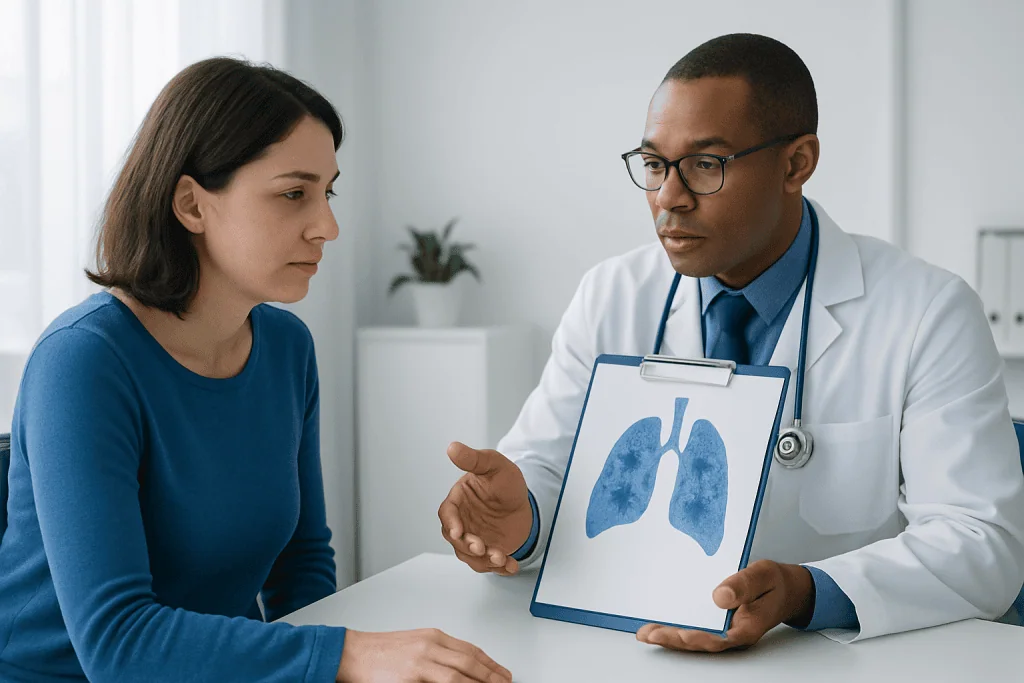
Double pneumonia can be caused by a range of infections. Bacteria such as Streptococcus pneumoniae are a well-known cause of community-acquired pneumonia. Viruses, including influenza and certain coronaviruses, can also lead to inflammation in both lungs. In people with weakened immune systems, fungal infections and unusual organisms may also be considered.
Sometimes pneumonia develops after a common viral illness damages the airways and makes it easier for bacteria to infect the lungs. In other cases, material such as food, liquid, or stomach contents enters the lungs by accident, causing aspiration pneumonia. Doctors may also consider other lung conditions that can appear similar on imaging, so evaluation matters.
Risk is higher in people who are more vulnerable to severe lung infection. This includes:
- Adults over age 65
- Infants and very young children
- People with asthma, COPD, heart disease, diabetes, kidney disease, or liver disease
- People with weakened immune systems due to illness or medication
- Smokers and people with heavy alcohol use
- Those recovering from flu or other respiratory infections
- People with swallowing problems or reduced consciousness
Because bilateral lung findings can overlap with other respiratory conditions, doctors may compare symptoms and imaging with related problems such as bronchitis or more severe pneumonia patterns when making a diagnosis.
How doctors diagnose double pneumonia
Diagnosis begins with a medical history and physical examination. A doctor asks about cough, fever, breathing difficulty, recent infections, medical conditions, smoking, medication use, and possible exposure to sick contacts. During the exam, they listen to the lungs and check temperature, pulse, breathing rate, and oxygen level with a pulse oximeter.
Imaging plays an important role. A chest X-ray often shows infection in both lungs and can help confirm the diagnosis. In some cases, a doctor may recommend a chest X-ray first and then a CT scan if more detail is needed or if the diagnosis is uncertain. Blood tests may help assess inflammation, infection severity, hydration, and organ function.
If symptoms are significant, additional tests may include sputum testing, viral swabs, blood cultures, or arterial blood gases. These tests help determine the cause, guide treatment, and assess whether hospital care is needed. In children, older adults, or people with chronic disease, close monitoring is especially important because symptoms can worsen quickly.
Treatment options and hospital care
Treatment depends on the cause, the person’s age and general health, and how severe the illness is. Bacterial pneumonia is commonly treated with antibiotics. Viral pneumonia does not improve with antibiotics unless a bacterial infection is also present, so care may focus on rest, fluids, fever control, and support for breathing. Fungal pneumonia requires specific antifungal treatment.
Some patients can recover at home with careful follow-up, but others need hospital care. Hospital treatment may include oxygen, intravenous fluids, medications, and monitoring of breathing and circulation. If oxygen levels are low or breathing becomes too difficult, more advanced respiratory support may be required. In severe situations, management may involve intensive care.
Supportive care is also a key part of treatment. This can include staying hydrated, using fever-reducing medicines when appropriate, resting, and following the treatment plan closely. Patients should avoid smoking and should not stop antibiotics early unless a doctor advises it. Recovery time varies widely; some people improve within days, while fatigue and cough can take several weeks to ease.
In more complex cases, evaluation by pulmonology specialists may help guide diagnosis, oxygen support, and follow-up. Near the end of the care journey, some international patients may seek assessment at Acibadem International, where multidisciplinary specialists in JCI-accredited hospitals diagnose and treat respiratory infections and their complications.
Recovery, self-care, and prevention
Recovery from double pneumonia often continues after fever begins to settle. It is common for energy levels to remain low for a while, and the cough may linger even as the infection improves. Patients usually feel better with gradual return to activity, good hydration, regular meals, and enough sleep. Follow-up is important if symptoms are not clearly improving.
At home, self-care should support healing rather than replace medical advice. This means taking medications exactly as prescribed, monitoring symptoms, avoiding smoking or secondhand smoke, and asking a doctor when it is safe to return to work, school, or exercise. Some people are advised to repeat imaging later, especially if symptoms persist or if they have risk factors such as smoking or older age.
Prevention focuses on reducing infection risk and protecting lung health. Helpful steps include:
- Keeping recommended vaccinations up to date, including influenza and pneumococcal vaccines when advised
- Practicing regular hand hygiene
- Avoiding close contact with people who are sick when possible
- Stopping smoking and limiting lung irritants
- Managing chronic conditions such as asthma, diabetes, or heart disease
- Seeking early care for worsening cough, fever, or breathing problems
People with repeated infections or chronic respiratory symptoms may benefit from assessment for underlying lung disease. In some cases, doctors may also consider conditions such as COPD that increase the risk of pneumonia and affect recovery.
When to seek medical care
Anyone with suspected double pneumonia should contact a healthcare professional if symptoms include persistent fever, worsening cough, new shortness of breath, or chest pain. Medical evaluation is especially important for older adults, pregnant people, young children, and anyone with heart disease, lung disease, diabetes, cancer, or a weakened immune system.
Urgent care is needed if a person has trouble breathing, rapid breathing, bluish lips or fingertips, confusion, severe drowsiness, inability to keep fluids down, or oxygen levels that are low if measured at home. These signs can suggest that the lungs are not getting enough oxygen into the body. Severe symptoms should not be watched at home without professional advice.
It is also wise to seek reassessment if symptoms do not begin improving after treatment starts, or if they improve and then suddenly worsen again. A doctor can check for complications such as dehydration, low oxygen, pleural effusion, or a secondary infection and adjust treatment if needed.
Frequently asked questions
Is double pneumonia more serious than regular pneumonia?
Double pneumonia means both lungs are affected, so it can be more demanding on breathing than pneumonia in one lung. However, severity varies widely and depends on the cause, oxygen levels, age, and overall health. Some people recover with outpatient treatment, while others need hospital care.
Can double pneumonia be treated at home?
Some cases can be managed at home if symptoms are mild, oxygen levels are stable, and a doctor considers it safe. Home care usually includes prescribed medicines, rest, fluids, and close monitoring. Worsening breathlessness, confusion, or inability to drink fluids should prompt urgent medical attention.
How long does recovery from double pneumonia take?
Recovery time differs from person to person. Fever may improve within a few days of effective treatment, but cough and fatigue can last for several weeks. Older adults and people with chronic illness may need longer to regain strength.
Is double pneumonia contagious?
The pneumonia itself is not always directly contagious, but the infection causing it may be. Viruses and some bacteria that lead to pneumonia can spread through respiratory droplets or close contact. Good hand hygiene, cough etiquette, and staying home when sick can help reduce spread.
What is the difference between double pneumonia and bilateral pneumonia?
They mean the same thing. Bilateral pneumonia is the medical term for pneumonia affecting both lungs, while double pneumonia is a more common everyday phrase. Neither term alone tells how severe the illness will be.
Can double pneumonia happen after the flu or COVID-like illness?
Yes. Viral illnesses can inflame the airways and make the lungs more vulnerable to pneumonia, either from the virus itself or from a secondary bacterial infection. A person who becomes more short of breath or develops a new fever after a viral illness should be medically assessed.
References
- Centers for Disease Control and Prevention
- National Heart, Lung, and Blood Institute
- American Lung Association
- World Health Organization
- Infectious Diseases Society of America
This article is for general information only and is not a substitute for professional medical advice. Please consult a qualified doctor about your individual situation.
Pneumonia in Turkey — costs, top hospitals & a free quote
JCI-accredited · board-certified surgeons · reply within 24h
Add us as a Preferred Source to see more of our trusted health content across Google Search, AI Overviews and Discover.

More from the Health Library

Brocolli: An Evidence-Based Guide for Patients

First Trimester Weeks: What Patients Need to Know

Low Fat Dairy for Gout: A Complete Medical Overview
Zygomatic Bone: A Complete Medical Overview
Hot Feet — Explained by Medical Evidence, Not Myths
Bending Over: What Patients Need to Know
Pulmonary Medicine Specialists at Acibadem

Assoc. Prof. Dr. Lütfiye Kılıç
Pulmonary Medicine
Prof. Dr. Mehmet Karadağ
Pulmonary Medicine
Dr. Mehmethan Turan
Pulmonary Medicine
Dr. Murat Apaydın
Pulmonary Medicine