

Dry Mouth: Causes, Dental Risks, and Management

Dry mouth may be caused by medications, dehydration, mouth breathing, health conditions, cancer treatments, or salivary gland problems. Saliva protects teeth and gums, so low saliva can increase the risk of tooth decay, gum irritation, mouth infections, bad breath, and difficulty chewing or swallowing.
Key Takeaways
- Dry mouth may be caused by medications, dehydration, mouth breathing, health conditions, cancer treatments, or salivary gland problems.
- Saliva protects teeth and gums, so low saliva can increase the risk of tooth decay, gum irritation, mouth infections, bad breath, and difficulty chewing or swallowing.
- A dentist or doctor can help identify the cause through a health history, medication review, oral examination, and sometimes salivary gland testing or blood tests.
- Management often includes hydration, saliva substitutes, sugar-free chewing gum or lozenges, fluoride dental care, and treatment of the underlying cause when possible.
- Persistent dry mouth should be assessed, especially if it is accompanied by mouth sores, rapid dental decay, difficulty swallowing, swelling, or symptoms of an autoimmune condition.
Dry mouth, also called xerostomia, occurs when the mouth feels persistently dry because saliva is reduced or not working well. It can be uncomfortable, but with the right evaluation and daily care, many people can protect their teeth, gums, and quality of life.
Overview
Dry mouth is the everyday term for xerostomia, a condition in which the mouth feels unusually dry. Some people have reduced saliva production, while others may produce saliva that feels thick, sticky, or less effective. Dry mouth may be temporary, such as after exercise or during a short illness, or it may become a long-term issue that affects comfort and oral health.
Saliva has several important roles. It moistens the mouth, helps with speaking and swallowing, begins digestion, washes away food particles, and helps neutralize acids made by oral bacteria. Saliva also contains minerals and protective substances that support tooth enamel and help reduce the growth of harmful microbes.
Because saliva is so important, persistent dry mouth is more than a nuisance. It may increase the risk of cavities, gum inflammation, oral infections, cracked lips, mouth soreness, and problems wearing dentures. The good news is that dry mouth can often be improved with careful assessment, changes in daily habits, preventive dental care, and treatment of underlying causes when they are found.
Symptoms of Dry Mouth
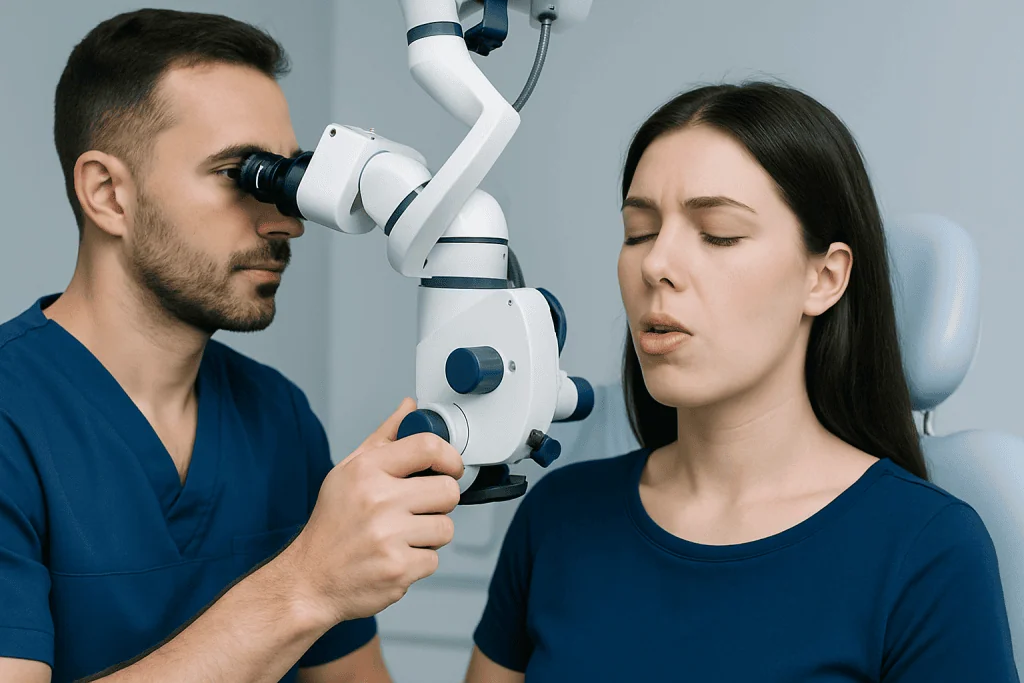
Dry mouth can feel different from person to person. Some people notice dryness mainly at night or when they wake up. Others feel dry throughout the day, need to sip water frequently, or find that certain foods are harder to eat without drinking fluids.
Common symptoms may include a sticky or dry feeling in the mouth, thick saliva, frequent thirst, bad breath, a burning sensation on the tongue, cracked lips, mouth sores, hoarseness, or a dry throat. Taste changes may occur, and spicy, salty, acidic, or dry foods may become uncomfortable. People who wear dentures may notice rubbing, looseness, or sore spots because saliva normally helps with lubrication and suction.
Dry mouth can also affect function. Speaking for long periods may feel tiring, chewing may become difficult, and swallowing dry foods may require extra liquids. Some people develop more plaque buildup or new cavities, especially near the gumline or on the roots of teeth, which are more vulnerable when saliva protection is reduced.
Causes and Risk Factors

The most common cause of dry mouth is medication use. Many medicines can reduce saliva as a side effect, including some treatments for high blood pressure, allergies, depression, anxiety, pain, urinary symptoms, nausea, and sleep problems. This does not mean a medication should be stopped without medical advice; instead, a doctor or pharmacist can review whether alternatives or timing adjustments may be appropriate.
Dehydration can also contribute to dry mouth. This may happen with fever, vomiting, diarrhea, heavy sweating, inadequate fluid intake, or excessive alcohol use. Mouth breathing, snoring, nasal congestion, and some sleep disorders can make the mouth feel especially dry at night. Tobacco and vaping can irritate oral tissues and may worsen dryness.
Several medical conditions may be linked with dry mouth. These include diabetes, Sjogren’s disease, thyroid disorders, kidney disease, autoimmune conditions, anxiety, and depression. Nerve injury, salivary gland stones, salivary gland infections, and some neurological conditions can also affect saliva production or flow.
Cancer treatments may cause dry mouth as well. Radiation therapy to the head and neck can affect salivary glands, sometimes permanently, depending on the area treated and dose. Some chemotherapy and targeted therapies may temporarily change saliva, taste, and mouth comfort. People receiving cancer care should report oral dryness early so the care team can help prevent complications.
Dental Risks and Oral Health Effects
Saliva is one of the mouth’s natural defense systems. When saliva is reduced, acids and sugars remain in contact with teeth for longer. This can lead to faster enamel demineralization and a higher chance of cavities, particularly around existing fillings, crowns, bridges, orthodontic appliances, and exposed root surfaces.
Dry mouth can also increase the risk of gum irritation and plaque buildup. Gums may feel tender, and oral tissues may be more likely to develop small cracks or sores. A dry environment can allow yeast to overgrow, leading to oral candidiasis, which may cause white patches, redness, soreness, or a burning feeling.
People with dry mouth may experience difficulty tolerating dentures or removable appliances. Without enough saliva, dentures can rub more easily and may not stay in place as comfortably. Bad breath can also become more noticeable because food particles and bacteria are not cleared as efficiently.
Dental prevention is especially important for anyone with ongoing dry mouth. Regular dental checkups, professional cleanings, fluoride treatments when recommended, and careful home care can reduce the risk of complications. Early treatment of small cavities or gum inflammation is usually simpler than waiting until symptoms become more advanced.
Diagnosis and Evaluation
A dentist or doctor will usually begin by asking about symptoms, when dryness started, whether it is constant or intermittent, and what makes it better or worse. A careful medication review is essential because prescription medicines, over-the-counter products, and supplements can all contribute. The clinician may also ask about thirst, urination, snoring, nasal symptoms, diet, tobacco use, and any history of autoimmune disease or cancer treatment.
During an oral examination, the dentist looks for signs such as dry or shiny tissues, thick saliva, lack of saliva pooling under the tongue, cracked lips, mouth sores, tooth decay patterns, gum inflammation, and signs of fungal infection. The dentist may also assess how well dentures fit and whether dental materials or appliances are contributing to irritation.
In some cases, additional tests may be recommended. These can include salivary flow measurement, blood tests for diabetes or autoimmune markers, imaging of salivary glands, or referral to an oral medicine specialist, ENT specialist, rheumatologist, or other physician. The goal is to identify treatable causes and build a plan that protects oral health and improves comfort.
Treatment and Management Options
Management depends on the cause, severity, and dental risk. If a medication is suspected, the prescribing doctor may consider whether the dose, schedule, or medication type can be adjusted. Patients should not stop or change prescribed medicines on their own, because the original condition being treated may be important for overall health.
Daily comfort measures often help. Frequent small sips of water, especially during meals, can make chewing and swallowing easier. Sugar-free chewing gum or sugar-free lozenges may stimulate saliva in people who still have some salivary gland function. Products containing xylitol may be useful for some patients, but they should be kept away from dogs because xylitol is toxic to pets.
Saliva substitutes, moisturizing mouth sprays, gels, and alcohol-free mouth rinses can provide temporary relief. Some patients may benefit from prescription saliva-stimulating medicines, but these are not suitable for everyone and should be prescribed only after medical evaluation. If oral candidiasis or another infection is present, a dentist or doctor may recommend appropriate antifungal or other treatment.
Dental protection is a key part of treatment. A dentist may recommend high-fluoride toothpaste or gel, fluoride varnish, remineralizing products, more frequent cleanings, and a personalized cavity-prevention plan. Patients with high dental risk may need closer follow-up to monitor early enamel changes, fillings, crowns, implants, or dentures.
Prevention and Self-care
Self-care can make a meaningful difference for many people with dry mouth. Good oral hygiene helps compensate for reduced saliva protection. Brushing twice daily with fluoride toothpaste, cleaning between the teeth, and attending regular dental visits are important foundations. People with dry mouth should ask their dentist which fluoride products are appropriate for their level of risk.
Diet and daily habits also matter. Limiting frequent snacking and reducing sugary or acidic drinks can lower acid exposure on teeth. Water is usually the best drink for sipping throughout the day. Alcohol-containing mouthwashes, tobacco products, and recreational vaping may worsen irritation or dryness and are best avoided.
Helpful strategies may include:
- Keeping water nearby and taking small sips as needed.
- Using a humidifier at night if bedroom air is dry.
- Choosing moist foods and adding sauces or broths when swallowing is difficult.
- Breathing through the nose when possible and seeking care for chronic nasal blockage.
- Avoiding caffeine or alcohol if they clearly worsen symptoms.
- Using only sugar-free candies or gum to stimulate saliva.
People who wake with severe dryness may benefit from discussing snoring, mouth breathing, or possible sleep apnea with a healthcare professional. If dry mouth is linked to a chronic medical condition, coordinated care between dental and medical teams can help protect both oral and general health.
When to See a Doctor or Dentist
A short period of dry mouth after exercise, stress, or mild dehydration is common. However, dryness that persists for more than a few days, returns frequently, or interferes with eating, speaking, sleeping, or dental comfort should be evaluated. Early assessment can help identify medication effects, medical conditions, mouth breathing, or salivary gland problems before dental complications develop.
Patients should arrange care promptly if dry mouth is accompanied by new or rapidly worsening tooth decay, mouth sores that do not heal, white or red patches, difficulty swallowing, swelling near the jaw or under the tongue, fever, unexplained weight loss, very dry eyes, joint pain, or major changes in thirst and urination. These symptoms do not always mean something serious, but they deserve professional attention.
People receiving head and neck radiation therapy, chemotherapy, or long-term medicines known to reduce saliva should have preventive dental guidance. For international patients seeking coordinated evaluation, Acibadem International’s multidisciplinary specialists and JCI-accredited hospitals diagnose and treat dry mouth and related dental conditions as part of individualized care planning.
Frequently asked questions
Is dry mouth the same as being thirsty?
Not always. Thirst can occur when the body needs more fluid, while dry mouth may happen because saliva production is reduced or saliva is not functioning normally. A person can feel dry in the mouth even when overall hydration is adequate, especially if medications, mouth breathing, or salivary gland problems are involved.
Can medications cause dry mouth?
Yes. Many common prescription and over-the-counter medicines can contribute to dry mouth, including some used for allergies, blood pressure, mood, pain, nausea, and sleep. Patients should not stop medications without medical advice, but they can ask their doctor or pharmacist to review possible alternatives or adjustments.
Why does dry mouth increase cavities?
Saliva helps wash away food particles, neutralize acids, and supply minerals that protect tooth enamel. When saliva is reduced, bacteria and acids remain on teeth longer, which can increase the risk of cavities. Root surfaces and areas around fillings, crowns, or dentures may be especially vulnerable.
What can help dry mouth at night?
Sipping water, using a bedside humidifier, applying an oral moisturizing gel, and avoiding alcohol or tobacco before bed may help. If dryness is worse at night, mouth breathing, nasal congestion, snoring, or sleep apnea may be contributing. A doctor or dentist can help identify the cause and suggest appropriate treatment.
Are saliva substitutes safe?
Many saliva substitutes, sprays, gels, and alcohol-free rinses are safe for regular use and can provide temporary comfort. They do not cure the cause of dry mouth, and their effects may vary from person to person. A dentist can recommend products that also support cavity prevention.
When should dry mouth be checked for Sjogren's disease?
Sjogren's disease may be considered when dry mouth is persistent and occurs with very dry eyes, fatigue, joint discomfort, swollen salivary glands, or other autoimmune symptoms. Diagnosis requires medical evaluation and may involve blood tests, eye tests, salivary flow testing, or specialist referral. Many other conditions can also cause dryness, so professional assessment is important.
Can dry mouth be cured?
Dry mouth can sometimes be resolved if the cause is temporary, such as dehydration or a short-term medication effect. When it is related to chronic illness, long-term medication use, or salivary gland damage, the focus may be on symptom control and prevention of dental problems. With a personalized plan, many people achieve better comfort and protect their oral health.
References
- American Dental Association
- National Institute of Dental and Craniofacial Research
- Mayo Clinic
- World Health Organization
- European Association of Oral Medicine
This article is for general information only and is not a substitute for professional medical advice. Please consult a qualified doctor about your individual situation.
Explore treatments in Turkey — costs, top hospitals & a free quote
JCI-accredited · board-certified surgeons · reply within 24h
Add us as a Preferred Source to see more of our trusted health content across Google Search, AI Overviews and Discover.
Check your numbers in seconds
BMI, calories, due date, blood pressure and 30+ more clinical calculators — free, instant, doctor-reviewed ranges.

Dental & Oral Health
Full-scope dental care from implants and aesthetics to oral and maxillofacial surgery.
158 specialists in this unitRelated Treatments
More from the Health Library



Related Specialists

Assoc. Prof. Dr. Ferit Bayram
Oral & Dental Health
Dt. Alara Naz Kenir
Oral & Dental Health
Dt. Gonca Katmer
Oral & Dental HealthDt. Doğa Baysal
Oral & Dental Health