Dyspareunia: What Patients Need to Know

Dyspareunia refers to pain during sex and can affect people of different ages and life stages. The pain may be felt at the vaginal opening, deeper in the pelvis, or after intercourse.
Key Takeaways
- Dyspareunia refers to pain during sex and can affect people of different ages and life stages.
- The pain may be felt at the vaginal opening, deeper in the pelvis, or after intercourse.
- Common causes include dryness, infections, pelvic floor muscle problems, hormonal changes, endometriosis, and emotional stress.
- A medical evaluation can often identify treatable causes through history, examination, and selected tests.
- Treatment may include lubricants, medicines, pelvic floor therapy, counseling, or treatment of an underlying condition.
- Persistent pain during sex is not something a person has to simply live with; medical care can help.
Dyspareunia means persistent or recurrent pain during sexual intercourse or penetration. It is a symptom rather than a single disease, and treatment depends on finding the cause, which may involve vaginal dryness, infection, pelvic floor tension, hormonal changes, endometriosis, or other pelvic conditions.
Overview
Dyspareunia is the medical term for persistent or recurrent pain linked to sexual intercourse or penetration. The pain may happen before penetration, at the moment of entry, during deeper penetration, or afterward. Some people describe burning, stinging, sharp pain, aching, cramping, or a feeling of pressure.
Although dyspareunia is often discussed in relation to women, pain during sexual activity can affect people of all genders. In many cases, the pain has a physical cause such as dryness, infection, inflammation, scarring, or pelvic floor muscle tension. In other cases, emotional distress, anxiety, past painful experiences, or relationship factors may contribute or make symptoms feel more intense.
What matters most is that dyspareunia is a symptom worth evaluating. It is not a normal part of sex, aging, or childbirth recovery that a person must simply accept. Many causes are treatable, and care often improves comfort, sexual function, and overall quality of life.
How Dyspareunia May Feel
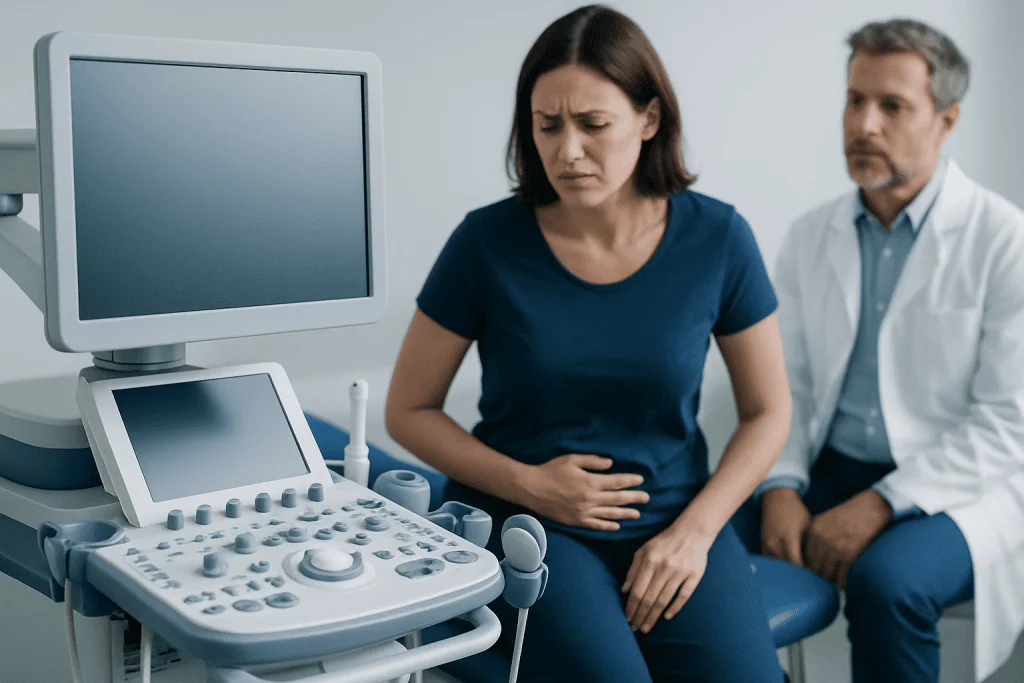
People experience dyspareunia in different ways. Some feel pain only with initial penetration, which may suggest irritation, dryness, skin conditions, or involuntary tightening of the pelvic floor muscles. Others feel deep pelvic pain with thrusting, which can be linked to conditions involving the uterus, ovaries, bladder, bowel, or surrounding tissues.
The timing of the pain can also offer clues. Pain that starts only at certain points in the menstrual cycle, after childbirth, during breastfeeding, or around menopause may suggest a hormonal or pelvic cause. Pain that follows a surgery, injury, or infection may point to scarring or ongoing inflammation.
Symptoms can occur along with other concerns, including:
- Vaginal dryness or burning
- Itching, discharge, or odor
- Pelvic pressure or cramping
- Bleeding after sex
- Difficulty using tampons or having a pelvic exam
- Bladder pain, urgency, or painful urination
- Fear of penetration because of anticipated pain
Because symptoms vary widely, a careful conversation with a clinician is often the first step toward understanding what is happening.
Common Causes and Risk Factors

Dyspareunia can result from one factor or several overlapping factors. A very common reason is insufficient lubrication, which may be related to low estrogen, breastfeeding, menopause, certain medications, or not feeling fully aroused. Skin irritation, allergy to products, yeast infection, bacterial infection, sexually transmitted infections, and inflammation of the vulva or vagina can also cause pain at the vaginal opening.
Deeper pain may be associated with pelvic conditions such as endometriosis, ovarian cysts, pelvic inflammatory disease, uterine fibroids, irritable bowel conditions, or bladder pain syndrome. Tight or overactive pelvic floor muscles may cause pain with penetration, pelvic aching, and difficulty relaxing during sex or gynecologic exams.
Hormonal changes are another important cause. Estrogen levels can decrease after menopause, during breastfeeding, or after certain medical treatments, leading to thinning and dryness of the vaginal tissues. This can make friction more painful and also increase irritation afterward.
Emotional and psychological factors do not mean the pain is “only in the mind.” Stress, anxiety, depression, trauma history, relationship conflict, and previous painful intercourse can change muscle tension, arousal, and pain sensitivity. Risk may also increase after pelvic surgery, radiation therapy, childbirth-related injuries, or chronic pain disorders.
How Doctors Diagnose Dyspareunia
Diagnosis begins with a detailed medical and sexual history. A doctor may ask where the pain is felt, when it occurs, how long it has been present, whether it is linked to the menstrual cycle, and whether there are related symptoms such as discharge, urinary problems, bowel symptoms, or bleeding. Questions about childbirth, menopause, medications, previous infections, surgeries, and emotional wellbeing can also be relevant.
A physical examination may include inspection of the vulva and surrounding skin, gentle touch to identify tender areas, and a pelvic exam if the person feels comfortable proceeding. In some cases, the clinician checks the pelvic floor muscles for tightness or spasm. The goal is not simply to confirm that pain exists, but to understand its pattern and likely source.
Additional tests depend on the suspected cause. These may include vaginal or cervical swabs, urine tests, blood tests, or pelvic imaging such as ultrasound. If symptoms suggest another pelvic condition, the doctor may consider evaluation for ovarian cysts or other gynecologic causes. A compassionate, step-by-step assessment often helps people feel more comfortable discussing symptoms that may have been difficult to mention before.
Treatment Options
Treatment for dyspareunia is guided by the underlying cause. If dryness is a major factor, a clinician may recommend lubricants during intercourse and, in some cases, vaginal moisturizers used regularly. When hormonal changes are contributing, treatment may include local estrogen therapy if appropriate. If an infection or inflammatory condition is present, targeted medication can relieve symptoms and address the cause.
Pelvic floor dysfunction often improves with specialized physical therapy. Pelvic floor physical therapy may help relax overactive muscles, improve coordination, and reduce pain linked to muscle guarding. If skin disease, scarring, or anatomical changes are involved, treatment may include topical therapies or procedural options recommended by a gynecologist or other specialist.
For people with deeper pelvic pain, treatment may focus on the underlying condition. This can include management of endometriosis or other pelvic disorders, and selected patients may benefit from laparoscopy as part of diagnosis or treatment planning. When urinary symptoms are prominent, evaluation by specialists in urogynecology care may be helpful.
Emotional support is also an important part of care. Counseling, sex therapy, or trauma-informed psychotherapy can help reduce fear, improve communication, and address the stress that often accompanies chronic pain. Many people do best with a combined approach that treats both the physical source of pain and its emotional impact.
Self-care and Everyday Strategies
Self-care cannot replace diagnosis, but it can support recovery and reduce discomfort. Choosing a water-based or silicone-based lubricant may help reduce friction during sex. Taking more time for arousal, changing positions, and stopping when pain begins can also make sexual activity more comfortable while treatment is underway.
It may help to avoid perfumed soaps, douches, harsh cleansers, or products that irritate the vulvar skin. Wearing breathable underwear and treating constipation, chronic coughing, or other sources of pelvic strain may also support pelvic floor health. If there has been recent childbirth or surgery, following the doctor’s guidance about healing timelines is important.
Open communication with a partner can reduce stress and fear around intimacy. Some people find it helpful to temporarily shift away from penetrative sex while seeking care, focusing instead on comfort, closeness, and activities that do not trigger pain. A gradual, pressure-free approach often helps restore confidence.
When to Seek Medical Care
A person should seek medical care if pain during sex is persistent, worsening, or causing distress. Evaluation is especially important if dyspareunia is new, follows childbirth or surgery, or occurs together with pelvic pain, abnormal bleeding, unusual discharge, fever, urinary symptoms, or pain that interferes with daily life.
Prompt assessment is also important if there is concern about infection, a sudden change in symptoms, or difficulty tolerating tampons or pelvic exams. Even when the cause seems minor, ongoing pain deserves attention because it can affect relationships, mood, and quality of life over time.
If specialized care is needed, a multidisciplinary approach may be useful. Acibadem International’s multidisciplinary specialists in women’s health, pelvic medicine, and related fields diagnose and treat dyspareunia for international patients in JCI-accredited hospitals.
Frequently asked questions
Is dyspareunia the same as vaginismus?
No. Dyspareunia is a broad term for pain during sex, while vaginismus usually refers to involuntary tightening of the pelvic floor muscles that makes penetration painful or difficult. A person can have one or both, so evaluation should look for muscle, skin, hormonal, and pelvic causes.
Can menopause cause dyspareunia?
Yes. Lower estrogen levels after menopause can lead to vaginal dryness and thinning of the tissues, which may cause burning or pain with intercourse. These symptoms are often treatable with lubricants, moisturizers, and doctor-guided hormonal or non-hormonal options.
Can dyspareunia happen after childbirth?
Yes. Pain during sex can occur after childbirth because of healing tissues, scarring, pelvic floor muscle tension, hormonal changes, or dryness, especially during breastfeeding. If pain persists or feels severe, a medical review can help identify the reason and guide treatment.
Is dyspareunia ever caused by stress or anxiety?
Stress and anxiety can contribute to dyspareunia by increasing muscle tension, reducing arousal, and heightening pain sensitivity. However, this does not mean the pain is imagined. Physical and emotional factors often interact, which is why a full evaluation is helpful.
What kind of doctor treats dyspareunia?
Initial evaluation often starts with a gynecologist, primary care doctor, or urologist, depending on the symptoms. Some people also benefit from pelvic floor physical therapists, pain specialists, dermatologists, or mental health professionals with experience in sexual pain.
Will dyspareunia go away on its own?
Sometimes mild pain related to temporary irritation or short-term dryness improves with simple measures. But persistent, recurrent, or worsening pain should not be ignored because it may signal an infection, hormonal change, pelvic floor disorder, or another treatable condition.
References
- American College of Obstetricians and Gynecologists
- National Institute of Child Health and Human Development
- Mayo Clinic
- National Health Service
- International Society for the Study of Women's Sexual Health
This article is for general information only and is not a substitute for professional medical advice. Please consult a qualified doctor about your individual situation.
Explore treatments in Turkey — costs, top hospitals & a free quote
JCI-accredited · board-certified surgeons · reply within 24h
Add us as a Preferred Source to see more of our trusted health content across Google Search, AI Overviews and Discover.

More from the Health Library



Related Specialists

Fzt. Elif Tokgöz Nizam
Physical Medicine & Rehabilitation
Dr. Resül Altınayak
Clinical Laboratory
Prof. Dr. Fatih Köksal
Clinical Laboratory
Prof. Dr. Bilgi Baca
General Surgery