Early Warning Signs of Poor Health You Should Not Ignore

Symptoms that are new, persistent, worsening, or unexplained should not be ignored. Common warning signs include ongoing fatigue, unintentional weight change, pain, shortness of breath, and bowel or bladder changes.
Key Takeaways
- Symptoms that are new, persistent, worsening, or unexplained should not be ignored.
- Common warning signs include ongoing fatigue, unintentional weight change, pain, shortness of breath, and bowel or bladder changes.
- Mental and emotional changes, including low mood or confusion, can also reflect underlying health problems.
- Regular checkups, healthy habits, and prompt medical advice help detect illness earlier.
- Emergency symptoms such as chest pain, severe breathing difficulty, or sudden weakness need immediate care.
Early warning signs of poor health are often subtle, but persistent changes in energy, weight, pain, breathing, digestion, mood, or skin can signal that the body needs attention. Recognizing these symptoms early can help people seek timely medical advice and prevent more serious problems.
Overview
The body often gives early clues when something is not right. These signs are not always dramatic. In many cases, they appear as small changes in energy, appetite, sleep, mood, breathing, digestion, or pain. Because these symptoms can be easy to dismiss, people may delay seeking advice until the problem becomes harder to manage.
Early warning signs of poor health do not always mean a serious disease is present. Many symptoms have common and treatable causes, such as stress, lack of sleep, infection, nutritional deficiencies, medication side effects, or chronic conditions that need better control. Still, symptoms that persist, return often, or interfere with daily life deserve medical attention.
Paying attention to the whole picture is important. A single mild symptom may not be meaningful, but a pattern of changes can be more significant. For example, tiredness together with weight loss, appetite change, and night sweats may require prompt evaluation. The goal is not to create worry, but to encourage timely and informed action.
Common Symptoms That Should Not Be Ignored
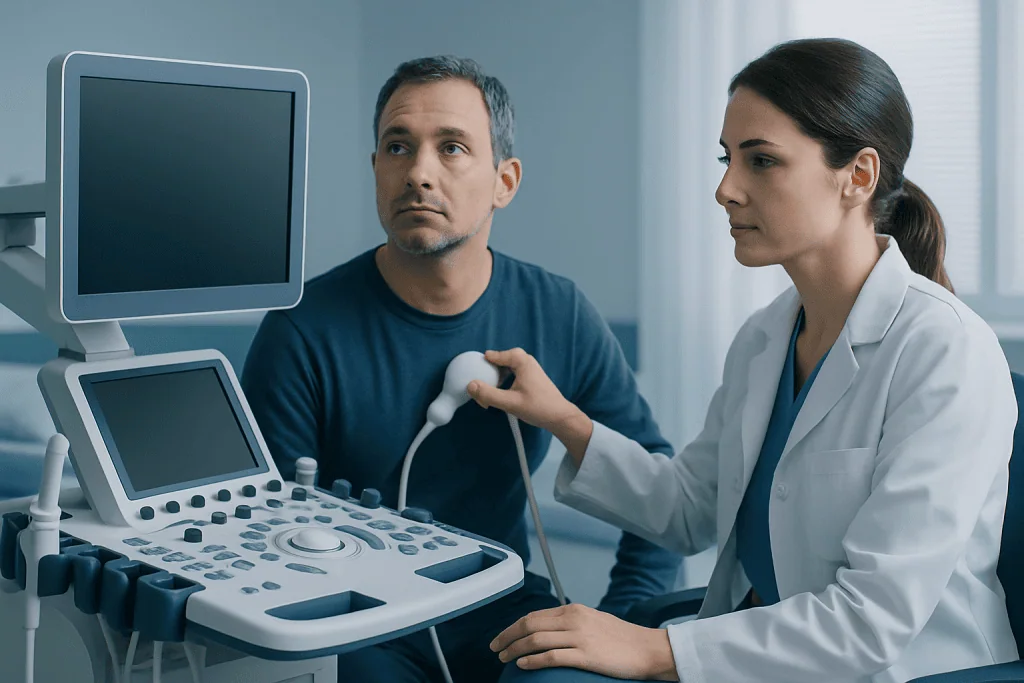
Persistent fatigue is one of the most common warning signs of poor health. Feeling tired after a busy week is normal, but exhaustion that does not improve with rest may point to anemia, thyroid disorders, sleep problems, infection, depression, heart disease, or other medical concerns. Fatigue becomes more concerning when it is severe, unexplained, or accompanied by shortness of breath, dizziness, or weakness.
Unintentional weight loss or gain can also signal a problem. Weight changes may relate to hormone conditions, digestive disorders, diabetes, medication effects, depression, fluid retention, or cancer. A noticeable change in appetite, difficulty swallowing, early fullness, or nausea should also be discussed with a doctor, especially if symptoms continue.
Pain is another key signal. Headaches that are new or worsening, chest discomfort, abdominal pain, back pain, or joint pain can have many causes. Some are minor, while others require evaluation. Pain that is severe, recurrent, wakes a person from sleep, or comes with fever, vomiting, weakness, or bleeding should not be ignored.
- Ongoing fatigue or unusual weakness
- Unexplained weight loss or weight gain
- Persistent pain anywhere in the body
- Shortness of breath, wheezing, or reduced exercise tolerance
- Ongoing cough or hoarseness
- Changes in bowel habits or urination
- Skin changes, new lumps, or non-healing sores
Changes in Digestion, Breathing, Skin, and Sleep

Digestive symptoms are especially important when they are persistent. Ongoing constipation, diarrhea, bloating, heartburn, vomiting, blood in the stool, or abdominal swelling may reflect infection, food intolerance, inflammatory disease, ulcers, liver problems, or other conditions. If symptoms continue, a doctor may recommend tests or evaluation by a specialist in gastroenterology care.
Breathing changes can be another early sign of illness. Shortness of breath during routine activity, chest tightness, chronic cough, wheezing, or coughing up blood should be assessed. These symptoms may be linked to asthma, infection, heart disease, anemia, or lung conditions. Symptoms that appear suddenly or become severe require urgent medical attention.
The skin can also reveal internal health problems. Yellowing of the skin or eyes, unusual paleness, easy bruising, rashes, itching, and sores that do not heal may be clues to liver disease, blood disorders, nutritional deficiency, infection, autoimmune disease, or diabetes. Likewise, poor sleep, loud snoring, frequent waking, and daytime drowsiness can affect overall health and may suggest sleep disorders, stress, chronic pain, or hormone imbalance.
Mood, Memory, and Other Less Obvious Warning Signs
Poor health does not always begin with physical pain. Changes in mood, motivation, concentration, and memory can also be important. Persistent sadness, anxiety, irritability, loss of interest in normal activities, or trouble thinking clearly may relate to mental health conditions, sleep deprivation, thyroid disease, vitamin deficiency, medication effects, or neurological illness.
People sometimes overlook dizziness, fainting, palpitations, or reduced tolerance for activity. These symptoms may result from dehydration or stress, but they can also point to heart rhythm problems, low blood pressure, anemia, inner ear disorders, or other medical issues. Repeated episodes deserve proper assessment, particularly if they occur with chest pain or shortness of breath.
Another warning sign is a change in normal function. This may include needing to urinate much more often, waking at night to urinate, increased thirst, swelling in the legs, reduced sexual function, or menstrual changes. Such symptoms may be linked to diabetes, kidney disease, hormonal disorders, or cardiovascular conditions and should be reviewed with a healthcare professional.
What Can Cause These Symptoms?
Early warning signs of poor health can come from many different causes. Some are temporary and straightforward, such as viral infections, dehydration, poor nutrition, overwork, or emotional stress. Others are linked to chronic conditions, including high blood pressure, diabetes, thyroid disease, respiratory disorders, digestive conditions, and heart disease. Sometimes symptoms reflect more than one issue at the same time.
Risk factors can increase the chance that symptoms have a medical explanation. These include smoking, heavy alcohol use, lack of physical activity, obesity, poor sleep, ongoing stress, older age, family history of disease, and existing long-term conditions. Environmental exposures, medications, and recent travel can also matter. A careful medical history helps place symptoms in context.
In some cases, warning signs relate to specific diseases that benefit from early diagnosis. For example, persistent cough or breathlessness may be seen in lung cancer, while thirst, fatigue, and frequent urination may suggest diabetes. Not every symptom points to a serious diagnosis, but patterns and persistence are important, which is why medical evaluation should not be delayed when symptoms continue.
How Doctors Evaluate Early Warning Signs
Diagnosis begins with listening carefully to the person’s symptoms. A doctor will usually ask when the symptoms started, whether they are getting worse, what makes them better or worse, and whether there are related changes such as fever, weight loss, bleeding, or sleep problems. A full review of medical history, lifestyle, medications, and family history is often just as important as the physical examination.
The next step may involve basic tests depending on the symptoms. These can include blood tests, urine tests, blood pressure checks, heart tracing, imaging, or stool studies. For some people, age-appropriate screening tests are also relevant, especially if symptoms overlap with conditions that are more common in midlife or older age.
When symptoms suggest a particular organ system, referral to a specialist may be helpful. For example, chest pain or palpitations may lead to cardiology evaluation, while unexplained headaches, weakness, or numbness may need neurology assessment. The purpose of testing is not simply to find disease, but also to rule out serious causes and guide the safest treatment plan.
Treatment, Prevention, and Self-Care
Treatment depends entirely on the cause. In some cases, improving sleep, hydration, nutrition, stress management, and physical activity can make a meaningful difference. In others, symptoms may require medication, monitoring, specialist treatment, or management of a chronic condition such as asthma, diabetes, anemia, or thyroid disease. A doctor can explain which symptoms can be safely watched and which require quicker follow-up.
Prevention starts with paying attention to baseline health. Regular checkups, recommended screening tests, vaccinations, and routine monitoring of blood pressure, blood sugar, and cholesterol can help identify problems before symptoms become severe. Avoiding tobacco, limiting alcohol, maintaining a balanced diet, and staying active all support overall health and reduce the risk of many illnesses.
Self-care should be practical and consistent rather than extreme. Keeping a symptom diary may help identify triggers and patterns. It can be useful to note the timing of symptoms, severity, associated factors, and any changes in weight, sleep, or appetite. Near the end of the care pathway, some people may seek coordinated assessment in larger centers; Acibadem International’s multidisciplinary specialists in JCI-accredited hospitals diagnose and treat a wide range of health conditions for international patients when further evaluation is needed.
When to See a Doctor Urgently
Many warning signs can be assessed through a routine appointment, but some symptoms need urgent attention. Immediate or emergency care is important for chest pain, severe shortness of breath, sudden weakness on one side of the body, fainting, seizures, confusion, coughing or vomiting blood, black stools, severe allergic reactions, or a sudden severe headache. These symptoms may indicate a time-sensitive condition.
People should also arrange a medical review soon if they notice symptoms that persist beyond a few days to a few weeks, keep returning, or are gradually worsening. This includes ongoing fatigue, unexplained weight loss, frequent fevers, swollen glands, lasting digestive changes, new lumps, or any symptom that interferes with work, sleep, or daily activity.
It is especially important not to ignore symptoms in children, older adults, pregnant people, or anyone with a weakened immune system or multiple chronic conditions. When in doubt, seeking medical advice is the safest choice. Early assessment often leads to simpler treatment, clearer reassurance, and better long-term health outcomes.
Frequently asked questions
What are the most common early warning signs of poor health?
Common early warning signs include persistent fatigue, unexplained weight change, pain, shortness of breath, bowel or bladder changes, sleep problems, and skin changes. Mood changes, memory difficulty, and reduced ability to do normal activities can also be important clues.
Does feeling tired all the time mean something is wrong?
Not always, because tiredness can be related to stress, poor sleep, dehydration, or overwork. However, fatigue that is persistent, severe, or paired with symptoms like dizziness, breathlessness, or weight loss should be assessed by a doctor.
When is unexplained weight loss a concern?
Unexplained weight loss is more concerning when it happens without trying, continues over time, or comes with appetite loss, pain, fever, or bowel changes. A medical review can help identify whether the cause is nutritional, hormonal, digestive, infectious, or something more serious.
Can mental health changes be a sign of poor physical health?
Yes. Low mood, anxiety, irritability, concentration problems, and confusion can sometimes be linked to sleep disorders, thyroid problems, vitamin deficiencies, infections, or neurological conditions, as well as primary mental health disorders.
How long should someone wait before seeing a doctor about symptoms?
It depends on the symptom, its severity, and whether it is getting worse. In general, symptoms that persist for more than several days to a few weeks, recur often, or affect daily life should be discussed with a healthcare professional sooner rather than later.
Which symptoms require emergency medical care?
Emergency care is needed for chest pain, severe difficulty breathing, sudden weakness or numbness, fainting, seizures, severe confusion, coughing or vomiting blood, black stools, or a sudden severe headache. These symptoms can signal urgent medical conditions and should not be delayed.
References
- World Health Organization
- National Health Service
- Centers for Disease Control and Prevention
- Mayo Clinic
- MedlinePlus
This article is for general information only and is not a substitute for professional medical advice. Please consult a qualified doctor about your individual situation.
Explore treatments in Turkey — costs, top hospitals & a free quote
JCI-accredited · board-certified surgeons · reply within 24h
Add us as a Preferred Source to see more of our trusted health content across Google Search, AI Overviews and Discover.
Check your numbers in seconds
BMI, calories, due date, blood pressure and 30+ more clinical calculators — free, instant, doctor-reviewed ranges.

More from the Health Library



Related Specialists

Prof. Dr. Ahmet Akyol
Cardiology
Dt. Aslı Yetgin Yazar
Oral & Dental Health
Prof. Dr. Sinan Zeren
Urology
Prof. Dr. Meriç Şengöz
Radiation Oncology