Endodontics vs Extraction: When Can a Tooth Still Be Saved?

A natural tooth is often the first choice to preserve when it can be treated and restored predictably. Endodontic treatment is commonly used when the pulp is infected or inflamed but the tooth structure can still be saved.
Key Takeaways
- A natural tooth is often the first choice to preserve when it can be treated and restored predictably.
- Endodontic treatment is commonly used when the pulp is infected or inflamed but the tooth structure can still be saved.
- Extraction may be necessary if the tooth has severe fracture, extensive decay below the gumline, or major bone and gum loss.
- The decision is based on restorability, long-term function, comfort, cost, and oral health goals.
- Replacing an extracted tooth is usually important to protect chewing, bite alignment, and neighboring teeth.
Choosing between endodontic treatment and tooth extraction depends on whether the tooth can be safely restored and remain functional. In many cases, preserving the natural tooth is preferred, but removal may be the better option when damage is too severe or support structures are lost.
Overview: Endodontics vs Extraction
When a tooth is badly decayed, infected, or damaged, patients often ask whether it should be saved or removed. The choice between endodontics and extraction is not only about pain relief. It is also about long-term oral health, chewing function, appearance, and how well the tooth can be restored.
Endodontics refers to treatment inside the tooth, most commonly root canal therapy. This approach removes infected or inflamed pulp, disinfects the root canals, and seals them so the tooth can remain in place. In many situations, a treated tooth is then rebuilt with a filling or crown. Endodontic treatment is generally considered when the tooth’s root structure and surrounding support are still adequate.
Extraction means removing the tooth entirely. This may be the best option if the tooth cannot be restored in a durable way, or if keeping it would lead to repeated infection, discomfort, or poor function. After extraction, the dentist usually discusses replacement options such as a bridge or implant to maintain the bite and prevent shifting of other teeth.
In general, preserving a natural tooth is preferred whenever it is safe and realistic. Natural teeth help maintain normal chewing and jaw function, and they often provide the most familiar feel. However, saving a tooth is only appropriate when the remaining structure, gum health, and bone support can allow lasting success.
When a Tooth Can Often Be Saved
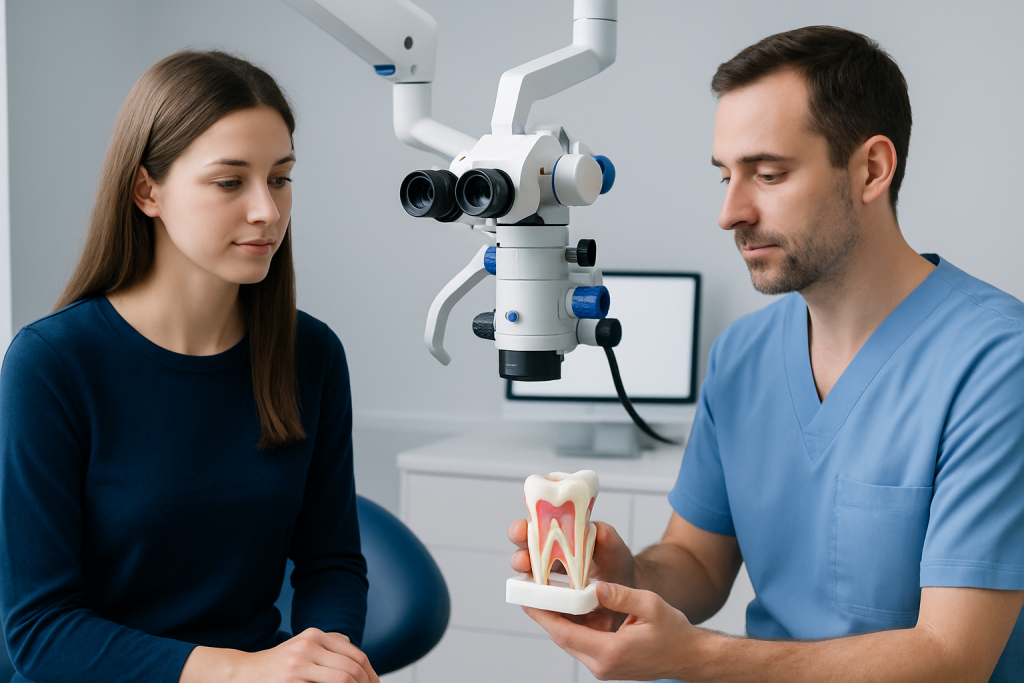
A tooth may often be saved if the infection is limited to the pulp and root canal system, while the outer tooth and supporting tissues remain restorable. Deep decay, a large filling, repeated dental work, or trauma can damage the pulp and cause pain, sensitivity, swelling, or an abscess. In these cases, root canal treatment may remove the source of infection while preserving the tooth itself.
The key question is restorability. A dentist assesses whether enough healthy tooth structure remains above or slightly below the gumline to support a final restoration. If the root is stable and the surrounding bone and gums are reasonably healthy, treatment may include a filling, post or fiber support, and often a protective crown. Dental crowns are commonly used after root canal therapy in back teeth because they help strengthen and seal the tooth.
Teeth are also more likely to be saved when cracks are limited and do not extend vertically into the root. Early diagnosis matters. A tooth treated before severe breakdown develops usually has more options and a better chance of lasting function.
- Deep decay that has reached the pulp but not destroyed the root
- Infection or abscess with adequate surrounding bone support
- Trauma causing pulp injury without an irreparable root fracture
- Large broken fillings where the remaining tooth can still be rebuilt
- Persistent pain from pulp inflammation in an otherwise restorable tooth
When Extraction May Be the Better Choice

Extraction may be recommended when a tooth cannot be predictably restored or when keeping it would compromise overall oral health. One common reason is a vertical root fracture, especially if the crack extends deeply through the root. In this situation, bacteria can continue to enter the tissues around the tooth, and root canal treatment alone usually cannot solve the problem.
Another reason is extensive decay or breakdown below the gumline. If there is not enough sound tooth structure to hold a restoration, the tooth may fail even after endodontic treatment. Severe periodontal disease can also make extraction more appropriate. When a tooth has lost a large amount of bone and gum support, preserving it may not provide long-term stability.
Some teeth are removed because they have already had repeated treatment attempts and still remain symptomatic, or because the anatomy makes successful retreatment unlikely. In other cases, the position of the tooth, the patient’s bite, and long-term maintenance needs all influence the decision. A specialist may also consider whether the tooth can be used comfortably and cleaned well after treatment.
If extraction is necessary, planning the next step matters. Replacing the missing tooth may involve dental implants or a dental bridge, depending on bone quality, neighboring teeth, health status, and patient preference.
How Dentists Make the Decision
Choosing between endodontics and extraction involves a careful clinical and radiographic assessment. The dentist examines pain history, swelling, tooth mobility, gum condition, bite forces, remaining tooth structure, and the condition of the root. X-rays, and sometimes 3D imaging, help show infection around the root, hidden fractures, previous treatment, and available bone support.
Restorability is often the most important factor. Even if infection can be removed from inside the tooth, the tooth still needs to function after treatment. A badly broken tooth may not support a filling or crown securely. Likewise, if decay extends too far below the gumline, it may be difficult to create a healthy, cleanable restoration.
Dentists also consider the expected long-term outlook, not just the immediate result. A tooth that can be saved for many years with reasonable maintenance may be a very good choice. On the other hand, if saving it would require multiple procedures with uncertain durability, extraction and replacement may offer a more predictable plan.
Patient factors also matter. Age alone is not decisive, but general health, oral hygiene, smoking, teeth grinding, treatment preferences, and finances may influence the plan. A balanced discussion helps patients understand the benefits, limits, and likely maintenance needs of each option.
Symptoms That Need Prompt Dental Assessment
Some symptoms suggest that the pulp or surrounding tissues may be seriously affected and should be assessed promptly. These include lingering sensitivity to hot or cold, pain when biting, spontaneous throbbing pain, swelling of the gum or face, a bad taste in the mouth, or a small pimple-like bump on the gum that drains fluid.
However, not all teeth that need treatment are painful. Some infected teeth cause very mild symptoms or none at all, especially if the nerve has already lost vitality. A tooth may simply darken, feel different when chewing, or show a shadow around the root on an X-ray. This is one reason regular checkups are important.
Cracks can be especially difficult to detect. Patients may notice sharp pain on release when biting, or intermittent discomfort with certain foods. Because crack-related problems can worsen over time, early evaluation can improve the chance of saving the tooth.
When there is severe swelling, fever, trouble swallowing, or difficulty opening the mouth, urgent dental or medical care is needed. Dental infections can sometimes spread beyond the tooth and require prompt treatment.
Treatment Options After Endodontics or Extraction
If a tooth is saved with root canal therapy, the next step is protecting it from reinfection and fracture. Depending on how much tooth structure remains, the dentist may place a filling, onlay, or crown. In some cases, internal reinforcement may be used to help support the final restoration. Fiber-supported reinforcement may be part of rebuilding selected teeth when clinically appropriate.
Root canal treatment is often very effective for eliminating infection and preserving chewing function. Many patients can return to normal activities quickly, although mild tenderness for a short period is possible. Good follow-up and a well-fitted restoration are important for long-term success.
If the tooth is extracted, replacement is usually discussed unless the missing tooth will not affect function or alignment. Implants, bridges, and in some cases removable options can restore appearance and chewing. The right choice depends on bone volume, gum health, neighboring teeth, and personal priorities.
A comprehensive evaluation through general dentistry care can help patients understand the full plan, including how to treat the problem tooth and how to protect the rest of the mouth. In selected complex cases, multidisciplinary specialists at Acibadem International and its JCI-accredited hospitals evaluate and treat international patients with coordinated dental care.
Prevention and Self-Care to Reduce the Risk
Many situations that lead to root canal treatment or extraction begin with preventable disease. Daily brushing with fluoride toothpaste, cleaning between the teeth, limiting frequent sugary foods and drinks, and attending regular dental checkups all help reduce decay and gum disease. Early treatment of cavities can often prevent pulp infection later.
Protecting the teeth from fracture is also important. People who grind or clench may benefit from professional advice because repeated heavy pressure can worsen cracks and wear. Mouthguards are useful for sports, and prompt treatment after dental trauma may improve the chance of saving an injured tooth.
Gum health should not be overlooked. Bone and gum support play a major role in whether a tooth can be preserved. Conditions such as bleeding gums or advanced periodontal problems should be assessed and treated early to prevent loosening and tooth loss.
Patients should also avoid delaying care when symptoms appear. A tooth with early inflammation may be treated more simply than one with a large abscess, deep fracture, or severe structural loss. Earlier care often means more conservative options.
When to See a Dentist
A dental appointment is advisable for any tooth pain that lasts more than a day or two, pain on biting, swelling, increasing sensitivity to temperature, or a broken tooth. Even if discomfort comes and goes, the problem may still be progressing. Early assessment gives the best chance of preserving the tooth when possible.
Patients should also seek care for a loose tooth, a tooth that has changed color after trauma, or a crown or large filling that has come off. These situations may expose the inner part of the tooth or reveal hidden cracks and decay. Timely treatment can reduce the risk of infection and more extensive procedures.
Emergency care is especially important if there is facial swelling, pus drainage, fever, or difficulty swallowing. These symptoms can indicate a spreading infection that requires urgent attention.
A dentist or endodontist can explain whether the tooth is restorable, what treatment options are available, and what the expected long-term outcome may be. A patient-centered decision weighs both the possibility of saving the tooth and the practicality of durable, healthy function.
Frequently asked questions
Is it usually better to save a tooth than extract it?
In many cases, yes. If the tooth can be treated and restored with a good long-term outlook, keeping the natural tooth is often preferred because it supports normal chewing and helps maintain alignment. However, extraction may be the better choice when the tooth is too damaged or unstable to function well.
How do dentists know if a tooth is restorable?
They assess how much healthy tooth structure remains, whether the root is intact, and how much bone and gum support is present. X-rays and a clinical exam help show infection, cracks, decay below the gumline, and mobility. The tooth also needs to be rebuildable in a way that can last.
Can a tooth with an abscess still be saved?
Often it can, if the infection is coming from the pulp and the tooth is otherwise restorable. Root canal treatment can remove the infected tissue and allow healing around the root. Saving the tooth depends on factors such as fracture, decay extent, and periodontal support.
When is extraction unavoidable?
Extraction may be unavoidable with a vertical root fracture, severe decay that extends too far below the gumline, or major bone loss from advanced gum disease. It may also be recommended if previous treatment has failed and the tooth has a poor prognosis. The decision is based on predictability and long-term oral health.
What happens if a tooth is extracted and not replaced?
The space can allow neighboring teeth to shift and may affect bite balance and chewing efficiency. Over time, this may contribute to uneven wear or difficulties with cleaning. In some cases replacement is less urgent, but many extracted teeth are best replaced after a dentist's evaluation.
Is root canal treatment more painful than extraction?
Modern dental anesthesia makes both procedures much more comfortable than many people expect. Discomfort levels vary depending on the condition of the tooth and surrounding tissues, but the goal of both treatments is to relieve pain and infection. The dentist can explain what recovery is likely to feel like in an individual case.
References
- American Association of Endodontists
- American Dental Association
- National Institute of Dental and Craniofacial Research
- European Society of Endodontology
- FDI World Dental Federation
This article is for general information only and is not a substitute for professional medical advice. Please consult a qualified doctor about your individual situation.
Endodontics in Turkey — costs, top hospitals & a free quote
JCI-accredited · board-certified surgeons · reply within 24h
Add us as a Preferred Source to see more of our trusted health content across Google Search, AI Overviews and Discover.

Dental & Oral Health
Full-scope dental care from implants and aesthetics to oral and maxillofacial surgery.
151 specialists in this unitRelated Treatments
More from the Health Library



Related Specialists

Assoc. Prof. Dr. Ferit Bayram
Oral & Dental Health
Assoc. Prof. Dr. Yeliz Çavuşoğlu Yüce
Oral & Dental Health
Assoc. Prof. Dr. Mutlu Keskin
Oral & Dental Health
Prof. Dr. Ülkü Noyan
Oral & Dental Health