Endometrial Biopsy: Why It Is Done and How to Prepare

An endometrial biopsy removes a small tissue sample from the uterine lining for laboratory testing. It is often done to investigate abnormal uterine bleeding, especially around or after menopause.
Key Takeaways
- An endometrial biopsy removes a small tissue sample from the uterine lining for laboratory testing.
- It is often done to investigate abnormal uterine bleeding, especially around or after menopause.
- Preparation is usually straightforward and may include timing the test, reviewing medicines, and planning for mild cramping.
- Most people can return to normal activities soon after the procedure, with light spotting for a short time.
- A doctor should be contacted urgently for heavy bleeding, fever, severe pain, or foul-smelling discharge after the biopsy.
An endometrial biopsy is a common procedure used to collect a small sample from the lining of the uterus. It can help explain abnormal bleeding, evaluate hormone effects, and check for changes such as hyperplasia or cancer.
Overview
An endometrial biopsy is a procedure that removes a very small sample of tissue from the endometrium, which is the lining inside the uterus. The sample is sent to a laboratory and examined under a microscope. This helps doctors understand whether the lining is changing normally, responding to hormones as expected, or showing abnormal cells.
The procedure is commonly done in a clinic or outpatient setting and usually takes only a few minutes. It does not usually require general anesthesia, although some people may be advised to take a pain reliever beforehand. Because the sample is small, recovery is often quick.
An endometrial biopsy is a diagnostic tool, which means its main role is to help find the cause of symptoms rather than treat them. It may be recommended on its own or as part of a broader gynecologic evaluation that can include a pelvic exam, blood tests, ultrasound, or evaluation for uterine fibroids if symptoms suggest another uterine condition.
Why an Endometrial Biopsy Is Done
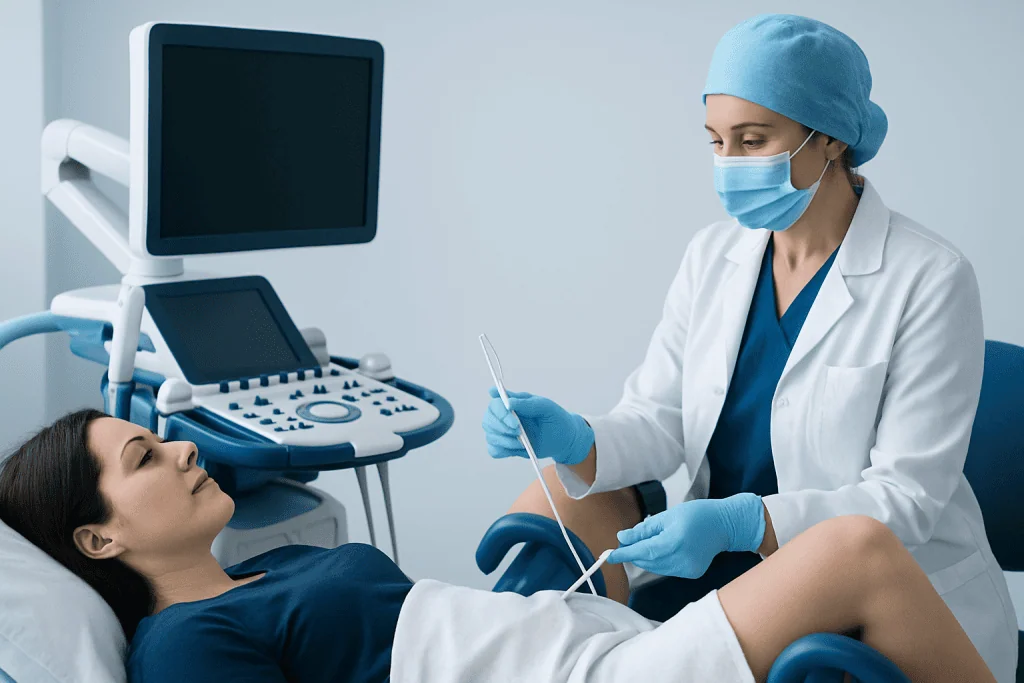
The most common reason for an endometrial biopsy is abnormal uterine bleeding. This can include very heavy periods, bleeding between periods, irregular cycles, bleeding after menopause, or bleeding while taking hormone therapy. In these situations, the biopsy helps determine whether the uterine lining is normal or whether more investigation is needed.
Doctors may also use an endometrial biopsy to look for endometrial hyperplasia, which is an abnormal thickening of the uterine lining, or to check for endometrial cancer. Although many causes of bleeding are benign, examining the tissue sample helps guide safe and appropriate care.
Other reasons may include checking how the lining responds to hormones, investigating fertility-related concerns in selected cases, or following up on imaging findings such as a thickened endometrium seen on ultrasound. When needed, the biopsy may be one part of a wider plan that includes gynecology evaluation and care or further procedures to clarify the diagnosis.
Who May Need It and When It May Not Be Suitable

An endometrial biopsy may be considered for women with symptoms such as abnormal bleeding, especially those over age 45 or those with risk factors for endometrial abnormalities. It may also be recommended for younger women if bleeding is persistent, unexplained, or associated with conditions such as obesity, polycystic ovary syndrome, or long-term unopposed estrogen exposure.
Not everyone is a candidate for this test at every moment. It is generally avoided during pregnancy because passing instruments through the cervix can be unsafe. It may also be postponed if there is an active pelvic infection, severe cervical narrowing, or a bleeding disorder that increases risk.
Before scheduling the procedure, the doctor will review symptoms, menstrual history, medications, past pregnancies, and any possibility of pregnancy. This conversation helps ensure the biopsy is being used at the right time and in the safest way possible.
How to Prepare for an Endometrial Biopsy
Preparation is usually simple, but a few steps can make the experience easier. The doctor may ask about the timing of the menstrual cycle, since this can affect how the results are interpreted. It is important to mention all medicines, including blood thinners, hormone treatments, and over-the-counter pain relievers, because some may need review before the procedure.
A pregnancy test may be needed if there is any chance of pregnancy. Patients should also tell their doctor about allergies, a history of pelvic infection, bleeding problems, or past procedures on the cervix or uterus. These details help the care team plan safely.
Many doctors advise taking an approved pain reliever before the appointment to reduce cramping, but this should only be done according to medical advice. It can also help to wear comfortable clothing and bring a sanitary pad, as light spotting afterward is common. Most people do not need special fasting or a hospital stay.
- Ask whether any medicines should be paused or continued.
- Report possible pregnancy or missed periods.
- Plan for mild cramping and light spotting afterward.
- Bring questions about results and next steps.
What Happens During the Procedure
During an endometrial biopsy, the patient usually lies on an exam table in a position similar to a pelvic exam. A speculum is placed in the vagina so the cervix can be seen. The cervix may be cleaned, and a thin instrument is gently passed through the cervical opening into the uterus.
A narrow suction device or sampling tool is then used to collect a small amount of endometrial tissue. This part may cause cramping that feels similar to menstrual cramps. The sampling itself is brief, although the exact steps can vary slightly depending on the instrument used and the patient’s anatomy.
Once the sample is collected, the instruments are removed and the tissue is sent to the laboratory. Some people feel well enough to return to normal activities the same day. In certain cases, if a biopsy cannot be completed comfortably in the office or if more detailed assessment is needed, the doctor may recommend additional procedures such as hysteroscopy or dilation and curettage.
Results, Risks, and Recovery
Biopsy results are usually reported after a pathologist examines the tissue. Findings may show a normal lining, hormone-related changes, inflammation, polyps, hyperplasia, or cancerous or precancerous cells. The meaning of the result depends on symptoms, age, menstrual status, and other test findings, so the report is best discussed with the treating doctor.
Recovery is often straightforward. Mild cramping and light spotting for a day or two are common. Many people can return to everyday routines soon afterward, though the doctor may advise avoiding tampons, intercourse, or douching for a short period to reduce irritation or infection risk.
Complications are uncommon but can happen. These may include infection, heavier bleeding, faintness, or rarely injury to the uterus or cervix. A doctor should be contacted promptly if there is severe abdominal pain, fever, heavy bleeding, chills, or foul-smelling discharge. If the biopsy does not provide enough tissue or symptoms continue despite a normal result, more testing may still be needed, including assessment for conditions such as endometriosis or other uterine causes of pain or bleeding.
What the Results Can Lead To
The next step after an endometrial biopsy depends on what the tissue shows. If the sample is normal, the doctor may look for other reasons for symptoms, such as hormonal changes, fibroids, polyps, thyroid problems, or medication effects. Sometimes no serious cause is found, but symptoms still need management.
If the biopsy shows hyperplasia, treatment may involve hormone therapy and follow-up monitoring. If cancer or precancerous changes are found, referral to a gynecologic specialist is usually recommended to discuss staging and treatment planning. Imaging and additional procedures may be used to understand the condition fully.
Care is individualized, especially for women who still hope to become pregnant, those who have reached menopause, or those with other medical conditions. Near the end of the diagnostic process, some patients choose centers with multidisciplinary women’s health services. Acibadem International’s specialists in JCI-accredited hospitals diagnose and treat gynecologic conditions for international patients when further care is needed.
When to See a Doctor
A doctor should be consulted for abnormal bleeding that is new, persistent, or concerning. This includes bleeding after menopause, periods that become much heavier than usual, frequent bleeding between periods, or bleeding that causes tiredness, dizziness, or disruption to daily life. Prompt evaluation helps identify whether the cause is harmless or needs treatment.
After an endometrial biopsy, most symptoms are mild and short-lived. However, urgent medical advice is important if there is heavy bleeding, severe cramping that does not improve, fever, chills, fainting, or unusual discharge. These symptoms do not always mean a serious problem, but they should be assessed quickly.
It is also reasonable to follow up if symptoms continue despite a normal biopsy result or if the result is unclear. Ongoing communication with a qualified gynecologist helps ensure that treatment decisions are based on the full clinical picture, not the biopsy result alone.
Frequently asked questions
Is an endometrial biopsy painful?
Many people feel brief cramping during the biopsy, similar to menstrual cramps. The intensity varies from person to person, but the procedure is usually short. A doctor may suggest a pain reliever beforehand to make it more comfortable.
How long does an endometrial biopsy take?
The sampling part of the procedure often takes only a few minutes. The full visit may be longer because of preparation, discussion, and a short rest afterward. Most patients go home the same day.
Can an endometrial biopsy detect cancer?
Yes, it can help detect endometrial cancer or precancerous changes by examining cells from the uterine lining. It is also useful for identifying noncancerous conditions such as hormone-related changes or hyperplasia. Sometimes additional testing is needed if symptoms continue or the sample is limited.
What should be avoided after an endometrial biopsy?
A doctor may advise avoiding tampons, intercourse, and douching for a short time after the procedure. This helps reduce irritation and lowers the chance of infection. Patients should follow the specific instructions given by their care team.
Will there be bleeding after the biopsy?
Light spotting is common after an endometrial biopsy and usually settles quickly. Mild cramping can also happen for a short time. Heavy bleeding is not typical and should be reported to a doctor.
Can an endometrial biopsy be done during pregnancy?
It is generally not done during pregnancy because it may be unsafe. If there is any chance of pregnancy, the doctor should be told before the procedure. A pregnancy test may be recommended when needed.
References
- American College of Obstetricians and Gynecologists
- National Cancer Institute
- Mayo Clinic
- Merck Manual Consumer Version
- Royal College of Obstetricians and Gynaecologists
This article is for general information only and is not a substitute for professional medical advice. Please consult a qualified doctor about your individual situation.
Oncology care in Turkey — second opinion and treatment plan
JCI-accredited · board-certified surgeons · reply within 24h
Add us as a Preferred Source to see more of our trusted health content across Google Search, AI Overviews and Discover.