Endometriosis: Pelvic Pain, Painful Periods, and Treatment Options
Endometriosis can cause painful periods, pelvic pain, pain during sex, bowel or bladder symptoms, fatigue, and difficulty becoming pregnant. Symptoms do not always match the amount of endometriosis seen on imaging or during surgery; even small areas can cause significant pain.
Key Takeaways
- Endometriosis can cause painful periods, pelvic pain, pain during sex, bowel or bladder symptoms, fatigue, and difficulty becoming pregnant.
- Symptoms do not always match the amount of endometriosis seen on imaging or during surgery; even small areas can cause significant pain.
- Diagnosis may involve a detailed history, pelvic examination, ultrasound, MRI in selected cases, and sometimes laparoscopy.
- Treatment options include pain medicines, hormonal therapies, surgery, fertility care, and supportive lifestyle strategies.
- A person should seek medical advice if period pain disrupts daily life, pelvic pain persists, or pregnancy does not occur after trying to conceive.
Endometriosis is a common, long-term condition in which tissue similar to the lining of the uterus grows outside the uterus, often causing pelvic pain, painful periods, and sometimes fertility difficulties. With the right diagnosis and an individualized treatment plan, many people can reduce symptoms and improve quality of life.
Overview
Endometriosis is a chronic gynecological condition in which tissue similar to the endometrium, the lining inside the uterus, grows in places where it should not be. These areas of endometriosis may be found on the ovaries, fallopian tubes, pelvic lining, bowel, bladder, or tissues behind the uterus. Like the uterine lining, endometriosis tissue can respond to monthly hormonal changes, leading to inflammation, irritation, and scar tissue.
The condition can affect teenagers and adults of reproductive age, although symptoms may begin soon after the first menstrual periods. Some people have severe symptoms, while others have few or none. The amount of endometriosis seen does not always predict pain intensity; a small amount of disease can still cause significant discomfort, and extensive disease may sometimes be relatively quiet.
Endometriosis is not cancer, and it is not an infection. It is a medical condition that deserves proper evaluation, especially when pain interferes with school, work, relationships, exercise, sleep, or emotional well-being. Although it can be long-lasting, a combination of medical care, self-care, and follow-up can help many people manage symptoms effectively.
Symptoms
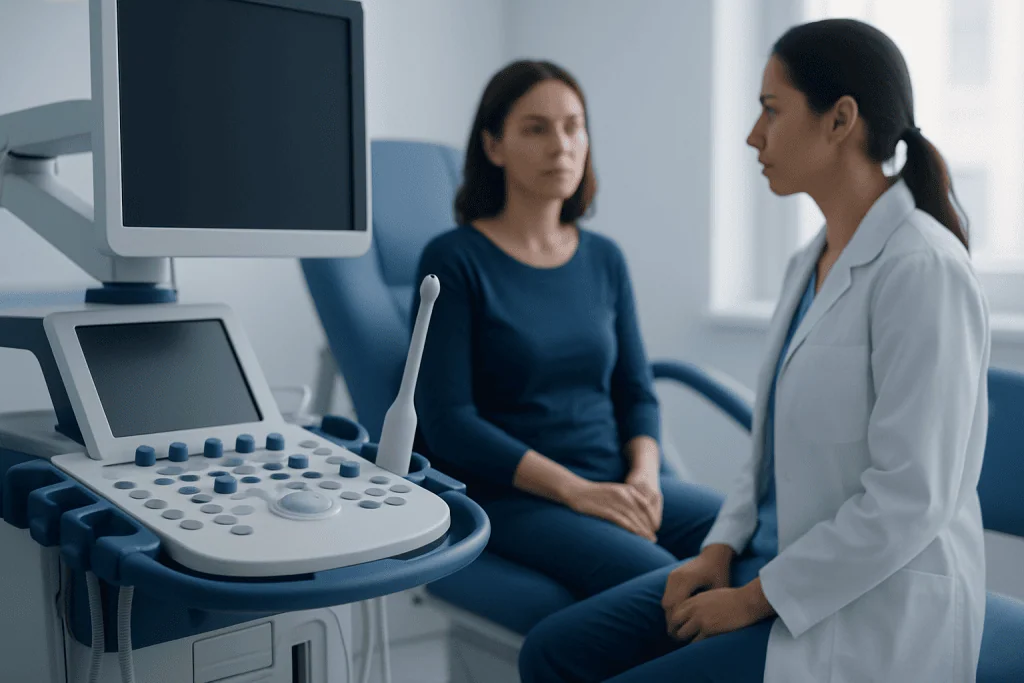
The most recognized symptom of endometriosis is painful periods, also called dysmenorrhea. Period pain may start before bleeding begins and continue for several days. It may feel like cramping, burning, stabbing, or deep pelvic pressure. Pain that causes missed school or work, vomiting, faintness, or a need to stay in bed should not be dismissed as a normal part of menstruation.
Endometriosis can also cause chronic pelvic pain that occurs outside the menstrual period. Some people notice pain during or after sexual intercourse, especially deep pelvic pain. Others have bowel symptoms such as pain with bowel movements, bloating, diarrhea, constipation, or rectal discomfort, particularly around menstruation. Bladder-related symptoms, including pain when urinating or frequent urination during periods, can also occur.
Other possible symptoms include heavy or irregular menstrual bleeding, lower back pain, fatigue, nausea, and difficulty becoming pregnant. Because these symptoms can overlap with irritable bowel syndrome, urinary conditions, pelvic inflammatory disease, ovarian cysts, fibroids, or adenomyosis, medical assessment is important. A symptom diary that tracks pain, bleeding, bowel and bladder changes, medications used, and menstrual dates can help the doctor identify patterns.
Causes and Risk Factors
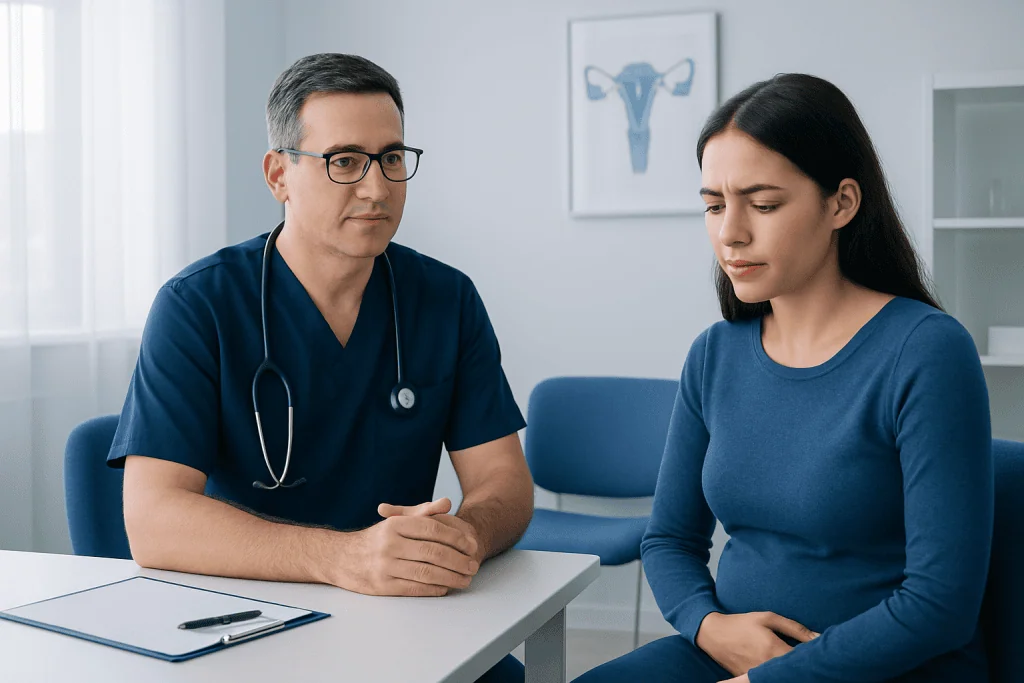
The exact cause of endometriosis is not fully understood, and it is likely to involve several mechanisms. One theory is retrograde menstruation, in which menstrual blood flows backward through the fallopian tubes into the pelvis. However, many people experience retrograde menstruation without developing endometriosis, so immune, genetic, inflammatory, and hormonal factors are also thought to play roles.
Endometriosis is influenced by estrogen, a hormone involved in the menstrual cycle. This does not mean estrogen is harmful; it simply helps explain why symptoms often occur during reproductive years and may improve after menopause unless hormone therapy or other factors are involved. Research also suggests that some endometriosis tissue can create a local inflammatory environment, contributing to pain and scarring.
Risk may be higher in people with a family history of endometriosis, periods that began at an early age, shorter menstrual cycles, longer or heavier periods, or certain structural factors that affect menstrual flow. Having endometriosis is not caused by personal choices, stress, or poor hygiene. Lifestyle habits may influence overall inflammation, energy, and pain coping, but they do not replace medical evaluation or treatment.
Diagnosis
Diagnosis begins with listening carefully to symptoms. A healthcare professional may ask about the timing and severity of pain, menstrual bleeding, bowel and bladder symptoms, sexual pain, previous pregnancies, fertility goals, family history, and medications. A pelvic examination may be offered, although it can be normal even when endometriosis is present. In adolescents or people who are not comfortable with an internal examination, alternative approaches can be discussed.
Pelvic ultrasound is often used to assess the uterus and ovaries and may detect ovarian endometriomas, sometimes called chocolate cysts. Ultrasound can also help identify other causes of pelvic pain, such as ovarian cysts or fibroids. MRI may be recommended when deep endometriosis is suspected, when surgery is being planned, or when ultrasound findings need further clarification.
Laparoscopy, a minimally invasive surgical procedure using a small camera, can directly visualize endometriosis and allow tissue biopsy or treatment at the same time. It has traditionally been considered the definitive way to confirm the diagnosis, but many guidelines now support starting treatment based on symptoms and imaging when appropriate. The best diagnostic pathway depends on symptom severity, age, examination findings, response to treatment, fertility plans, and personal preferences.
Treatment Options
Endometriosis treatment is individualized. The goals may include reducing pain, improving daily function, limiting disease progression, treating ovarian cysts or deep lesions, and supporting fertility when pregnancy is desired. There is no single treatment that is best for everyone, and plans may change over time as symptoms, side effects, and life plans change.
Pain relief may include nonsteroidal anti-inflammatory drugs or other pain medicines recommended by a doctor. Hormonal treatments can reduce or suppress menstrual cycling and may include combined hormonal contraceptives, progestin-only pills, hormonal intrauterine systems, injections, implants, or other specialist-prescribed medicines that reduce estrogen stimulation. These therapies may help pain but do not suit everyone, especially people trying to conceive.
Surgery may be considered when pain is severe, imaging shows an endometrioma or deep disease, symptoms do not improve with medical treatment, or fertility evaluation suggests a benefit. During laparoscopy, a surgeon may remove or destroy endometriosis lesions, release adhesions, and treat ovarian endometriomas when appropriate. Surgery should ideally be planned by a team experienced in endometriosis, especially when the bowel, bladder, ureters, or deep pelvic structures may be involved.
For people who want to become pregnant, treatment decisions are different. Hormonal suppression prevents pregnancy while it is being used, so fertility-focused care may involve timed conception, surgery in selected cases, ovarian reserve assessment, or assisted reproductive techniques such as in vitro fertilization. A gynecologist or fertility specialist can help balance pain control, ovarian health, surgical risks, and reproductive goals.
Prevention and Self-Care
There is no proven way to completely prevent endometriosis. However, symptom management and overall well-being can often be supported with practical self-care strategies. Heat therapy, gentle movement, stretching, relaxation exercises, adequate sleep, and pacing activities during painful days may help some people. Pelvic floor physiotherapy may be useful when pain leads to muscle tightness, painful intercourse, or bladder and bowel discomfort.
Nutrition cannot cure endometriosis, but balanced eating may support energy, digestion, and general health. Some people find that limiting personal trigger foods, staying hydrated, and increasing fiber helps bowel symptoms, while others benefit from guidance from a dietitian, especially if symptoms resemble irritable bowel syndrome. Supplements and herbal products should be discussed with a healthcare professional because they can interact with medicines or be unsafe in pregnancy.
Emotional support is also important. Chronic pelvic pain can affect mood, relationships, body image, and confidence. Counseling, pain education, support groups, and open communication with trusted people can reduce isolation and help individuals advocate for care. Keeping copies of imaging reports, surgery notes, and medication history can make ongoing care more coordinated.
When to See a Doctor
A person should seek medical advice if period pain regularly disrupts daily life, pelvic pain occurs outside menstruation, sex is painful, bowel or bladder symptoms worsen around periods, or pain medicine is needed frequently. Medical evaluation is also recommended for heavy bleeding, bleeding between periods, pain with fever, sudden severe pelvic pain, or a positive pregnancy test with pelvic pain, as these may need urgent assessment for other conditions.
People trying to conceive should consider medical advice if pregnancy does not occur after a reasonable period of trying, or sooner if there is known endometriosis, irregular cycles, previous pelvic surgery, or increasing pain. Early assessment can help identify options and avoid delays, particularly when age, ovarian reserve, or male-factor fertility concerns may be relevant.
Endometriosis care is often most effective when it is multidisciplinary, involving gynecology, radiology, pain medicine, fertility care, physiotherapy, gastroenterology, urology, or psychology as needed. Acibadem International’s multidisciplinary specialists and JCI-accredited hospitals diagnose and treat endometriosis for international patients, with care plans tailored to medical findings and personal goals. Anyone with symptoms should consult a qualified healthcare professional for individualized advice.
Frequently asked questions
Is severe period pain normal?
Mild cramps can be common, but severe pain that limits daily activities is not something to ignore. Pain that causes missed school or work, vomiting, fainting, or repeated need for strong pain relief should be assessed by a healthcare professional. Endometriosis is one possible cause, but other conditions can also lead to significant menstrual pain.
Can endometriosis be seen on ultrasound?
Ultrasound can identify some signs of endometriosis, especially ovarian endometriomas and certain deep pelvic changes when performed by experienced clinicians. However, a normal ultrasound does not rule out endometriosis. Diagnosis may still be based on symptoms, examination, MRI in selected cases, response to treatment, or laparoscopy.
Does endometriosis always cause infertility?
No. Many people with endometriosis become pregnant naturally. Endometriosis can make conception more difficult for some by affecting inflammation, pelvic anatomy, ovarian cysts, egg quality, or fallopian tube function. A fertility specialist can recommend evaluation and options based on age, symptoms, ovarian reserve, partner factors, and previous treatment.
Can endometriosis be cured?
Endometriosis is usually considered a chronic condition rather than one with a guaranteed permanent cure. Treatments can reduce symptoms, remove visible disease, improve function, and support fertility, but symptoms may return in some people. Long-term follow-up helps adjust treatment as needs change.
What happens if endometriosis is left untreated?
The course of endometriosis varies. Some people have stable symptoms, while others develop worsening pain, adhesions, ovarian endometriomas, or fertility concerns. Treatment is not always urgent for every person, but persistent or disruptive symptoms should be evaluated so that options can be discussed early.
Is surgery always needed for endometriosis?
No. Many people start with pain management and hormonal treatment, especially when symptoms and imaging support the diagnosis. Surgery may be recommended for severe symptoms, endometriomas, deep disease, uncertain diagnosis, fertility-related reasons, or lack of improvement with medical therapy. The decision should be individualized after discussing benefits and risks.
References
- World Health Organization
- European Society of Human Reproduction and Embryology
- American College of Obstetricians and Gynecologists
- National Institute for Health and Care Excellence
- Mayo Clinic
This article is for general information only and is not a substitute for professional medical advice. Please consult a qualified doctor about your individual situation.
Endometriosis in Turkey — costs, top hospitals & a free quote
JCI-accredited · board-certified surgeons · reply within 24h
Add us as a Preferred Source to see more of our trusted health content across Google Search, AI Overviews and Discover.

Gynecology & Obstetrics
Women’s health across pregnancy, gynecologic surgery and high-risk pregnancy care.
187 specialists in this unit