Energy Drinks: What Patients Need to Know
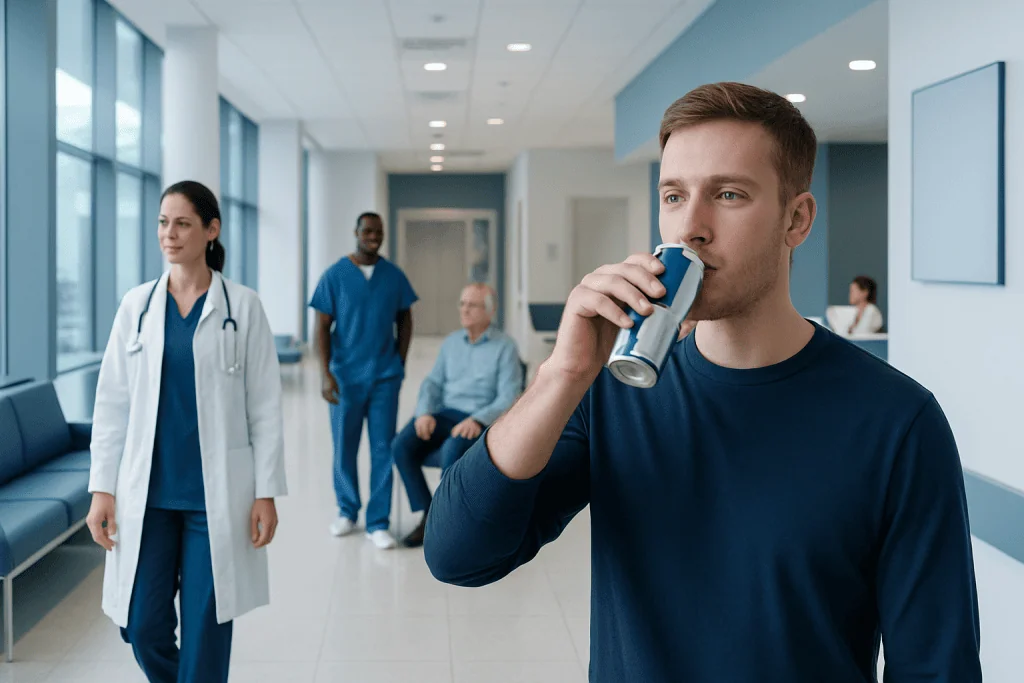
Energy drinks usually contain caffeine plus other stimulants, sugars, or sweeteners. They may temporarily improve alertness, but the effect is often followed by fatigue, sleep disruption, or feeling unwell.
Key Takeaways
- Energy drinks usually contain caffeine plus other stimulants, sugars, or sweeteners.
- They may temporarily improve alertness, but the effect is often followed by fatigue, sleep disruption, or feeling unwell.
- Children, teenagers, pregnant people, and anyone with heart rhythm problems, high blood pressure, anxiety, or sleep disorders should be especially cautious.
- Mixing energy drinks with alcohol, intense exercise, or other stimulants increases health risks.
- Chest pain, fainting, severe palpitations, seizures, or persistent vomiting after an energy drink need prompt medical attention.
Energy drinks may provide short-term alertness, but they can also cause unwanted effects such as jitters, poor sleep, dehydration, and a fast heartbeat, especially when used often or in large amounts. Understanding what is in these products and who should be cautious can help patients make safer choices.
Overview: What energy drinks do in the body
Energy drinks are beverages designed to increase alertness and reduce the feeling of tiredness for a short time. Most work mainly because they contain caffeine, often combined with ingredients such as taurine, guarana, ginseng, B vitamins, sugar, or artificial sweeteners. While many healthy adults can tolerate small amounts, these drinks are not risk-free, especially when they are consumed quickly, in large amounts, or by people with certain medical conditions.
The main effect of energy drinks is stimulation of the nervous system. This can make a person feel more awake, focused, or physically energized for a few hours. At the same time, stimulation can also raise heart rate, increase blood pressure, trigger shakiness, worsen anxiety, upset the stomach, and interfere with sleep. The later a person drinks them in the day, the more likely sleep will be affected.
One reason patients become confused about energy drinks is that they are sold as beverages rather than medications. Even so, their effects can be strong. Labels may not always make it easy to judge the total stimulant content, and some products contain more than one serving per container. This means someone may take in much more caffeine than expected.
What is in energy drinks, and why it matters

Caffeine is the best-known ingredient in energy drinks and the one most responsible for their immediate effects. It blocks signals in the brain that promote sleepiness, which is why it can improve alertness for a time. However, the amount of caffeine varies widely from product to product, and people differ in how sensitive they are to it.
Many energy drinks also include ingredients such as guarana, which naturally contains caffeine, and taurine, an amino acid often marketed for performance. B vitamins are common as well, although they do not create energy in the same way stimulants do. Sugar is another key ingredient in many products. It may produce a rapid rise in blood glucose and then a later drop, which can contribute to an energy “crash” in some people.
Because formulas differ, two drinks that look similar may affect the body very differently. A person may also unknowingly combine caffeine from several sources in one day, such as coffee, tea, pre-workout products, soda, chocolate, or certain medications. Reading labels and counting total caffeine intake can help reduce unpleasant side effects.
- Common ingredients: caffeine, sugar, taurine, guarana, ginseng, B vitamins
- Possible immediate effects: alertness, reduced tiredness, faster heart rate, shakiness
- Less obvious concern: a single can or bottle may contain multiple servings
Possible side effects and health risks

Energy drink side effects can range from mild to more serious. Common short-term effects include jitteriness, restlessness, headache, stomach upset, nausea, sweating, tremor, and trouble sleeping. Some people notice a pounding heartbeat or palpitations. Others feel irritable or anxious, especially if they are sensitive to caffeine or already under stress.
Energy drinks can be more concerning for people with underlying heart or blood pressure conditions. Stimulants may raise blood pressure and can trigger abnormal heart rhythms in susceptible individuals. Patients who have a history of fainting, chest pain, heart rhythm problems, or known heart disease should be particularly careful. Concerns may be greater for people who already live with arrhythmia or high blood pressure.
Other risks are easy to overlook. A late-afternoon or evening energy drink can disturb sleep quality and shorten total sleep time. Poor sleep can then increase dependence on more caffeine the next day. Some drinks are also high in sugar, which may be a concern for dental health, weight management, and blood sugar control. In people with anxiety, panic symptoms, or migraine triggers, stimulant beverages may make symptoms worse.
Rarely, severe reactions can occur, especially with very high intake, use alongside stimulant medications or recreational drugs, or intense physical exertion. These situations may increase the risk of dehydration, overheating, significant palpitations, severe agitation, or other urgent symptoms. A safer approach is to treat energy drinks as potent stimulant products rather than casual refreshments.
Who should be especially cautious
Not everyone responds to energy drinks in the same way. Children and teenagers are generally advised to avoid them because stimulant effects may be stronger in smaller bodies, and sleep disruption can affect learning, mood, and development. Pregnant or breastfeeding patients should also be cautious and discuss caffeine intake with a qualified clinician.
People with certain medical conditions may be more vulnerable to side effects. This includes those with high blood pressure, heart rhythm disorders, structural heart disease, anxiety disorders, panic attacks, epilepsy, sleep disorders, acid reflux, and migraine. Patients with diabetes or prediabetes may want to check labels carefully, because some drinks contain large amounts of sugar.
Anyone who takes medications or supplements that stimulate the nervous system should be careful as well. Combining energy drinks with decongestants, stimulant medicines, pre-workout powders, or other high-caffeine products can magnify side effects. Alcohol is another important concern because it can mask the feeling of intoxication and lead a person to drink more than they realize.
If a patient has a history of heart symptoms, discussion with a doctor may be reasonable before regular use. In some cases, a clinician may recommend evaluation, especially if a person experiences repeated palpitations or dizziness and may benefit from cardiology assessment.
A practical approach: how to use them more safely
For people who choose to drink energy drinks, moderation is the key principle. It helps to use the smallest amount needed, avoid drinking them quickly, and avoid taking them late in the day. Checking the serving size and total caffeine per container is important, since one bottle or can may contain more than expected. Keeping track of all caffeine sources across the day can prevent accidental overuse.
Energy drinks should not replace sleep, regular meals, hydration, or management of an underlying health issue. If a person relies on them often to function, it may be a sign of sleep deprivation, poor nutrition, stress, a demanding schedule, or another medical problem. Persistent fatigue should not be ignored. In some situations, a doctor may look for causes such as anemia, thyroid disease, sleep apnea, or poor sleep habits.
Patients can lower risks by avoiding energy drinks before strenuous exercise, while ill with vomiting or diarrhea, or during periods of dehydration. It is also wise not to combine them with alcohol or stimulant supplements. People who notice repeated headaches, tremor, anxiety, or poor sleep after use may do better with less caffeine or with non-caffeinated strategies for alertness.
- Read the label and note total caffeine per container
- Avoid using them close to bedtime
- Do not mix with alcohol or other stimulants
- Choose water, food, and rest as the main tools for energy recovery
Healthier ways to improve energy and concentration
When low energy is frequent, lifestyle changes usually help more than stimulants alone. Regular sleep is one of the most effective ways to improve concentration, reaction time, and mood. Going to bed and waking up at similar times each day, limiting screen exposure late at night, and making the bedroom quiet and dark can support better sleep quality.
Nutrition also matters. Eating balanced meals that include protein, fiber, and fluids can support steadier energy across the day. Skipping meals may leave a person feeling weak or foggy, and then more likely to reach for caffeine or sugar. Gentle activity, daylight exposure, and short movement breaks can also improve alertness naturally.
If symptoms such as loud snoring, morning headaches, daytime sleepiness, or frequent awakenings are present, sleep-related conditions may need attention. In selected cases, a clinician may recommend further evaluation through sleep testing. For patients whose tiredness is linked to stress, anxiety, or mood symptoms, medical guidance can also help identify a more effective long-term plan than repeated stimulant use.
When to seek medical care
Most mild energy drink side effects improve by stopping use, resting, and drinking water. However, some symptoms should not be ignored. Prompt medical attention is important if a person has chest pain, severe shortness of breath, fainting, a seizure, confusion, severe agitation, or a very rapid or irregular heartbeat after an energy drink. Persistent vomiting or signs of severe dehydration also need medical review.
Patients should also contact a doctor if they repeatedly experience palpitations, significant anxiety, headaches, insomnia, or high blood pressure after using these products. A medical review can help determine whether the symptoms are related to caffeine, another ingredient, medication interactions, or an underlying health condition.
If symptoms suggest a cardiovascular problem, a clinician may recommend further testing such as an ECG to check heart rhythm and electrical activity. For international patients who need coordinated evaluation, Acibadem International’s multidisciplinary specialists and JCI-accredited hospitals diagnose and treat a wide range of heart, sleep, and general health concerns.
Frequently asked questions
Are energy drinks bad for everyone?
Not necessarily, but they are not a good choice for everyone. Healthy adults may tolerate small amounts, while children, teenagers, pregnant people, and patients with heart, blood pressure, anxiety, seizure, or sleep problems may face higher risks.
How are energy drinks different from coffee?
Both often contain caffeine, but energy drinks may also include added sugar and other stimulant-like ingredients such as guarana. Their caffeine content can vary widely, and some products are easier to consume quickly, which may increase side effects.
Can energy drinks cause heart palpitations?
Yes. Caffeine and other stimulants can increase heart rate and may trigger palpitations, especially in sensitive people or those with an underlying rhythm problem. Recurrent palpitations should be discussed with a doctor.
Is it safe to drink energy drinks before exercise?
This may increase risk in some people, especially during intense activity, hot weather, or dehydration. Stimulants can raise heart rate and blood pressure, so caution is important and some people should avoid this combination altogether.
Why do energy drinks sometimes make people more tired later?
The initial stimulant effect can wear off after a few hours, and poor sleep or a rapid rise and fall in blood sugar may contribute to an energy crash. If this cycle happens often, relying on energy drinks can make fatigue harder to manage.
Can energy drinks affect sleep even if taken earlier in the day?
Yes. Caffeine can stay in the body for hours, so even an afternoon drink may delay sleep or reduce sleep quality in some people. This effect is more likely in people who are sensitive to caffeine.
References
- World Health Organization
- U.S. Food and Drug Administration
- American Academy of Pediatrics
- American Heart Association
- National Institutes of Health
This article is for general information only and is not a substitute for professional medical advice. Please consult a qualified doctor about your individual situation.
Explore treatments in Turkey — costs, top hospitals & a free quote
JCI-accredited · board-certified surgeons · reply within 24h
Add us as a Preferred Source to see more of our trusted health content across Google Search, AI Overviews and Discover.
Check your numbers in seconds
BMI, calories, due date, blood pressure and 30+ more clinical calculators — free, instant, doctor-reviewed ranges.