Erectile Dysfunction: Causes, Tests, and Treatment Options

Erectile dysfunction means repeated difficulty getting or keeping an erection firm enough for satisfying sexual activity. ED may be linked to blood vessel health, diabetes, hormonal changes, nerve problems, stress, anxiety, medications, or lifestyle factors.
Key Takeaways
- Erectile dysfunction means repeated difficulty getting or keeping an erection firm enough for satisfying sexual activity.
- ED may be linked to blood vessel health, diabetes, hormonal changes, nerve problems, stress, anxiety, medications, or lifestyle factors.
- Diagnosis usually includes a medical and sexual history, physical examination, and selected blood or urine tests.
- Treatment may involve lifestyle changes, counseling, oral medicines, vacuum devices, injections, hormonal treatment when appropriate, or penile implants.
- Because ED can sometimes be an early sign of cardiovascular or metabolic disease, a medical check-up is important.
Erectile dysfunction is common and treatable, and it can affect men at different ages for physical, psychological, or medication-related reasons. A careful medical assessment can identify underlying causes and guide safe treatment options.
Overview
Erectile dysfunction, often called ED, is the persistent or recurrent difficulty in achieving or maintaining an erection firm enough for satisfactory sexual activity. Occasional erection difficulty can happen to many men, especially during periods of fatigue, stress, illness, or relationship strain. ED is usually considered a medical concern when the problem continues, causes distress, or affects quality of life.
An erection is a coordinated process involving blood vessels, nerves, hormones, muscles, and emotional arousal. When sexual stimulation occurs, signals from the brain and nerves help increase blood flow into the penis. The blood is trapped within erectile tissue long enough to create firmness. If any part of this process is disrupted, ED may occur.
ED is not a reflection of masculinity or personal worth. It is a health condition with many possible causes, and many men improve with appropriate evaluation and treatment. In some cases, erectile dysfunction is also an early clue to conditions such as high blood pressure, diabetes, high cholesterol, or cardiovascular disease, making medical assessment useful beyond sexual health alone.
Symptoms
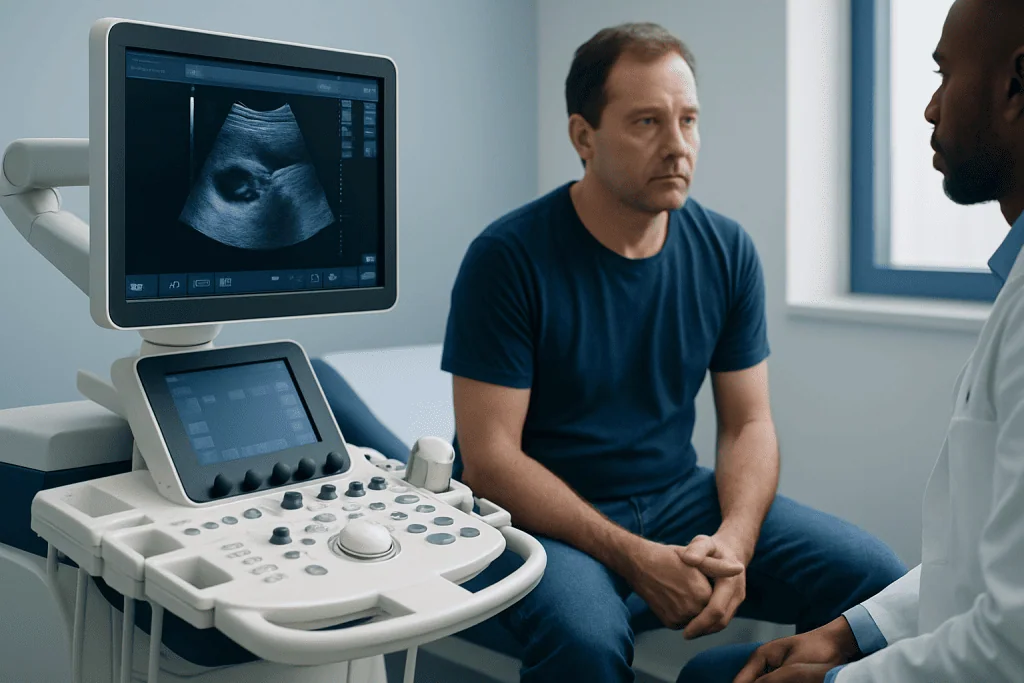
The main symptom of erectile dysfunction is repeated difficulty getting or keeping an erection. Some men can achieve an erection but lose it before or during intercourse. Others notice reduced firmness, reduced confidence in erections, or a change in the reliability of erections over time.
ED can appear suddenly or gradually. A sudden onset may be more likely with stress, anxiety, relationship concerns, a new medication, or an acute health event. A gradual onset may suggest vascular, hormonal, nerve-related, or metabolic causes, although each person needs individual evaluation.
Symptoms that may occur alongside ED include reduced sexual desire, difficulty with ejaculation, changes in orgasm, fatigue, low mood, or relationship tension. These symptoms do not always share the same cause, but discussing them with a clinician helps create a complete picture and a more effective treatment plan.
Causes & Risk Factors

Erectile dysfunction has many possible causes, and more than one factor is often involved. Physical causes are common, particularly conditions that affect blood flow to the penis. These include high blood pressure, atherosclerosis, diabetes, high cholesterol, obesity, smoking-related vascular disease, and heart disease. Because penile blood vessels are small, erection changes may sometimes appear before other symptoms of vascular disease.
Nerve and hormonal factors can also contribute. ED may occur after pelvic surgery, prostate cancer treatment, spinal cord injury, multiple sclerosis, or neuropathy related to diabetes. Low testosterone can reduce libido and may contribute to erection difficulties in some men, although ED is not always caused by testosterone levels. Thyroid disease, pituitary disorders, and certain chronic illnesses can also affect sexual function.
Psychological and relationship factors are important and very common. Stress, performance anxiety, depression, past sexual trauma, relationship conflict, and worries about fertility or aging can influence arousal and erections. A physical cause and anxiety can reinforce each other; for example, one episode of erection difficulty may lead to fear of recurrence, which then worsens the problem.
Some medicines and substances may increase the risk of ED. Examples include certain blood pressure medicines, antidepressants, antipsychotics, hormonal treatments, opioid pain medicines, and some prostate medications. Alcohol overuse, tobacco, recreational drugs, lack of physical activity, poor sleep, and untreated sleep apnea may also contribute. Men should not stop prescribed medicines on their own; a doctor can review options safely.
Diagnosis and Tests
Diagnosis begins with a confidential medical conversation. A doctor may ask when the problem started, whether erections occur during sleep or on waking, how often ED happens, whether sexual desire has changed, and whether there is pain, curvature, ejaculation difficulty, or urinary symptoms. Questions about medical conditions, surgeries, medicines, alcohol, tobacco, mood, and relationship factors help identify likely causes.
A physical examination may include checking blood pressure, heart and circulation signs, body weight, genital examination, testicular size, penile plaques or curvature, and signs of hormonal imbalance. Depending on the situation, the doctor may also assess pulses, nerve sensation, or prostate-related concerns. The examination is usually brief and focused on finding treatable contributors.
Common tests may include blood glucose or HbA1c for diabetes, lipid profile for cholesterol, kidney and liver function tests, complete blood count, and hormone tests such as morning testosterone when symptoms suggest deficiency. Urine testing may be used to look for diabetes, kidney issues, or infection. If cardiovascular risk is suspected, further heart assessment may be recommended before starting sexual activity or certain ED medicines.
Specialized tests are not needed for every man, but they may be helpful in selected cases. Penile Doppler ultrasound can assess blood flow after a medication-induced erection. Nocturnal erection testing may help distinguish physical from psychological patterns. Men with Peyronie’s disease, complex surgical history, significant trauma, or treatment-resistant ED may be referred to a urologist or men’s health specialist.
Treatment Options
Treatment depends on the cause, the man’s overall health, preferences, and partner considerations. The first step is often addressing modifiable risk factors and underlying conditions, such as diabetes, high blood pressure, high cholesterol, smoking, excess alcohol use, or sleep problems. Improving vascular and metabolic health can support erections and general wellbeing.
Oral medications called phosphodiesterase type 5 inhibitors, or PDE5 inhibitors, are commonly used for ED. They help increase blood flow to the penis during sexual stimulation. These medicines are not suitable for everyone, especially men taking nitrate medications for chest pain or certain heart conditions, and they should be prescribed after medical review. Side effects and drug interactions should be discussed with a qualified doctor.
Other treatment options may be appropriate when tablets are ineffective, contraindicated, or not preferred. These include vacuum erection devices, medicated urethral suppositories, and penile injection therapy. Men with confirmed testosterone deficiency may benefit from hormone treatment, but only when tests and symptoms support that diagnosis and after discussing risks and monitoring needs.
Psychosexual counseling, cognitive behavioral therapy, or couples therapy can be helpful when anxiety, depression, relationship strain, or performance concerns are involved. For men with severe ED that does not respond to other treatments, penile implant surgery may be considered. A urologist can explain the types of implants, benefits, limitations, recovery, and possible complications so the decision is well informed.
Prevention and Self-care
Self-care cannot prevent every case of erectile dysfunction, but healthy daily habits can reduce risk and support treatment. Regular physical activity, a balanced diet, weight management, and not smoking are especially important because erections depend on healthy blood vessels. Men with diabetes, hypertension, or high cholesterol should follow their treatment plans and attend regular check-ups.
Sleep and stress management also matter. Poor sleep, shift work fatigue, and untreated sleep apnea can affect hormones, energy, mood, and sexual function. Relaxation techniques, realistic expectations, open communication with a partner, and reducing performance pressure may help break the cycle of anxiety and ED.
- Limit alcohol and avoid recreational drugs, which can impair erections and sexual response.
- Review medicines with a doctor if ED starts after a new prescription.
- Keep physically active, aiming for sustainable habits rather than short-term changes.
- Seek support for depression, anxiety, or relationship stress when needed.
- Avoid buying unregulated sexual enhancement products, as they may contain unsafe or hidden ingredients.
Men should be cautious with online ED treatments that do not include proper medical screening. Erectile dysfunction medicines can interact with heart medications and may be unsafe in certain conditions. A confidential consultation with a licensed clinician is the safest way to choose treatment.
When to See a Doctor
A man should consider seeing a doctor if erection difficulties last for several weeks, recur often, cause distress, or affect intimacy. Medical advice is also important if ED appears after starting a new medication, after pelvic surgery or injury, or alongside low libido, breast enlargement, testicular changes, penile pain, curvature, or urinary symptoms.
Prompt assessment is advisable if ED occurs with chest pain, shortness of breath, reduced exercise tolerance, leg pain when walking, or other signs that may suggest cardiovascular disease. Sexual activity places a moderate demand on the heart, and some men may need heart risk evaluation before using ED medicines or resuming sexual activity.
Men may feel embarrassed discussing ED, but clinicians address it routinely and confidentially. Bringing a list of medicines, health conditions, and symptoms can make the visit easier. If the patient has a partner, attending together may help when both people are comfortable with that approach.
For international patients seeking evaluation, Acibadem International offers access to multidisciplinary specialists and JCI-accredited hospitals that diagnose and treat erectile dysfunction and related men’s health conditions. Care should always be individualized after a full medical assessment.
Frequently asked questions
Is erectile dysfunction a normal part of aging?
ED becomes more common with age, but it is not something men simply have to accept. Aging may increase the likelihood of vascular disease, diabetes, medication use, and hormonal changes, all of which can affect erections. Many older men respond well to evaluation and appropriate treatment.
Can stress or anxiety really cause ED?
Yes. Stress, performance anxiety, depression, and relationship strain can interfere with sexual arousal and the nerve signals needed for an erection. Psychological factors can also develop after a physical episode of ED, so treatment may need to address both body and mind.
What tests are usually needed for erectile dysfunction?
Many men need only a medical history, physical examination, and basic blood or urine tests. These may check blood sugar, cholesterol, kidney function, and sometimes testosterone. Specialized tests such as penile Doppler ultrasound are reserved for selected cases.
Are ED pills safe for everyone?
ED medicines can be effective, but they are not safe for every person. Men taking nitrate medications or those with certain heart conditions may need alternative treatments. A doctor should review medical history and current medicines before prescribing them.
Can lifestyle changes improve erectile dysfunction?
Lifestyle changes can improve ED for some men, especially when blood vessel health, weight, smoking, alcohol use, or poor fitness contribute. Regular exercise, a heart-healthy diet, better sleep, and controlling diabetes or blood pressure may support better erections. Some men still need medical treatment as well.
When should a man see a specialist for ED?
A specialist evaluation may be helpful if ED is persistent, occurs after pelvic surgery or injury, is associated with penile curvature or pain, or does not improve with first-line treatment. A urologist can assess blood flow, nerve factors, hormone issues, and advanced treatment options. Men with possible heart symptoms should also receive appropriate cardiovascular assessment.
References
- European Association of Urology
- American Urological Association
- Mayo Clinic
- National Institute of Diabetes and Digestive and Kidney Diseases
- World Health Organization
This article is for general information only and is not a substitute for professional medical advice. Please consult a qualified doctor about your individual situation.
Erectile Dysfunction in Turkey — costs, top hospitals & a free quote
JCI-accredited · board-certified surgeons · reply within 24h
Add us as a Preferred Source to see more of our trusted health content across Google Search, AI Overviews and Discover.
Check your numbers in seconds
BMI, calories, due date, blood pressure and 30+ more clinical calculators — free, instant, doctor-reviewed ranges.

Urology
Treatment of the urinary system and male reproductive health, including robotic and laser procedures.
63 specialists in this unit