Exfoliate — Explained by Medical Evidence, Not Myths

Exfoliation removes surface dead skin cells and can help skin feel smoother and look brighter. Chemical and physical exfoliation work differently, and the best choice depends on skin type and concerns.
Key Takeaways
- Exfoliation removes surface dead skin cells and can help skin feel smoother and look brighter.
- Chemical and physical exfoliation work differently, and the best choice depends on skin type and concerns.
- More exfoliation is not always better; over-exfoliation can damage the skin barrier.
- People with eczema, rosacea, acne, or very sensitive skin may need extra caution and medical guidance.
- Sun protection and moisturizing are important after exfoliating.
To exfoliate is to remove dead skin cells from the skin’s surface, usually with a chemical exfoliant or a gentle physical method. Done correctly, exfoliation can improve skin texture and support routine skin care, but overuse may irritate the skin barrier and worsen some skin conditions.
What does it mean to exfoliate?
To exfoliate means to remove dead skin cells from the outermost layer of the skin. This can happen naturally as part of normal skin renewal, but some people choose to speed up the process with skin care products or tools. When used appropriately, exfoliation may help the skin feel smoother, appear more even, and allow other skin care products to spread more evenly.
Exfoliation is not a requirement for healthy skin, and it is not beneficial in the same way for every person. The skin barrier protects against irritation, infection, and water loss, so aggressive exfoliation can do more harm than good. A medical, evidence-based approach focuses on skin type, symptoms, and any underlying skin condition rather than following trends or myths.
In practice, exfoliation is usually divided into two broad types: physical exfoliation and chemical exfoliation. Physical methods use a textured tool or product to manually lift away surface cells, while chemical methods use ingredients such as alpha hydroxy acids, beta hydroxy acids, or enzymes to loosen the bonds between dead cells.
How exfoliation works on the skin
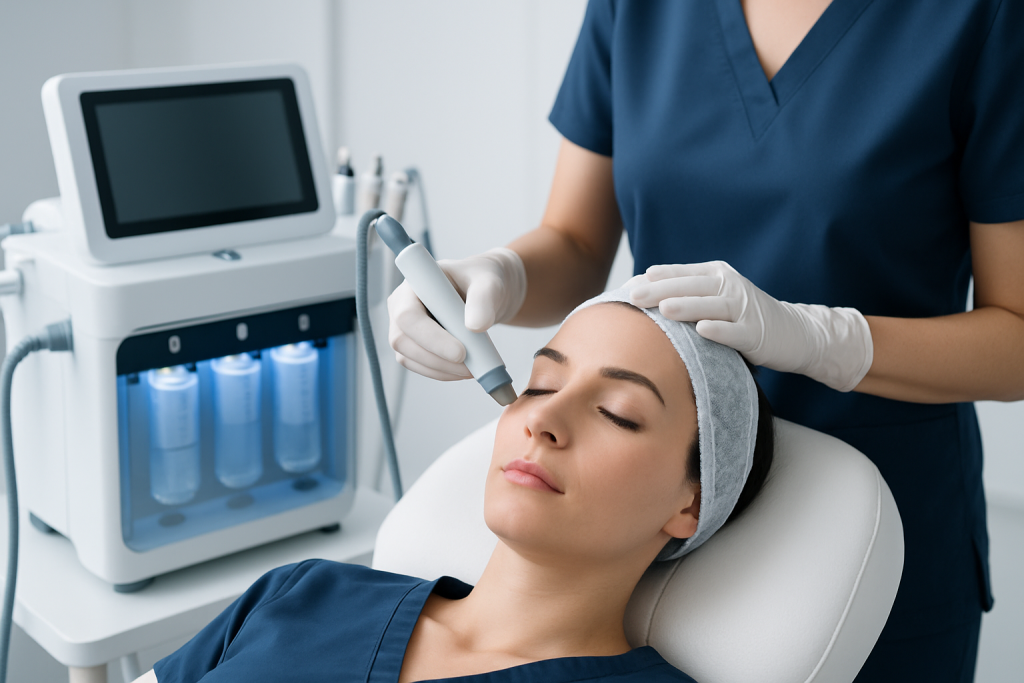
The skin continuously renews itself. New cells form in deeper layers and gradually move upward, where older cells are eventually shed. Exfoliating products do not create this process, but they may help remove some of the outer cells that have accumulated on the surface.
Physical exfoliants work through friction. Examples include soft washcloths, cleansing brushes, and facial scrubs with fine particles. If used too vigorously, these methods may cause tiny surface injuries, redness, or irritation, especially on delicate or inflamed skin.
Chemical exfoliants work by loosening the connections between surface skin cells. Common examples include glycolic acid and lactic acid, which are alpha hydroxy acids, and salicylic acid, a beta hydroxy acid. Enzyme-based products, often derived from fruit enzymes, may offer a gentler option for some people. Each approach has potential benefits and limitations, so the most suitable method depends on how the skin reacts over time.
Exfoliation should be viewed as one part of a broader skin care routine, not as a cure-all. Concerns such as persistent acne, facial redness, scaling, or dark patches may reflect conditions that need professional assessment, including eczema, rosacea, or acne-related inflammation.
Potential benefits and common myths

Appropriate exfoliation may help improve the feel and appearance of the skin. Some people notice smoother texture, less visible flaking, and a brighter appearance when dull surface cells are removed. Exfoliation may also help reduce clogged pores in some cases, especially when salicylic acid is used as part of an acne routine.
However, several common beliefs about exfoliation are misleading. It does not “detox” the skin, permanently shrink pores, or erase deep scars. Pore size is influenced by genetics, age, skin oil production, and sun damage, and exfoliation can only make pores appear less noticeable in some situations by clearing debris from their openings.
Another myth is that stinging, redness, or peeling means a product is working well. In reality, irritation usually means the skin barrier is being stressed. Stronger products and more frequent use do not automatically produce better results. Skin typically responds best to a cautious, consistent routine that is adjusted if dryness, burning, or persistent redness develops.
- Possible benefits: smoother texture, less flaking, brighter appearance, and support for unclogging pores
- Common myths: exfoliation is not a detox, does not permanently change pore size, and should not cause ongoing irritation
- Best results usually come from gentle, regular use rather than harsh scrubbing
Physical vs chemical exfoliation: which is better?
Neither method is universally better. The safer and more effective choice depends on the person’s skin type, sensitivity, age, and skin concerns. For example, a person with oily, congestion-prone skin may tolerate a leave-on chemical exfoliant well, while someone with easily irritated skin may prefer a very mild, infrequent method or may choose not to exfoliate at all.
Physical exfoliation can provide immediate smoothness, but it requires a light touch. Rough scrubs, frequent brushing, or abrasive devices can worsen redness and irritation, particularly in people with rosacea, eczema, or active acne. Scrubbing inflamed breakouts may increase discomfort and can aggravate the surrounding skin.
Chemical exfoliation allows more targeted use. Alpha hydroxy acids are often used to improve surface texture and visible dryness, while salicylic acid may be useful when clogged pores are a concern. People exploring treatment for acne may also learn about options such as acne treatment when over-the-counter skin care is not enough. Those with a history of irritation, darker skin tones with a tendency toward post-inflammatory hyperpigmentation, or active skin disease may benefit from a dermatologist’s guidance before starting stronger exfoliating products.
In medical skin care, the goal is not to choose the trendiest method, but the one with the lowest risk and the clearest benefit for that individual. If signs of barrier damage appear, reducing frequency or stopping the product is often more important than switching to another exfoliant immediately.
How often to exfoliate and how to do it safely
How often a person should exfoliate depends on skin tolerance, the type of exfoliant, and what other products are already being used. Many people do well with occasional exfoliation rather than daily use. Starting slowly, such as once weekly, may help reveal whether the skin can tolerate the product before increasing frequency.
A simple approach is to introduce only one new exfoliating product at a time. It should be applied exactly as directed, with attention to areas that are easily irritated, such as around the eyes, corners of the nose, or skin that is already cracked or inflamed. Moisturizer can help support the skin barrier afterward, and sunscreen is especially important because some exfoliants can increase sun sensitivity.
It is generally wise to avoid combining multiple strong active ingredients all at once unless a clinician has advised it. For example, exfoliants used together with retinoids, benzoyl peroxide, or prescription acne products may raise the risk of dryness and irritation. People considering more intensive skin resurfacing approaches may hear about chemical peel procedures, which should be selected and supervised by qualified professionals when appropriate.
- Start slowly and patch-test new products when possible
- Do not exfoliate skin that is sunburned, cut, infected, or actively inflamed
- Use moisturizer and broad-spectrum sunscreen regularly
- Reduce frequency if burning, tightness, peeling, or prolonged redness occurs
Who should be cautious with exfoliation?
Some people are more likely to develop irritation from exfoliating products. This includes those with sensitive skin, a damaged skin barrier, eczema, rosacea, psoriasis, active acne inflammation, or recent cosmetic procedures. In these situations, even products marketed as gentle may cause discomfort or worsen symptoms.
Exfoliation can also be more complicated in people with darker skin tones who are prone to post-inflammatory hyperpigmentation. Inflammation from over-exfoliation may leave dark marks that last longer than the original skin concern. For this reason, careful product selection and gradual use are important.
People using prescription skin treatments should be especially cautious. Certain medicines, including topical retinoids or acne therapies, may already speed cell turnover or dry the skin. Adding exfoliants on top of these treatments without guidance can increase irritation. If there is uncertainty, a dermatologist can help decide whether exfoliation fits safely into the routine or whether another approach, including dermatology consultation, would be more helpful.
Individuals with persistent redness, itching, scaling, painful breakouts, or recurrent rashes should avoid self-treating repeatedly with stronger exfoliants. Symptoms like these may point to an underlying skin disorder rather than a simple buildup of dead skin cells.
When to seek medical care
Medical advice is appropriate when skin concerns are persistent, painful, spreading, or not improving with gentle self-care. Examples include severe acne, frequent facial flushing, cracked or oozing skin, widespread rash, or dark marks that continue to worsen after irritation. A doctor can help determine whether symptoms are related to product overuse, allergy, infection, or a separate skin condition.
People should also seek care if exfoliation causes strong burning, swelling, blistering, or prolonged redness. These signs may suggest significant irritation or an adverse reaction. Stopping the product and getting professional advice is safer than trying to correct the problem with more active skin care.
For patients who need specialist assessment, Acibadem International’s multidisciplinary specialists in JCI-accredited hospitals diagnose and treat skin conditions for international patients. This can be helpful when symptoms overlap with chronic inflammatory conditions or when office-based procedures are being considered.
Building a balanced skin routine
Exfoliation works best when it is part of a simple, balanced routine rather than the main focus. Most routines benefit from a gentle cleanser, a moisturizer suited to the skin type, and daily sun protection. If exfoliation is added, it should complement these basics instead of replacing them.
A useful way to think about exfoliation is that healthy skin usually needs support more than force. Skin that feels calm, comfortable, and consistently hydrated is often more resilient than skin that is repeatedly stripped in search of quick results. Improvements in texture and brightness tend to be gradual.
For many people, the safest strategy is to exfoliate only as much as needed to meet a specific goal, such as reducing flaking or helping with clogged pores. If that goal is not being met, it may be time to reassess the routine rather than simply increasing the strength or frequency. Personalized medical advice is especially valuable when skin concerns are recurrent or are affecting confidence and daily comfort.
Frequently asked questions
Is it necessary to exfoliate for healthy skin?
No. Many people maintain healthy skin without regular exfoliation. Exfoliation can be helpful for certain concerns, but it is optional and should be used carefully based on skin type and tolerance.
What is the difference between chemical and physical exfoliation?
Physical exfoliation removes surface cells through gentle friction, such as a soft cloth or scrub. Chemical exfoliation uses ingredients like alpha hydroxy acids or salicylic acid to loosen dead skin cells so they shed more easily.
How often should someone exfoliate?
There is no single schedule that suits everyone. Many people start once a week and adjust depending on dryness, sensitivity, and the specific product instructions. If irritation appears, using it less often or stopping may be necessary.
Can exfoliation help acne?
It can help some people, especially when clogged pores are part of the problem. Salicylic acid is commonly used for this purpose, but aggressive exfoliation can worsen inflamed acne, so persistent breakouts should be assessed by a doctor.
Should people with sensitive skin exfoliate?
Some can, but they often need milder products and less frequent use. Others may find that exfoliation triggers redness, burning, or dryness and may do better without it or with professional guidance.
Why does skin become red or sting after exfoliating?
This usually suggests irritation rather than a desirable effect. The skin barrier may be stressed by a product that is too strong, used too often, or combined with other irritating ingredients.
References
- American Academy of Dermatology
- National Institute of Arthritis and Musculoskeletal and Skin Diseases
- Mayo Clinic
- British Association of Dermatologists
This article is for general information only and is not a substitute for professional medical advice. Please consult a qualified doctor about your individual situation.
Explore treatments in Turkey — costs, top hospitals & a free quote
JCI-accredited · board-certified surgeons · reply within 24h
Add us as a Preferred Source to see more of our trusted health content across Google Search, AI Overviews and Discover.