Eye of the Lens — Explained by Medical Evidence, Not Myths
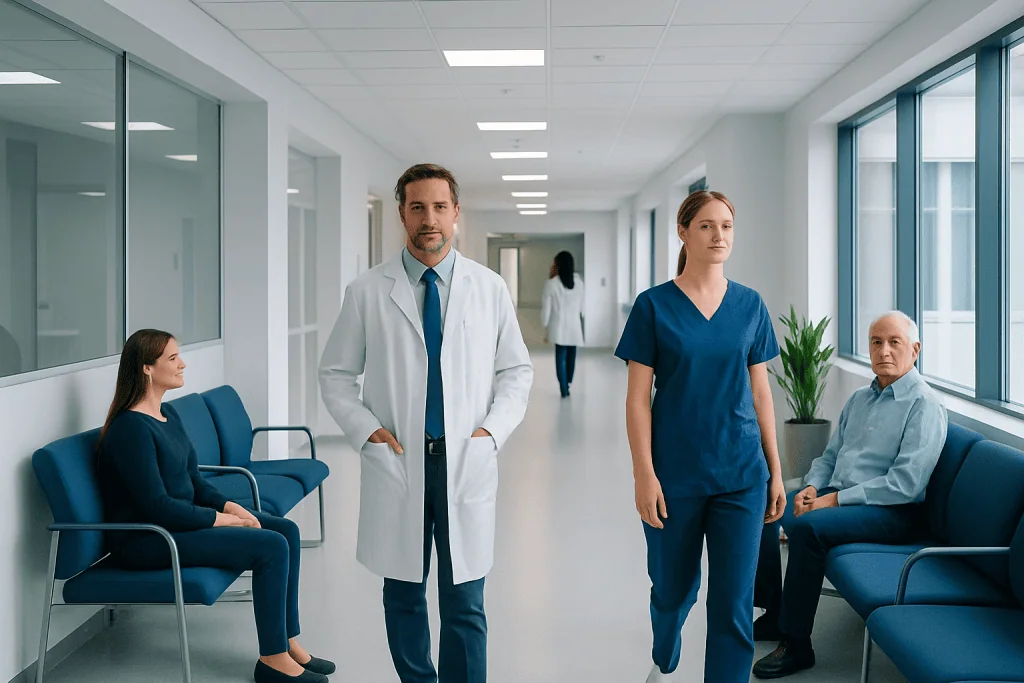
The eye’s natural lens is a clear, flexible structure that focuses light onto the retina. Common lens-related problems include cataracts, age-related loss of focusing ability, and lens dislocation after injury or certain health conditions.
Key Takeaways
- The eye’s natural lens is a clear, flexible structure that focuses light onto the retina.
- Common lens-related problems include cataracts, age-related loss of focusing ability, and lens dislocation after injury or certain health conditions.
- Blurred vision, glare, double vision in one eye, or frequent prescription changes can be signs of a lens problem.
- An eye examination can identify whether symptoms come from the lens or from another part of the eye.
- Many lens conditions can be managed effectively with glasses, monitoring, or procedures such as cataract surgery.
The phrase “eye of the lens” is not a standard medical term, but it usually means the eye’s natural lens. This clear structure sits behind the colored iris and helps focus light on the retina so a person can see clearly at different distances.
What “eye of the lens” usually means
In medical use, the phrase “eye of the lens” is not a formal anatomical term. Most often, people use it when they mean the natural lens of the eye—the clear structure located just behind the iris and pupil. Its main job is to bend and focus incoming light so that images land properly on the retina at the back of the eye.
This distinction matters because many online explanations mix up the eye’s natural lens with camera lenses, contact lenses, or eyeglass lenses. The natural lens is living tissue. It changes shape to help the eye focus, and it can become less flexible or less clear over time.
The natural lens works together with the cornea, retina, optic nerve, and eye muscles. When the lens is healthy, it is transparent and allows light to pass through with very little scattering. When it becomes cloudy, stiff, displaced, or injured, vision can become blurred or distorted.
How the eye lens works
The lens is a transparent, curved structure suspended by fine fibers called zonules. It sits behind the pupil and in front of the vitreous gel. Along with the cornea, it helps focus light rays so that a clear image forms on the retina.
In childhood and early adulthood, the lens is flexible. Tiny muscles inside the eye can change its shape, allowing the eye to focus on objects that are near or far. This process is called accommodation. As people age, the lens naturally becomes stiffer, making near vision more difficult.
The lens also helps maintain optical clarity inside the eye. Because it must stay transparent, it has a highly organized internal structure. Changes in lens proteins, aging, trauma, certain medications, or diseases can affect this clarity and lead to symptoms.
- Cornea: provides most of the eye’s focusing power
- Lens: fine-tunes focus, especially at different distances
- Retina: receives the focused image
- Optic nerve: carries visual signals to the brain
Common lens-related problems
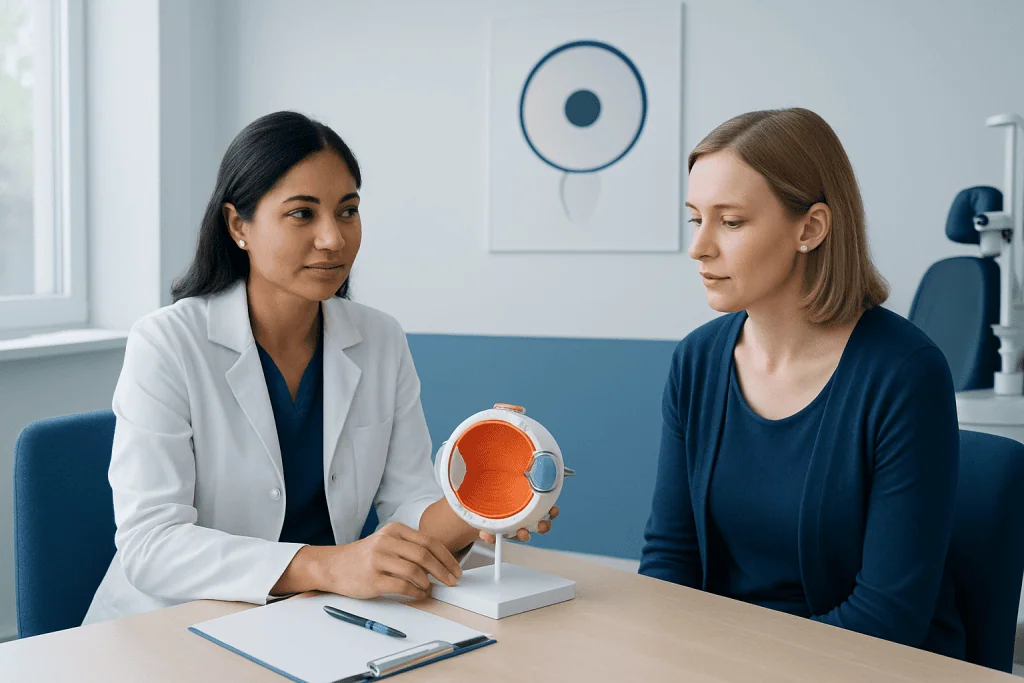
The most common lens problem is a cataract, which means the lens becomes cloudy. Cataracts often develop gradually with age, but they may also occur after eye injury, from long-term steroid use, or in association with certain medical conditions. A cloudy lens can cause blurred vision, glare, faded colors, and trouble seeing at night. Readers looking for more on this condition may also find cataract information helpful.
Another common age-related change is presbyopia, in which the lens loses flexibility. People may notice that reading becomes harder, especially in dim light, and they may need to hold text farther away. This is a normal change, but it can still affect daily comfort and function.
Less common lens problems include lens dislocation or subluxation, where the lens shifts out of its normal position. This may happen after trauma or with certain inherited connective tissue disorders. A displaced lens can cause significant vision changes and may need urgent assessment. In some cases, lens abnormalities are also linked with other eye conditions such as glaucoma, which can damage vision for different reasons but may coexist with lens changes.
Symptoms that may point to a lens problem
Lens-related symptoms are often gradual, but they can sometimes appear suddenly. Blurred vision is the most common complaint. Some people describe it as looking through a smudged window or a foggy film. Others notice that bright light causes glare, halos, or discomfort.
Changes in the lens can also alter how the eye focuses. A person may need frequent updates to glasses or contact lens prescriptions, find it harder to read, or notice that one eye sees differently from the other. Monocular double vision—double vision in one eye even when the other eye is covered—can sometimes occur with lens irregularities.
Symptoms that deserve attention include:
- Gradually worsening blurry or cloudy vision
- Increased glare from sunlight or headlights
- Colors appearing duller or more yellow
- Difficulty reading or seeing fine detail
- Frequent prescription changes
- Sudden vision change after eye injury
These symptoms do not always mean the lens is the cause. The cornea, retina, optic nerve, or the eye’s pressure can also affect vision, which is why a full eye examination is important.
What causes lens changes and who is at risk
Aging is the most common reason the lens changes. Over time, lens proteins can clump together and reduce transparency, leading to cataracts. Age also reduces the lens’s flexibility, causing presbyopia. These are common biological changes and do not necessarily mean anything unusual is happening.
Other factors can affect lens health as well. Diabetes may increase the risk of earlier cataract formation. Smoking, long-term ultraviolet exposure, previous eye surgery, chronic inflammation inside the eye, and prolonged corticosteroid use are also recognized risk factors. A family history may play a role in some people.
Trauma is another important cause. A direct injury to the eye can damage the lens capsule, speed up cataract formation, or shift the lens out of place. Rarely, genetic or connective tissue disorders can weaken the structures that hold the lens, making displacement more likely.
How doctors diagnose lens conditions
Diagnosis begins with a detailed eye history. The doctor will ask when symptoms started, whether vision changes are gradual or sudden, and whether there has been trauma, medication use, diabetes, or previous eye disease. This helps narrow down whether the lens is likely involved.
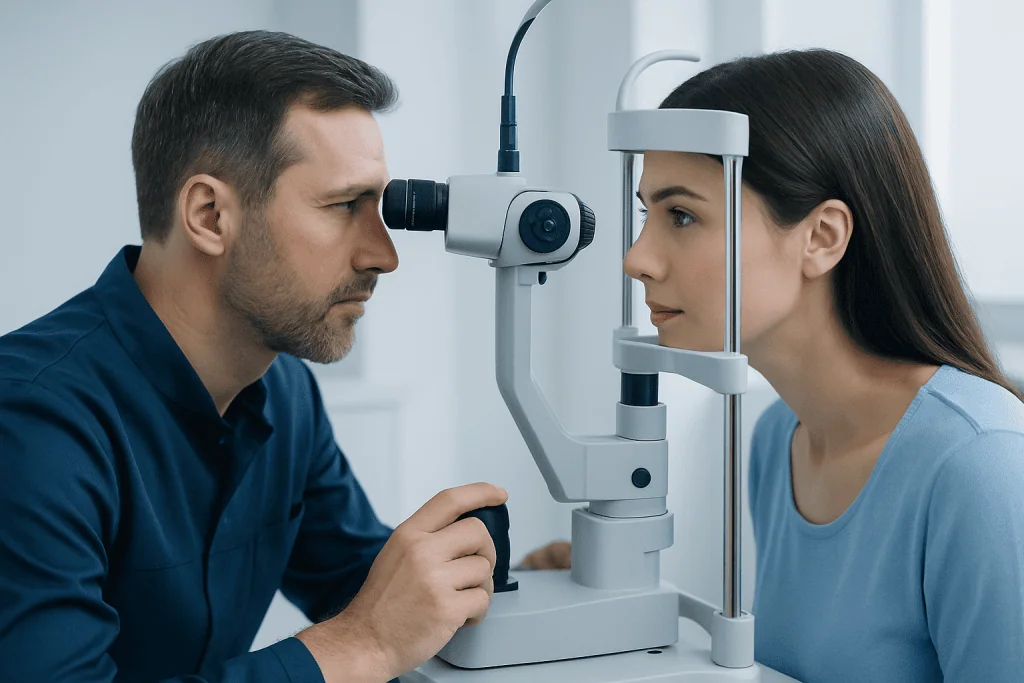
A comprehensive eye examination usually includes visual acuity testing, refraction, and slit-lamp examination. The slit lamp allows the ophthalmologist to look closely at the front parts of the eye, including the cornea, iris, and lens. Cataracts, lens displacement, and other structural changes can often be seen directly with this microscope.
If needed, the doctor may also measure eye pressure, dilate the pupils to examine the retina, or use imaging tests. These steps are important because symptoms that seem like a lens problem may actually come from another condition such as retinal disease or optic nerve disease. If surgery is being considered, preoperative measurements help guide planning for procedures such as cataract surgery.
Treatment options and daily management
Treatment depends on the specific problem and how much it affects vision. For mild focusing changes, glasses, reading glasses, or updated contact lenses may be enough. Better lighting, anti-glare strategies, and regular monitoring can also help a person function more comfortably.
When a cataract begins to interfere with reading, driving, work, or daily tasks, surgery may be recommended. During cataract surgery, the cloudy natural lens is removed and replaced with an artificial intraocular lens. This is a common and well-established procedure, but the decision to proceed is based on symptoms, eye health, and an ophthalmologist’s assessment.
If the lens is displaced, treatment may vary from observation to surgery, depending on the severity, cause, and impact on vision or eye pressure. People with associated problems such as significant refractive error may also benefit from broader eye care planning, including options discussed in laser eye surgery services when appropriate for unrelated focusing issues. Near the end of care planning, some international patients choose centers such as Acibadem International, where multidisciplinary specialists in JCI-accredited hospitals diagnose and treat lens-related eye conditions.
Protecting lens health and when to seek medical care
While not all lens changes can be prevented, several habits may support long-term eye health. Wearing UV-protective sunglasses, managing diabetes carefully, avoiding smoking, and attending routine eye examinations are sensible steps. Eye protection during sports, home repairs, or hazardous work can also reduce the risk of traumatic lens injury.
People should seek medical care if they notice ongoing blurry vision, glare, trouble reading, or frequent changes in prescription. Prompt assessment is especially important after any eye injury or if vision suddenly changes. Sudden symptoms may not be caused by the lens alone and should not be ignored.
When to seek medical care:
- Vision becomes cloudy or blurred and does not improve
- Night driving or bright light becomes increasingly difficult
- There is sudden vision loss, eye pain, or new double vision
- An eye injury is followed by redness, blurred vision, or light sensitivity
- One eye seems very different from the other
Regular eye checks are especially valuable for older adults and for anyone with diabetes, previous eye problems, or a family history of eye disease. Early evaluation can clarify whether the lens is the issue and help guide the right treatment.
Frequently asked questions
Is “eye of the lens” a real medical term?
Not usually. In most contexts, people mean the eye’s natural lens, which is the clear structure behind the pupil that helps focus light. Doctors typically refer to it simply as the lens or crystalline lens.
What is the function of the lens in the eye?
The lens helps focus light onto the retina so images appear clear. It also changes shape to help the eye switch focus between near and distant objects, although this ability declines with age.
Can the eye lens heal itself if it becomes cloudy?
A cloudy lens from cataract does not usually become clear again on its own. In early stages, updated glasses and better lighting may help, but established cataracts are treated by surgery when symptoms interfere with daily life.
What is the difference between cataract and presbyopia?
Cataract means the natural lens becomes cloudy, which reduces the clarity of vision. Presbyopia is different: the lens becomes less flexible with age, making near tasks like reading harder even if the lens is still clear.
Are lens problems always related to aging?
No. Aging is a very common reason for lens changes, but trauma, diabetes, steroid use, inflammation, and some inherited conditions can also affect the lens. That is why a doctor considers the full medical history, not just age.
When should someone see an eye doctor for possible lens problems?
An eye examination is advisable if there is persistent blurred vision, glare, difficulty reading, or frequent prescription changes. Urgent care is important if symptoms begin suddenly, follow an eye injury, or occur with eye pain or significant vision loss.
This article is for general information only and is not a substitute for professional medical advice. Please consult a qualified doctor about your individual situation.
Explore treatments in Turkey — costs, top hospitals & a free quote
JCI-accredited · board-certified surgeons · reply within 24h
Add us as a Preferred Source to see more of our trusted health content across Google Search, AI Overviews and Discover.

More from the Health Library

Fresh Turmeric: An Evidence-Based Guide for Patients

Penis Sleeve: What Patients Need to Know

What is dopamine? A Doctor-Reviewed Answer
Anal Fissure: What Patients Need to Know

Electra Complex: A Complete Medical Overview