

Facelift Surgery: Facial Aging, Procedure Options, and Recovery Timeline

Facelift surgery mainly improves sagging in the lower face, jawline, and neck rather than changing a person’s natural facial identity. Different facelift techniques may be recommended depending on skin quality, facial anatomy, degree of laxity, and personal goals.
Key Takeaways
- Facelift surgery mainly improves sagging in the lower face, jawline, and neck rather than changing a person’s natural facial identity.
- Different facelift techniques may be recommended depending on skin quality, facial anatomy, degree of laxity, and personal goals.
- Recovery is gradual; swelling, bruising, tightness, and temporary numbness are common in the first weeks.
- A safe outcome depends on careful patient selection, medical evaluation, surgical planning, and following aftercare instructions.
- Non-surgical treatments can complement facial rejuvenation but cannot fully replace surgery when significant tissue laxity is present.
Facelift surgery, also called rhytidectomy, is a cosmetic procedure designed to reduce visible signs of aging in the lower face and neck. Understanding facial aging, surgical options, recovery, and realistic expectations helps patients make informed decisions with a qualified plastic surgeon.
Overview: What Is Facelift Surgery?
Facelift surgery, medically known as rhytidectomy, is a cosmetic operation that lifts and repositions aging facial tissues to create a more rested and refreshed appearance. It most commonly addresses sagging in the cheeks, jowls along the jawline, loose skin under the chin, and neck laxity. The goal is not to create a different face, but to restore more youthful contours while preserving natural expression.
A modern facelift focuses on the deeper support layers of the face as well as the skin. In many patients, the surgeon tightens or repositions the superficial musculoaponeurotic system, often called the SMAS layer, and removes only the necessary amount of excess skin. This approach helps avoid an overly tight appearance and supports longer-lasting, natural-looking results.
Facelift surgery may be performed alone or combined with procedures such as neck lift, eyelid surgery, brow lift, fat transfer, laser resurfacing, or skin treatments. The best plan depends on the patient’s facial structure, aging pattern, skin elasticity, health status, and expectations. A detailed consultation with a board-certified or appropriately qualified plastic surgeon is essential before choosing any procedure.
How Facial Aging Changes the Face and Neck
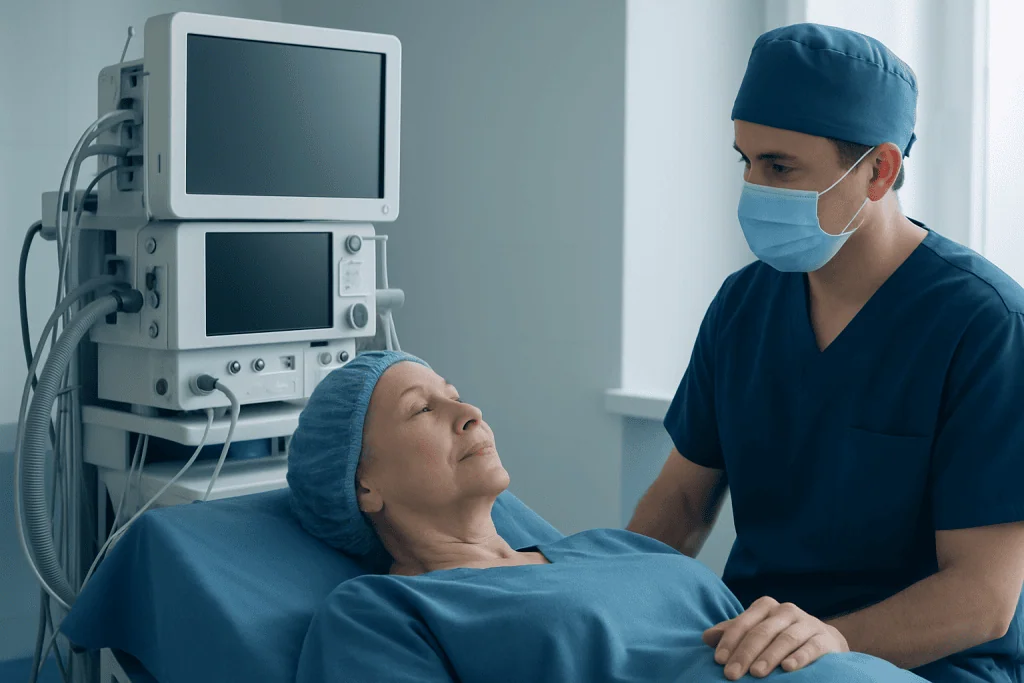
Facial aging is a natural process influenced by genetics, skin quality, sun exposure, smoking, weight changes, facial bone structure, and lifestyle. Over time, collagen and elastin decrease, the skin becomes thinner and less elastic, and facial fat pads may shift downward. These changes can make the cheeks look flatter, deepen folds around the mouth, and create jowls at the jawline.
The neck often ages at the same time as the lower face. Some people develop loose neck skin, vertical muscle bands, or fullness under the chin. Because the face and neck are anatomically connected, a facelift is frequently planned with a neck lift to create smoother, more balanced contours from the cheek to the jaw and neckline.
It is also important to distinguish between skin surface aging and structural facial aging. Fine lines, pigmentation, rough texture, and sun damage are surface concerns that may respond better to skin treatments such as chemical peels, lasers, microneedling, or medical-grade skincare. Sagging tissues and deeper folds, however, often require lifting and repositioning if a significant correction is desired.
Facelift Procedure Options
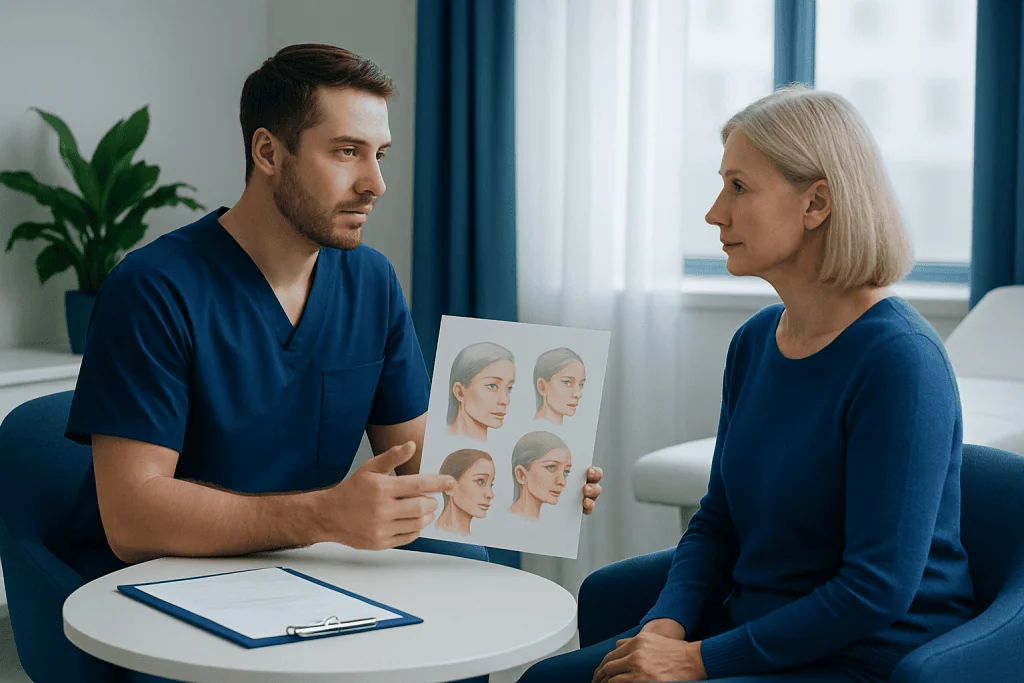
There is no single facelift technique that is ideal for everyone. A surgeon selects the approach based on the degree of laxity, the patient’s anatomy, incision tolerance, hairline and ear shape, skin quality, and desired recovery profile. During consultation, photographs, facial examination, and discussion of goals help determine the most appropriate plan.
Common facelift-related options include:
- Mini facelift: Usually suited for mild to moderate jowling and early lower-face laxity. It typically uses shorter incisions and may involve a somewhat shorter recovery, but it offers less correction for advanced neck aging.
- SMAS facelift: A widely used technique that lifts and tightens the deeper facial support layer to improve the cheeks, jawline, and lower face more effectively than skin-only tightening.
- Deep plane facelift: A more advanced approach that repositions deeper facial tissues as a unit in selected patients. It may be recommended for certain patterns of midface and lower-face aging.
- Neck lift: Often combined with facelift surgery to address loose neck skin, muscle bands, or fullness beneath the chin.
- Revision facelift: Performed in patients who have had previous facial surgery and need additional correction or refinement. It requires careful planning due to scar tissue and altered anatomy.
Non-surgical treatments such as botulinum toxin injections, dermal fillers, skin tightening devices, and resurfacing procedures can improve specific concerns, but they have limits. They may be useful for early aging, maintenance, or enhancement after surgery. When there is significant sagging of facial tissues, surgery remains the most effective method for repositioning and tightening.
Who May Be a Good Candidate?
A good candidate for facelift surgery is typically an adult with visible lower-face or neck aging, realistic expectations, and overall health that allows elective surgery. Many candidates feel that their outer appearance looks more tired or older than how they feel. The decision is personal and should be made for oneself, not because of pressure from others.
Before surgery, the surgeon reviews medical history, previous operations, medications, allergies, smoking status, and any history of bleeding, poor wound healing, or keloid scarring. Conditions such as uncontrolled high blood pressure, uncontrolled diabetes, clotting disorders, or significant heart and lung disease may increase surgical risk and must be carefully evaluated. Patients taking blood thinners, certain supplements, or medications that affect healing need individualized instructions from their doctors.
Smoking and nicotine use are especially important because they can reduce blood flow to the skin and increase the risk of wound-healing problems. Patients are usually advised to stop nicotine before and after surgery according to their surgeon’s instructions. A stable weight is also helpful, because major weight changes after surgery can affect the durability and appearance of results.
What Happens Before and During Surgery?
Preparation begins with a consultation and medical assessment. The surgeon examines the face and neck, reviews photographs, explains suitable options, and discusses likely benefits and limitations. Patients should ask about the surgeon’s qualifications, the planned technique, anesthesia, facility safety, scar placement, recovery time, and potential risks.
Preoperative instructions may include avoiding certain medications or supplements that can increase bleeding, arranging laboratory tests or medical clearance when needed, stopping nicotine, and planning for transportation and home support. Patients should follow all instructions from their surgical team and should not change prescribed medications unless advised by a qualified doctor.
Facelift surgery is usually performed under general anesthesia or deep sedation with local anesthesia, depending on the surgical plan and patient factors. Incisions are commonly placed around the hairline and ears, and sometimes under the chin if the neck is treated. Through these incisions, the surgeon repositions deeper tissues, removes or adjusts excess skin, and closes the incisions carefully to help scars heal as discreetly as possible.
Facelift Recovery Timeline
Recovery varies from person to person and depends on the extent of surgery, individual healing, and whether other procedures were combined. In the first few days, swelling, bruising, tightness, mild discomfort, and fatigue are common. A supportive dressing or compression garment may be used, and small drains may be placed temporarily in some cases. Patients are usually encouraged to rest with the head elevated and follow their surgeon’s wound-care instructions closely.
During the first one to two weeks, bruising and swelling usually begin to improve. Many patients can return to light daily activities during this period, but strenuous exercise, heavy lifting, bending, and activities that raise blood pressure are typically restricted. Sutures may be removed in stages depending on the incision sites and the surgeon’s preference.
By two to four weeks, most people feel more comfortable appearing in public, often with makeup if approved by the surgeon. Some swelling, firmness, numbness, or unevenness may still be present and usually improves gradually. Exercise is typically resumed step by step only after medical clearance.
Final refinement takes longer than the initial recovery. The face may continue to settle over several months as swelling decreases and tissues soften. Scars typically fade over time, although scar quality varies. Protecting the skin from sun exposure and maintaining a stable, healthy lifestyle can support healing and help preserve results.
Benefits, Limitations, and Possible Risks
Facelift surgery can improve facial balance by softening jowls, lifting sagging tissues, and defining the jawline and neck. Many patients appreciate that clothes, hairstyles, and photographs better match how they feel. However, a facelift does not stop aging, change skin texture completely, or remove all wrinkles. It also does not replace healthy skincare, sun protection, or non-surgical treatments when those are needed for surface concerns.
As with any surgery, facelift surgery has potential risks. These may include bleeding or hematoma, infection, delayed wound healing, unfavorable scarring, temporary or rarely longer-lasting nerve weakness, numbness, hairline changes, asymmetry, skin loss, anesthesia-related risks, and the possibility of revision surgery. Most patients heal without major complications, but careful planning and follow-up are important to reduce risk and manage concerns early.
Realistic expectations are central to satisfaction. A good result should look natural in motion and at rest, not pulled or artificial. Patients should understand that improvement is measured in facial contour and freshness rather than perfection. Open communication with the surgeon helps align the surgical plan with the patient’s anatomy and goals.
Prevention, Self-Care, and When to See a Doctor
Good long-term skin and tissue care can help maintain facial health before and after surgery. Daily sun protection, not smoking, balanced nutrition, regular physical activity, adequate sleep, and stable weight all support skin quality and healing. A dermatologist or plastic surgeon may also recommend evidence-based skincare, resurfacing, injectables, or other treatments to address texture, pigmentation, or fine lines.
After surgery, patients should contact their surgical team promptly if they notice increasing one-sided swelling, significant bleeding, worsening pain, fever, spreading redness, sudden facial weakness, shortness of breath, or any symptom that feels unusual or concerning. These signs do not always indicate a serious problem, but they deserve timely medical advice.
A consultation with a qualified plastic surgeon is appropriate when a person is bothered by sagging of the lower face, jowls, or neck and wants to understand surgical and non-surgical options. For international patients seeking evaluation, Acibadem International provides access to multidisciplinary specialists and JCI-accredited hospitals that diagnose and treat aesthetic and reconstructive concerns, including facial rejuvenation procedures.
Frequently asked questions
How long do facelift surgery results last?
Facelift results are long-lasting, but they do not stop the natural aging process. Many patients enjoy improvement for years, especially when they maintain a stable weight, avoid nicotine, and protect their skin from the sun. The duration varies depending on genetics, skin quality, surgical technique, and lifestyle.
Is a facelift the same as a neck lift?
A facelift mainly improves sagging in the lower face and jawline, while a neck lift focuses on loose neck skin, muscle bands, and contour under the chin. Because these areas age together, the procedures are often combined. A surgeon can recommend whether one or both are appropriate.
Will facelift scars be visible?
Facelift incisions are usually placed around natural creases near the ears and hairline to make scars as discreet as possible. Scars are typically more noticeable early in healing and fade gradually over time. Scar appearance depends on surgical technique, skin type, wound care, sun protection, and individual healing.
Can fillers or skin tightening replace a facelift?
Non-surgical treatments can improve volume loss, fine lines, and mild laxity, and they may be helpful for early aging or maintenance. However, they cannot remove excess skin or reposition significantly sagging facial tissues in the same way surgery can. The best choice depends on the degree of aging and the patient’s goals.
What is the best age for facelift surgery?
There is no single best age for a facelift. The right timing depends on facial anatomy, skin elasticity, degree of sagging, health status, and personal goals rather than age alone. Some patients seek surgery when changes are moderate, while others wait until aging is more advanced.
When can a patient return to work after a facelift?
Many patients return to non-strenuous work after about two to three weeks, depending on bruising, swelling, comfort, and the type of job. People with physically demanding work may need more time before resuming full duties. The surgeon’s guidance should always be followed.
References
- American Society of Plastic Surgeons
- American Society for Aesthetic Plastic Surgery
- International Society of Aesthetic Plastic Surgery
- British Association of Plastic, Reconstructive and Aesthetic Surgeons
- U.S. Food and Drug Administration
This article is for general information only and is not a substitute for professional medical advice. Please consult a qualified doctor about your individual situation.
Explore treatments in Turkey — costs, top hospitals & a free quote
JCI-accredited · board-certified surgeons · reply within 24h
Add us as a Preferred Source to see more of our trusted health content across Google Search, AI Overviews and Discover.
Check your numbers in seconds
BMI, calories, due date, blood pressure and 30+ more clinical calculators — free, instant, doctor-reviewed ranges.

Related Treatments
Related Conditions
More from the Health Library



Related Specialists

Prof. Dr. Şükrü Yazar
Aesthetic Plastic & Reconstructive Surgery
Assoc. Prof. Dr. Erdem Güven (m)
Aesthetic Plastic & Reconstructive Surgery
Prof. Dr. Hakan Ağır
Aesthetic Plastic & Reconstructive Surgery
Prof. Dr. Bülent Saçak
Aesthetic Plastic & Reconstructive Surgery