Fibroids Symptoms Explained: Common Triggers and Red Flags

Fibroids can cause heavy periods, pelvic pain or pressure, bloating, and bladder or bowel symptoms. Some fibroids do not cause any symptoms and are found only during a routine pelvic exam or imaging test.
Key Takeaways
- Fibroids can cause heavy periods, pelvic pain or pressure, bloating, and bladder or bowel symptoms.
- Some fibroids do not cause any symptoms and are found only during a routine pelvic exam or imaging test.
- The type, size, and location of a fibroid often determine which symptoms appear.
- Sudden severe pain, very heavy bleeding, or symptoms of anemia should prompt medical evaluation.
- Treatment ranges from watchful waiting to medicines and procedures, depending on symptoms and fertility goals.
Fibroids symptoms commonly include heavy menstrual bleeding, pelvic pressure, frequent urination, constipation, and lower abdominal swelling, although many people have no symptoms at all. Symptoms often depend more on a fibroid’s size and location than on the number of fibroids present.
Overview: what fibroids symptoms usually feel like
Fibroids symptoms can vary widely from person to person. Uterine fibroids are noncancerous growths that develop in or around the uterus, and they may cause no problems at all or lead to noticeable symptoms that affect daily life. The most common symptoms are heavier or longer periods, pelvic pressure, bloating, and a frequent need to urinate.
A useful way to understand fibroids symptoms is to think about where the fibroid is growing. A fibroid pressing into the uterine cavity may be more likely to cause heavy bleeding, while one growing outward can press on nearby organs and cause pressure, constipation, or bladder symptoms. This means two people with fibroids of similar size can feel very different.
Symptoms also tend to develop gradually, so some people adapt to them without realizing how much they have changed. For example, soaking through pads more often, planning around bathroom access, or feeling increasing pelvic fullness can become normalized over time. Recognizing these patterns can help a person decide when to seek medical advice.
Common fibroids symptoms and how they may affect daily life
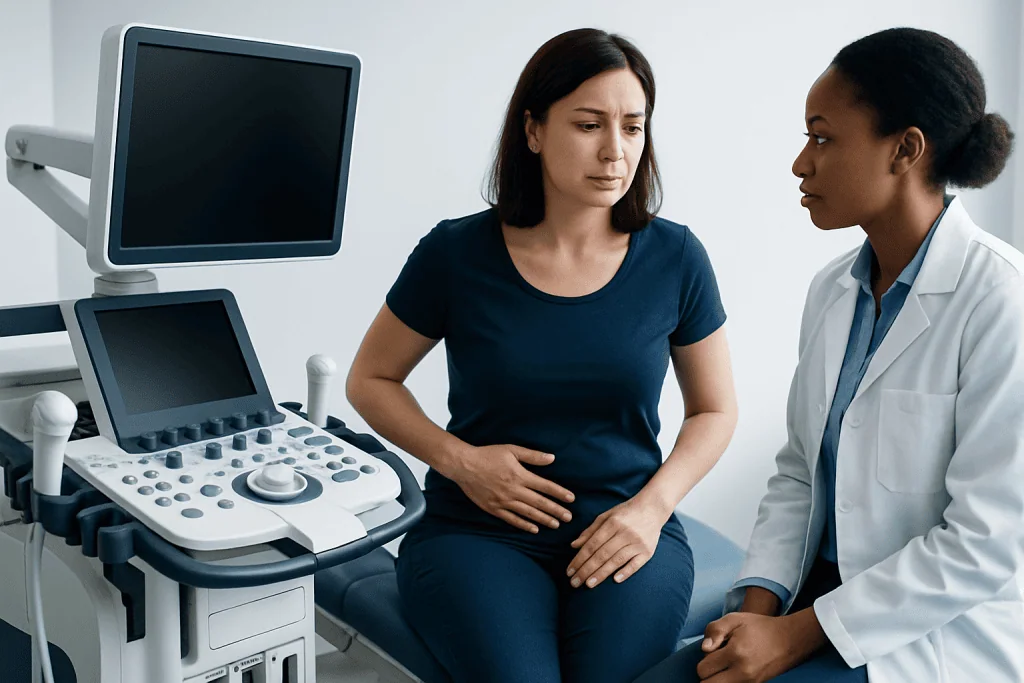
The best-known fibroids symptoms relate to menstruation. Periods may become heavier, last longer than usual, include larger clots, or occur with more cramping. Some people notice spotting between periods, while others mainly feel drained and tired after each menstrual cycle because of blood loss.
Pelvic discomfort is another common pattern. This may feel like pressure, fullness, heaviness, or dull aching in the lower abdomen or pelvis rather than sharp pain. Some people describe looking or feeling bloated, or noticing that clothes fit more tightly around the waist even without weight gain.
Fibroids can also press on nearby structures. When they press on the bladder, symptoms may include frequent urination, urgency, or difficulty fully emptying the bladder. Pressure on the bowel may contribute to constipation or a sensation of incomplete bowel movements. Pain during sex and low back discomfort can occur in some cases, especially when fibroids are larger or located in certain areas.
- Heavy or prolonged menstrual bleeding
- Pelvic pressure, fullness, or pain
- Lower abdominal swelling or bloating
- Frequent urination or urinary urgency
- Constipation
- Pain during sex
- Low back or leg discomfort in some cases
Why symptoms differ: size, number, and location matter
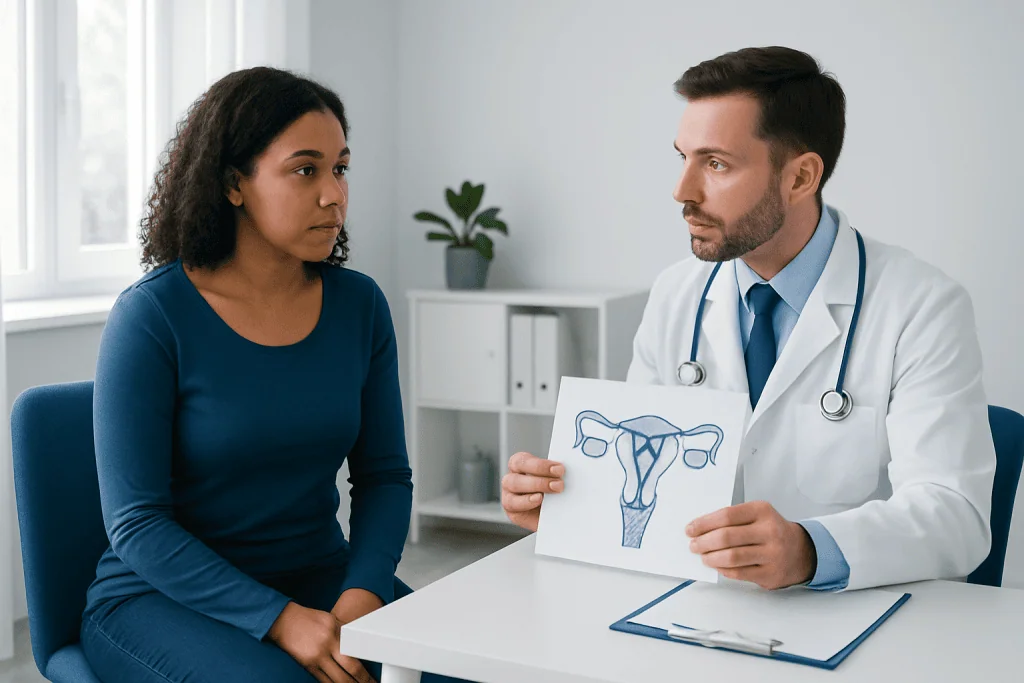
Not all fibroids behave the same way, and symptoms do not always match the number of fibroids present. A single fibroid in a sensitive location can cause more trouble than several small fibroids elsewhere. This is why imaging and a clinical evaluation are important when symptoms are affecting quality of life.
Fibroids that grow inside the uterine wall or bulge into the uterine cavity are more likely to cause heavy bleeding and fertility-related concerns. Fibroids that grow on the outer surface of the uterus may be more likely to create pressure symptoms, such as bloating, urinary frequency, or bowel changes. Pedunculated fibroids, which grow on a stalk, can sometimes cause sudden pain if they twist.
Hormonal influences also play a role. Fibroids often grow during the reproductive years and may change over time. Symptoms can fluctuate with hormonal shifts, and while fibroids are common, they should not be assumed to be the only cause of heavy bleeding or pelvic pain. Other gynecologic conditions, including endometriosis, can cause overlapping symptoms and may need to be ruled out.
Common triggers and factors that may make symptoms more noticeable
Fibroids themselves are not usually caused by a single trigger, but certain factors can make fibroids symptoms seem more obvious or more disruptive. Hormonal changes during the reproductive years may influence fibroid growth, which can gradually increase pressure or bleeding symptoms. Symptoms may also become easier to notice when daily routines change, such as during travel, exercise, or sexual activity.
Menstruation is the most common time for symptoms to intensify. A person may notice heavier flow, stronger cramping, more pelvic heaviness, or fatigue during and after the period. If bleeding becomes substantial over time, iron deficiency and anemia can develop, causing weakness, shortness of breath on exertion, headaches, or paleness.
Larger fibroids can make pressure symptoms more noticeable after long periods of sitting, during exercise, or when the bladder is full. Constipation may become more uncomfortable if a fibroid is pressing on the bowel. Pregnancy can also change how fibroids feel and may require closer monitoring, because symptoms and fibroid size can shift during that time.
Red flags and when to seek medical care
Many fibroids symptoms are not emergencies, but some signs deserve prompt medical attention. Very heavy bleeding, fainting, chest discomfort, marked weakness, or shortness of breath may suggest significant blood loss or anemia and should be assessed quickly. Sudden, severe pelvic pain is another warning sign, especially if it is new, intense, or associated with fever, nausea, or vomiting.
A person should also seek medical care if periods are becoming consistently heavier, pelvic pressure is interfering with sleep or daily activities, or bladder and bowel symptoms are worsening. New bleeding after menopause should always be evaluated, because fibroids are only one possible explanation and other causes need to be excluded.
Shortly arranged medical review is sensible if any of the following occur:
- Bleeding that soaks through pads or tampons rapidly or lasts unusually long
- Symptoms of anemia, such as fatigue, dizziness, or shortness of breath
- Sudden severe pelvic or abdominal pain
- Increasing abdominal enlargement or persistent pelvic pressure
- Trouble urinating or significant constipation
- Bleeding after menopause
How fibroids are diagnosed
Diagnosis usually begins with a medical history and pelvic examination. A doctor will ask about menstrual patterns, bleeding amount, pain, bladder or bowel symptoms, and whether symptoms affect fertility or pregnancy plans. Because symptoms can overlap with other conditions, the discussion often includes questions about family history, anemia, and prior gynecologic issues.
Imaging is often used to confirm the diagnosis and understand the size and location of fibroids. Pelvic ultrasound is commonly the first test because it is widely available and effective for many cases. In more complex situations, MRI can give more detailed information about fibroid type, number, and position, especially when planning treatment.
Blood tests may be recommended if there is heavy bleeding or suspected anemia. Depending on the symptom pattern, a doctor may also evaluate for other causes of abnormal bleeding or pelvic pain. This step matters because uterine fibroids can exist alongside other conditions, and accurate diagnosis helps guide the most suitable treatment plan.
Treatment options for bothersome fibroids symptoms
Treatment depends on the severity of symptoms, the size and location of fibroids, age, general health, and whether pregnancy is desired in the future. If symptoms are mild, watchful waiting may be appropriate, especially when fibroids are found incidentally and are not causing anemia or significant pressure effects. Regular follow-up can help monitor symptom changes over time.
When treatment is needed, options may include medication to help control heavy bleeding, reduce pain, or temporarily influence hormone-related growth. Some people may benefit from minimally invasive procedures or surgery, depending on their goals. For example, a person hoping to preserve the uterus may discuss myomectomy, while other individuals may be candidates for uterine-sparing image-guided procedures.
One non-surgical option in selected cases is uterine fibroid embolization, which aims to shrink fibroids by reducing their blood supply. In cases of very large, recurrent, or highly symptomatic fibroids, hysterectomy may be considered. The right choice is individualized and should be made after discussing benefits, limitations, recovery, and fertility considerations with a qualified gynecologist.
Self-care, monitoring, and support
Self-care does not remove fibroids, but it can help people manage symptoms and prepare for a more informed medical visit. Tracking periods, pain levels, bleeding intensity, urinary symptoms, and bloating can reveal patterns and make consultations more productive. Recording how often pads or tampons are changed, whether clots are present, and how symptoms affect work, sleep, or exercise can also be useful.
If heavy bleeding is leading to fatigue or dizziness, medical assessment is important because iron deficiency may need treatment. General healthy habits, including balanced nutrition, hydration, physical activity as tolerated, and adequate rest, can support overall well-being, though they should not replace medical care when symptoms are significant.
People trying to conceive or those who are pregnant should mention known or suspected fibroids early to their clinician, since monitoring may differ. Near the end of the care pathway, some international patients may seek evaluation in specialized centers; Acibadem International’s multidisciplinary specialists in JCI-accredited hospitals diagnose and treat fibroids for international patients in a coordinated setting.
Frequently asked questions
What are the most common fibroids symptoms?
The most common fibroids symptoms are heavy or prolonged periods, pelvic pressure, bloating, and frequent urination. Some people also have constipation, back discomfort, or pain during sex. However, many fibroids do not cause any symptoms.
Can fibroids cause pain all the time?
Yes, fibroids can sometimes cause ongoing pelvic heaviness or aching, but not everyone has constant pain. In many cases, discomfort is more noticeable during periods, after prolonged sitting, or when larger fibroids press on nearby organs. Sudden severe pain is less typical and should be assessed promptly.
Do fibroids always cause heavy bleeding?
No, fibroids do not always cause heavy bleeding. Bleeding symptoms are more common when fibroids affect the uterine cavity or wall, but some fibroids mainly cause pressure symptoms instead. Others are discovered by chance during imaging or a routine exam.
How do I know if fibroids symptoms are serious?
Symptoms may be more serious if bleeding is very heavy, if there are signs of anemia such as dizziness or shortness of breath, or if there is sudden severe pelvic pain. New bleeding after menopause also needs medical evaluation. A doctor can determine whether fibroids are the cause and whether treatment is needed.
Can fibroids symptoms affect fertility or pregnancy?
They can in some cases, depending on the size and location of the fibroids. Fibroids that distort the uterine cavity may be more relevant to fertility or pregnancy outcomes than fibroids on the outer surface of the uterus. Anyone trying to conceive or already pregnant should discuss symptoms with a gynecologist.
What tests are used to diagnose fibroids?
Diagnosis usually starts with a medical history and pelvic examination, followed by imaging such as pelvic ultrasound. MRI may be used when more detail is needed for treatment planning or when symptoms are complex. Blood tests may also be ordered to check for anemia if bleeding is heavy.
This article is for general information only and is not a substitute for professional medical advice. Please consult a qualified doctor about your individual situation.
Persistent digestive symptoms? Get evaluated in Turkey
JCI-accredited · board-certified surgeons · reply within 24h
Add us as a Preferred Source to see more of our trusted health content across Google Search, AI Overviews and Discover.

More from the Health Library

Are Figs Good for You? Causes, Explanations, and Next Steps

Is Cantaloupe Good for Diabetics? Causes, Explanations, and Next Steps

Can You Still Have a Heart Attack Even with Pacemaker? Causes, Explanations, and Next Steps

Forehead Headache: Common Causes, Related Conditions, and When to See a Doctor

What Do Kidney Stones Look Like? Here Is What the Evidence Says