

First Gynecology Visit: What Teens and Young Adults Can Expect

The first gynecology visit often focuses on medical history, menstrual health, questions, and education. A pelvic exam is not always part of the first visit and is only done when medically needed.
Key Takeaways
- The first gynecology visit often focuses on medical history, menstrual health, questions, and education.
- A pelvic exam is not always part of the first visit and is only done when medically needed.
- Teens and young adults can ask for privacy, bring questions, and discuss periods, pain, discharge, sexual health, or contraception.
- Gynecologists aim to provide respectful, confidential care while also explaining any limits to confidentiality.
- Preparing a list of symptoms, cycle dates, medicines, and questions can make the visit easier.
- Seeking care early for severe pain, very heavy bleeding, missed periods, or unusual symptoms is important.
A first gynecology visit is usually a conversation-centered appointment that helps teens and young adults learn about reproductive health, periods, symptoms, and prevention. In many cases, no pelvic exam is needed, and the visit is tailored to age, concerns, and personal comfort.
Overview: what a first gynecology visit is for
A first gynecology visit is an introduction to reproductive and menstrual health. It gives teens and young adults a chance to ask questions, talk about periods, discuss symptoms, and learn how to protect their health. The appointment is usually more about conversation and education than procedures.
Many people are surprised to learn that a first visit does not always include an internal exam. The gynecologist decides what is needed based on age, symptoms, medical history, and the reason for the visit. If an examination is recommended, the doctor should explain why it is helpful and what will happen.
This first appointment can happen even if there is no urgent problem. It may be scheduled for period concerns, pelvic pain, vaginal symptoms, questions about puberty, contraception, or simply to establish care. The goal is to help the patient feel informed, respected, and comfortable speaking about personal health topics.
When teens and young adults may need their first visit
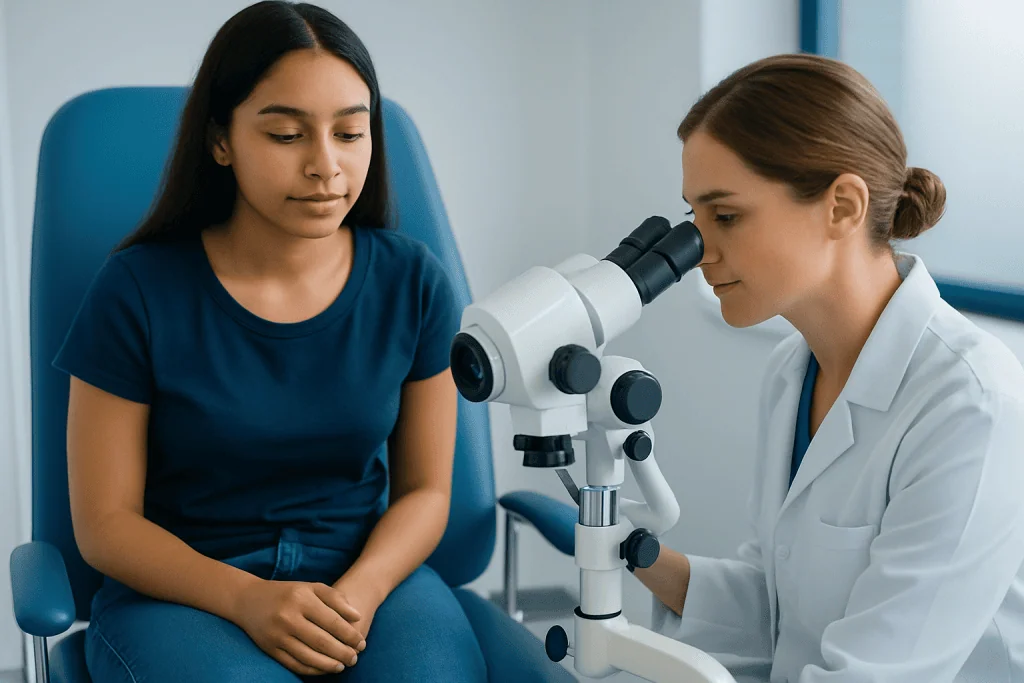
Some people have their first gynecology visit in the early teen years, while others go later in adolescence or young adulthood. A visit may be helpful after periods begin, especially if there are concerns such as very painful cramps, very heavy bleeding, irregular cycles, or periods that have not started when expected.
It is also reasonable to book an appointment for questions about sexual health, birth control, vaginal discharge, skin changes, or prevention. Young adults may seek care before college, before becoming sexually active, or when they want a trusted doctor for routine reproductive health.
Common reasons for a first visit include:
- Painful, heavy, or irregular periods
- Missed periods or periods that have not started as expected
- Pelvic pain or severe cramping
- Vaginal itching, odor, or unusual discharge
- Questions about contraception or sexually transmitted infection prevention
- Concerns about puberty, breast changes, or body development
Even when symptoms seem minor, it can be reassuring to ask a qualified doctor. Early guidance may help identify common issues such as hormonal changes, infections, or conditions like polycystic ovary syndrome.
What to expect during the appointment

The visit usually begins with a discussion. The doctor or nurse may ask about periods, past medical problems, medications, allergies, vaccines, family history, and any symptoms. They may also ask about mood, safety, exercise, nutrition, and whether the patient has ever been sexually active. These questions help guide care and are a normal part of adolescent and young adult medicine.
Patients are often weighed and have their blood pressure checked. A general physical exam may be done, depending on the reason for the visit. The gynecologist may then answer questions and explain next steps in clear, age-appropriate language.
Sometimes a parent or support person is present for part of the visit, especially for younger teens. However, many gynecologists also spend some time speaking with the patient alone. This private time helps teens and young adults ask questions more freely and begin taking an active role in their own health care.
If contraception is being discussed, the doctor may explain several options, including pills, implants, injections, or intrauterine device insertion. The best choice depends on health history, preferences, bleeding patterns, and lifestyle.
Will there be a pelvic exam?
Not everyone needs a pelvic exam at a first gynecology visit. In many teens and young adults, the appointment may involve only a conversation and perhaps an external examination. A pelvic exam is usually recommended only if there are specific symptoms, such as pelvic pain, unusual bleeding, a suspected infection, or other concerns that require a closer assessment.
If a pelvic exam is needed, the doctor should explain each step before it happens. The patient can ask questions, request a pause, or share concerns at any time. Respectful communication is an important part of care, and the patient should never feel rushed.
For some visits, the doctor may perform only an external genital exam to look for irritation, skin changes, or other visible issues. An internal exam, if necessary, may involve a small speculum to view the vagina and cervix. A bimanual exam, where the doctor gently feels pelvic organs with gloved fingers and a hand on the abdomen, may also be done in selected cases.
When pain, ovarian cysts, or structural concerns need evaluation, imaging may be recommended. In some situations, a doctor may suggest gynecological ultrasound because it can provide useful information without an internal exam.
Confidentiality, questions, and emotional comfort
Privacy is an important part of gynecologic care for teens and young adults. In many settings, the doctor will explain confidentiality, including what can remain private and what situations may require involving a parent or guardian for safety reasons. Understanding these boundaries often helps patients speak more openly.
It is normal to feel embarrassed before a first visit. Many young people worry about being judged, not knowing the right words, or being asked difficult questions. Gynecologists are trained to discuss these topics professionally and respectfully, and there is no need to feel ashamed about asking basic questions.
Helpful questions to bring may include:
- Are my periods normal for my age?
- What can help with cramps or heavy bleeding?
- How do I know if discharge is normal?
- Do I need testing for infection?
- What birth control options might suit me?
- When would I need a pelvic exam or future screening?
If anxiety is high, it may help to say so at the start of the appointment. The doctor can usually slow down, explain each step, and make the visit more comfortable. Clear communication is especially important when discussing symptoms related to periods, contraception, or possible infections such as endometriosis or other gynecologic conditions.
How to prepare for the first gynecology visit
Preparation can make the visit easier and more productive. It often helps to write down the date of the last menstrual period, how long cycles usually last, whether bleeding is heavy or irregular, and any symptoms such as cramps, headaches, pelvic pain, itching, or discharge. Bringing a list of medicines, supplements, and allergies is also useful.
If possible, patients should note any family history of conditions such as blood clots, migraine with aura, breast or ovarian problems, or hormonal disorders. This information may affect decisions about testing or contraception. If someone is sexually active, they should be ready to talk honestly about pregnancy prevention and infection screening so the doctor can give appropriate advice.
Some patients prefer to bring a trusted adult, sibling, or friend for support. Others feel more comfortable going alone. Either approach can be appropriate, as long as the patient has the opportunity to ask personal questions in private if desired.
Practical preparation may include wearing comfortable clothes, arriving a little early, and bringing insurance or identification documents if needed. If there are concerns about pain or heavy bleeding, the doctor may discuss treatment approaches ranging from lifestyle measures and medication to laparoscopy when a more detailed evaluation is needed for persistent symptoms.
When to seek medical advice and ongoing care
Some symptoms should not be ignored. A gynecology visit is important if periods are extremely painful, bleeding is very heavy, periods suddenly change, or pelvic pain keeps returning. Medical advice is also recommended for unusual discharge, sores, itching, pain with urination, missed periods when pregnancy is possible, or symptoms that interfere with school, sleep, sports, or daily life.
Follow-up care may include education, symptom tracking, laboratory tests, imaging, treatment for infection, or help managing menstrual and hormonal concerns. For sexually active young adults, preventive care may also include counseling about condoms, contraception, and screening for sexually transmitted infections. Cervical cancer screening begins at the age recommended by national guidelines, which can vary by country.
Routine gynecology care is not only for treating problems. It also supports healthy transitions through adolescence and young adulthood, helping patients understand their bodies and build confidence about future care decisions. Over time, these visits can become an important part of overall preventive health.
When specialized assessment is needed, multidisciplinary women’s health teams can provide coordinated care. Acibadem International’s JCI-accredited hospitals support international patients with diagnosis and treatment across gynecology services in a patient-centered setting.
Frequently asked questions
At what age should someone have a first gynecology visit?
Many professional groups recommend an initial gynecology visit during the teenage years, often between ages 13 and 15. The exact timing depends on symptoms, questions, and personal needs, so earlier or later visits can also be appropriate.
Does a first gynecology visit always include a pelvic exam?
No, a pelvic exam is not always needed at the first visit. Many appointments focus mainly on conversation, education, and symptom review, with an exam done only if there is a medical reason.
Can a parent come into the appointment?
Yes, a parent or support person can often be present for part of the visit if the patient wants that. Many gynecologists also spend some time alone with the teen or young adult to discuss private questions and support independence in health care.
What questions might the gynecologist ask?
The doctor may ask about periods, pain, discharge, medications, allergies, sexual health, mood, and family history. These questions are routine and help the doctor understand what care or testing, if any, is needed.
How should someone prepare for a first gynecology visit?
It helps to write down the date of the last period, details about cycle length and symptoms, a list of medications, and any questions. Being honest about symptoms and concerns allows the doctor to give safer and more useful advice.
Is it normal to feel nervous before the appointment?
Yes, feeling nervous is very common, especially when the topics feel personal. Letting the doctor know about anxiety can help, because they can explain each step clearly and move at a comfortable pace.
References
- American College of Obstetricians and Gynecologists
- American Academy of Pediatrics
- World Health Organization
- Centers for Disease Control and Prevention
- Office on Women's Health
This article is for general information only and is not a substitute for professional medical advice. Please consult a qualified doctor about your individual situation.
Explore treatments in Turkey — costs, top hospitals & a free quote
JCI-accredited · board-certified surgeons · reply within 24h
Add us as a Preferred Source to see more of our trusted health content across Google Search, AI Overviews and Discover.
Check your numbers in seconds
BMI, calories, due date, blood pressure and 30+ more clinical calculators — free, instant, doctor-reviewed ranges.

More from the Health Library



Related Specialists

Fzt. Umut Şahin
Physical Medicine & Rehabilitation
Prof. Dr. Vahit Emre Özden
Orthopedic Surgery & Traumatology
Prof. Dr. Orhan Çınar
Emergency Service
Prof. Dr. Vildan Ertekin
Pediatrics