Gallbladder Cancer: Symptoms, Imaging Tests, and Treatment Options
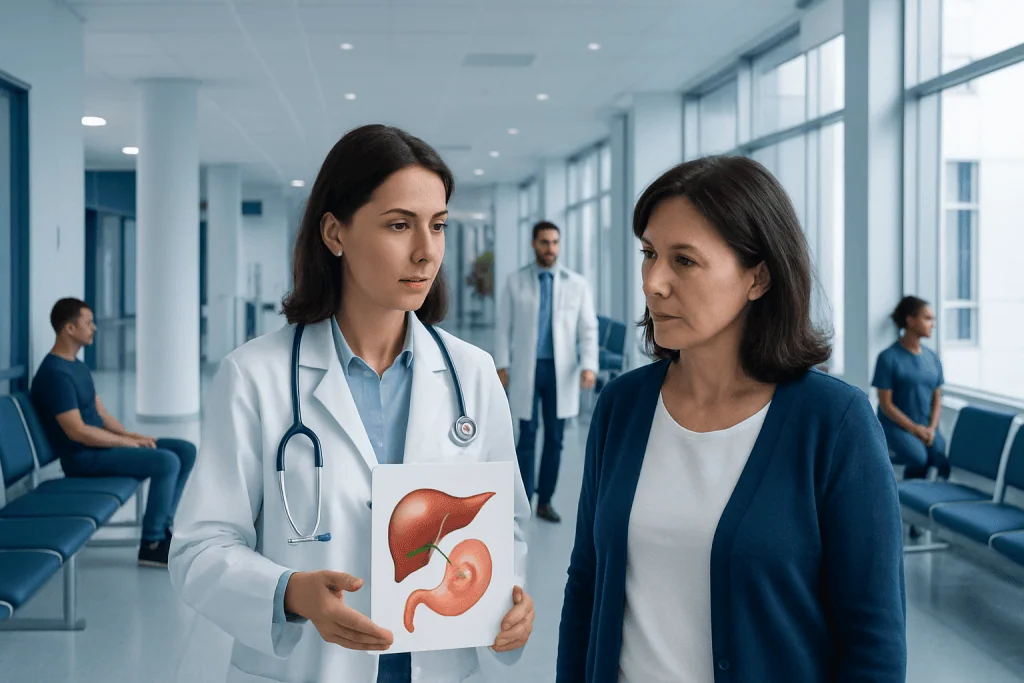
Gallbladder cancer often causes few or nonspecific symptoms in its early stages. Ultrasound, CT, MRI, and other imaging tests help detect and stage the disease.
Key Takeaways
- Gallbladder cancer often causes few or nonspecific symptoms in its early stages.
- Ultrasound, CT, MRI, and other imaging tests help detect and stage the disease.
- A biopsy is not always done before surgery, but tissue diagnosis may be needed in some cases.
- Treatment depends on the stage and may include surgery, chemotherapy, radiation therapy, or palliative care.
- Persistent jaundice, abdominal pain, unexplained weight loss, or a gallbladder mass should be assessed by a doctor.
Gallbladder cancer is an uncommon cancer that begins in the gallbladder, a small organ beneath the liver. Because early signs can be vague or absent, imaging tests, specialist evaluation, and timely treatment planning are especially important.
Overview of Gallbladder Cancer
Gallbladder cancer starts in the tissues of the gallbladder, a small pear-shaped organ located under the liver. The gallbladder stores bile, a fluid made by the liver that helps digest fats. Although this cancer is rare compared with many other digestive cancers, it can be serious because it is often found at a later stage.
One reason gallbladder cancer can be difficult to detect is that early disease may not cause noticeable symptoms. When symptoms do appear, they may resemble more common gallbladder problems such as gallstones or inflammation. For this reason, some cases are discovered unexpectedly after gallbladder surgery done for another reason.
Gallbladder cancer can begin in different types of cells, but most cases are adenocarcinomas, meaning they arise from gland-like cells lining the gallbladder. Doctors assess how far the cancer has grown into the gallbladder wall, whether it has spread to nearby organs or lymph nodes, and whether it has traveled to distant parts of the body. This staging process guides treatment decisions.
Symptoms and Warning Signs
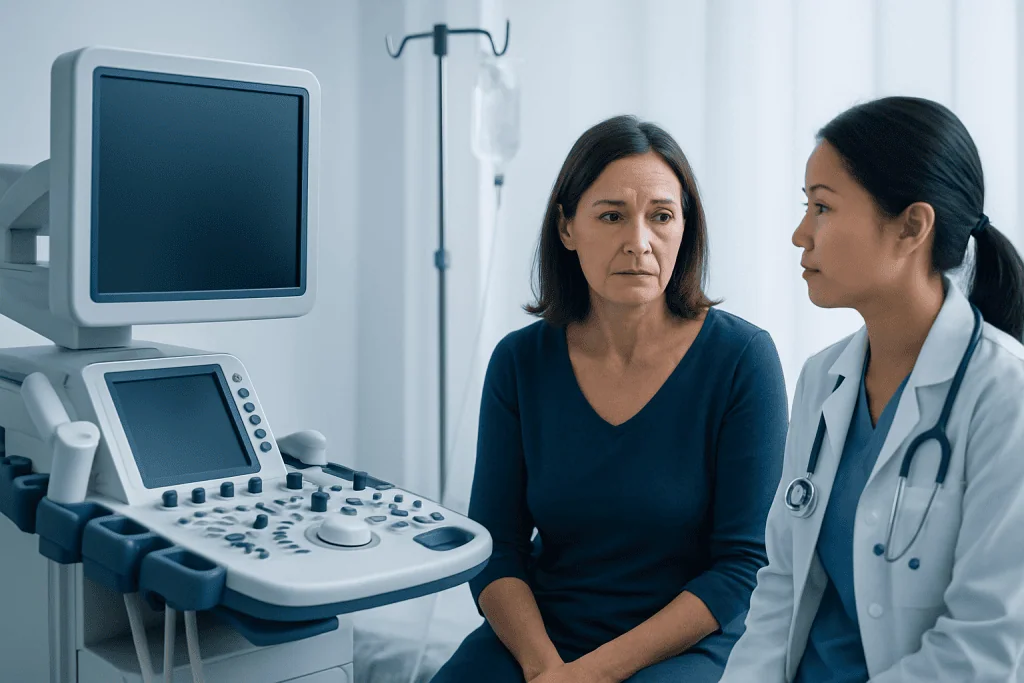
Early gallbladder cancer may cause no symptoms at all. When symptoms develop, they are often vague and can overlap with many noncancerous digestive conditions. This can make early diagnosis challenging and is one reason why medical evaluation is important when symptoms persist.
Possible symptoms and signs may include:
- Pain or discomfort in the upper right side of the abdomen
- Bloating or a feeling of fullness
- Nausea or vomiting
- Loss of appetite
- Unexplained weight loss
- Jaundice, which causes yellowing of the skin and eyes
- Dark urine or pale stools
- Fever in some cases
Jaundice can happen if a tumor blocks the normal flow of bile. Some people may also notice itching, which can occur when bile salts build up in the body. These symptoms do not necessarily mean cancer is present, but they do deserve prompt medical attention.
In some situations, doctors find a suspicious gallbladder mass or wall thickening during imaging done for gallstones, abdominal pain, or abnormal liver tests. Ongoing or worsening symptoms should not be ignored, especially in older adults or in people with known gallbladder disease.
Causes and Risk Factors
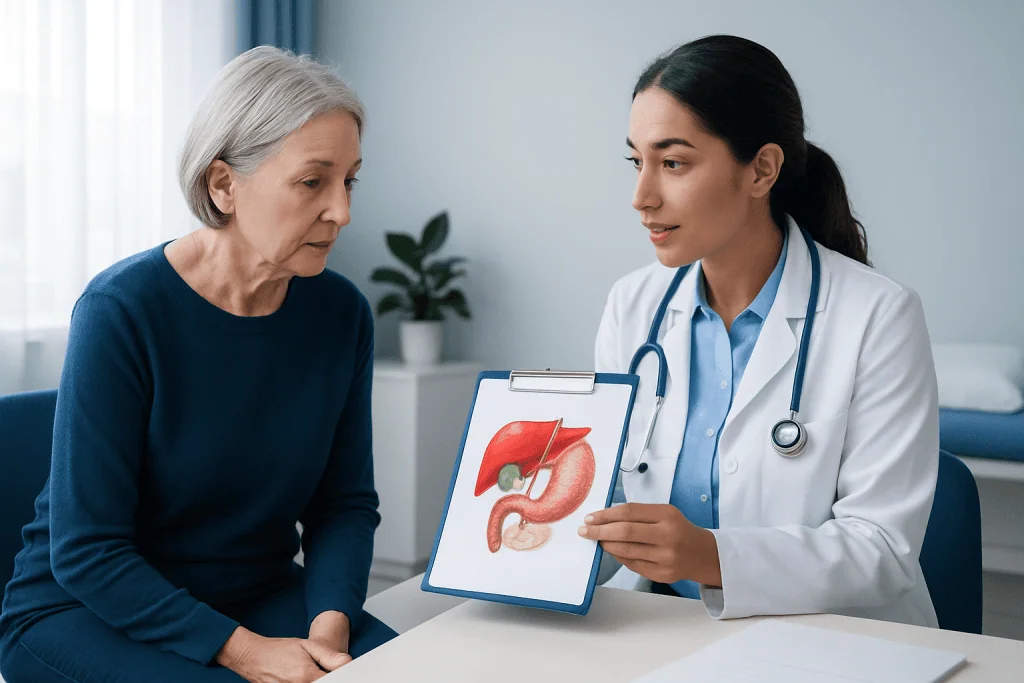
The exact cause of gallbladder cancer is not always clear. Cancer develops when cells begin to grow and divide abnormally. Over time, these cells can form a tumor and may invade nearby structures such as the liver or bile ducts.
Several factors are linked with a higher risk of gallbladder cancer. Gallstones are one of the most common associations, especially when they have been present for many years. Chronic inflammation of the gallbladder may also contribute to long-term cell changes. However, it is important to remember that most people with gallstones do not develop gallbladder cancer.
Other possible risk factors include:
- Older age
- Female sex
- Gallbladder polyps, especially larger polyps
- Porcelain gallbladder, a condition involving calcification of the gallbladder wall
- Certain bile duct abnormalities
- Long-standing inflammation or infection affecting the biliary system
- Obesity and some metabolic risk factors
- Family history in a small number of cases
Risk factors help doctors understand who may need closer evaluation, but they do not predict with certainty whether someone will develop cancer. A person without known risk factors can still be diagnosed, while many people with risk factors never develop the disease.
How Gallbladder Cancer Is Diagnosed
Diagnosis usually begins with a medical history, a physical examination, and blood tests. Doctors may check liver function tests and bilirubin levels, especially if jaundice is present. Blood tests alone cannot confirm gallbladder cancer, but they can provide important clues about bile duct blockage or liver involvement.
Imaging tests are central to diagnosis. Ultrasound is often the first test because it is widely available and can show gallstones, gallbladder wall thickening, or a mass. If ultrasound raises concern, doctors may order more detailed imaging such as a CT scan or MRI. MRI with MRCP can provide a closer look at the bile ducts and nearby structures, while CT helps assess spread to the liver, lymph nodes, or other organs.
Additional imaging or procedures may sometimes be needed. These can include endoscopic ultrasound, PET imaging in selected cases, or procedures to evaluate blocked bile ducts. If there is uncertainty, specialists may consider a biopsy. However, a biopsy is not performed in every patient before surgery, because in some situations the imaging findings and surgical plan make immediate removal more appropriate.
Once the cancer is confirmed or strongly suspected, staging is performed. Staging describes the size of the tumor, depth of invasion, lymph node involvement, and distant spread. This step is essential because treatment options for early, localized gallbladder cancer differ greatly from those for advanced disease.
Treatment Options
Treatment depends mainly on the stage of the cancer, the person’s overall health, and whether the tumor can be completely removed. Care is often planned by a multidisciplinary team that may include hepatobiliary surgeons, medical oncologists, radiation oncologists, radiologists, gastroenterologists, and pathologists.
Surgery offers the best chance of cure when gallbladder cancer is found early and is still localized. In some cases, a simple gallbladder removal may be enough if the cancer is very early and discovered incidentally after surgery. In other cases, more extensive surgery is needed to remove part of the liver, nearby lymph nodes, or involved bile ducts. Patients may benefit from specialist evaluation for gallbladder removal surgery or a more advanced liver resection when appropriate.
If the cancer is more advanced, treatment may include chemotherapy, sometimes with radiation therapy. These treatments may be used after surgery to reduce the risk of recurrence, before surgery in selected cases, or as the main treatment when surgery is not possible. A doctor may also discuss supportive procedures such as ERCP to relieve bile duct blockage and improve symptoms such as jaundice.
For advanced disease, the goals of treatment may include slowing cancer growth, relieving symptoms, and supporting quality of life. Pain control, nutritional support, and management of nausea or itching can be important parts of care. If a related problem such as gallstones or biliary obstruction is present, treating it may also help improve comfort and function.
Prevention and Self-Care
There is no guaranteed way to prevent gallbladder cancer, but supporting gallbladder and overall digestive health may be helpful. Because some risk is linked to chronic gallbladder disease, timely medical care for recurring gallbladder symptoms matters. Ongoing pain after meals, repeated attacks of gallbladder inflammation, or known large polyps should be discussed with a healthcare professional.
General healthy lifestyle habits can support overall cancer prevention and metabolic health. These include maintaining a healthy weight, staying physically active, eating a balanced diet rich in vegetables and fiber, and limiting highly processed foods. These steps are beneficial for general well-being even though they cannot fully prevent gallbladder cancer.
Self-care is also important during diagnosis and treatment. Keeping a symptom diary, attending follow-up appointments, and asking about test results can help patients stay informed. People undergoing treatment may benefit from practical measures such as eating smaller meals, staying hydrated, and speaking with their care team about fatigue, appetite changes, or emotional stress.
When to See a Doctor
A doctor should evaluate persistent upper abdominal pain, especially if it occurs on the right side or is associated with nausea, poor appetite, or unexplained weight loss. Medical attention is also important if a person develops jaundice, dark urine, pale stools, fever, or ongoing bloating. These symptoms can be caused by several conditions, but they should not be ignored.
People with known gallbladder polyps, recurrent gallbladder inflammation, or longstanding gallstone disease should keep regular follow-up if advised by their doctor. Any change in symptoms may justify further imaging or referral to a specialist. Early evaluation can help identify whether the cause is benign gallbladder disease or something more serious.
If gallbladder cancer is suspected or confirmed, specialist care is important for accurate staging and treatment planning. Near the end of the care pathway, some international patients may seek evaluation at centers such as Acibadem International, where multidisciplinary specialists in JCI-accredited hospitals diagnose and treat gallbladder and biliary cancers.
Frequently asked questions
Is gallbladder cancer common?
Gallbladder cancer is considered uncommon compared with many other cancers of the digestive system. Even so, it is important because it may not cause clear symptoms early on and can be discovered at a later stage.
What is usually the first test for gallbladder cancer?
Ultrasound is often the first imaging test used when gallbladder disease is suspected. It can detect gallstones, thickening of the gallbladder wall, or a possible mass, and it helps doctors decide whether further tests are needed.
Can gallbladder cancer be mistaken for gallstones?
Yes, the symptoms can overlap. Pain, nausea, and digestive discomfort are common in both conditions, which is why imaging and specialist assessment are important when symptoms persist or seem unusual.
Does gallbladder cancer always require a biopsy?
Not always. In some patients, imaging findings and the surgical plan are enough to proceed without a preoperative biopsy, while in others a tissue sample may be needed to confirm the diagnosis and guide treatment.
Can gallbladder cancer be cured?
Cure is most likely when gallbladder cancer is found early and can be completely removed with surgery. If the disease is more advanced, treatment may still help control the cancer, relieve symptoms, and improve quality of life.
What treatments are used if surgery is not possible?
If surgery is not an option, treatment may include chemotherapy, radiation therapy, or procedures to relieve blocked bile ducts and reduce symptoms. The exact approach depends on the stage of the cancer, the person's health, and treatment goals.
References
- World Health Organization
- National Cancer Institute
- American Cancer Society
- National Comprehensive Cancer Network
- European Society for Medical Oncology
This article is for general information only and is not a substitute for professional medical advice. Please consult a qualified doctor about your individual situation.
Bladder Cancer in Turkey — costs, top hospitals & a free quote
JCI-accredited · board-certified surgeons · reply within 24h
Add us as a Preferred Source to see more of our trusted health content across Google Search, AI Overviews and Discover.

Medical Oncology Department
Medical treatment of cancer with chemotherapy, immunotherapy and targeted therapies under a multidisciplinary tumor board.
60 specialists in this unitMore from the Health Library



Related Specialists

Dr. Alper Canpolat
Internal Medicine
Assoc. Prof. Dr. Onur Tunali
Orthopedic Surgery & Traumatology
Prof. Dr. Nesliar Eser Kutsal
Gastroenterology
Prof. Dr. Emre Toğrul
Orthopedic Surgery & Traumatology