Gallbladder Pain: Possible Causes and When to Seek Care

Gallbladder pain commonly causes a steady ache or cramping in the upper right abdomen, sometimes after eating fatty meals. Gallstones are a frequent cause, but infection, inflammation, bile duct blockage, and other digestive problems can cause similar symptoms.
Key Takeaways
- Gallbladder pain commonly causes a steady ache or cramping in the upper right abdomen, sometimes after eating fatty meals.
- Gallstones are a frequent cause, but infection, inflammation, bile duct blockage, and other digestive problems can cause similar symptoms.
- Pain with fever, vomiting, jaundice, or pain lasting more than a few hours needs prompt medical attention.
- Doctors usually diagnose the cause with a physical exam, blood tests, and abdominal ultrasound.
- Treatment depends on the cause and may range from symptom control to surgery to remove the gallbladder.
Gallbladder pain is usually felt in the upper right abdomen and is often caused by gallstones or inflammation of the gallbladder. It can sometimes settle on its own, but severe, persistent, or repeated pain needs medical evaluation to rule out complications.
Overview: What gallbladder pain usually means
Gallbladder pain usually refers to pain felt in the upper right side of the abdomen, just under the ribs. In many people, it is related to gallstones blocking the normal flow of bile. This can cause a sudden attack of pain after eating, especially after a rich or fatty meal, or it can lead to ongoing inflammation that causes more persistent symptoms.
Although the gallbladder is a small organ, problems affecting it can cause pain that feels quite intense. The discomfort may stay in one spot or spread to the upper middle abdomen, the back, or the right shoulder blade. Some people describe it as a deep pressure, a gripping pain, or a steady ache rather than a sharp stabbing sensation.
Gallbladder pain is not always caused by the gallbladder itself. Conditions involving the liver, stomach, pancreas, intestines, or even the heart can sometimes cause similar symptoms. That is why repeated or severe upper abdominal pain should be assessed by a doctor instead of being self-diagnosed.
What gallbladder pain feels like
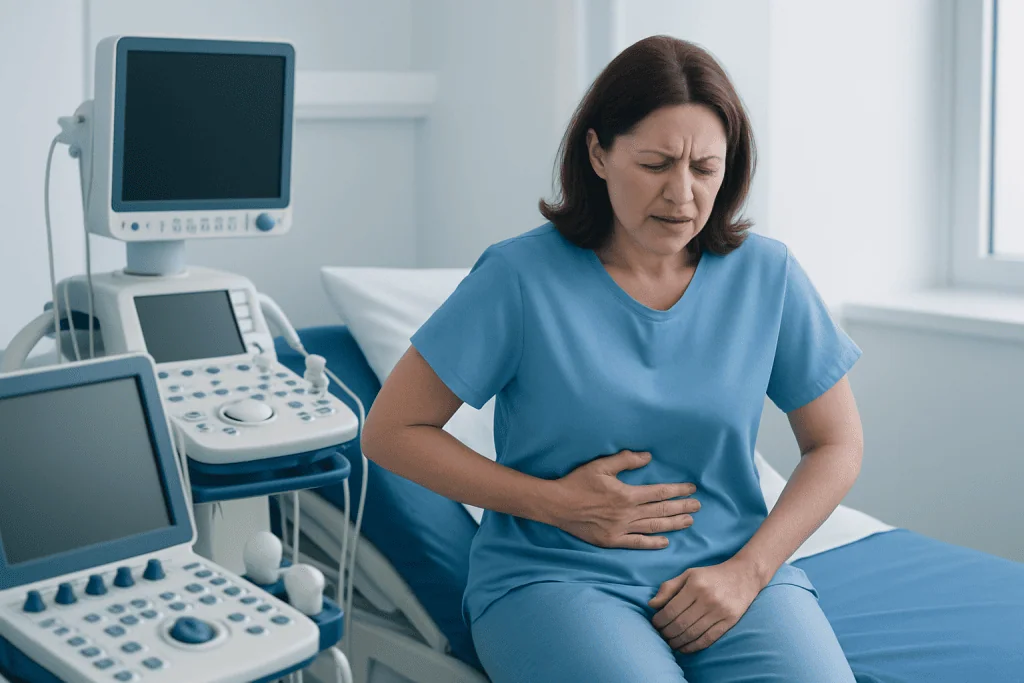
The classic pattern is pain in the upper right abdomen that begins suddenly and builds over minutes. It may last from half an hour to several hours. In some cases, it starts after a meal, particularly one high in fat, because eating triggers the gallbladder to squeeze and release bile.
Many people also notice nausea, bloating, belching, or a feeling of fullness. If the pain is due to a temporary blockage from a stone, symptoms may come in episodes with symptom-free periods in between. If inflammation or infection develops, the pain tends to last longer and may become more constant.
Features that can occur with gallbladder-related pain include:
- Upper right abdominal pain
- Pain in the upper middle abdomen
- Pain that radiates to the back or right shoulder
- Nausea or vomiting
- Pain after eating, especially fatty foods
- Tenderness when the upper abdomen is pressed
Not everyone has the same experience. Older adults, people with diabetes, and some children may have less typical symptoms, which can make diagnosis less obvious.
Possible causes of gallbladder pain

The most common cause of gallbladder pain is gallstones. These are hardened deposits that form in the gallbladder and may block its outlet or the bile ducts. A short-lived blockage can trigger biliary colic, while a longer blockage can lead to inflammation called cholecystitis. People who have symptoms from stones may be diagnosed with gallstones.
Other gallbladder and bile duct causes include inflammation without stones, bile duct stones, infection, and less commonly growths that affect bile flow. Gallbladder function problems can also cause pain even when stones are not clearly seen on imaging. In some cases, the underlying issue is in a nearby organ rather than the gallbladder itself.
Conditions that may mimic gallbladder pain include acid reflux, peptic ulcer disease, liver inflammation, pancreatitis, irritable bowel symptoms, kidney stones, and certain heart conditions. Because these problems can overlap, doctors consider the location, timing, associated symptoms, blood tests, and imaging before confirming the cause.
If pain is linked to a blocked bile duct or pancreatic irritation, doctors may also evaluate for related problems such as pancreatitis, since gallstones can sometimes trigger inflammation beyond the gallbladder itself.
Risk factors and triggers
Gallbladder pain is more likely when a person already has gallstones or sludge in the gallbladder. Stones can form when the balance of substances in bile changes. Risk increases with age, family history, obesity, rapid weight loss, pregnancy, and some metabolic conditions. Certain medications and hormone-related factors can also play a role.
Symptoms are often triggered when the gallbladder contracts after eating. Meals high in fat are a common trigger, although pain can happen at other times as well. Some people have silent gallstones for years and only develop symptoms when a stone briefly blocks the gallbladder outlet.
Repeated attacks should not be ignored even if they settle by themselves. Recurrent episodes suggest an ongoing gallbladder problem that may eventually lead to inflammation, infection, or bile duct blockage. Early assessment can help prevent complications and guide whether monitoring or treatment is the better option.
How doctors diagnose the cause
Diagnosis begins with a careful medical history and physical examination. The doctor will ask where the pain is located, how long it lasts, whether it follows meals, and whether there are associated symptoms such as fever, vomiting, dark urine, pale stools, or yellowing of the eyes and skin. During the examination, tenderness in the upper right abdomen can offer useful clues.
Blood tests may be used to look for signs of infection, inflammation, liver irritation, or pancreatic involvement. These tests help show whether the problem is limited to the gallbladder or whether the bile ducts or pancreas may also be affected.
Ultrasound is usually the first imaging test because it can often identify gallstones, gallbladder wall thickening, or bile duct dilation. Depending on the symptoms, doctors may also use more advanced imaging or endoscopic procedures. If a stone is suspected in the bile duct, evaluation and treatment may involve ERCP to identify and remove the blockage. In selected cases, surgery such as gallbladder surgery is recommended once the cause is confirmed.
Treatment options for gallbladder pain
Treatment depends on what is causing the pain, how severe it is, and whether complications are present. A one-time mild episode may only need assessment, symptom control, and follow-up. However, repeated biliary pain, inflammation, infection, or bile duct obstruction usually needs more active treatment.
If gallstones are causing symptoms, the most common long-term treatment is removal of the gallbladder, typically with minimally invasive surgery. People can usually live normally without a gallbladder because bile continues to flow from the liver to the intestine. When surgery is not immediately appropriate, doctors may first treat pain, nausea, dehydration, or infection and then plan the next step.
If a stone has moved into the bile duct, a specialist may remove it with an endoscopic bile duct procedure. If inflammation of the gallbladder is significant or attacks keep returning, surgical removal of the gallbladder is often advised to prevent further episodes. The best plan depends on the patient’s symptoms, overall health, and imaging findings.
For international patients needing coordinated care, Acibadem International’s multidisciplinary specialists and JCI-accredited hospitals diagnose and treat gallbladder and bile duct conditions using individualized treatment plans.
Self-care and prevention
Self-care does not replace medical evaluation, but it may help reduce discomfort while awaiting assessment. Many doctors advise avoiding heavy or fatty meals if these clearly trigger pain. Eating regular, balanced meals and staying well hydrated may also help support digestive comfort.
Long-term prevention focuses mainly on lowering the risk of gallstones and complications. Gradual, sustainable weight management is usually better than rapid weight loss, which can increase the chance of stone formation. A balanced eating pattern with adequate fiber and regular physical activity supports overall digestive and metabolic health.
It is important not to rely on home remedies for severe pain or suspected infection. Supplements, cleanses, or so-called gallbladder flushes are not proven to safely remove stones and may delay effective care. If symptoms keep returning, formal medical evaluation is the safest approach.
When to seek medical care
Gallbladder pain should be assessed promptly if it is severe, lasts more than a few hours, or keeps coming back. Medical attention is especially important when pain is accompanied by fever, chills, vomiting, yellowing of the skin or eyes, dark urine, pale stools, or marked abdominal tenderness. These symptoms can suggest inflammation, infection, or a blockage in the bile ducts.
Emergency care may be needed if the pain is intense, the person cannot keep fluids down, or the symptoms are confusing and could reflect another urgent condition. Upper abdominal pain can overlap with problems involving the pancreas, liver, stomach, or heart, so it is safer to have persistent or severe symptoms checked rather than waiting at home.
A doctor can help determine whether the cause is likely gallbladder-related or whether another condition needs treatment. Early diagnosis often allows treatment before complications develop and may reduce the risk of recurrent painful attacks.
Frequently asked questions
Where is gallbladder pain usually felt?
Gallbladder pain is usually felt in the upper right part of the abdomen, under the ribs. It may also spread to the upper middle abdomen, the back, or the right shoulder blade.
Can gallbladder pain come and go?
Yes. Pain caused by gallstones often comes in episodes, especially if a stone temporarily blocks the gallbladder outlet and then moves away. Recurrent attacks still need medical assessment because they can lead to inflammation or other complications over time.
Does gallbladder pain always happen after eating?
Not always, but it often occurs after meals, especially fatty meals, because eating makes the gallbladder contract. Some people also have pain at night or without a clear food trigger.
How do doctors tell gallbladder pain from other abdominal pain?
Doctors use the location and pattern of the pain, associated symptoms, physical examination, blood tests, and imaging such as ultrasound. This helps distinguish gallbladder problems from issues involving the stomach, liver, pancreas, kidneys, or heart.
Will gallbladder pain go away on its own?
A short attack may settle on its own if the blockage is temporary. However, pain that is severe, repeated, or associated with fever, jaundice, or vomiting should not be ignored because the underlying cause may worsen.
What is the usual treatment for painful gallstones?
If gallstones are causing symptoms, the most common definitive treatment is surgical removal of the gallbladder. If a stone is stuck in the bile duct, an endoscopic procedure may be used to remove it before or instead of surgery, depending on the situation.
References
- National Institute of Diabetes and Digestive and Kidney Diseases
- American College of Gastroenterology
- National Health Service
- Mayo Clinic
- Society of American Gastrointestinal and Endoscopic Surgeons
This article is for general information only and is not a substitute for professional medical advice. Please consult a qualified doctor about your individual situation.
Explore treatments in Turkey — costs, top hospitals & a free quote
JCI-accredited · board-certified surgeons · reply within 24h
Add us as a Preferred Source to see more of our trusted health content across Google Search, AI Overviews and Discover.