Gallstones Removal Cost: What Patients Need to Know

Gallstones removal cost varies based on the treatment method, hospital setting, and whether surgery is urgent or planned. Laparoscopic gallbladder removal is commonly used, but some patients need more complex care or a longer hospital stay.
Key Takeaways
- Gallstones removal cost varies based on the treatment method, hospital setting, and whether surgery is urgent or planned.
- Laparoscopic gallbladder removal is commonly used, but some patients need more complex care or a longer hospital stay.
- Pre-operative tests, anesthesia, imaging, surgeon fees, medications, and follow-up care can all affect total cost.
- Patients should ask for an itemized estimate and clarify what is and is not included before treatment.
- Not all gallstones need surgery; treatment decisions depend on symptoms, complications, and overall health.
- Prompt medical evaluation is important for severe pain, fever, jaundice, or vomiting.
Gallstones removal cost is not a single fixed number. It usually reflects the type of treatment needed, whether care is planned or urgent, the tests involved, the hospital stay, and practical factors such as insurance coverage or international travel.
Overview: what gallstones removal cost usually includes
Gallstones removal cost usually includes much more than the procedure itself. The total amount can be shaped by consultations, blood tests, ultrasound or other imaging, anesthesia, operating room charges, medications, the surgeon’s and hospital’s professional fees, and follow-up care. If a person needs emergency treatment, treatment for infection, or a longer admission, costs are often higher than for a planned procedure.
The most common operation for symptomatic gallstones is gallbladder removal, also called cholecystectomy. In many cases this is done with keyhole surgery, known as laparoscopic cholecystectomy, which often involves smaller incisions and a shorter recovery than open surgery. However, some patients need open surgery or added procedures if there is inflammation, scarring, or stones in the bile duct.
For patients comparing treatment options, the most helpful approach is not to focus on a single advertised figure. Instead, it helps to understand what care is medically necessary and what services are included in the estimate. This can make planning clearer and reduce the chance of unexpected expenses later.
Why gallstones need treatment in some people
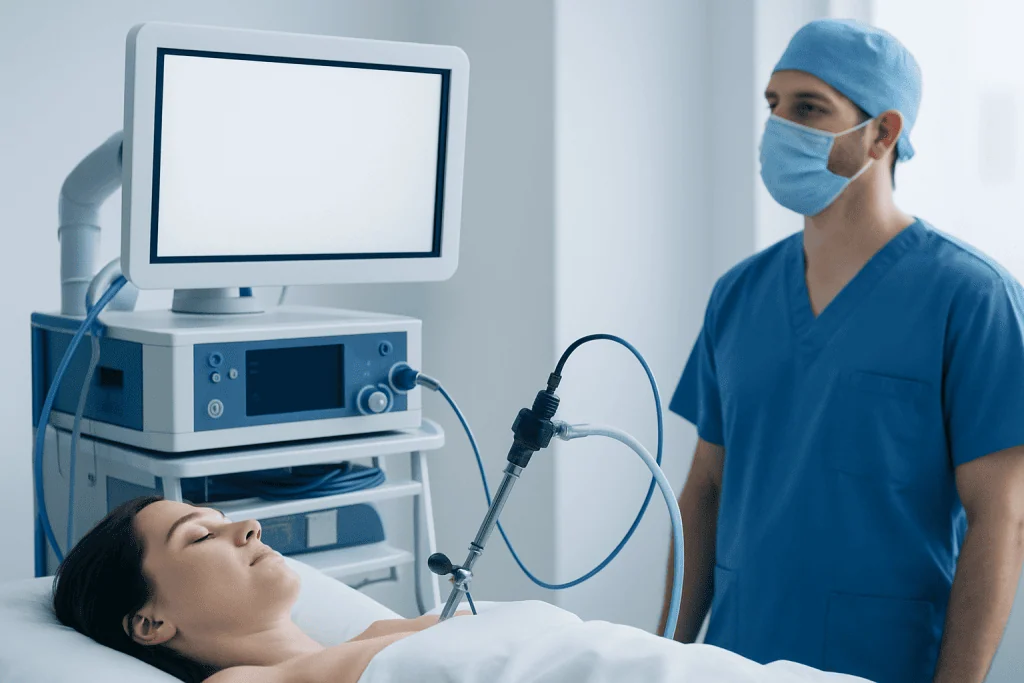
Gallstones are hardened deposits that form in the gallbladder. Some people never notice them and may not need treatment at all. Others develop symptoms when a stone blocks the flow of bile, causing pain or inflammation. In these situations, a doctor may recommend active treatment rather than watchful waiting.
Symptoms often include pain in the upper right or middle upper abdomen, especially after meals, nausea, vomiting, bloating, or discomfort that comes in episodes. If gallstones lead to complications such as infection of the gallbladder, blockage of the bile ducts, or pancreatitis, treatment becomes more urgent. A person may also be assessed for related digestive conditions such as gallbladder conditions if symptoms or imaging findings require closer evaluation.
Cost is therefore linked to medical need. Someone with simple, uncomplicated symptoms may need straightforward outpatient surgery, while a person with severe inflammation or blocked ducts may need hospitalization, additional imaging, or a staged treatment plan.
Main factors that affect gallstones removal cost

Several clinical and practical factors can change the total cost of treatment. One of the biggest is whether care is elective or emergency. Planned surgery generally allows for standard pre-operative preparation and scheduling, while emergency care may involve admission through the emergency department, rapid imaging, intravenous medicines, and a longer stay.
The surgical approach also matters. Many patients are treated with gallbladder surgery using a laparoscopic technique, but some need an open operation. Open surgery may be recommended if there is significant inflammation, scar tissue from prior operations, bleeding risk, or if the laparoscopic procedure needs to be converted for safety reasons. Open procedures can increase recovery time and related hospital costs.
Another important factor is whether stones are limited to the gallbladder or have moved into the bile duct. If duct stones are suspected, a doctor may recommend additional imaging or a separate endoscopic procedure. In some cases, patients need ERCP to remove stones from the bile duct before or after gallbladder surgery. This adds both clinical complexity and cost.
Other cost factors may include:
- Consultation with a general surgeon or gastroenterologist
- Blood tests, ultrasound, MRCP, CT, or other imaging
- Anesthesia and recovery room care
- Length of hospital stay or same-day discharge
- Prescription medicines and pain control after discharge
- Pathology review of the removed gallbladder
- Follow-up visits and time away from work or travel needs
Diagnosis and pre-operative assessment
Before discussing treatment cost, doctors first confirm whether gallstones are truly causing the symptoms. This usually starts with a medical history, physical examination, and abdominal ultrasound. Blood tests may also be done to look for signs of infection, liver irritation, bile duct blockage, or inflammation of the pancreas.
If symptoms are atypical or the anatomy needs closer review, additional imaging may be suggested. This may include MRI-based bile duct imaging or CT in selected cases. Patients with jaundice, abnormal liver tests, or suspected bile duct stones may need more detailed evaluation before surgery. The purpose of this workup is not only diagnostic accuracy but also safer treatment planning.
Pre-operative assessment can also include an anesthesia review, especially for older adults or those with heart disease, lung disease, diabetes, obesity, or prior abdominal surgery. These health factors do not automatically prevent surgery, but they may affect the surgical plan, monitoring needs, and recovery pathway. As a result, they can influence the overall cost of care as well.
Treatment options and how they influence cost
Not every patient with gallstones is treated the same way. When stones are found by chance and are not causing symptoms, many people do not need immediate surgery. By contrast, repeated pain attacks, inflammation, or complications usually lead doctors to recommend removal of the gallbladder, since stones often recur if only the symptoms are treated.
Laparoscopic cholecystectomy is the standard treatment for many symptomatic cases. It is widely used because it is effective and often allows faster recovery than open surgery. Even so, the total cost still varies depending on the hospital, the operating time, the patient’s health status, and whether overnight observation is needed.
If complications are present, care may involve more than one procedure. For example, bile duct stones may be treated with advanced endoscopic treatment before surgery. Some patients with severe infection may first need antibiotics, drainage, or stabilization before an operation is considered. In these situations, comparing prices without understanding the treatment pathway can be misleading.
Patients should also remember that the lowest estimate is not always the most useful figure. A more meaningful comparison looks at what is included, the experience of the care team, the hospital’s standards, and the expected plan for recovery and follow-up.
How to compare estimates and plan financially
When asking about gallstones removal cost, patients may find it helpful to request an itemized estimate. This should explain whether the quote covers consultations, tests, surgery, anesthesia, hospital stay, medications, pathology, and follow-up appointments. It is also wise to ask what might increase the final bill, such as a longer stay, intensive monitoring, or the need for extra procedures.
For insured patients, coverage details can affect out-of-pocket expenses significantly. Deductibles, co-payments, network restrictions, pre-authorization requirements, and exclusions for international treatment can all change the final amount. Patients without insurance may wish to ask about package pricing, payment plans, or whether any services are billed separately by different clinicians.
International patients often need to plan for travel-related costs in addition to medical treatment. These can include visas, flights, accommodation, local transportation, interpreter support, and the possibility of staying longer if recovery takes more time than expected. A hospital with coordinated international patient services may help organize these practical details.
Near the end of the planning process, it can be helpful to confirm how quickly normal eating, work, exercise, and travel may resume. This is especially important for those arranging treatment abroad. Acibadem International’s multidisciplinary specialists and JCI-accredited hospitals diagnose and treat gallstone-related conditions for international patients, with care plans tailored to the patient’s medical needs.
Recovery, self-care, and possible additional expenses
Recovery after gallbladder removal depends on the surgical method and the person’s overall health. Many patients recover more quickly after laparoscopic surgery than after open surgery, but individual timelines vary. Temporary tiredness, mild abdominal discomfort, and activity restrictions are common in the early days after the operation.
Additional costs after surgery may include prescription medicines, wound care supplies, repeat appointments, or laboratory tests if the doctor wants to monitor recovery. Some people also need time off work or help at home for a short period. These indirect costs are easy to overlook when comparing procedure estimates.
Self-care after treatment generally includes following discharge instructions, drinking enough fluids, gradually returning to activity, and introducing foods as advised by the doctor. Some people notice temporary digestive changes after gallbladder removal, but many return to their usual routine over time. If symptoms continue or new symptoms develop, the care team should review them promptly.
When to seek medical care
Medical advice should be sought if a person has repeated upper abdominal pain, especially after meals, or symptoms such as nausea and vomiting that keep coming back. Evaluation is also appropriate if there is unexplained bloating, pain spreading to the back or right shoulder, or symptoms that disrupt daily life.
Urgent medical care is important if abdominal pain is severe or lasting, or if it is accompanied by fever, chills, yellowing of the eyes or skin, dark urine, pale stools, confusion, or persistent vomiting. These symptoms can suggest a complication such as infection, bile duct blockage, or pancreatitis and should not be ignored.
People with known gallstones should not try to judge severity by pain alone. A qualified doctor can determine whether symptoms are due to uncomplicated gallstones or a more serious problem that needs prompt treatment. Early assessment may also help avoid more complex and costly care later on.
Frequently asked questions
Is there a fixed gallstones removal cost?
No. Gallstones removal cost is not a single standard amount because treatment needs vary from person to person. The final total often depends on the tests required, the type of procedure, the hospital stay, and whether the situation is urgent or planned.
Does everyone with gallstones need surgery?
No. Some gallstones cause no symptoms and may not need treatment. Surgery is usually considered when gallstones cause repeated pain, inflammation, infection, or complications affecting the bile ducts or pancreas.
What is usually included in a cost estimate for gallbladder removal?
A full estimate may include surgeon and hospital fees, anesthesia, pre-operative tests, imaging, medicines, pathology, and follow-up care. Patients should ask for an itemized breakdown because some services may be billed separately.
Why can the cost increase after treatment starts?
Costs can rise if doctors discover complications such as infection, severe inflammation, or stones in the bile duct. A longer hospital stay, extra imaging, or an additional procedure may also change the final bill.
Is laparoscopic surgery always possible for gallstones?
Not always. Laparoscopic surgery is common, but some patients need open surgery for safety reasons or because of severe inflammation, scar tissue, or other technical concerns. The surgeon recommends the safest option based on the patient’s condition.
How can patients compare treatment options more effectively?
It helps to compare what is medically included, not just the headline price. Patients can ask about the procedure type, expected length of stay, follow-up plan, possible extra charges, and the reasons a more complex treatment pathway might be needed.
References
- National Institute of Diabetes and Digestive and Kidney Diseases
- American College of Gastroenterology
- Society of American Gastrointestinal and Endoscopic Surgeons
- National Health Service
- Mayo Clinic
This article is for general information only and is not a substitute for professional medical advice. Please consult a qualified doctor about your individual situation.
Gallstones in Turkey — costs, top hospitals & a free quote
JCI-accredited · board-certified surgeons · reply within 24h
Add us as a Preferred Source to see more of our trusted health content across Google Search, AI Overviews and Discover.

General Surgery
Open, laparoscopic and robotic surgery for a broad range of abdominal and soft-tissue conditions.
119 specialists in this unitMore from the Health Library

Sperm Cell — Explained by Medical Evidence, Not Myths

Dumbbell for Arms Workout: A Complete Medical Overview

Fever Blisters in Corner of Mouth: An Evidence-Based Guide for Patients

Aesthetic Medicine News Today: What Patients Need to Know

Ambien: What Patients Need to Know