Gamma Knife: What Patients Need to Know
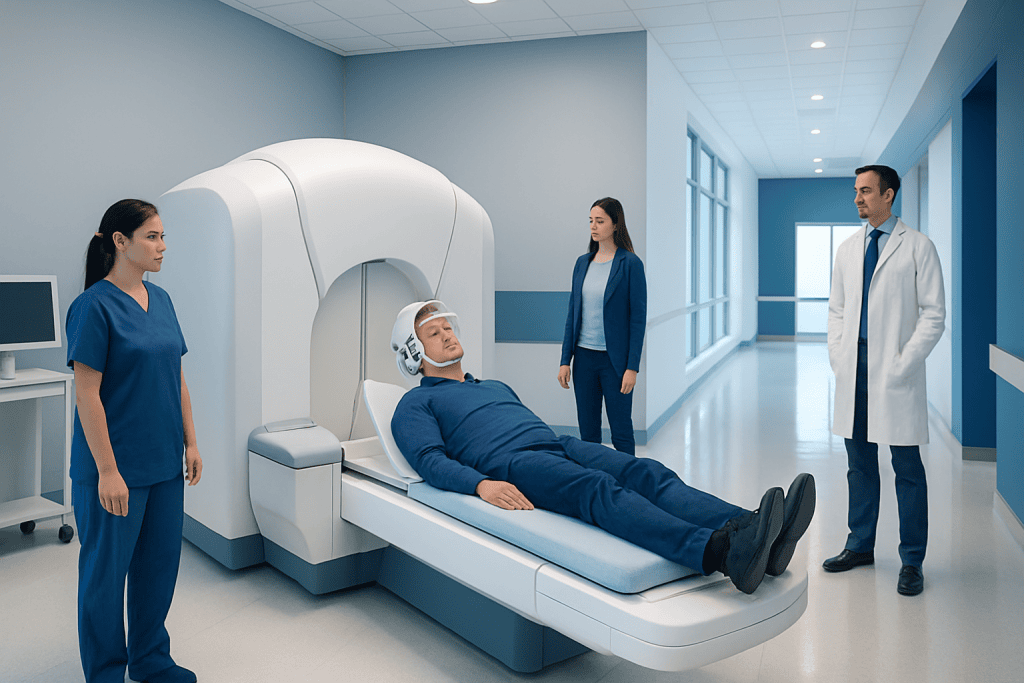
Gamma knife is a type of stereotactic radiosurgery, not a traditional knife-based operation. It delivers many small beams of radiation to a precise target while limiting exposure to nearby healthy tissue.
Key Takeaways
- Gamma knife is a type of stereotactic radiosurgery, not a traditional knife-based operation.
- It delivers many small beams of radiation to a precise target while limiting exposure to nearby healthy tissue.
- It may be used for certain brain tumors, vascular abnormalities, and some nerve-related conditions such as trigeminal neuralgia.
- Treatment usually involves imaging, careful planning, and a single session, though some cases need more than one treatment.
- Most people recover quickly, but follow-up imaging is important because results may develop over weeks to months.
Gamma knife is a highly focused form of radiation treatment used mainly for conditions in the brain and head. It does not involve a surgical incision, and many patients go home the same day after treatment planning and radiosurgery.
What gamma knife is and how it works
Gamma knife is a specialized form of stereotactic radiosurgery used to treat certain conditions in the brain, head, and upper neck. Despite its name, it is not a knife and does not involve a cut. Instead, it uses many carefully focused beams of radiation that meet at a precise target, where they deliver a therapeutic dose while reducing radiation exposure to surrounding tissue.
Doctors most often use gamma knife for small to medium brain tumors, some blood vessel abnormalities, and selected nerve disorders. It can be an option when open surgery would be difficult, when a person is not a good candidate for conventional surgery, or when treatment is needed for an area that requires a very high degree of precision.
The treatment effect depends on the condition being treated. For tumors, gamma knife aims to stop or slow growth. For vascular lesions, it may help seal abnormal vessels over time. For pain conditions such as trigeminal neuralgia, it works by targeting part of the nerve pathway to reduce pain signals. Results are often not immediate, so follow-up visits and imaging are an important part of care.
Which conditions may be treated with gamma knife
Gamma knife is most commonly used for problems inside the skull. These include benign and malignant brain tumors, tumors that have spread to the brain, arteriovenous malformations, acoustic neuromas, pituitary adenomas, meningiomas, and selected functional disorders. In some cases, it is also used after surgery to treat a small remaining area or to help control recurrence.
Whether gamma knife is suitable depends on several factors, including the size and location of the lesion, how many lesions are present, the person’s symptoms, previous treatments, and overall health. A multidisciplinary team may include neurosurgeons, radiation oncologists, neuroradiologists, neurologists, and medical physicists.
Patients may hear gamma knife discussed alongside other advanced options such as CyberKnife treatment or stereotactic radiosurgery. These approaches share the goal of delivering highly precise radiation, but the best choice depends on the anatomy being treated, motion control, treatment planning needs, and the team’s clinical judgment.
- Benign brain tumors such as meningioma or acoustic neuroma
- Some metastatic brain tumors
- Arteriovenous malformations
- Pituitary tumors
- Selected cases of trigeminal neuralgia
- Residual or recurrent disease after prior treatment
What to expect before, during, and after treatment

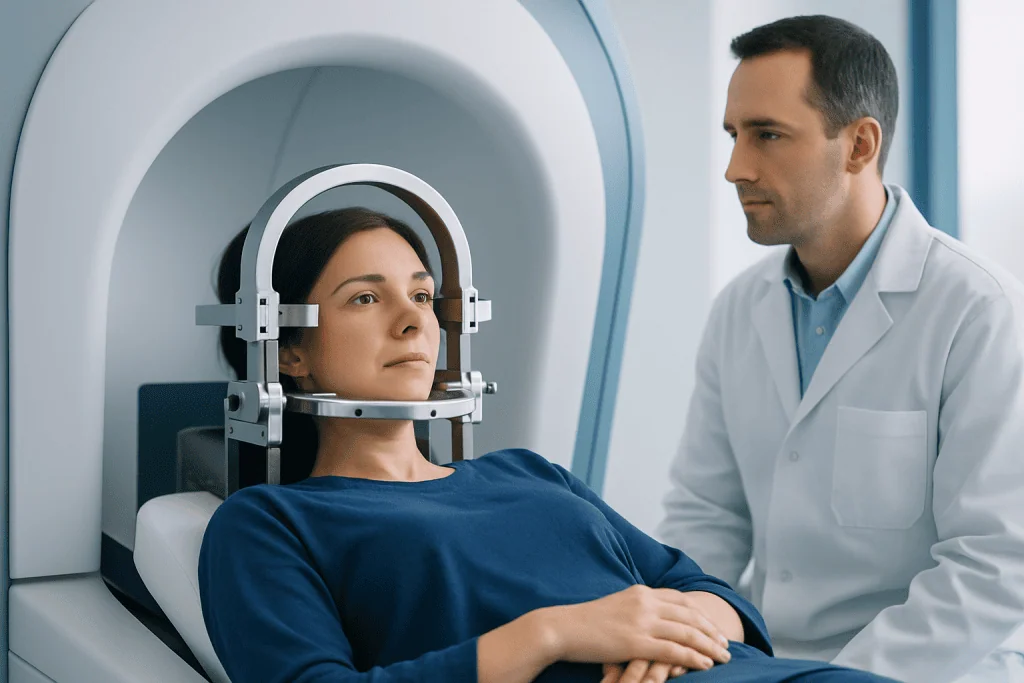
Preparation usually starts with a consultation and review of imaging. The care team explains the goal of treatment, possible benefits, and alternatives. On the treatment day, the team may use a lightweight frame attached to the head or a fitted mask to keep the head still, depending on the technology and the treatment plan. Imaging such as MRI, CT, or angiography helps map the exact target.
After imaging, specialists create a customized treatment plan. During the procedure, the person lies on the treatment couch while the machine delivers radiation to the planned area. The treatment itself is painless, and the team monitors the patient throughout. Some people receive local anesthesia for frame placement and medication to help them relax if needed.
After treatment, many patients return home the same day. Mild fatigue, headache, scalp tenderness, or nausea can happen, but these effects are often temporary. Most people can resume light daily activities within a short time, although the doctor may recommend rest and a gradual return to routine depending on the underlying condition and the person’s overall health.
Benefits, limits, and possible side effects
A major benefit of gamma knife is precision. Because treatment is focused on a carefully defined target, it can help protect nearby healthy brain tissue. It also avoids a surgical incision and general surgical recovery in many cases. For some patients, that means a shorter hospital stay, less disruption to daily life, and an option when conventional surgery would carry higher risk.
At the same time, gamma knife is not the right treatment for every situation. Larger tumors, lesions causing major pressure effects, or conditions needing tissue removal may still require open surgery or another approach. Some conditions respond better to different forms of radiation therapy or a combination of surgery, medication, and radiation.
Side effects vary by treatment area and dose. Short-term effects can include headache, tiredness, nausea, temporary swelling, or irritation where a frame was placed. Less commonly, people may develop delayed swelling or radiation-related changes that can cause new neurological symptoms. The doctor may prescribe medication, such as steroids, to manage swelling if it occurs.
It is also important to understand that treatment success may take time to assess. Tumors may shrink slowly or remain stable rather than disappear. Vascular malformations often close gradually over months to years. This is why regular follow-up scans are essential even when a person feels well.
How doctors decide if gamma knife is right for a patient
The decision to use gamma knife is individualized. Doctors consider the diagnosis, the exact size and position of the lesion, symptoms, prior surgery or radiation, age, overall health, and treatment goals. In many cases, the discussion is not simply whether to treat, but which treatment strategy is safest and most likely to help preserve function.
For example, a small lesion located near important structures may be better suited to highly targeted radiosurgery than open surgery. On the other hand, a large mass causing significant pressure in the brain may need surgical removal first. Sometimes gamma knife is used together with other treatments, including brain tumor surgery or systemic cancer treatment.
Patients may benefit from asking practical questions before treatment. Helpful topics include the aim of therapy, expected timeline for results, possible side effects, how follow-up will be done, and whether other options such as observation, surgery, or fractionated radiation are being considered. Clear communication helps patients make informed decisions and prepare for recovery.
Recovery, follow-up, and self-care
Recovery after gamma knife is usually shorter than recovery after open brain surgery, but follow-up remains very important. The person may be advised to rest for the remainder of the day, stay hydrated, and monitor for symptoms such as persistent headache, worsening nausea, weakness, confusion, or seizures. Many people can return to normal activities fairly quickly, depending on their condition and the type of work they do.
Follow-up appointments often include neurological review and repeat imaging to check the treatment response. The timing of scans varies, but they are commonly scheduled weeks to months after the procedure. This is because the biological effects of focused radiation develop gradually. The absence of immediate change on a scan does not necessarily mean treatment has not worked.
Self-care also includes taking prescribed medicines exactly as directed and reporting any new or worsening symptoms promptly. Some people need short-term medication for swelling, seizures, or pain control. If the treated condition affects balance, hearing, or nerve function, rehabilitation or symptom-specific support may also be part of recovery.
For patients seeking coordinated care, Acibadem International’s multidisciplinary specialists and JCI-accredited hospitals diagnose and treat complex brain conditions for international patients, including radiosurgical care when appropriate.
When to seek medical care
Medical advice should be sought promptly for symptoms that could suggest a brain or nerve condition, especially if they are new, persistent, or worsening. Examples include unexplained severe headaches, seizures, weakness on one side, trouble speaking, double vision, balance problems, hearing changes, or facial pain that is difficult to control. These symptoms do not always mean a serious illness, but they should be assessed by a qualified doctor.
After gamma knife treatment, urgent medical evaluation is important if a person develops severe headache, repeated vomiting, increasing drowsiness, confusion, fainting, new weakness or numbness, seizure activity, or signs of an allergic reaction to medicines. The care team will explain which symptoms require emergency attention and which can be discussed at a routine follow-up visit.
Anyone considering gamma knife should have a full review by a specialist team experienced in treating brain and nerve conditions. Careful diagnosis, planning, and follow-up are essential to choosing the most suitable treatment and monitoring results safely over time.
Frequently asked questions
Is gamma knife actual surgery?
Gamma knife is called radiosurgery, but it is not traditional surgery. It does not use a blade or involve a surgical incision. Instead, it uses focused radiation to treat a specific target with high precision.
How long does gamma knife treatment take?
The full visit often includes preparation, imaging, treatment planning, and the radiosurgery session itself. The radiation delivery time varies depending on the treatment plan and the size and number of targets. Many patients go home the same day.
Is gamma knife painful?
The radiation treatment itself is painless. Some patients may feel temporary discomfort from frame placement or from lying still during the procedure. The care team can provide local anesthesia or medication to improve comfort when needed.
How soon will results be seen after gamma knife?
Results depend on the condition being treated. Some symptoms may improve gradually, but imaging changes often take weeks or months to appear. For vascular abnormalities, the full effect can take much longer, so regular follow-up scans are important.
What are the common side effects of gamma knife?
Common short-term effects may include fatigue, headache, mild nausea, or temporary tenderness where a head frame was attached. Some people can develop swelling in the treated area, which may require medication. The exact risks depend on the target being treated and the treatment dose.
Can gamma knife replace open brain surgery?
Sometimes it can, but not in every case. Gamma knife may be a good option for selected small or hard-to-reach lesions, or for patients who are not ideal candidates for open surgery. Larger masses or conditions needing tissue removal may still require an operation.
References
- National Cancer Institute
- American Association of Neurological Surgeons
- National Institute of Neurological Disorders and Stroke
- Radiological Society of North America
- Mayo Clinic
This article is for general information only and is not a substitute for professional medical advice. Please consult a qualified doctor about your individual situation.
Gamma Knife in Turkey — costs, top hospitals & a free quote
JCI-accredited · board-certified surgeons · reply within 24h
Add us as a Preferred Source to see more of our trusted health content across Google Search, AI Overviews and Discover.

Neurology
Diagnosis and treatment of disorders of the brain, spinal cord, nerves and muscles.
51 specialists in this unitMore from the Health Library

Micellar Water: An Evidence-Based Guide for Patients

Flail Chest — Explained by Medical Evidence, Not Myths

Vesicles: What Patients Need to Know

Patulous — Explained by Medical Evidence, Not Myths

Clonus: An Evidence-Based Guide for Patients