Gastric Balloon Side Effects: What Is Normal and What Needs Medical Review

Nausea, cramping, bloating, reflux, and reduced appetite are common early gastric balloon side effects. Most symptoms improve within days to about two weeks as the stomach adjusts to the balloon.
Key Takeaways
- Nausea, cramping, bloating, reflux, and reduced appetite are common early gastric balloon side effects.
- Most symptoms improve within days to about two weeks as the stomach adjusts to the balloon.
- Severe or worsening pain, repeated vomiting, fever, dehydration, or trouble swallowing should be medically reviewed.
- Following the recommended diet progression and fluid plan can reduce discomfort and support recovery.
- Regular follow-up is important because rare but serious complications can occur.
Gastric balloon side effects are common in the first days after placement and are often manageable with time, medication, and careful eating. Knowing which symptoms are expected and which may signal a complication can help patients recover more comfortably and seek care at the right time.
Overview: why side effects happen after a gastric balloon
A gastric balloon is a temporary, non-surgical weight loss device placed inside the stomach and filled to take up space. By reducing how much the stomach can comfortably hold, it can help a person feel full sooner and eat smaller portions. Because the stomach is sensitive to this new object, side effects are common, especially soon after placement.
For many people, the first few days are the hardest. The stomach may react with nausea, cramping, vomiting, bloating, or acid reflux while it adapts. These symptoms are often expected and do not necessarily mean something is wrong. In most cases, they improve with prescribed medicines, a gradual liquid-to-soft-food diet, and close follow-up.
Even so, not every symptom should be ignored. A small number of people develop stronger or longer-lasting problems that need medical review. Understanding the difference between normal recovery and warning signs can make the experience safer and less stressful. Patients considering or recovering from gastric balloon treatment should always follow the plan given by their bariatric or gastroenterology team.
Common gastric balloon side effects that are usually normal
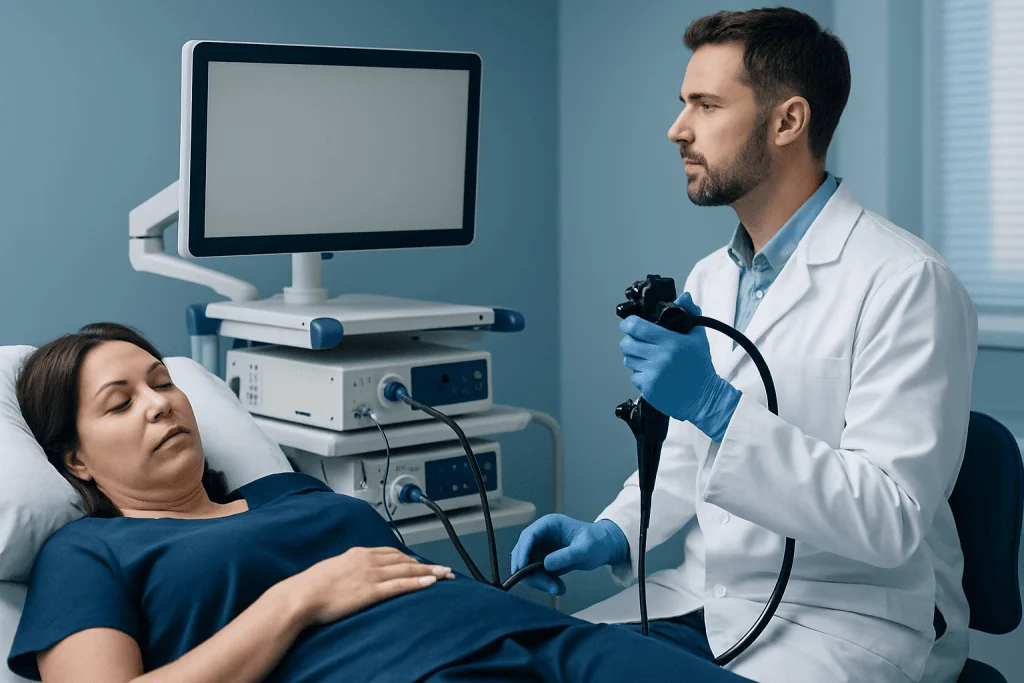
The most common gastric balloon side effects are nausea and vomiting in the first 24 to 72 hours. The stomach is trying to adjust to the balloon, and this can trigger irritation and spasms. Some people also feel heaviness in the upper abdomen, cramp-like discomfort, belching, bloating, or a sense of pressure after drinking.
Acid reflux and heartburn are also fairly common, particularly when lying down after eating or drinking. Reduced appetite is expected and is one of the ways the balloon supports weight loss. Mild fatigue can happen as intake is lower during the early recovery period, especially while a person is on liquids.
Other symptoms that may occur include:
- Temporary abdominal tenderness or fullness
- Burping or increased gas
- Constipation from low fluid intake or dietary changes
- Loose stools in some patients
- Difficulty tolerating larger meals
These effects are often manageable and tend to settle as the stomach adapts. Many care teams prescribe anti-nausea medicines, stomach-protecting medication, and advice on hydration and meal timing to make this period easier.
What can influence how strong the side effects feel

Side effects vary from person to person. Some patients have only mild nausea and pressure, while others have several difficult days before they feel more comfortable. The size and type of balloon, the stomach’s sensitivity, prior reflux symptoms, and how quickly fluids and foods are advanced can all affect the recovery experience.
Eating habits matter as well. Drinking too fast, taking large sips, eating before the stomach is ready, or choosing greasy, spicy, very sweet, or carbonated foods can worsen symptoms. Lying flat after meals may also aggravate reflux and upper abdominal discomfort. Care teams usually recommend slow sipping, small portions, upright posture after eating, and careful attention to satiety.
People living with significant excess weight may already have related digestive symptoms, such as reflux or delayed stomach emptying, which can make adjustment more difficult. In this setting, a clinician may also discuss broader weight management options, including care for morbid obesity or alternatives such as stomach reduction without surgery and other bariatric procedures when appropriate.
Warning signs that need medical review
While mild to moderate symptoms are common, some symptoms should not be considered routine. Severe abdominal pain, ongoing or repeated vomiting that prevents drinking, signs of dehydration, or symptoms that suddenly worsen after initially improving all need prompt medical advice. A patient should not assume that intense discomfort is simply part of the process.
Other red flags include fever, chest pain, shortness of breath, black stools, vomiting blood, severe trouble swallowing, or fainting. Very dark urine, dizziness, and inability to keep liquids down may point to dehydration. Persistent reflux with pain or repeated nighttime choking also deserves review, as it may lead to irritation of the esophagus.
Although uncommon, serious complications can happen. These may include balloon intolerance, stomach ulceration, balloon deflation, obstruction, or pancreatitis. Sudden severe symptoms, especially with abdominal swelling or inability to pass stool or gas, should be assessed urgently. If the balloon is no longer tolerated, removal may be necessary.
How doctors evaluate side effects and possible complications
Medical evaluation starts with the pattern of symptoms: when they began, whether they are improving, and whether fluids can be kept down. A doctor will ask about pain location, reflux, bowel habits, fever, medications, and the stage of diet being followed. Physical examination helps identify tenderness, dehydration, or signs of a more serious problem.
Depending on the situation, testing may include blood work, imaging, or endoscopy. Blood tests can check hydration status, inflammation, and organ function. Imaging may help if there is concern about balloon position, obstruction, or another abdominal problem. Endoscopy can assess the stomach lining and may be used if removal or closer inspection is needed.
Doctors also consider whether symptoms might relate to another digestive issue rather than the balloon itself. For example, upper abdominal pain can have several causes, so the care team looks at the full picture before deciding on treatment. Early communication often helps resolve problems before they become more difficult.
Treatment options for side effects and complications
Most routine side effects are treated with supportive care. This often includes anti-nausea medication, acid-suppressing treatment for reflux, antispasmodic medicines for cramping, and a staged diet that begins with clear liquids and advances slowly. Hydration is a priority, and some patients need temporary intravenous fluids if they cannot drink enough.
If symptoms are ongoing, the care team may adjust medicines, slow the diet progression, or review eating behavior in detail. Small sips, frequent fluids, avoiding trigger foods, and not eating late at night can make a meaningful difference. Constipation may improve with better hydration, walking, and doctor-approved measures.
When side effects are severe or complications are suspected, the balloon may need to be removed or replaced. In some cases, a patient and physician may discuss whether another approach would suit the person’s goals and health history better, such as bariatric surgery or a procedure like gastric sleeve surgery. The right choice depends on weight-related health conditions, preferences, and tolerance of the device.
Self-care tips to ease recovery and lower discomfort
Patients can often reduce gastric balloon side effects by following the aftercare plan closely. The stomach needs time to adjust, so progression from liquids to pureed and then soft foods should happen only as advised. Sipping slowly throughout the day is usually better tolerated than drinking large amounts at once.
Helpful strategies often include eating very small portions, chewing thoroughly, stopping as soon as fullness appears, avoiding carbonated drinks, and limiting spicy or fatty meals if they trigger symptoms. Staying upright after meals may reduce reflux, and gentle walking can help with bloating and bowel function.
It is also important to take prescribed medicines exactly as directed and attend scheduled follow-up visits. These visits help monitor weight loss, hydration, tolerance, and nutritional intake. Near the end of treatment, the balloon must be removed on time according to the device plan, because leaving it in longer than recommended can raise the risk of complications.
When to contact the care team and what support looks like
A patient should contact the care team if common side effects are not gradually improving, if fluids remain difficult to tolerate, or if daily activities are becoming hard because of symptoms. It is always reasonable to ask for guidance when there is uncertainty. Early advice can often prevent dehydration and reduce unnecessary worry.
Urgent medical review is appropriate for severe pain, repeated vomiting, fever, shortness of breath, chest pain, black stools, fainting, or signs of dehydration. Patients should also report sudden changes such as worsening reflux, new severe bloating, or symptoms that feel very different from the expected early adjustment period.
Ongoing support matters because successful gastric balloon treatment involves more than the procedure itself. Follow-up with bariatric specialists, dietitians, and endoscopy teams helps patients navigate side effects and build lasting habits. Acibadem International’s multidisciplinary specialists and JCI-accredited hospitals diagnose and treat weight-related conditions for international patients, including evaluation of balloon tolerance and alternatives when needed.
Frequently asked questions
How long do gastric balloon side effects usually last?
The strongest symptoms usually happen in the first few days after placement. Many people start to feel better within about 3 to 7 days, though some mild nausea, reflux, or fullness can last up to two weeks. If symptoms are severe or not improving, medical review is important.
Is vomiting normal after a gastric balloon?
Some vomiting can happen early on because the stomach is adjusting to the balloon. However, repeated vomiting or vomiting that prevents a person from keeping down liquids is not something to ignore. It can lead to dehydration and may mean the balloon is not being tolerated well.
What foods can make gastric balloon side effects worse?
Large meals, fizzy drinks, fatty foods, spicy foods, and very sweet items may increase bloating, cramping, or reflux. Eating too quickly and drinking large amounts at once can also make symptoms worse. Following the recommended diet stages and eating slowly usually helps.
Can a gastric balloon cause acid reflux?
Yes, acid reflux or heartburn is a common side effect because the balloon changes stomach volume and pressure. Reflux often improves with prescribed acid-reducing medication, avoiding late meals, and staying upright after eating. Persistent or painful reflux should be discussed with a doctor.
What are signs of dehydration after gastric balloon placement?
Common signs include very dark urine, dizziness, dry mouth, weakness, and not urinating as often as usual. Dehydration can happen when nausea or vomiting makes it hard to drink enough fluids. A patient with these symptoms should contact the care team promptly.
Are serious gastric balloon complications common?
Serious complications are uncommon, but they can happen and should be taken seriously. Examples include balloon intolerance, ulceration, balloon deflation, obstruction, and pancreatitis. This is why close follow-up and timely review of warning signs are important.
References
- National Institute of Diabetes and Digestive and Kidney Diseases
- American Society for Metabolic and Bariatric Surgery
- Mayo Clinic
- National Health Service
- Cleveland Clinic
This article is for general information only and is not a substitute for professional medical advice. Please consult a qualified doctor about your individual situation.
Gastric Balloon in Turkey — costs, top hospitals & a free quote
JCI-accredited · board-certified surgeons · reply within 24h
Add us as a Preferred Source to see more of our trusted health content across Google Search, AI Overviews and Discover.

Bariatric & Metabolic Surgery
Surgical and endoscopic treatments for obesity and metabolic conditions.