

Gastric Sleeve for Patients With GERD: Risks, Alternatives, and Pre-Op Testing

Gastric sleeve surgery may improve reflux in some people through weight loss, but it can also worsen GERD or cause new reflux symptoms. Patients with severe GERD, erosive esophagitis, a large hiatal hernia, or Barrett’s esophagus often need special consideration before sleeve surgery.
Key Takeaways
- Gastric sleeve surgery may improve reflux in some people through weight loss, but it can also worsen GERD or cause new reflux symptoms.
- Patients with severe GERD, erosive esophagitis, a large hiatal hernia, or Barrett’s esophagus often need special consideration before sleeve surgery.
- Pre-operative testing may include upper endoscopy, imaging, pH monitoring, and esophageal manometry to understand reflux severity and anatomy.
- Roux-en-Y gastric bypass is often considered a more reflux-friendly bariatric option for patients with significant GERD.
- The best operation depends on weight-loss goals, reflux findings, esophageal function, medical history, and shared decision-making with an experienced bariatric team.
Gastric sleeve surgery can be effective for weight loss, but patients with gastroesophageal reflux disease need careful evaluation because reflux may persist or worsen after the operation. Pre-operative testing helps identify risks and choose the safest weight-loss strategy, which may include an alternative procedure.
Overview: Why GERD Matters Before Gastric Sleeve
Gastroesophageal reflux disease, commonly called GERD, occurs when stomach contents flow back into the esophagus and cause symptoms such as heartburn, regurgitation, chest discomfort, sore throat, or chronic cough. For patients considering weight-loss surgery, GERD is an important part of the pre-operative assessment because obesity itself can increase pressure inside the abdomen and contribute to reflux.
A gastric sleeve, or sleeve gastrectomy, reduces the size of the stomach by creating a narrow tube-shaped stomach. It is widely used as a bariatric operation and can support meaningful weight loss when combined with long-term nutrition, activity, and medical follow-up. However, the new stomach shape can increase pressure within the stomach and may affect the natural anti-reflux barrier between the esophagus and stomach.
For this reason, gastric sleeve surgery is not a one-size-fits-all choice for patients who already have GERD. Some people experience less reflux after losing weight, while others develop worse or new symptoms. The decision should be based on objective testing, symptom history, and an individualized discussion of risks and alternatives.
How Gastric Sleeve Can Affect Reflux
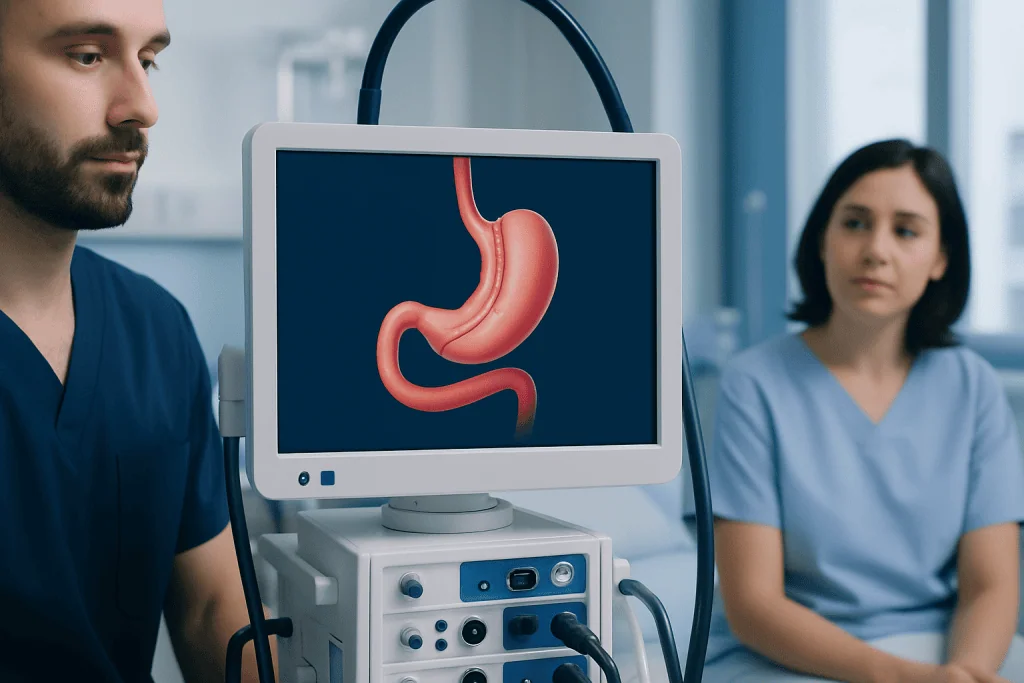
The relationship between sleeve gastrectomy and reflux is complex. Weight loss may reduce abdominal pressure, which can improve reflux symptoms for some patients. At the same time, the sleeve changes stomach anatomy in ways that may make reflux more likely, especially when there is an existing weakness at the gastroesophageal junction.
After a sleeve, the stomach becomes a high-pressure tube. If the lower esophageal sphincter is weak, if a hiatal hernia is present, or if the sleeve is twisted or narrowed, stomach contents may move upward more easily. The angle where the esophagus meets the stomach may also be altered, reducing one of the body’s natural anti-reflux mechanisms.
GERD after sleeve gastrectomy may range from mild, occasional heartburn to more persistent symptoms requiring medication or further evaluation. In some patients, inflammation of the esophagus can occur even when symptoms are not dramatic. This is why doctors may recommend endoscopic monitoring when symptoms persist or when risk factors such as Barrett’s esophagus are present.
Who Has Higher Risk With Gastric Sleeve?

Not every patient with reflux is automatically excluded from sleeve surgery. Mild, well-controlled GERD may be managed safely in selected patients, especially if pre-operative testing shows no significant esophagitis, no Barrett’s esophagus, normal esophageal movement, and no major hiatal hernia. The key is to define reflux severity before surgery rather than relying on symptoms alone.
Patients may be at higher risk of reflux problems after sleeve gastrectomy if they have certain findings before surgery:
- Frequent heartburn or regurgitation despite acid-suppressing medication
- Erosive esophagitis seen on endoscopy
- Barrett’s esophagus or other pre-cancerous changes in the esophageal lining
- A moderate or large hiatal hernia
- Difficulty swallowing or abnormal esophageal motility
- Prior anti-reflux surgery or complex upper gastrointestinal anatomy
Other factors also matter, including smoking, certain medications, eating patterns, pregnancy plans, and conditions that delay stomach emptying. A bariatric surgeon and gastroenterologist may work together to decide whether sleeve surgery is reasonable or whether another option would better protect the esophagus.
Pre-Op Testing for Patients With GERD
Pre-operative testing helps the care team answer several practical questions: Is reflux truly present? How severe is it? Is there esophageal damage? Does the esophagus move normally? Is a hiatal hernia contributing to symptoms? The results can directly influence the recommended procedure.
Upper endoscopy is commonly used to examine the esophagus, stomach, and first part of the small intestine. It can identify esophagitis, narrowing, ulcers, hiatal hernia, and Barrett’s esophagus. Biopsies may be taken when needed, for example to evaluate Barrett’s changes or check for Helicobacter pylori infection.
Additional tests may be recommended in selected patients. A barium swallow or upper gastrointestinal contrast study can show the shape of the esophagus and stomach and help identify a hiatal hernia or swallowing problem. Esophageal pH monitoring measures acid exposure over time, while impedance testing can detect both acid and non-acid reflux. Esophageal manometry measures muscle contractions and sphincter function, which is especially useful if a patient has swallowing symptoms or if anti-reflux surgery is being considered.
These tests are not performed in the same way for every patient. The right workup depends on symptoms, previous diagnoses, medication use, and local clinical protocols. Patients should discuss which tests are necessary and what the results mean for their surgical plan.
Alternatives When GERD Makes Sleeve Less Suitable
When GERD is significant, another bariatric procedure may be safer for reflux control. Roux-en-Y gastric bypass is often considered for patients with obesity and troublesome GERD because it creates a small stomach pouch and diverts bile and acid away from the esophagus. It can support weight loss while also reducing reflux exposure in many patients.
Gastric bypass is a more complex operation than sleeve gastrectomy and requires lifelong attention to nutrition, vitamins, minerals, and follow-up. It may not be the right choice for every patient, but it is frequently discussed when there is severe reflux, Barrett’s esophagus, or esophagitis. The decision should include a balanced review of benefits, risks, nutritional responsibilities, and the patient’s medical history.
Non-surgical or less invasive weight-loss treatments may also be considered for selected patients, particularly when surgery is not appropriate or when weight-loss goals are more modest. Options may include structured medical weight management, nutrition therapy, approved anti-obesity medications, or an endoscopic option such as a gastric balloon. These approaches can still require evaluation of reflux because some devices or strategies may aggravate symptoms in certain patients.
Treatment Planning: Shared Decision-Making
Choosing a bariatric procedure in the presence of GERD involves more than comparing weight-loss results. The care team considers reflux severity, esophageal health, body mass index, diabetes or metabolic disease, previous abdominal operations, lifestyle, medication needs, and the patient’s ability to attend long-term follow-up. The goal is to choose a plan that supports weight loss while minimizing avoidable reflux complications.
If sleeve gastrectomy is still considered, the surgeon may evaluate whether a hiatal hernia should be repaired at the same time. Hiatal hernia repair can help in selected cases, but it does not guarantee that reflux will resolve after sleeve surgery. Patients should understand the possibility of continued medication use, endoscopic follow-up, or, rarely, conversion to another operation if reflux becomes difficult to control.
In a comprehensive bariatric surgery program, patients usually meet with several professionals, such as a bariatric surgeon, dietitian, anesthesiology team, psychologist or psychiatrist, and sometimes a gastroenterologist. This multidisciplinary approach helps clarify expectations, prepare for lifestyle changes, and identify conditions that should be treated before surgery.
Prevention, Self-Care, and When to See a Doctor
Patients with GERD can often reduce symptoms with practical habits, although lifestyle measures do not replace medical evaluation before bariatric surgery. Helpful steps may include eating smaller meals, avoiding late-night meals, limiting trigger foods, reducing alcohol, stopping smoking, and raising the head of the bed if nighttime reflux is present. Weight loss itself may also help reduce reflux pressure in some people.
Medical therapy, such as acid-suppressing medication, may be recommended by a doctor before or after surgery. Patients should not increase, stop, or combine medicines without medical advice, especially if they have persistent symptoms or a history of esophageal inflammation. Long-term reflux symptoms deserve follow-up because the esophagus can be irritated even when discomfort seems manageable.
A doctor should be consulted promptly for trouble swallowing, painful swallowing, vomiting blood, black stools, unexplained weight loss, persistent vomiting, anemia, or chest pain. Chest pain can have many causes, including heart-related conditions, and should be assessed urgently when severe, new, or associated with shortness of breath, sweating, or pain spreading to the arm, jaw, or back.
International patients seeking evaluation can be assessed by multidisciplinary specialists at Acibadem International, where JCI-accredited hospitals provide diagnostic testing and treatment planning for reflux and weight-loss surgery. The most appropriate procedure is always determined after a complete medical review and discussion with qualified clinicians.
Frequently asked questions
Can a person with GERD have gastric sleeve surgery?
Some patients with mild, well-controlled GERD may still be candidates for gastric sleeve surgery, but they need careful assessment first. Testing helps determine whether reflux is mild or whether there is esophagitis, Barrett’s esophagus, a hiatal hernia, or abnormal esophageal function. If GERD is significant, another weight-loss procedure may be recommended.
Does gastric sleeve make acid reflux worse?
It can. Some patients have less reflux after weight loss, but others develop new or worse GERD after sleeve gastrectomy because the stomach becomes narrower and higher pressure. The risk is higher when reflux, hiatal hernia, or esophageal irritation is present before surgery.
Which bariatric surgery is usually better for GERD?
Roux-en-Y gastric bypass is often considered more favorable for patients with significant GERD because it can reduce acid and bile exposure to the esophagus. It is still a major operation and requires lifelong nutrition monitoring. The best choice depends on the patient’s anatomy, reflux testing, weight-loss goals, and overall health.
What tests are needed before gastric sleeve if a patient has reflux?
Common tests may include upper endoscopy to look for esophagitis, Barrett’s esophagus, ulcers, or hiatal hernia. Some patients also need a barium swallow, pH monitoring, impedance testing, or esophageal manometry. The surgeon or gastroenterologist chooses tests based on symptoms and risk factors.
Can a hiatal hernia be repaired during gastric sleeve surgery?
Yes, a hiatal hernia may be repaired during sleeve gastrectomy in selected patients. This can help address one contributor to reflux, but it does not guarantee that GERD will disappear after surgery. Patients should discuss the likelihood of ongoing reflux treatment and follow-up before choosing the operation.
What if GERD becomes severe after gastric sleeve?
Persistent or severe reflux after sleeve surgery should be evaluated by a bariatric surgeon or gastroenterologist. Treatment may include lifestyle changes, medication, endoscopy, imaging, or assessment for sleeve narrowing or hiatal hernia. In selected cases, conversion to gastric bypass may be discussed if symptoms or esophageal inflammation remain difficult to control.
References
- American Society for Metabolic and Bariatric Surgery
- Society of American Gastrointestinal and Endoscopic Surgeons
- American College of Gastroenterology
- International Federation for the Surgery of Obesity and Metabolic Disorders
- National Institute for Health and Care Excellence
This article is for general information only and is not a substitute for professional medical advice. Please consult a qualified doctor about your individual situation.
Medical weight-loss options in Turkey — costs & eligibility
JCI-accredited · board-certified surgeons · reply within 24h
Add us as a Preferred Source to see more of our trusted health content across Google Search, AI Overviews and Discover.

Related Treatments
Related Conditions
More from the Health Library



Related Specialists

Prof. Dr. Tayfun Karahasanoğlu
General Surgery
Prof. Dr. Güralp Onur Ceyhan
General Surgery
Prof. Dr. Volkan Özben
General Surgery
Assoc. Prof. Dr. Halil Kara
General Surgery