Gastric Sleeve Surgery Risks: Common Complications and How They Are Managed

Most people recover well after gastric sleeve surgery, but complications can occur during the early or later recovery period. Important short-term risks include bleeding, infection, blood clots, and staple-line leaks.
Key Takeaways
- Most people recover well after gastric sleeve surgery, but complications can occur during the early or later recovery period.
- Important short-term risks include bleeding, infection, blood clots, and staple-line leaks.
- Longer-term issues may include reflux, narrowing of the stomach sleeve, gallstones, and vitamin or mineral deficiencies.
- Careful follow-up, good hydration, nutrition guidance, and early reporting of symptoms help lower risk and support recovery.
- A qualified bariatric team can often detect and manage complications early, improving safety and outcomes.
Gastric sleeve surgery can be an effective weight-loss treatment, but like any operation it has possible risks and complications. Understanding what can happen, how problems are recognized, and how they are treated can help patients prepare for surgery and recovery with greater confidence.
Overview of Gastric Sleeve Surgery Risks
Gastric sleeve surgery, also called sleeve gastrectomy, is a bariatric procedure that reduces the size of the stomach so a person feels full sooner and can lose weight more effectively. It is widely used for people with obesity when lifestyle measures alone have not been enough, and it may also help improve obesity-related conditions such as type 2 diabetes, sleep apnea, and high blood pressure. Even so, it remains a major operation and carries both surgical and long-term health risks.
When discussing gastric sleeve surgery risks, it helps to separate them into two groups: early complications and later complications. Early complications happen during surgery or within the first days and weeks afterward. These can include bleeding, infection, blood clots, or a leak from the staple line where the stomach was divided. Later complications may develop over months or years and can include acid reflux, narrowing of the stomach sleeve, poor nutrition, or weight regain.
Not every patient faces the same level of risk. The chance of complications may be influenced by age, body mass index, heart or lung disease, diabetes, smoking, previous abdominal surgery, and overall physical condition. Choosing an experienced bariatric center, following preparation instructions carefully, and attending regular follow-up visits all play an important role in making surgery safer.
Common Symptoms That May Signal a Complication

Some discomfort is expected after gastric sleeve surgery, especially in the first days. Mild abdominal pain, fatigue, temporary nausea, and reduced appetite are common parts of recovery. However, certain symptoms may suggest a complication and should not be ignored, particularly if they are severe, worsening, or associated with fever or shortness of breath.
Warning signs can vary depending on the problem. A leak or infection may cause persistent rapid heartbeat, fever, increasing abdominal pain, shoulder pain, shortness of breath, or feeling very unwell. Bleeding may cause weakness, dizziness, low blood pressure, black stools, or vomiting blood. A blood clot in the leg can lead to swelling, warmth, or pain in one calf, while a clot that travels to the lungs may cause chest pain or sudden breathing difficulty.
Some complications appear later and can be more subtle. Ongoing heartburn, difficulty swallowing, repeated vomiting, dehydration, constipation, hair thinning, fatigue, or numbness may reflect reflux, narrowing, poor fluid intake, or nutritional deficiencies. Patients are usually advised to contact their surgical team promptly if they struggle to drink enough fluids, cannot keep food down, or notice symptoms that seem out of proportion to normal recovery.
Early Surgical Complications and Why They Happen
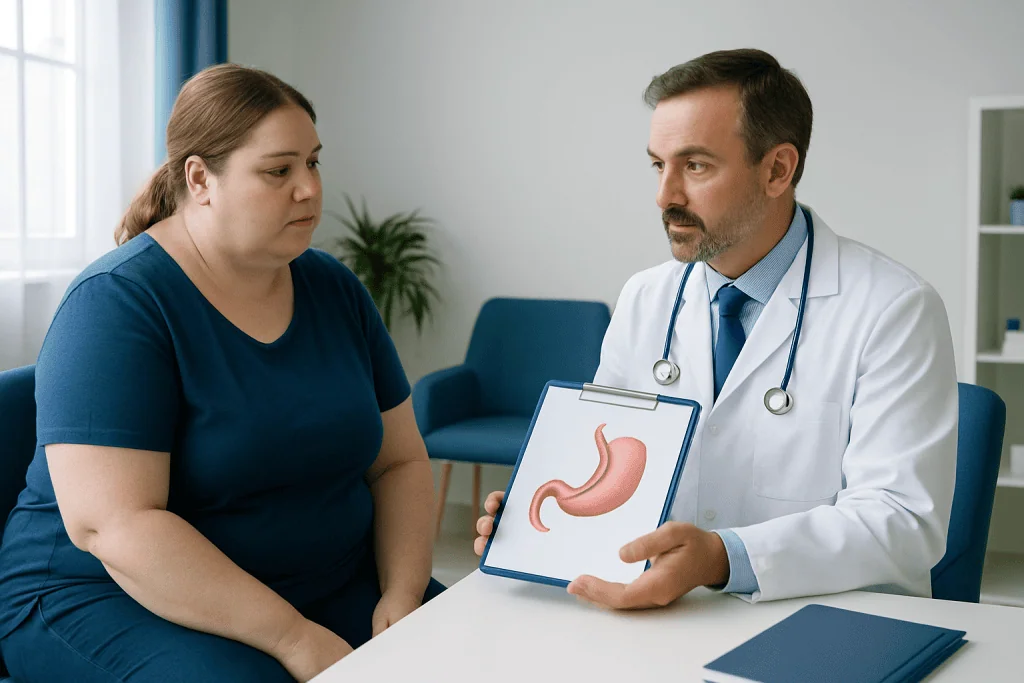
Early complications after sleeve gastrectomy are uncommon but important because they may require urgent treatment. One of the best-known risks is a staple-line leak. During surgery, the stomach is divided and sealed with surgical staples. If a small opening develops along this line, stomach contents can leak into the abdomen and cause infection or inflammation. Although this is not common, it is considered one of the most serious complications because it can become dangerous without quick diagnosis and treatment.
Bleeding is another possible early complication. It can happen from the staple line, blood vessels, or surgical sites. Small bleeds may settle with monitoring, but more significant bleeding can require blood tests, imaging, endoscopy, or a return to the operating room. Infection, whether at the incision site or inside the abdomen, may develop if bacteria enter the tissues during or after surgery.
Blood clots are a concern after many major operations, including bariatric procedures. Reduced mobility in the days after surgery can increase the risk of deep vein thrombosis, and in some cases a clot can travel to the lungs and cause a pulmonary embolism. To reduce this risk, hospitals often use early walking, compression devices, and blood-thinning medication when appropriate.
Anesthetic or cardiopulmonary complications are also considered, especially in people with obesity-related heart or lung disease. Breathing problems, low oxygen levels, or strain on the heart may occur around the time of surgery. This is why preoperative assessment is important and may include blood tests, heart evaluation, sleep apnea screening, and review of existing medical conditions before gastric sleeve surgery.
Long-Term Complications After Sleeve Gastrectomy
Some gastric sleeve surgery risks appear later, after the initial recovery has passed. One of the most common long-term concerns is gastroesophageal reflux. Because the shape and pressure of the stomach change after surgery, some patients develop new heartburn or find that existing reflux becomes worse. Reflux can often be managed with diet changes and medication, but persistent or severe symptoms may need further evaluation.
Narrowing of the sleeve, also called stricture or stenosis, can make it difficult for food or liquids to pass. Patients may notice vomiting, trouble swallowing, chest discomfort after eating, or feeling that food gets stuck. This problem can sometimes be treated with endoscopic stretching, though more complex cases may require additional intervention.
Nutritional problems are another important issue. Sleeve gastrectomy does not bypass the intestine, so severe malabsorption is less common than with some other bariatric operations. Still, the much smaller stomach can make it harder to meet daily fluid, protein, vitamin, and mineral needs. Deficiencies in iron, vitamin B12, folate, vitamin D, and other nutrients can develop over time if supplements and follow-up blood tests are not maintained.
Other longer-term concerns include gallstones from rapid weight loss, constipation, dehydration, excess skin, and weight regain. Some patients may also need assessment for related digestive concerns, including obesity itself as a chronic condition that requires ongoing lifestyle and medical support even after surgery.
How Complications Are Diagnosed
Diagnosis begins with careful attention to symptoms and regular follow-up. After surgery, the bariatric team usually monitors pain, heart rate, temperature, breathing, fluid intake, and early mobility. If a patient reports warning signs such as fever, severe abdominal pain, vomiting, chest symptoms, or inability to drink, the team may recommend urgent evaluation. Early assessment matters because complications are often easier to treat before they become more severe.
Doctors use different tests depending on the suspected problem. Blood tests can help detect infection, anemia, dehydration, or electrolyte imbalance. Imaging tests such as a CT scan may be used to look for a leak, abscess, blockage, or clot. In some situations, contrast studies may be performed to evaluate how fluid passes through the stomach. Endoscopy can be helpful for checking bleeding, ulcers, reflux damage, or sleeve narrowing.
Long-term follow-up is equally important because some issues develop gradually. Routine visits may include weight tracking, nutritional review, symptom checks, and laboratory testing for vitamins and minerals. If symptoms suggest another digestive condition, doctors may also assess for problems such as reflux or gallbladder disease. Good follow-up care helps distinguish normal recovery from a treatable complication.
How Gastric Sleeve Complications Are Managed
Treatment depends on the type and severity of the complication. Minor issues such as nausea, constipation, mild dehydration, or difficulty tolerating certain foods may be managed with diet adjustments, anti-nausea treatment, better hydration strategies, and close monitoring. Nutritional deficiencies are usually treated with supplements and follow-up blood work, often with support from a dietitian familiar with bariatric care.
More serious complications require faster and more specialized treatment. A suspected staple-line leak may need hospital admission, intravenous fluids, antibiotics, drainage of infected fluid, endoscopic treatment, or repeat surgery. Significant bleeding may require observation, transfusion, endoscopy, or reoperation. Blood clots are generally treated with anticoagulant medication, and some cases need emergency care if lung involvement is suspected.
For long-term reflux, management may include smaller meals, avoiding trigger foods, not lying down after eating, and acid-suppressing medication. If symptoms continue despite treatment, additional tests may be needed, and some patients may be considered for another bariatric procedure. Patients comparing procedures may also wish to discuss alternatives such as gastric bypass or bariatric surgery more broadly, depending on their reflux symptoms, metabolic health, and weight-loss goals.
When narrowing of the sleeve occurs, endoscopic dilation is often the first step. If a patient develops persistent abdominal pain or gallbladder symptoms after rapid weight loss, doctors may evaluate for stones and discuss treatment such as gallbladder surgery if appropriate. Near the end of the care journey, some international patients seek evaluation at centers such as Acibadem International, where multidisciplinary specialists in JCI-accredited hospitals assess and manage bariatric complications.
Reducing Risk Before and After Surgery
Although no surgery is risk-free, many steps can reduce the chance of complications. Before surgery, patients are usually asked to stop smoking, review medications, follow a preoperative diet if prescribed, and optimize conditions such as diabetes, sleep apnea, or high blood pressure. Honest conversations about medical history, alcohol use, and previous surgeries help the team plan safely.
After surgery, one of the most important protective steps is following the staged eating plan exactly as instructed. The stomach needs time to heal, so patients usually move from clear liquids to fuller liquids, then soft foods, and later to regular textured meals. Eating too quickly, eating large portions, or starting solid foods too early may increase discomfort, vomiting, or strain on the healing stomach.
Hydration, protein intake, vitamin supplementation, and regular movement are all central to recovery. Patients are generally advised to sip fluids throughout the day, walk frequently, and avoid prolonged inactivity. Lifelong follow-up is important after bariatric surgery because safe weight loss is not only about the operation; it also depends on nutrition, activity, behavior changes, and ongoing medical review.
- Attend all follow-up appointments.
- Take recommended vitamin and mineral supplements consistently.
- Report persistent vomiting, fever, chest pain, or dehydration early.
- Avoid smoking and discuss alcohol use with the care team.
- Seek support for eating habits, mental health, and long-term lifestyle change.
When to See a Doctor Urgently
Patients should seek prompt medical advice if they are unsure whether a symptom is normal. It is especially important to contact a doctor urgently after recent gastric sleeve surgery if there is fever, worsening abdominal pain, fast heartbeat, trouble breathing, chest pain, calf swelling, fainting, or repeated vomiting. These symptoms do not always mean a serious complication is present, but they need timely assessment.
Urgent evaluation is also sensible if a person cannot drink enough fluids, passes very little urine, feels severely weak, or shows signs of gastrointestinal bleeding such as black stools or vomiting blood. Dehydration can develop quickly after bariatric surgery because the stomach is much smaller and fluid intake may be limited by nausea or discomfort.
In the longer term, patients should arrange review for persistent reflux, swallowing problems, unexplained fatigue, hair loss, numbness, or difficulty maintaining nutrition. Ongoing care helps identify treatable issues before they affect recovery or overall health. A qualified bariatric surgeon, gastroenterologist, dietitian, and primary care doctor can work together to support safe long-term results.
Frequently asked questions
What is the most serious risk after gastric sleeve surgery?
One of the most serious early risks is a leak along the staple line of the stomach. It is uncommon, but it requires urgent medical attention because it can lead to infection and other serious problems if not treated quickly.
How common are complications after sleeve gastrectomy?
Many people recover without major problems, but complications can happen with any surgery. The exact risk varies from person to person depending on overall health, surgical experience, smoking status, and how closely aftercare instructions are followed.
Can acid reflux get worse after gastric sleeve surgery?
Yes, some patients develop new reflux or notice that existing reflux becomes worse after sleeve gastrectomy. Mild cases may improve with dietary changes and medication, but persistent symptoms should be discussed with a doctor.
Are vitamin deficiencies possible after gastric sleeve surgery?
Yes, vitamin and mineral deficiencies can occur because food intake is much lower and some patients struggle to meet their nutritional needs. Lifelong supplements and regular blood tests are usually recommended to help prevent and detect deficiencies early.
When should someone go to the hospital after gastric sleeve surgery?
Urgent medical care is important for severe abdominal pain, fever, shortness of breath, chest pain, repeated vomiting, signs of dehydration, black stools, or vomiting blood. It is safer to be checked early if symptoms seem severe or do not fit normal recovery.
Can gastric sleeve complications be treated without another operation?
Sometimes yes, depending on the problem. Some complications can be managed with medicines, intravenous fluids, endoscopy, drainage procedures, or close monitoring, while others may require another surgery for safe treatment.
References
- American Society for Metabolic and Bariatric Surgery
- National Institute of Diabetes and Digestive and Kidney Diseases
- National Health Service
- Mayo Clinic
- Society of American Gastrointestinal and Endoscopic Surgeons
This article is for general information only and is not a substitute for professional medical advice. Please consult a qualified doctor about your individual situation.
Gastric Sleeve Surgery in Turkey — costs, top hospitals & a free quote
JCI-accredited · board-certified surgeons · reply within 24h
Add us as a Preferred Source to see more of our trusted health content across Google Search, AI Overviews and Discover.
Check your numbers in seconds
BMI, calories, due date, blood pressure and 30+ more clinical calculators — free, instant, doctor-reviewed ranges.

Bariatric & Metabolic Surgery
Surgical and endoscopic treatments for obesity and metabolic conditions.
More from the Health Library



Related Specialists

Dt. Yasemin Çakmakçı
Oral & Dental Health
Assoc. Prof. Dr. Burak Özturan
Orthopedic Surgery & Traumatology
Prof. Dr. Hüseyin Engin
Medical Oncology
Assoc. Prof. Dr. Gökhan Tosun
Gynecology & Obstetrics