Glassy Eyes: A Complete Medical Overview

Glassy eyes are a sign or appearance, not a diagnosis by themselves. Common causes include dry eyes, lack of sleep, allergies, fever, and eye irritation.
Key Takeaways
- Glassy eyes are a sign or appearance, not a diagnosis by themselves.
- Common causes include dry eyes, lack of sleep, allergies, fever, and eye irritation.
- Warning signs such as pain, vision changes, confusion, or one-sided symptoms need prompt medical assessment.
- Treatment depends on the underlying cause and may range from rest and lubrication to prescription care.
- Protecting the eyes, staying hydrated, and managing general health can help reduce recurrence.
Glassy eyes describe eyes that appear unusually shiny, watery, unfocused, or lacking their usual clarity. They are often linked to harmless causes such as tiredness or dryness, but they can also happen with infections, allergies, medication effects, substance use, or eye and general health conditions that need medical attention.
What are glassy eyes?
Glassy eyes are eyes that look unusually shiny, watery, blank, or less focused than usual. Some people notice that the whites of the eyes look irritated, the surface seems overly reflective, or the person appears to stare without normal eye engagement. This appearance may affect one eye or both eyes and can be brief or persistent.
Importantly, glassy eyes are not a disease on their own. They are a visible clue that may happen when the tear film is disrupted, the eyes are irritated, or the body is under stress from tiredness, illness, or medication effects. In some situations, the appearance is mild and short-lived. In others, it can signal an eye problem or a broader medical issue that should be checked.
The context matters. Glassy eyes after a poor night of sleep are different from glassy eyes with severe eye pain, sudden blurred vision, high fever, confusion, or facial weakness. Looking at associated symptoms helps determine whether the cause is likely minor or whether urgent care is needed.
How glassy eyes may look and feel
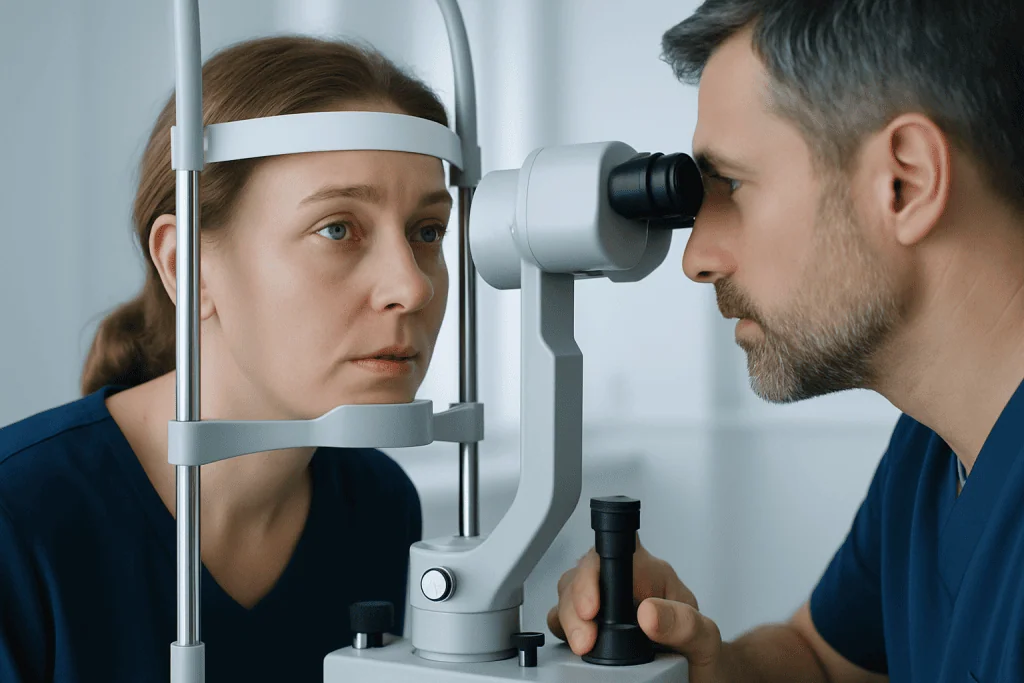
People use the term glassy eyes in different ways. It may refer to eyes that seem glossy, watery, bloodshot, dry despite looking wet, or slightly swollen. Some describe a vacant or unfocused look, while others mean the eyes appear irritated and do not move or blink normally.
Symptoms that can occur along with glassy eyes include burning, stinging, itching, sensitivity to light, blurry vision, eyelid puffiness, excessive tearing, a gritty feeling, or eye redness. If the cause is not primarily in the eye itself, other symptoms may include fatigue, headache, fever, nasal congestion, dehydration, or drowsiness.
A symptom pattern can offer clues:
- Dryness or screen strain: gritty sensation, blurry vision that improves with blinking, eye fatigue
- Allergies: itching, tearing, sneezing, eyelid swelling
- Infection: redness, discharge, crusting, discomfort, light sensitivity
- Systemic illness: fever, weakness, body aches, dehydration
- Medication or substance effects: drowsiness, slowed reactions, dilated pupils, reduced focus
Common causes of glassy eyes

One of the most common causes of glassy eyes is dry eye. The eye depends on a stable tear film to keep the surface smooth and comfortable. When tears evaporate too quickly or are not produced in enough quantity, the eyes can look irritated, watery, and glossy at the same time. Dry environments, air conditioning, contact lens use, aging, and long periods of screen use may contribute. In some people, this overlaps with dry eye disease.
Fatigue and sleep deprivation are also frequent triggers. When a person is overtired, blink patterns change, the eyes become less well lubricated, and the muscles that help maintain focus may strain more easily. As a result, the eyes can appear dull, red, watery, or glassy. Emotional stress and crying can create a similar appearance for a short time.
Allergies, viral illnesses, and eye infections are other common reasons. Seasonal allergies often cause itchy, watery, puffy eyes. Viral infections such as the common cold can inflame the eyes and reduce tear film quality. Conjunctivitis, often called pink eye, can cause redness, discharge, stickiness, and a glassy surface appearance. Fever and dehydration may further worsen the effect.
Sometimes the cause is related to medication effects or substance exposure. Antihistamines, some antidepressants, decongestants, and other medicines may dry the eyes. Alcohol and recreational drugs may also change eye appearance and focus. Less commonly, glassy eyes can be seen with corneal irritation, thyroid eye problems, migraine, autoimmune conditions, or neurologic problems that alter alertness or eye movement.
Risk factors and related conditions
Certain everyday factors make glassy eyes more likely. These include prolonged screen time, low humidity, smoke exposure, wind, poor sleep, not drinking enough fluids, and wearing contact lenses for long periods. Rubbing the eyes, using expired eye makeup, or staying in chlorinated water without eye protection may also irritate the eye surface.
Age is another factor because tear production and tear quality can change over time. Hormonal changes, especially around menopause, may increase dry eye symptoms. People with allergies, eczema, autoimmune diseases, thyroid disorders, diabetes, or eyelid inflammation may be more prone to recurrent episodes.
Several related eye conditions can be part of the picture. Glassy eyes may occur with conjunctivitis or with inflammation of the eyelids and tear film. They may also appear with corneal abrasions, eye strain, or after eye surgery. If the main complaint is irritation, redness, or changing vision, an eye specialist may assess the tear film, cornea, eyelids, and conjunctiva in more detail.
In a smaller number of cases, glassy eyes accompany general medical or neurologic symptoms, such as confusion, fainting, severe headache, facial drooping, or trouble speaking. In these situations, the eye appearance is only one clue among others, and urgent evaluation is important.
How doctors evaluate glassy eyes
Diagnosis begins with a careful history. A clinician usually asks when the glassy appearance started, whether one or both eyes are involved, and what symptoms accompany it. Helpful details include pain, discharge, itching, blurred vision, fever, allergy history, contact lens use, recent illness, medication changes, and exposure to smoke, chemicals, or screens.
The examination may include checking visual acuity, pupil reactions, eye movements, eyelid position, the surface of the eye, and the amount and quality of tears. If infection is suspected, the clinician looks for discharge, crusting, or conjunctival redness. If dryness is suspected, the tear film and corneal surface may be examined more closely. In some cases, patients may be referred for a full eye examination.
Additional tests are only needed when the cause is not obvious or when symptoms are more serious. These may include tear assessment, staining of the eye surface, measurement of eye pressure, or blood tests if a systemic condition is suspected. Imaging or urgent neurologic assessment may be necessary if there are warning signs such as severe headache, weakness, altered mental status, or sudden visual loss.
Treatment options for glassy eyes
Treatment depends on the underlying cause. If dryness is the main issue, doctors often recommend lubricating eye drops, taking regular breaks from screens, increasing blink frequency, and improving room humidity. Contact lens habits may need adjustment, and some people benefit from evaluation in a dedicated dry eye treatment pathway if symptoms are frequent or persistent.
If allergies are responsible, avoiding triggers and using appropriate allergy treatment may help. For infections, treatment varies by cause. Viral conjunctivitis often improves with supportive care, while bacterial infections may require prescription eye medication. Because not every red or watery eye is an infection, it is best not to self-treat with leftover eye drops.
When fatigue, fever, or dehydration contribute, rest, hydration, and recovery from the illness often improve the eye appearance. Medication-related dryness may improve after a prescribing doctor reviews the treatment plan. In cases linked to corneal injury, significant inflammation, or another structural eye problem, management may include more targeted ophthalmic care and, if appropriate, cornea treatment.
If a wider health condition is found, addressing that condition is the priority. This may involve care from a primary doctor, allergist, neurologist, endocrinologist, or ophthalmologist. Near the end of the care journey, some international patients choose centers such as Acibadem International, where multidisciplinary specialists in JCI-accredited hospitals evaluate eye symptoms and related health conditions in a coordinated way.
Self-care and prevention
Simple habits can often reduce episodes of glassy eyes. Regular blinking is especially important during computer, tablet, and phone use, because people naturally blink less when focusing on screens. The 20-20-20 rule can help: every 20 minutes, look at something about 20 feet away for 20 seconds. Good sleep and adequate fluid intake also support normal eye comfort.
Environmental measures may help protect the tear film. Using a humidifier, avoiding direct fan or air-conditioner airflow to the face, wearing sunglasses outdoors, and limiting smoke exposure can reduce irritation. Contact lens users should follow cleaning and wearing instructions closely and avoid overwearing lenses.
Eye hygiene matters as well. Hands should be washed before touching the eyes or lenses, and eye makeup should be replaced regularly. If the eyes itch, rubbing should be avoided because it can worsen irritation and swelling. Artificial tears may be useful for occasional dryness, but persistent symptoms should be discussed with a healthcare professional rather than treated indefinitely at home.
When to seek medical care
Glassy eyes should be medically assessed if they last more than a few days, keep coming back, or are accompanied by discomfort or changes in vision. A routine appointment is also sensible if symptoms are interfering with reading, driving, screen work, or contact lens wear, or if over-the-counter lubricating drops are not helping.
Prompt or urgent medical care is needed if glassy eyes happen with severe eye pain, sudden blurred or double vision, marked light sensitivity, significant redness in one eye, pus-like discharge, eye injury, or a chemical splash. Emergency evaluation is important if the person also has confusion, fainting, severe headache, weakness, facial drooping, difficulty speaking, or is difficult to wake.
Children, older adults, and people with diabetes, immune system problems, recent eye surgery, or known eye disease should be evaluated sooner if symptoms are new or worsening. Early assessment can help identify infections, corneal injury, medication effects, and other conditions before they become more troublesome.
Frequently asked questions
Are glassy eyes always a sign of illness?
No. Glassy eyes can happen for simple reasons such as tiredness, crying, screen strain, or temporary dryness. However, they can also appear with infections, allergies, medication effects, or eye conditions, so associated symptoms and duration are important.
Can dehydration cause glassy eyes?
Yes, dehydration can contribute to glassy-looking eyes by affecting tear production and overall eye comfort. It may also make the eyes feel dry, tired, or irritated, especially during fever, exercise, or hot weather.
What is the difference between glassy eyes and dry eyes?
Glassy eyes describe an appearance, while dry eye is a specific condition affecting the tear film and eye surface. Dry eye can make the eyes look glassy, but glassy eyes may also occur from allergies, infection, fatigue, or other causes.
Can lack of sleep make the eyes look glassy?
Yes. Poor sleep can reduce normal tear stability, increase redness, and make the eyes appear shiny or unfocused. Rest often helps, but persistent symptoms should be evaluated.
Should contact lenses be worn if the eyes look glassy?
Usually it is best to avoid contact lenses until the cause is clear, especially if there is redness, irritation, or discharge. Continuing lens wear can worsen dryness or irritation and may increase the risk of infection.
When are glassy eyes an emergency?
Glassy eyes need urgent attention if they come with sudden vision loss, severe pain, major redness in one eye, an injury, or a chemical exposure. Emergency care is also needed if there are neurologic symptoms such as confusion, weakness, trouble speaking, or decreased responsiveness.
References
- American Academy of Ophthalmology
- National Eye Institute
- Centers for Disease Control and Prevention
- Mayo Clinic
- MedlinePlus
This article is for general information only and is not a substitute for professional medical advice. Please consult a qualified doctor about your individual situation.
Explore treatments in Turkey — costs, top hospitals & a free quote
JCI-accredited · board-certified surgeons · reply within 24h
Add us as a Preferred Source to see more of our trusted health content across Google Search, AI Overviews and Discover.

More from the Health Library

Lingonberry: An Evidence-Based Guide for Patients

Gomitas Para Dormir: What Patients Need to Know

Prone: What Patients Need to Know

Lie Bumps: What Patients Need to Know

Wormwood — Explained by Medical Evidence, Not Myths