Gua Sha: A Complete Medical Overview
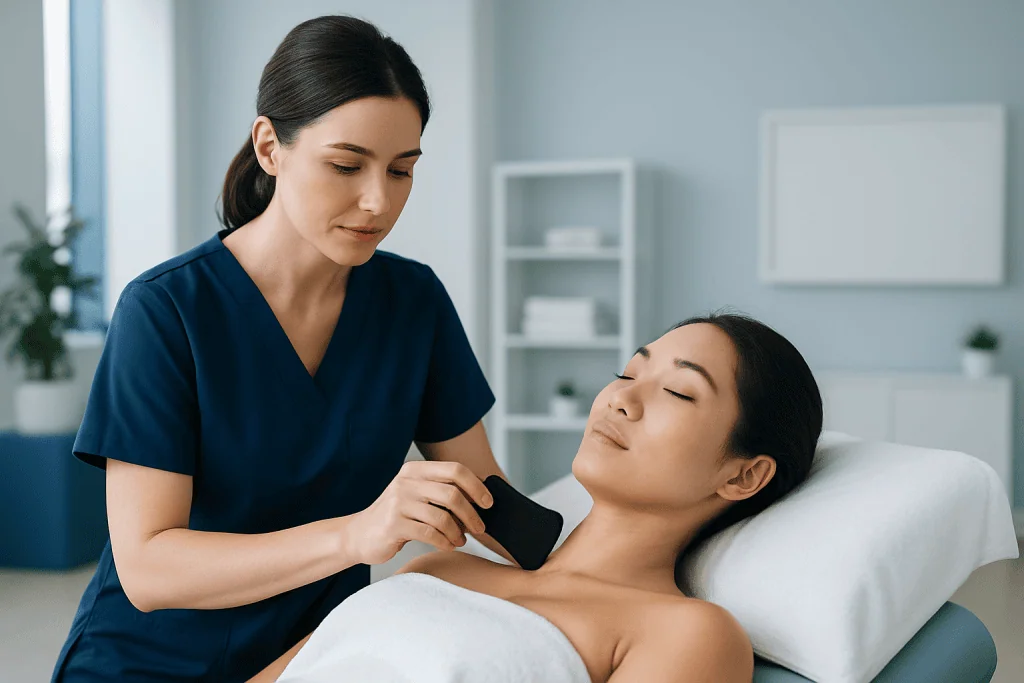
Gua sha involves repeated strokes over lubricated skin with a smooth-edged tool. It is commonly used for muscle tightness, neck and shoulder discomfort, and wellness or facial routines.
Key Takeaways
- Gua sha involves repeated strokes over lubricated skin with a smooth-edged tool.
- It is commonly used for muscle tightness, neck and shoulder discomfort, and wellness or facial routines.
- Possible side effects include bruising, tenderness, skin irritation, and, rarely, infection or worsening of an underlying condition.
- People with bleeding risks, fragile skin, active skin disease, or certain medical conditions should seek medical advice before trying gua sha.
- Persistent pain, neurological symptoms, fever, chest pain, or unexplained bruising need medical evaluation rather than self-treatment.
Gua sha is a traditional skin-scraping technique used to relieve muscle tension and discomfort, and some people also use it in facial skin-care routines. It may help some patients feel temporary relief, but it is not suitable for everyone and should be used carefully to avoid skin injury or delayed medical care.
Overview: What Gua Sha Is
Gua sha is a manual therapy that uses a smooth tool to stroke or scrape the skin in repeated motions. The technique is most often applied over the neck, shoulders, back, arms, or legs after a lubricant such as oil or lotion is placed on the skin. In modern practice, some people use gua sha for muscle tension and pain relief, while others use gentler facial versions as part of a skin-care routine.
The method comes from traditional East Asian medicine, but it is now also discussed in sports recovery, massage therapy, and wellness settings. During body gua sha, the strokes often create temporary redness or small pinpoint bleeding under the skin, which may appear as bruiselike marks. These marks usually fade over several days.
From a medical perspective, gua sha should be understood as a supportive technique rather than a cure for disease. Some patients report short-term relief of muscle tightness or a sense of relaxation, but it does not replace evaluation for ongoing pain, injury, nerve problems, or internal illness. A careful approach is especially important when symptoms are new, severe, or unexplained.
How Gua Sha Is Used and What It May Help

People most commonly use gua sha for musculoskeletal discomfort, especially stiffness in the neck, upper back, and shoulders. Athletes and office workers may try it for tight muscles after repetitive movement, stress, or prolonged sitting. Facial gua sha is generally lighter and is marketed for puffiness, relaxation, and temporary improvement in facial contour, although the medical evidence for cosmetic effects is limited.
Some small studies suggest gua sha may provide short-term symptom relief for certain types of muscle pain. The possible reasons include increased local circulation, stimulation of sensory nerves, and reduced muscle guarding. However, research quality varies, and results are not strong enough to consider gua sha a primary medical treatment for persistent pain.
It may be most reasonable as one part of a broader self-care plan that includes posture changes, stretching, physical therapy, stress management, and medical assessment when needed. For patients with ongoing neck or back discomfort, a clinician may also look for related problems such as strain, disc disease, or inflammatory conditions. In some cases, symptoms overlap with conditions that need formal care, such as a herniated disc.
Possible Benefits, Limits, and What the Evidence Shows

The main potential benefit of gua sha is temporary relief of muscle tension and a short-lived reduction in pain or stiffness. Some patients also describe a feeling of warmth, relaxation, or improved ease of movement after treatment. These effects can be meaningful for comfort, but they should be viewed realistically and not as proof that an underlying condition has been corrected.
Current medical evidence does not show that gua sha treats infections, autoimmune disease, organ disorders, or structural injuries. It should not be used as a substitute for evidence-based care in people with severe headaches, numbness, weakness, joint swelling, fever, or unexplained symptoms. If symptoms continue to return, a proper diagnosis matters more than repeated self-treatment.
Patients with chronic pain may benefit more when supportive techniques are paired with a targeted plan. Depending on the cause, that plan may include exercise therapy, medicines, ergonomic changes, or specialist care such as physical therapy and rehabilitation. For some painful spine-related problems, doctors may also consider imaging and focused treatment pathways rather than relying on manual methods alone.
Risks, Side Effects, and Who Should Avoid Gua Sha
The most common side effects are redness, tenderness, and bruiselike discoloration where the tool is used. Mild soreness for a short period can happen after treatment, especially if pressure is too strong. If the skin is scraped aggressively, small blood vessels under the skin may break, leading to more noticeable bruising.
Less commonly, gua sha can cause skin irritation, abrasions, pain flare-ups, or infection if the skin is broken or if tools are not cleaned properly. Facial gua sha can irritate sensitive skin or worsen active dermatologic conditions. It should not be done over rashes, sunburn, open wounds, inflamed acne lesions, or areas with active infection.
Extra caution is needed for people who bruise easily, take blood thinners, have bleeding disorders, have fragile skin, or have reduced sensation. It is generally best avoided over varicose veins, recent fractures, severe osteoporosis, or known blood clots. Patients with ongoing skin disease may need medical guidance first, especially if there is underlying irritation or inflammation such as eczema.
- Avoid gua sha over broken, infected, or recently treated skin.
- Do not use strong pressure over the front of the neck, bony prominences, or areas of swelling.
- Stop immediately if there is sharp pain, dizziness, significant swelling, or worsening symptoms.
- Children, older adults with fragile skin, and pregnant patients should consult a qualified clinician before use.
Safe Practice: Technique, Hygiene, and Aftercare
If a person chooses to try gua sha, a gentle approach is safest. A smooth tool with rounded edges should be used on lubricated skin, with light-to-moderate pressure rather than forceful scraping. The goal is not to create severe bruising. More pressure does not mean better results and may increase the risk of injury.
Cleanliness matters. Hands and tools should be washed before and after use, and the skin should be clean. Shared tools should be disinfected according to appropriate hygiene standards. If there is any cut, rash, or sign of infection, the area should not be treated.
Afterward, the skin may feel tender and look red or mottled for a short time. Gentle skin care, hydration, and avoiding further irritation are usually enough. If soreness is prolonged, if bruising is extensive, or if symptoms spread beyond the treated area, medical advice is appropriate. Patients with recurring muscle pain may benefit from a structured evaluation and may be referred for options such as pain management when self-care is not enough.
When Symptoms Need Medical Evaluation
Gua sha should not delay assessment of symptoms that may signal an injury or medical condition. Pain that is severe, recurrent, or associated with loss of function needs a diagnosis. This is especially true for neck and back pain that radiates down the arm or leg, causes numbness, or interferes with walking, grip strength, sleep, or daily activity.
Medical evaluation is also important if a person develops unexplained bruising, very frequent bruising, bleeding from other sites, or marks that do not fade as expected. These signs may point to a blood, skin, or medication-related issue rather than a simple treatment effect. Similarly, chest pain, shortness of breath, fever, rash, or swollen joints should never be attributed to muscle tension alone.
Doctors may recommend physical examination, laboratory tests, or imaging depending on the pattern of symptoms. For persistent musculoskeletal problems, treatment may range from home exercise and rehabilitation to specialist assessment. In selected cases, advanced care pathways for spine or nerve-related pain can be considered, including neurosurgery evaluation when there are red-flag neurological findings.
A Practical Medical View of Gua Sha
A balanced medical view is that gua sha may have a place as a comfort-focused, low-technology technique for some people with mild muscle tension. It is most appropriate when symptoms are clearly mechanical, short-term, and not accompanied by warning signs. Even then, it should be done gently and with attention to skin safety, hygiene, and the limits of self-care.
For ongoing symptoms, the more helpful question is often not whether gua sha works, but why the pain is happening in the first place. Repetitive strain, poor ergonomics, inadequate recovery, stress, arthritis, nerve compression, and inflammatory disorders can all produce similar discomfort. Understanding the cause allows treatment to be more effective and safer over time.
When patients need further evaluation, multidisciplinary teams can help match symptoms to the right specialty, whether that involves rehabilitation, pain care, dermatology, or spine assessment. Acibadem International’s multidisciplinary specialists and JCI-accredited hospitals diagnose and treat patients with musculoskeletal and skin-related concerns, including international patients seeking coordinated care.
Frequently asked questions
What is gua sha used for?
Gua sha is most often used for temporary relief of muscle tension, stiffness, and mild pain, especially in the neck, shoulders, and back. A gentler form is also used in facial routines for relaxation and temporary reduction of puffiness.
Is gua sha safe?
Gua sha can be safe for some healthy adults when it is done gently, on intact skin, with clean tools. It is not suitable for everyone, especially people with bleeding risks, fragile skin, active skin disease, or unexplained pain.
Why does gua sha leave marks on the skin?
The rubbing or scraping can cause redness and small areas of bleeding under the skin, which creates bruiselike marks. These marks often fade over a few days, but severe bruising, significant pain, or persistent marks should be checked by a clinician.
Can gua sha help chronic pain?
Some people feel short-term relief, but gua sha is not considered a complete treatment for chronic pain. Persistent pain usually needs medical assessment to identify the cause and may benefit from rehabilitation, pain medicine, or other targeted therapies.
Who should avoid gua sha?
People taking blood thinners, those with bleeding disorders, fragile or infected skin, recent injuries, severe osteoporosis, or poor sensation should avoid it unless a doctor advises otherwise. It should also not be used over rashes, open wounds, or swollen veins.
When should someone seek medical care instead of trying gua sha?
Medical care is more important than self-treatment when pain is severe, keeps returning, follows an injury, or comes with numbness, weakness, fever, chest pain, or unexplained bruising. These symptoms may point to a condition that needs diagnosis and proper treatment.
References
- National Center for Complementary and Integrative Health
- World Health Organization
- American Academy of Dermatology
- National Institute of Arthritis and Musculoskeletal and Skin Diseases
- MedlinePlus
This article is for general information only and is not a substitute for professional medical advice. Please consult a qualified doctor about your individual situation.
Joint and spine care in Turkey — expert assessment & treatment
JCI-accredited · board-certified surgeons · reply within 24h
Add us as a Preferred Source to see more of our trusted health content across Google Search, AI Overviews and Discover.

More from the Health Library



Related Specialists

Dr. Seval Eren
Inpatient Clinic Physicians
Dr. Abdullah Etöz
Aesthetic Plastic & Reconstructive Surgery
Prof. Dr. Sinan Dağdelen
Cardiology
Dr. Muhammet Beyazal
Ophthalmology