Gynecologist vs OB-GYN: What Is the Difference?

A gynecologist focuses on the female reproductive system and non-pregnancy-related care. An OB-GYN is trained in both gynecology and obstetrics, including pregnancy and childbirth.
Key Takeaways
- A gynecologist focuses on the female reproductive system and non-pregnancy-related care.
- An OB-GYN is trained in both gynecology and obstetrics, including pregnancy and childbirth.
- Both specialists can provide preventive exams, screening tests, and treatment for many common conditions.
- The right choice depends on a person’s age, symptoms, reproductive goals, and whether pregnancy care is needed.
- Many women see a gynecologist for routine care and an OB-GYN when planning pregnancy or during pregnancy.
A gynecologist and an OB-GYN both care for female reproductive health, but their training and scope are not exactly the same. Understanding the difference can help patients choose the right specialist for routine care, pregnancy, symptoms, or long-term women’s health needs.
Overview: What Is the Difference?
The main difference in gynecologist vs OB-GYN is that a gynecologist specializes in the health of the female reproductive system, while an OB-GYN is trained in both gynecology and obstetrics. Obstetrics refers to care during pregnancy, labor, delivery, and the postpartum period. Gynecology focuses on the uterus, ovaries, fallopian tubes, cervix, vagina, breasts, hormones, menstruation, contraception, menopause, and many related conditions.
In everyday practice, there is often overlap. Both gynecologists and OB-GYNs may perform routine checkups, pelvic exams, cervical cancer screening, contraceptive counseling, and treatment for many common reproductive health concerns. However, only an OB-GYN is trained to manage pregnancy and childbirth as a core part of practice.
For patients, this distinction matters because the right specialist depends on the reason for the visit. A person who needs an annual exam, help with painful periods, or advice about menopause may see a gynecologist. Someone who is pregnant, trying to conceive, or needs prenatal care will typically benefit from an OB-GYN.
What a Gynecologist Does
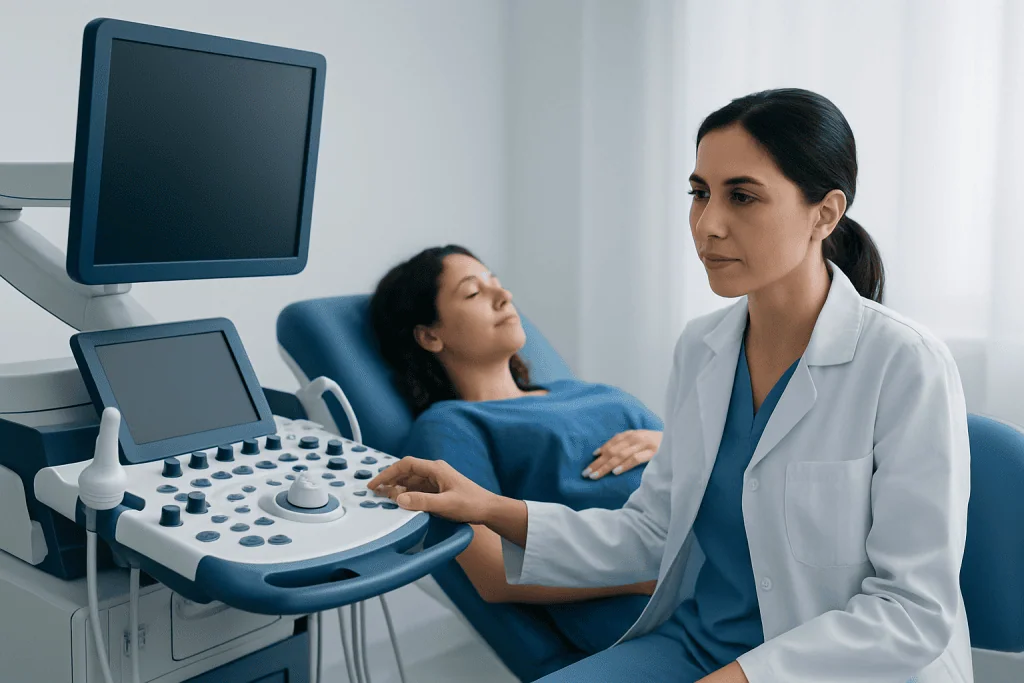
A gynecologist diagnoses, monitors, and treats conditions that affect the female reproductive system outside of pregnancy care. This includes routine preventive care, menstrual concerns, pelvic pain, abnormal bleeding, vaginal infections, sexually transmitted infections, hormonal changes, fertility-related concerns, and menopause support.
Gynecologists often provide screening and preventive services such as pelvic examinations, Pap tests, HPV-related screening, breast exams, and counseling on sexual and reproductive health. They may also discuss birth control options, irregular periods, premenstrual symptoms, and changes related to perimenopause or menopause.
Many gynecologists also perform procedures and surgery, depending on their training and practice setting. These may include colposcopy, hysteroscopy, treatment of cervical changes, removal of ovarian cysts, or surgery for conditions such as fibroids, endometriosis, or abnormal uterine bleeding. Patients with ongoing issues such as endometriosis or fibroids may continue long-term care with a gynecologist.
- Annual well-woman exams
- Menstrual and hormonal health evaluation
- Contraception and family planning counseling
- Menopause care
- Diagnosis and treatment of reproductive system disorders
What an OB-GYN Does
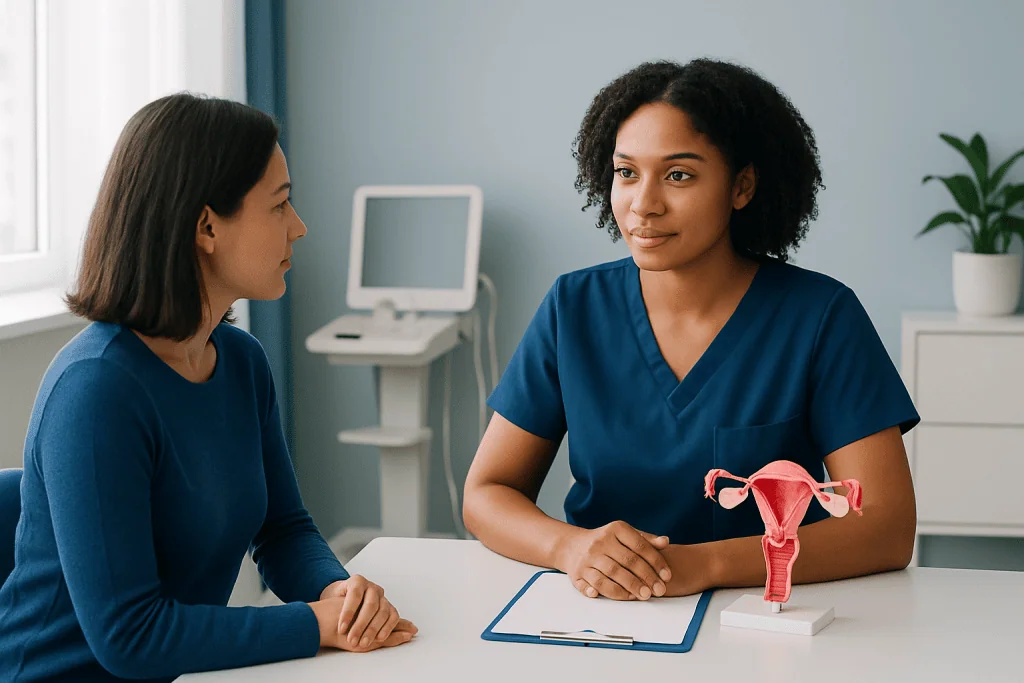
An OB-GYN provides all the services of a gynecologist, but also cares for patients before, during, and after pregnancy. This includes preconception counseling, prenatal checkups, monitoring fetal and maternal health, labor and delivery care, and support during the postpartum period.
Obstetric care involves identifying and managing both routine and higher-risk pregnancies. An OB-GYN monitors blood pressure, fetal growth, maternal symptoms, and potential complications such as gestational diabetes, preeclampsia, preterm labor, or miscarriage. They also help patients understand nutrition, exercise, medications, vaccinations, and birth planning during pregnancy.
OB-GYNs may perform deliveries, cesarean sections, and procedures related to pregnancy or childbirth. They are also commonly involved when pregnancy-related symptoms overlap with gynecologic concerns, such as bleeding, pelvic pain, or ovarian cysts discovered during pregnancy. For people seeking pregnancy support, an OB-GYN may coordinate care with fertility experts or refer for services such as IVF treatment when appropriate.
When to See a Gynecologist
A gynecologist may be the right choice when pregnancy care is not needed and the main concern involves routine reproductive health or symptoms affecting the menstrual cycle, pelvis, vagina, cervix, ovaries, or menopause. Many adolescents and adults establish care with a gynecologist for preventive visits and continue regular follow-up throughout life.
Common reasons to see a gynecologist include painful periods, heavy bleeding, missed periods, unusual vaginal discharge, pelvic pressure, pain during intercourse, contraception questions, menopausal symptoms, or concerns about cervical screening results. A gynecologist can also assess reproductive health issues such as ovarian cysts, fibroids, or possible hormonal disorders.
Patients may also see a gynecologist for preventive guidance even when they feel well. These visits create an opportunity to review sexual health, discuss family history, update screenings, and ask questions about topics that may feel sensitive. Early evaluation can help detect problems before they become more disruptive or harder to treat.
When to See an OB-GYN
An OB-GYN is usually the better choice when pregnancy is part of the picture. This includes people planning pregnancy, those who have become pregnant, and those who need care after giving birth. An OB-GYN can assess overall reproductive health before conception and guide patients through each stage of pregnancy.
Patients may also prefer an OB-GYN if they want one doctor to provide both general gynecologic care and obstetric care over time. This can be especially helpful for someone managing chronic gynecologic issues while also planning a family. An OB-GYN can address many routine women’s health needs while also monitoring fertility, pregnancy-related changes, and recovery after delivery.
Immediate or urgent consultation is important for pregnancy-related warning signs such as significant bleeding, severe abdominal pain, reduced fetal movement, fluid leakage, severe headache, vision changes, or swelling with high blood pressure concerns. While not every symptom signals an emergency, pregnancy-specific symptoms should be assessed promptly by a qualified maternity care professional.
Training, Similarities, and How to Choose
Both gynecologists and OB-GYNs complete medical training focused on women’s reproductive health. The difference is that OB-GYNs receive training in both gynecology and obstetrics, while some gynecologists practice only the gynecology side of care. In many healthcare systems, doctors who are board-certified or specialist-trained in obstetrics and gynecology may choose to provide both services or focus their practice more narrowly.
Because there is overlap, patients do not always need to worry about choosing perfectly on the first visit. A gynecologist can often evaluate symptoms, provide treatment, and refer to an obstetric or fertility specialist if needed. An OB-GYN can do the same while also managing pregnancy and delivery care. The best choice often depends on the doctor’s experience, communication style, hospital access, and the patient’s specific goals.
When choosing between them, it may help to consider a few simple questions:
- Is the visit for routine reproductive care or for pregnancy-related care?
- Are there symptoms such as pelvic pain, abnormal bleeding, or menopause concerns?
- Is there a need for preconception advice, prenatal care, or delivery planning?
- Would the patient prefer one specialist for long-term gynecologic and pregnancy care?
For patients with more complex needs, care may involve several specialists. For example, a person with heavy bleeding from uterine fibroids or chronic pelvic pain may see a gynecologist, while someone with difficulty conceiving may also be referred for fertility treatment.
Common Conditions They Diagnose and Treat
Gynecologists and OB-GYNs both diagnose and manage a wide range of health concerns. These include menstrual disorders, pelvic pain, vaginal and cervical infections, sexually transmitted infections, ovarian cysts, menopause symptoms, hormonal changes, and abnormal screening results. They also evaluate structural conditions such as fibroids and may help investigate symptoms related to fertility.
An OB-GYN additionally manages pregnancy-related conditions such as nausea and vomiting in pregnancy, miscarriage, ectopic pregnancy, gestational diabetes, high blood pressure in pregnancy, labor concerns, and postpartum recovery issues. Depending on the case, they may work closely with maternal-fetal medicine specialists, endocrinologists, radiologists, or surgeons.
Some reproductive health issues require imaging, laboratory testing, or minor procedures. In certain cases, surgery may be part of treatment. For example, persistent cysts, fibroids, endometriosis, or uterine abnormalities may lead to discussion of procedures such as myomectomy or other gynecologic operations when conservative care is not enough.
What to Expect at an Appointment and When to Seek Help
A visit with either a gynecologist or an OB-GYN usually begins with a conversation about symptoms, menstrual history, medications, sexual health, past pregnancies, and family history. Depending on the reason for the visit, the doctor may recommend a physical exam, pelvic exam, cervical screening, ultrasound, blood tests, or other evaluations. Not every appointment includes a pelvic exam, and patients can ask questions about what is recommended and why.
People should consider making an appointment if they have pelvic pain, irregular or very heavy bleeding, bleeding after menopause, unusual vaginal discharge, persistent itching, pain with sex, missed periods, concerns about fertility, or questions about contraception. During pregnancy, care should be scheduled early and maintained regularly. Any concerning pregnancy symptom should be reported without delay.
It is also important to seek medical advice if symptoms are affecting daily life, work, sleep, or emotional well-being. Reproductive health symptoms are common, but they should not simply be ignored. Near the end of a patient’s care journey, some may also choose internationally coordinated evaluation and treatment; Acibadem International’s multidisciplinary specialists and JCI-accredited hospitals provide diagnosis and treatment support for women’s health conditions for international patients.
Regular preventive care remains valuable even without symptoms. Checkups allow screening, education, and early treatment when needed. They can also help build a trusted relationship with a specialist who understands the patient’s health priorities over time.
Frequently asked questions
Is a gynecologist the same as an OB-GYN?
Not exactly. A gynecologist focuses on reproductive health outside of pregnancy, while an OB-GYN is trained in both gynecology and obstetrics, including pregnancy and childbirth care. Both can provide many routine women’s health services.
Should someone see a gynecologist or an OB-GYN for a yearly checkup?
Either may be appropriate for a routine well-woman visit, depending on the doctor’s practice. If pregnancy care is not needed, many people choose a gynecologist. If a person wants one specialist for both routine care and future pregnancy care, an OB-GYN may be a good fit.
When should a person start seeing a gynecologist?
A first visit is often recommended in adolescence or whenever questions arise about periods, pain, discharge, sexual health, or contraception. The first appointment may simply be a conversation and education visit. The timing can vary based on symptoms, age, and personal health needs.
Can an OB-GYN treat gynecologic problems that are not related to pregnancy?
Yes. OB-GYNs are trained to diagnose and treat many non-pregnancy gynecologic conditions, including abnormal bleeding, pelvic pain, infections, fibroids, ovarian cysts, and menopause symptoms. They provide much of the same routine and preventive care as gynecologists.
Does every gynecologist deliver babies?
No. Delivering babies is part of obstetric care, not gynecology alone. A doctor who practices only gynecology typically does not provide labor and delivery care.
Can a gynecologist help with fertility concerns?
Yes, a gynecologist can often begin the evaluation for fertility concerns by reviewing menstrual history, ovulation patterns, hormone issues, and possible structural problems. If needed, they may refer the patient to a reproductive endocrinologist or fertility specialist for more advanced testing or treatment.
References
- World Health Organization
- American College of Obstetricians and Gynecologists
- Centers for Disease Control and Prevention
- National Health Service
- Office on Women's Health
This article is for general information only and is not a substitute for professional medical advice. Please consult a qualified doctor about your individual situation.
Explore treatments in Turkey — costs, top hospitals & a free quote
JCI-accredited · board-certified surgeons · reply within 24h
Add us as a Preferred Source to see more of our trusted health content across Google Search, AI Overviews and Discover.
Check your numbers in seconds
BMI, calories, due date, blood pressure and 30+ more clinical calculators — free, instant, doctor-reviewed ranges.