Gynecology Explained: What Gynecologists Treat and When to Book a Visit

Gynecologists provide preventive care, screening, diagnosis, and treatment for reproductive and pelvic health concerns. Visits are important not only for symptoms, but also for routine checkups, cervical screening, contraception, and menopause care.
Key Takeaways
- Gynecologists provide preventive care, screening, diagnosis, and treatment for reproductive and pelvic health concerns.
- Visits are important not only for symptoms, but also for routine checkups, cervical screening, contraception, and menopause care.
- Common reasons to book an appointment include pelvic pain, abnormal bleeding, unusual discharge, menstrual problems, and concerns about fertility or menopause.
- A gynecologic visit may include a discussion of symptoms, an exam, screening tests, imaging, or lab work depending on the concern.
- Early evaluation can help identify common conditions such as infections, fibroids, endometriosis, ovarian cysts, or cervical changes.
Gynecology focuses on the health of the female reproductive system, including the uterus, ovaries, cervix, vagina, and breasts. A gynecologist helps with routine preventive care, common symptoms, hormonal changes, fertility concerns, and conditions that may need medical or surgical treatment.
Overview: what gynecology covers
Gynecology is the area of medicine that focuses on the health of the female reproductive system. This includes the vagina, cervix, uterus, fallopian tubes, and ovaries, as well as related concerns such as menstruation, pelvic pain, hormonal changes, contraception, fertility, and menopause. Gynecologists are trained to evaluate symptoms, diagnose conditions, provide preventive care, and recommend treatments that fit a person’s age, health status, and goals.
A gynecologist may care for adolescents, adults, and older women through different life stages. Some visits are routine, such as cervical screening or contraception counseling. Others are prompted by symptoms like heavy periods, irregular bleeding, pelvic pressure, unusual discharge, or pain during sex. Gynecology also overlaps with broader women’s health, since reproductive conditions can affect mood, sleep, sexual well-being, bladder function, and quality of life.
Many gynecologists also perform procedures, ranging from office-based tests to surgery when needed. Depending on the problem, treatment may involve medication, lifestyle guidance, monitoring, or minimally invasive surgery. The aim is not only to treat disease, but also to support long-term reproductive and pelvic health in a respectful, informed way.
What gynecologists treat
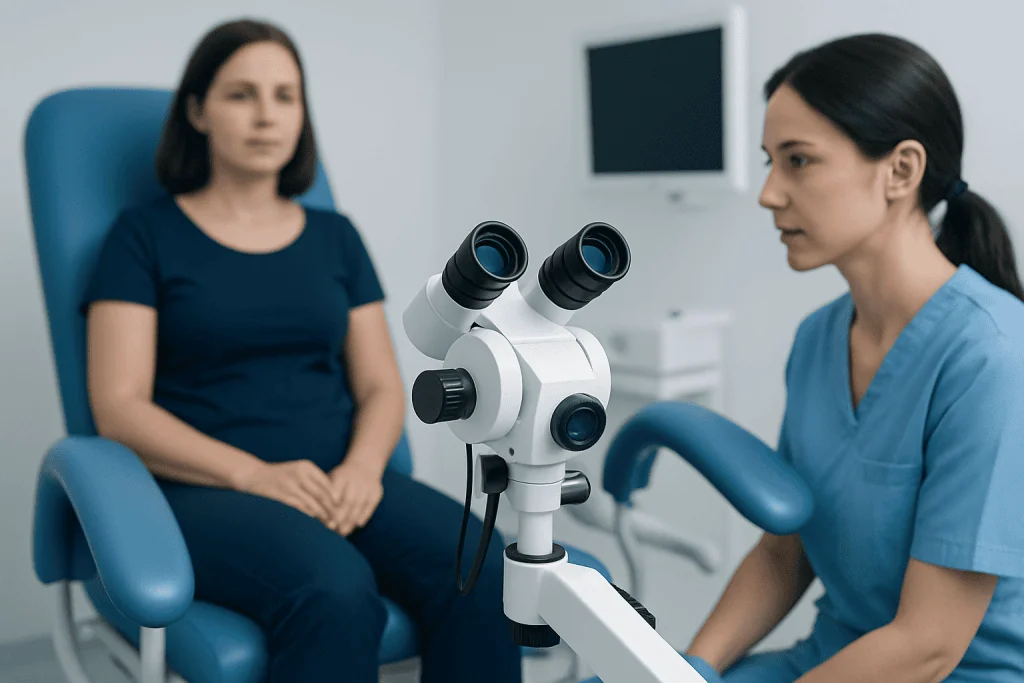
Gynecologists treat a wide range of common and complex conditions. Menstrual concerns are a frequent reason for visits, including painful periods, very heavy bleeding, missed periods, irregular cycles, or bleeding between periods. They also assess vaginal symptoms such as itching, irritation, discharge, odor, or dryness, and can diagnose infections or noninfectious causes of discomfort.
Pelvic pain is another major area of gynecologic care. This can be linked to conditions such as endometriosis, ovarian cysts, uterine fibroids, adenomyosis, pelvic inflammatory disease, or problems involving the bladder or bowel that mimic gynecologic disease. Gynecologists also evaluate pain with sex, chronic pelvic pressure, and symptoms related to pelvic floor weakness or prolapse.
Reproductive care is a core part of gynecology. This includes contraception, preconception counseling, fertility evaluation, and support during the transition to menopause. Gynecologists may diagnose conditions such as polycystic ovary syndrome, cervical cell changes, benign ovarian masses, or uterine fibroids. They also help monitor breast and pelvic health and refer to other specialists when needed.
- Menstrual disorders and abnormal uterine bleeding
- Vaginal infections and irritation
- Pelvic pain and painful intercourse
- Fibroids, ovarian cysts, and endometriosis
- Contraception and family planning
- Fertility and menopause concerns
When to book a visit
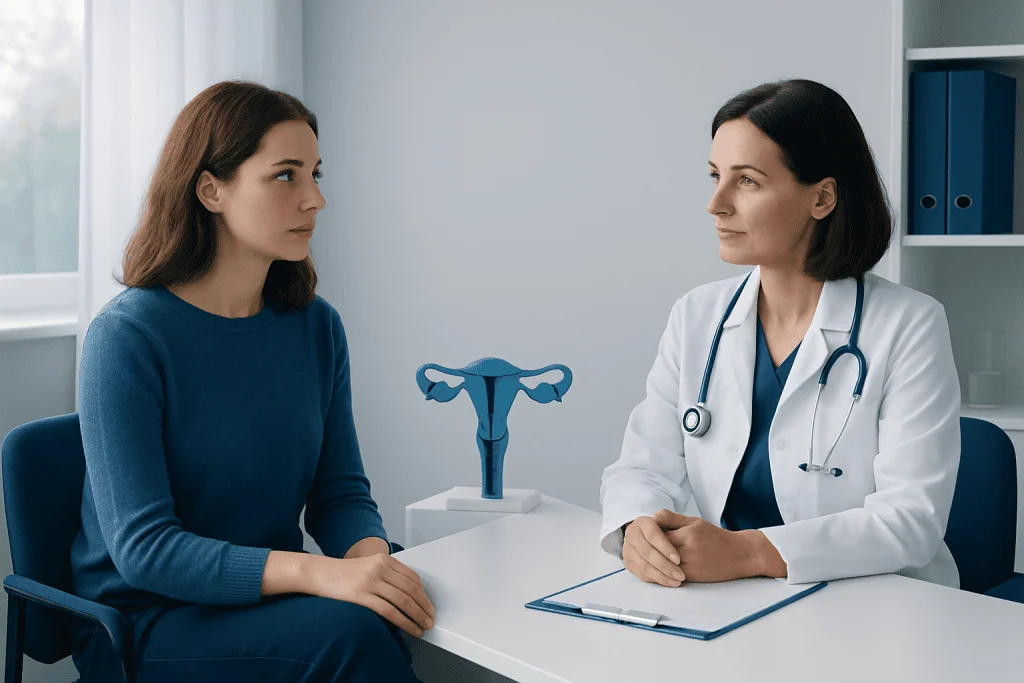
A gynecology appointment is appropriate both for prevention and for symptoms. Many women benefit from routine visits even when they feel well, especially for cervical screening, contraception review, breast awareness discussions, and education about reproductive health. A first visit may happen in adolescence or early adulthood, often to discuss periods, pain, vaccines, or questions about sexual health.
It is sensible to book an appointment if there are symptoms such as unusually heavy periods, bleeding after sex, bleeding after menopause, pelvic pain, a lump or pressure in the lower abdomen, unusual vaginal discharge, genital sores, severe period cramps, or changes in bladder and bowel habits that seem linked to the menstrual cycle. New or persistent symptoms should not be ignored, even if they seem mild at first.
Women trying to conceive may also seek gynecologic advice if pregnancy does not happen as expected or if there is a history of irregular ovulation, pelvic surgery, miscarriages, or known reproductive conditions. During perimenopause and menopause, a gynecologist can help with hot flashes, vaginal dryness, sleep problems, mood changes, and bleeding changes. Timely review often makes treatment simpler and more effective.
Common symptoms and possible causes
Gynecologic symptoms can have many possible explanations, and not all are serious. Heavy bleeding may be related to hormonal imbalance, fibroids, polyps, thyroid issues, pregnancy-related causes, or clotting problems. Irregular periods can occur with stress, weight changes, polycystic ovary syndrome, perimenopause, or other endocrine conditions. Pelvic pain may come from the uterus or ovaries, but it can also overlap with urinary, digestive, or musculoskeletal causes.
Vaginal discharge is normal to some degree and can vary during the menstrual cycle. However, discharge with a strong odor, unusual color, itching, burning, or irritation may suggest infection or inflammation. Pain during sex can be linked to dryness, pelvic floor tension, infection, endometriosis, ovarian cysts, or emotional and relationship factors. A careful medical review helps identify the most likely cause and the right next steps.
Some symptoms need prompt assessment. These include very heavy bleeding, severe sudden pelvic pain, fainting, fever with pelvic pain, pregnancy with bleeding or pain, or bleeding after menopause. While these symptoms do not always mean a serious problem, they should be evaluated without delay to rule out urgent conditions and guide treatment safely.
How gynecologists diagnose problems
A gynecology visit usually begins with a detailed conversation. The doctor may ask about menstrual cycles, pain, discharge, sexual health, previous pregnancies, contraception, medications, and family history. This discussion is important because the timing, pattern, and triggers of symptoms can offer strong clues about the cause. Patients can often help by noting cycle dates, bleeding patterns, and any symptoms that come and go.
Depending on the concern, the doctor may recommend a physical exam, including an abdominal and pelvic exam. In some situations, a speculum exam is used to view the cervix and vagina, and samples may be taken to check for infection or cervical cell changes. Screening tests such as a Pap test or HPV testing may be discussed according to age, history, and local guidelines.
Imaging and laboratory tests are often used when symptoms are ongoing or the diagnosis is unclear. Pelvic ultrasound is commonly used to assess the uterus, ovaries, and endometrial lining. Blood tests may help evaluate anemia, pregnancy, hormone patterns, infection, or thyroid function. If surgery is being considered or pain is difficult to explain, additional tests or referral to a subspecialist may be recommended.
Treatment options in gynecology
Treatment depends on the diagnosis, symptom severity, age, reproductive plans, and personal preferences. Many gynecologic problems can be managed with medication, such as antibiotics or antifungal treatment for infection, pain relief for cramps, hormonal treatment to regulate bleeding, or therapies to reduce menopausal symptoms. For some women, simple monitoring is enough, especially when cysts or mild symptoms are likely to improve over time.
Procedures may be useful when symptoms persist or when imaging suggests a structural cause. Depending on the condition, a gynecologist may recommend hysteroscopy to look inside the uterus, colposcopy to assess cervical changes, or surgery for fibroids, cysts, endometriosis, or prolapse. Minimally invasive approaches are often considered when appropriate, including laparoscopic surgery for selected pelvic conditions.
When fertility is a concern, treatment may focus on ovulation problems, tubal issues, or uterine conditions, and referral for IVF treatment may be discussed if needed. Women with fibroids or endometriosis may require tailored care that balances symptom control with future pregnancy plans. In international centers such as Acibadem International, multidisciplinary specialists in JCI-accredited hospitals evaluate these concerns and offer medical, surgical, and fertility-focused options for appropriate patients.
Prevention, routine care, and self-care
Preventive gynecology is an important part of overall health. Routine visits help women stay up to date with cervical screening, HPV vaccination discussions, contraception review, and advice related to sexual health, menstrual changes, and menopause. Preventive care also creates a chance to discuss family history, especially if there is a history of breast, ovarian, uterine, or colon cancer that may affect screening needs.
Self-care measures can also support gynecologic health. Tracking menstrual cycles and symptoms can make patterns easier to spot. Good genital hygiene is simple and gentle: avoid harsh soaps, douching, or scented products that may irritate the vaginal area. Using condoms can lower the risk of some sexually transmitted infections, and maintaining a balanced lifestyle may help support hormone and menstrual health.
It is also helpful to pay attention to changes that seem new, persistent, or different from a person’s usual pattern. Early review often prevents prolonged discomfort and may allow treatment before symptoms interfere with work, relationships, sleep, or fertility. Women who already have a diagnosed condition may need regular follow-up to monitor symptoms and adjust treatment over time.
When to seek urgent or specialist care
Some gynecologic symptoms should be assessed quickly. These include severe sudden pelvic pain, very heavy bleeding, bleeding during pregnancy, fever with pelvic pain, fainting, or signs of infection after a procedure. These symptoms can have several causes, and urgent assessment helps ensure that time-sensitive conditions are not missed.
Specialist care may also be needed when symptoms are persistent, recurrent, or affecting fertility or daily life. Women with repeated abnormal screening results, growing fibroids, chronic pelvic pain, suspected endometriosis, recurrent ovarian cysts, or complex menopause symptoms may benefit from review by a gynecologist with a particular area of expertise. In some cases, care may involve coordination with radiology, fertility, urology, gastroenterology, pain management, or oncology teams.
Booking a gynecology visit is not only for emergencies or severe disease. It is a practical step whenever there are questions about cycles, contraception, pelvic discomfort, sexual health, fertility, or menopause. A clear evaluation can offer reassurance, identify problems early, and help women make informed decisions about their health.
Frequently asked questions
What does a gynecologist do?
A gynecologist diagnoses, treats, and helps prevent conditions affecting the female reproductive system. They also provide routine screening, contraception counseling, fertility assessment, and menopause care.
When should someone first see a gynecologist?
A first visit often happens in the teenage years or early adulthood, especially if there are questions about periods, pain, vaccination, or sexual health. The timing can vary, and a family doctor can help advise when a gynecology visit would be useful.
Do all gynecology visits include a pelvic exam?
No, not every visit requires a pelvic exam. The need for an exam depends on the reason for the appointment, the patient’s age, symptoms, and whether screening or testing is needed.
What symptoms mean it is time to book a gynecology appointment?
Common reasons include heavy or irregular bleeding, pelvic pain, unusual discharge, genital irritation, pain during sex, fertility concerns, or bleeding after menopause. Even mild symptoms are worth discussing if they are new, persistent, or interfering with daily life.
Can a gynecologist help with menopause?
Yes, gynecologists commonly help manage menopause and perimenopause symptoms. They can assess bleeding changes, vaginal dryness, sleep or mood symptoms, and discuss treatment options based on a woman’s health history and preferences.
Should someone see a gynecologist for fertility concerns?
Yes, a gynecologist is often one of the first specialists involved in fertility evaluation. They can look for ovulation problems, uterine or tubal issues, endometriosis, fibroids, and other factors that may affect conception.
References
- World Health Organization
- American College of Obstetricians and Gynecologists
- Royal College of Obstetricians and Gynaecologists
- National Institute for Health and Care Excellence
- Office on Women's Health
This article is for general information only and is not a substitute for professional medical advice. Please consult a qualified doctor about your individual situation.
IVF & fertility treatment in Turkey — success rates and costs
JCI-accredited · board-certified surgeons · reply within 24h
Add us as a Preferred Source to see more of our trusted health content across Google Search, AI Overviews and Discover.
Check your numbers in seconds
BMI, calories, due date, blood pressure and 30+ more clinical calculators — free, instant, doctor-reviewed ranges.

More from the Health Library



Related Specialists

Dt. Avi Karako
Dentistry
Prof. Dr. Yurtkuran Sadıkoğlu
Interventional Radiology
Assoc. Prof. Dr. Ahmet Küçükçelebi
Aesthetic Plastic & Reconstructive Surgery
Assoc. Prof. Dr. Engin Çelik
Gynecology & Obstetrics