Gynecomastia surgery Risks & Side Effects Explained by Surgeons

Gynecomastia surgery is generally safe, but possible side effects include swelling, bruising, temporary changes in nipple sensation, bleeding, infection, fluid buildup, scarring and uneven chest contours. A pre-operative assessment helps identify factors that raise risk. Breast enlargement that is new, one-sided, firm or associated with discharge should be medically assessed before considering surgery.
Key Takeaways
- Temporary swelling, bruising, numbness and discomfort are common after gynecomastia surgery.
- Less common complications include bleeding, fluid collection, infection, visible scarring, contour irregularity and changes in nipple sensation.
- Stopping smoking, reviewing medicines and following compression-garment instructions can support safer healing.
- Surgery may involve liposuction, gland removal, skin removal or a combination, depending on the chest tissue and skin elasticity.
- New breast enlargement, a rapidly growing lump or nipple discharge should be medically assessed before considering cosmetic surgery.
Maybe you’ve stopped wearing fitted shirts. Maybe you’ve been thinking about surgery for years and only now started reading about what it actually involves. Either way, the honest answer is worth having.
Gynecomastia surgery is generally a well-established option for removing excess male breast gland tissue and fat. But it carries risks: bruising, swelling, bleeding, infection, scarring and uneven chest contours. A consultation with a qualified surgeon helps confirm whether surgery is appropriate, identify factors that may raise your risk, and set realistic expectations for recovery and results.
Gynecomastia Surgery Risks: What to Know First
Gynecomastia surgery risks include expected short-term effects such as swelling, bruising, soreness and temporary changes in nipple or chest sensation. More significant complications, while less common, can include bleeding, infection, fluid buildup, delayed healing, noticeable scars and uneven chest contours. A careful assessment before surgery and a clear aftercare plan afterwards are two of the best ways to avoid problems that didn’t have to happen.
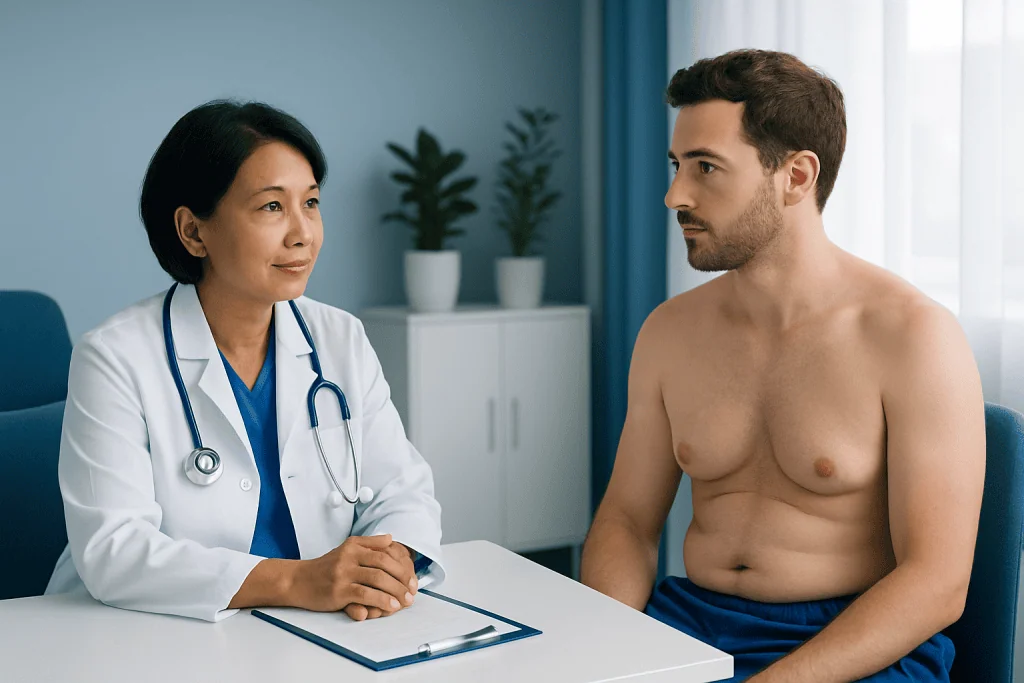
Gynecomastia is enlargement of breast tissue in males. It may result from an imbalance between hormones, certain medicines, alcohol or substance use, weight changes, or an underlying health condition. Before surgery is planned, a clinician should assess the cause of breast enlargement and consider whether medical treatment, lifestyle measures or observation may be more suitable.
For people who have persistent breast enlargement causing physical discomfort or emotional distress, surgery can provide a flatter, more proportionate chest shape. The procedure is individualized, and outcomes depend on the type of tissue present, skin quality, healing, lifestyle factors and the experience of the surgical team. More information about the procedure is available through gynecomastia surgery.
How the Procedure Works and Who May Be a Candidate
The aim of surgery is to remove excess glandular breast tissue, fat and, when needed, loose skin. Liposuction may be used when fatty tissue is the main concern. Gland tissue usually requires removal through a small incision, often placed around the edge of the areola. Some people with substantial skin excess may need a larger incision and skin tightening or removal.
Suitable candidates are usually in good general health, have a stable body weight and have breast enlargement that has persisted despite addressing possible contributing factors. Candidates should understand that surgery improves chest contour but cannot promise complete symmetry or prevent changes related to future weight gain, hormone changes or use of certain medications.
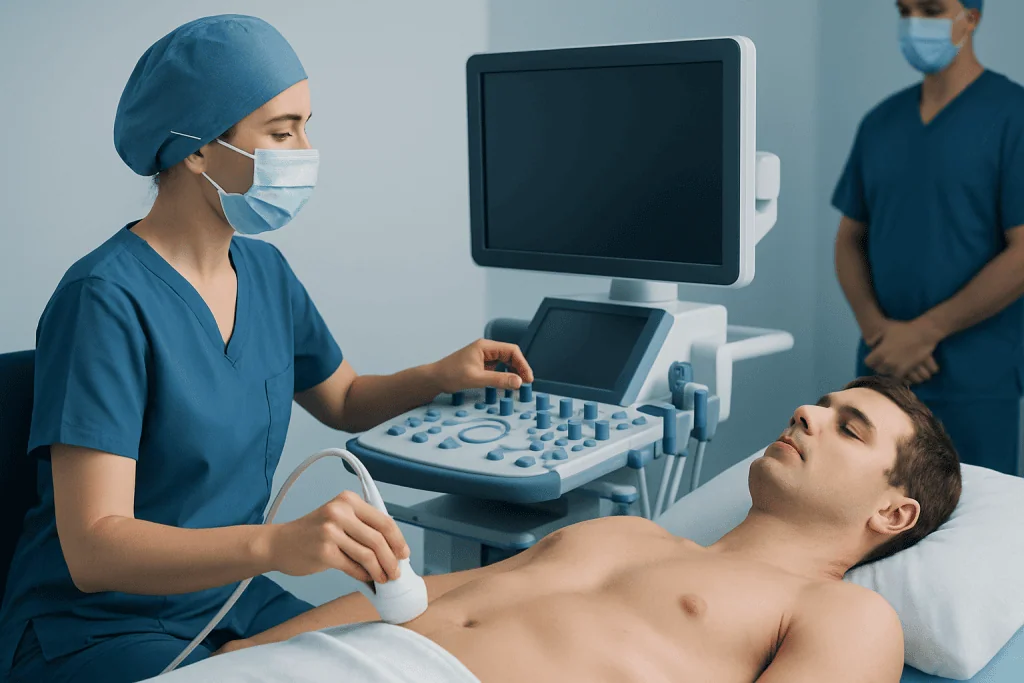
Before recommending surgery, the surgeon may ask about puberty, previous health conditions, liver or kidney disease, thyroid symptoms, medication and supplement use, alcohol intake, anabolic steroid use and recreational substances. An examination may be supplemented by blood tests or imaging when the history or examination suggests another cause. This evaluation also helps distinguish gynecomastia from other breast conditions.
- Persistent enlargement with stable weight and realistic expectations may support candidacy.
- Smoking or nicotine use, uncontrolled medical conditions and blood-thinning medicines can increase surgical risk.
- Breast enlargement that is new, one-sided, firm or associated with discharge requires medical assessment first.
What Happens During Gynecomastia Surgery
Gynecomastia surgery is commonly performed under general anesthesia, although the anesthesia approach depends on the planned technique and individual medical needs. Before surgery, the surgeon marks the treatment areas while the patient is standing, reviews the operative plan and confirms consent. Monitoring is used throughout the procedure to support safe anesthesia care.
For liposuction, small incisions are made in discreet locations. A thin tube called a cannula is used to loosen and remove fat. If gland tissue is present, the surgeon may make an incision at the lower border of the areola to remove it directly. When there is significant excess skin, the nipple position and chest skin may need to be reshaped, which can result in more visible scars.
After tissue removal, the surgeon checks chest contour and bleeding control before closing incisions. Dressings and a compression garment are usually applied to limit swelling and support the healing tissues. Depending on the extent of surgery and the person’s recovery from anesthesia, treatment may be performed as a day procedure or involve a short hospital stay.
Common Side Effects and Recovery Timeline
Swelling, bruising, tightness and mild-to-moderate discomfort are common in the first days after surgery. The chest may look uneven or fuller than expected initially because swelling does not resolve uniformly. Pain management, rest and following the surgeon’s instructions can make this period more manageable.
Temporary numbness, tingling or heightened sensitivity of the nipple and surrounding skin can occur. Sensation often improves gradually over weeks or months, but in some cases altered sensation may persist. Small amounts of drainage from incision sites can occur early on; however, persistent or worsening drainage should be reviewed by the surgical team.
Many people return to desk-based activity within about one to two weeks, depending on the extent of surgery and their comfort. Light walking is generally encouraged soon after surgery, while strenuous exercise, heavy lifting and chest training are usually postponed until the surgeon confirms that healing is adequate. Compression garments are often worn for several weeks, but the duration varies.
Early results may be visible after swelling starts to settle, yet the final contour can take several months to develop. Scars also mature gradually and may remain pink, firm or raised for a period before fading. Protecting scars from sun exposure and attending follow-up appointments supports appropriate monitoring.
Possible Complications and Factors That Increase Risk
All operations carry some degree of risk. In gynecomastia surgery, bleeding can occasionally lead to a hematoma, which is a collection of blood under the skin. A hematoma may cause increasing pressure, swelling, pain or one-sided enlargement and can sometimes require prompt drainage or further surgery. Fluid buildup, known as a seroma, may also occur and may need observation or drainage.
Infection is uncommon but possible. Signs can include increasing redness, warmth, tenderness, swelling, fever or cloudy drainage from an incision. Other potential complications include delayed wound healing, wound separation, adverse reactions to anesthesia, blood clots, skin or nipple blood-supply problems, and persistent numbness. The chance of these events varies according to the procedure and individual health factors.
Cosmetic concerns can include asymmetry, under-correction, over-correction, dents or contour irregularities, prominent scars, nipple distortion or residual loose skin. Revision surgery is sometimes considered after healing is complete, but it is not always needed or appropriate. Talk about the possibility of your two sides not matching perfectly before you go ahead, not after.
Risk may be higher in people who smoke or use nicotine products, have poorly controlled diabetes, have a bleeding disorder, take anticoagulant or antiplatelet medicines, have obesity, or undergo more extensive skin removal. The surgeon and anesthesia team should receive a complete and accurate medical history, including supplements and non-prescription medicines.
Preparing for Surgery and Supporting Safer Healing
Preparation starts with telling your doctor everything, honestly. The care team may advise blood tests, medication adjustments or evaluation by another specialist if an underlying hormonal or medical cause is suspected. Medicines and supplements that may affect bleeding should only be stopped or changed under the direction of the prescribing clinician and surgeon.
A surgeon will usually recommend avoiding smoking, vaping and all nicotine products before and after surgery because nicotine can reduce blood flow and impair wound healing. Maintaining a stable weight, eating a balanced diet, arranging help at home for the first day or two, and preparing comfortable clothing that opens at the front can also make recovery easier.
After surgery, patients should wear prescribed compression garments, keep incisions clean and dry as instructed, attend follow-up visits and avoid activities before they are cleared. They should not use alcohol, recreational drugs or unapproved supplements during recovery without discussing this with the care team. The safest aftercare plan is the one your own surgeon writes for you.
For international patients, Acibadem International’s multidisciplinary specialists and JCI-accredited hospitals can assess gynecomastia and provide surgical care with coordinated pre-operative and follow-up planning.
When to Seek Medical Care
Anyone with newly developing breast enlargement should seek medical assessment, particularly if it is only on one side, rapidly increasing, painful, associated with a hard lump, skin changes or nipple discharge. None of this necessarily means something serious. But don’t assume it’s simply cosmetic gynecomastia until someone has examined you.
After surgery, urgent contact with the surgeon or local emergency services is appropriate for sudden or rapidly increasing swelling, severe or worsening pain, heavy bleeding, chest pain, shortness of breath, fainting, fever, spreading redness, pus-like drainage or a wound that opens. These symptoms require timely evaluation to identify bleeding, infection or other complications.
Patients should also contact their surgical team if they have concerns about persistent swelling, unevenness, scars, numbness or uncertainty about returning to work or exercise. Follow-up visits are where your surgeon checks how you’re healing, answers your questions and tells you whether anything more needs doing.
Frequently asked questions
Is gynecomastia surgery high risk?
Gynecomastia surgery is a commonly performed procedure, but no surgery is without risk. Most people experience temporary swelling, bruising and discomfort, while complications such as bleeding, infection or contour irregularities are less common. Individual risk depends on health status, smoking or nicotine use, medications and the extent of surgery.
What are the most common side effects after gynecomastia surgery?
Common short-term side effects include swelling, bruising, soreness, tightness and temporary numbness around the chest or nipples. These effects generally improve as healing progresses. The chest shape may look uneven at first because swelling can resolve at different rates on each side.
Can gynecomastia come back after surgery?
Removed gland tissue does not usually regrow, but breast enlargement can recur or develop again if contributing factors remain. Weight gain, hormonal changes, certain medicines, anabolic steroid use and some health conditions can affect chest tissue or fat distribution. Treating an underlying cause is therefore important before surgery.
How long does recovery take after male breast reduction surgery?
Recovery varies with the procedure and the individual. Many people can return to light, desk-based work within one to two weeks, while strenuous exercise and lifting are delayed until the surgeon gives approval. Swelling improves over several weeks, and final contour changes may continue for several months.
Will gynecomastia surgery leave scars?
All surgical incisions create scars, although surgeons aim to place them in less noticeable areas whenever possible. Liposuction scars are usually small, while gland removal and skin removal may require more visible incisions. Scar appearance depends on incision type, skin healing and individual tendency to form raised or darker scars.
What should someone avoid after gynecomastia surgery?
Patients are usually asked to avoid strenuous exercise, heavy lifting and chest-focused training until their surgeon confirms that healing is sufficient. Smoking, vaping and nicotine products should also be avoided because they can impair wound healing. Medication, alcohol and supplement advice should be individualized by the surgical team.
This article is for general information only and is not a substitute for professional medical advice. Please consult a qualified doctor about your individual situation.
Gynecomastia Surgery in Turkey — costs, top hospitals & a free quote
7 JCI-accredited hospitals · board-certified surgeons · reply within 24h
Add us as a Preferred Source to see more of our trusted health content across Google Search, AI Overviews and Discover.

Medically reviewed by the Acıbadem International Medical Board — August 24, 2026
See our medical review board →
Update history
- PublishedAugust 21, 2026
- Medical review approvedAugust 24, 2026
- Last content updateAugust 24, 2026
References1
- Gynecomastia — MedlinePlus — medlineplus.gov
Aesthetic Plastic & Reconstructive Surgery Specialists at Acibadem

Dr. Münür Selçuk Kendir
Aesthetic Plastic & Reconstructive Surgery
Dr. Mustafa Mert Okumuş (m)
Aesthetic Plastic & Reconstructive Surgery
Dr. Mutluhan Temizsoy
Aesthetic Plastic & Reconstructive Surgery
Dr. Nargız Ibrahımlı
Aesthetic Plastic & Reconstructive Surgery
Dr. Nezail Demirciler
Aesthetic Plastic & Reconstructive SurgeryRelated Treatments
Related Conditions
More from the Health Library

Eyelid surgery blepharoplasty Risks & Side Effects Explained by Surgeons

Flap Surgery Moves Living Tissue to Repair Complex Wounds

Poland Syndrome Affects Chest Muscles on One Side From Birth

Cheiloplasty Reshapes or Repairs the Lips Surgically

Brazilian Butt Lift: Fat Transfer, Safety and Recovery