Hair on Breasts: What Patients Need to Know
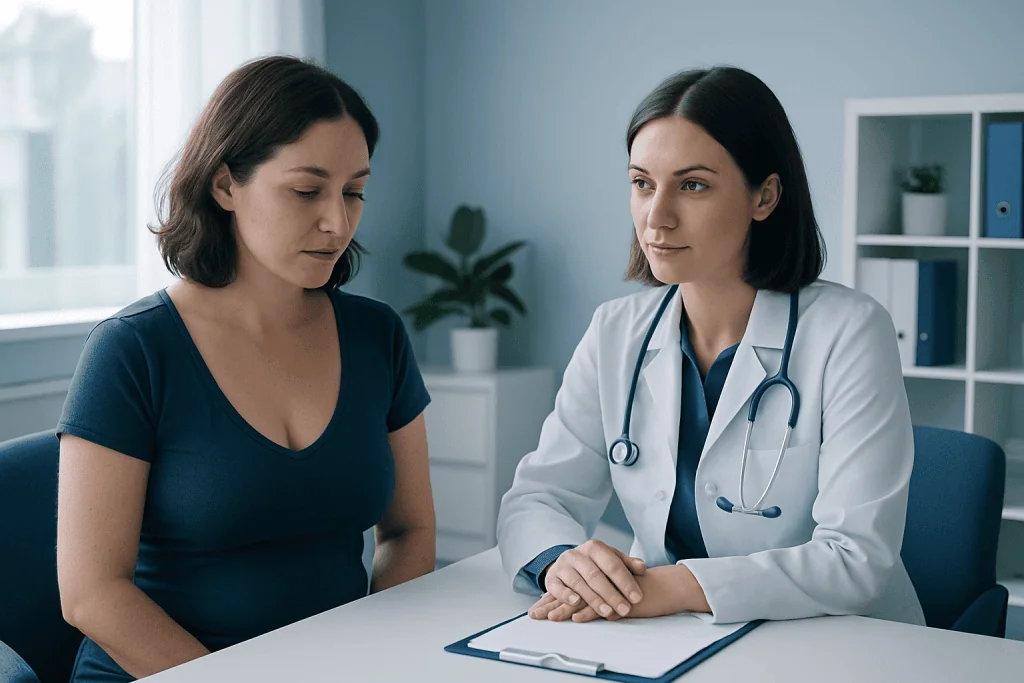
Fine or coarse hairs on the breast, areola, or between the breasts are usually harmless. Genetics, age, hormones, and some medicines can influence where and how much body hair grows.
Key Takeaways
- Fine or coarse hairs on the breast, areola, or between the breasts are usually harmless.
- Genetics, age, hormones, and some medicines can influence where and how much body hair grows.
- Sudden, fast-growing coarse hair with other hormonal symptoms deserves medical evaluation.
- Trimming, shaving, waxing, and laser hair reduction may be options when breast hair is bothersome.
- Hair removal does not make hair grow back thicker, darker, or faster.
Hair on breasts, including hair around the nipples or areola, is common and is usually a normal variation in body-hair growth. A clinician may recommend assessment when new or rapidly increasing coarse hair occurs alongside menstrual changes, acne, scalp hair thinning, or other signs of hormone imbalance.
Hair on Breasts: Is It Normal?
Hair on breasts is usually normal. Many people have soft, light-colored hairs on the breast skin or darker, coarser hairs near the areola, the pigmented skin surrounding the nipple. Hair follicles occur across much of the body, including the chest, so their presence in this area does not by itself indicate a health problem.
The amount, thickness, and color of breast hair vary widely. They are influenced by inherited traits, skin tone, hair color, ethnicity, age, and hormone sensitivity. Some people notice only a few individual hairs, while others have more visible growth on the areola, upper chest, or between the breasts.
Breast hair can be a cosmetic concern, but it is not unclean and does not reflect poor hygiene. It also does not cause breast cancer or indicate cancer in most situations. What matters medically is whether the hair pattern has changed quickly or appears with other symptoms that may point to a hormonal condition.
Where Breast Hair Comes From
Each hair grows from a follicle in the skin. Some follicles produce very fine, lightly pigmented vellus hair. Others respond more strongly to hormones called androgens and produce terminal hair, which is thicker, longer, and darker. Everyone produces androgens, although levels and effects differ from person to person.
The skin around the nipples has oil glands and hair follicles, making a small number of terminal hairs in this location particularly common. A person may first become aware of these hairs during puberty, when hormonal changes can make body hair more noticeable. Pregnancy, menopause, and aging can also alter hair distribution or texture.
Hair growth is not always symmetrical. One breast may have more visible hair than the other, and hair can become easier to see after changes in weight, skin pigmentation, or hair color. In the absence of concerning changes, this variation is generally considered part of normal body diversity.
Hormones, Medicines and Other Possible Causes
In many cases, there is no underlying medical cause beyond normal genetic and hormonal variation. However, increased coarse hair on the chest, chin, upper lip, abdomen, or back can sometimes be part of hirsutism. Hirsutism describes a pattern of terminal hair growth in areas commonly influenced by androgens, particularly in people assigned female at birth.
Polycystic ovary syndrome (PCOS) is one common cause of hirsutism. It may also cause irregular or absent periods, acne, difficulty with weight changes, or thinning hair on the scalp. Other possible causes include certain adrenal or ovarian conditions, Cushing syndrome, thyroid disorders, and less commonly, hormone-producing tumors. Most people with a few hairs around the nipples do not have these conditions.
Some medicines may also encourage increased body hair growth. These can include certain hormone-containing medicines, anabolic steroids, some seizure medicines, immunosuppressants, and drugs that affect hair follicles. A person should not stop a prescribed medicine without discussing it with the prescribing clinician.
Hair growth that develops gradually around menopause may occur because estrogen levels decrease relative to androgen effects. This can be normal, although a doctor can help assess new symptoms and determine whether testing is appropriate.
What Changes Should Be Checked?
It is useful to pay attention to the pattern and timing of hair growth. A few stable hairs around the areola, even if they are dark, are typically not concerning. Medical assessment is more appropriate when coarse hair begins suddenly, becomes noticeably more widespread over a few months, or develops with other changes in the body.
Symptoms that may suggest an androgen-related hormone change include irregular menstrual cycles, new or severe acne, deepening of the voice, increased muscle mass without an obvious explanation, scalp hair thinning, or increased facial and body hair. Difficulty becoming pregnant may also be relevant for some people. These symptoms do not confirm a diagnosis, but they help guide a clinician’s evaluation.
Breast skin changes should be considered separately from hair growth. A new breast lump, nipple discharge that is bloody or occurs without squeezing, persistent nipple inversion, skin dimpling, redness, warmth, or a non-healing rash should be evaluated promptly. These signs are not usually caused by ordinary breast hair.
How Doctors Assess Excess Breast Hair
A clinician will usually begin by asking when the hair growth started, how quickly it changed, which areas are affected, and whether there are menstrual, skin, weight, fertility, or medication-related changes. They may ask about family patterns of body hair, because inherited traits are often an important explanation.
The physical examination may include a general assessment of hair distribution, acne, scalp hair, and signs of insulin resistance or other hormonal conditions. Depending on the person’s symptoms, age, and medical history, blood tests may be used to assess hormone levels, thyroid function, or other relevant measures. Testing is not routinely necessary for a few unchanged hairs around the nipple.
Additional imaging, such as pelvic ultrasound, may be considered if symptoms and test results suggest a condition involving the ovaries or adrenal glands. The purpose of assessment is not to judge normal body hair, but to identify a treatable condition when there are meaningful signs of hormone imbalance.
Hair Removal and Skin Care Options
Removal is a personal choice. If breast hair is bothersome, careful trimming with clean small scissors or an electric trimmer is often the simplest option. Tweezing can work for a small number of individual hairs, but may cause temporary redness, irritation, ingrown hairs, or inflammation of the follicle in some people.
Shaving does not make hair grow back thicker, darker, or faster. The blunt tip of newly growing hair can feel more noticeable, which creates that impression. If shaving, using a clean razor, warm water, and a gentle fragrance-free shaving product may reduce irritation. It is best to avoid shaving over broken skin, a rash, or an infected follicle.
Waxing, threading, depilatory creams, electrolysis, and laser hair reduction are other possibilities. The areola and nipple area can be sensitive, so patch testing and professional advice are especially important. Depilatory creams should never be applied to the nipple itself or irritated skin. Laser hair reduction tends to work best on darker hairs and may require several sessions; it does not always provide permanent removal.
If repeated removal causes pain, discoloration, ingrown hairs, or distress, a dermatologist can discuss safer techniques and treatment of skin irritation. When a hormone-related cause is diagnosed, treating the underlying condition may help slow new hair growth, although existing hairs often still need cosmetic management.
When to Seek Medical Care
A routine appointment with a primary care doctor, gynecologist, endocrinologist, or dermatologist is reasonable if breast hair has become more extensive or is causing concern. Seeking advice can be particularly helpful when there are irregular periods, acne, scalp hair loss, unwanted facial hair, or a family history of hormonal conditions.
More timely medical care is advised if coarse hair growth appears rapidly over weeks to months, especially with voice changes, significant muscle changes, or menstrual periods stopping unexpectedly. These findings are uncommon, but they need professional assessment to identify the cause.
A person should also seek medical care for a new breast lump, unexplained nipple discharge, persistent nipple or skin changes, or signs of skin infection after hair removal, such as spreading redness, swelling, pus, fever, or worsening pain. These concerns should not be assumed to be related to normal breast hair.
Acibadem International’s multidisciplinary specialists and JCI-accredited hospitals can assess hormonal, dermatologic, and breast-health concerns for international patients. A qualified clinician can provide individualized advice based on symptoms, medical history, and personal preferences.
Frequently asked questions
Is hair around the nipples normal?
Yes. A small number of hairs around the nipples or areola is very common and is usually a normal feature of the skin. It can occur at any age and may become more noticeable with puberty, pregnancy, menopause, or normal hormonal changes.
Does breast hair mean that hormones are abnormal?
Not usually. A few stable hairs alone do not necessarily mean there is a hormone problem. Evaluation may be useful if coarse hair appears suddenly or increases with irregular periods, acne, facial hair growth, scalp thinning, or other new symptoms.
Can I pluck hair on my breasts?
Tweezing a small number of hairs is generally possible, but it can irritate sensitive skin or lead to ingrown hairs. Using clean tweezers and avoiding repeated plucking of inflamed skin can reduce these risks. Trimming may be gentler for people prone to irritation.
Will shaving breast hair make it grow back thicker?
No. Shaving does not change the number of follicles or the rate of hair growth. New hair may feel stubbly because it has a blunt end, but it is not actually thicker or darker.
Can PCOS cause hair on the breasts?
PCOS can contribute to increased coarse hair growth in androgen-sensitive areas, including the chest and around the breasts. However, breast hair alone cannot diagnose PCOS. A clinician considers menstrual history, other symptoms, examination findings, and sometimes laboratory tests.
When is breast hair a reason to see a doctor?
A doctor should assess rapid or marked new coarse hair growth, particularly if it occurs with voice changes, missed periods, severe acne, scalp hair loss, or increased facial hair. Separate breast symptoms, such as a lump, unusual nipple discharge, or skin dimpling, also require medical attention.
This article is for general information only and is not a substitute for professional medical advice. Please consult a qualified doctor about your individual situation.
Hair transplant in Turkey — costs, graft counts & a free assessment
JCI-accredited · board-certified surgeons · reply within 24h
Add us as a Preferred Source to see more of our trusted health content across Google Search, AI Overviews and Discover.

More from the Health Library

Fissure anale surgery: A Complete Medical Guide for Patients

Different Types of ADHD: An Evidence-Based Guide for Patients

Fasted Cardio: An Evidence-Based Guide for Patients
Epidermolysis Bullosa: An Evidence-Based Guide for Patients

Pyridostigmine: A Complete Medical Overview