Heart Attack: A Complete Medical Overview

A heart attack is usually caused by a sudden blockage in a coronary artery. Common symptoms include chest pressure, shortness of breath, sweating, nausea, and pain spreading to the arm, jaw, back, or neck.
Key Takeaways
- A heart attack is usually caused by a sudden blockage in a coronary artery.
- Common symptoms include chest pressure, shortness of breath, sweating, nausea, and pain spreading to the arm, jaw, back, or neck.
- Some people, especially women, older adults, and people with diabetes, may have less typical symptoms.
- Diagnosis often involves an ECG, blood tests such as troponin, and heart imaging or coronary angiography.
- Early treatment may include medicines, emergency procedures to reopen the artery, and cardiac rehabilitation.
- Controlling blood pressure, cholesterol, diabetes, smoking, weight, and physical activity can help lower risk.
A heart attack happens when blood flow to part of the heart muscle is suddenly blocked, usually by a clot forming on top of a narrowed coronary artery. Prompt medical care can limit heart damage, improve survival, and support a safer recovery.
Overview
A heart attack, also called myocardial infarction, occurs when blood flow to part of the heart muscle is suddenly reduced or completely blocked. Without enough oxygen, the affected heart tissue begins to suffer injury. This is why a heart attack is treated as a medical emergency and why acting quickly matters.
In most cases, the blockage develops in a coronary artery, the blood vessel that supplies the heart muscle itself. A fatty buildup called plaque can narrow the artery over time. If that plaque ruptures, a blood clot may form and abruptly stop blood flow.
Heart attacks can range from relatively small to extensive, depending on how much of the heart muscle is affected and how quickly treatment begins. Some people have classic chest pain, while others have less obvious symptoms. Even when symptoms seem mild or unusual, urgent evaluation is important.
A heart attack is not the same as sudden cardiac arrest, although one can lead to the other. A heart attack is a circulation problem caused by blocked blood flow. Sudden cardiac arrest is an electrical problem in which the heart stops beating effectively.
Symptoms and Warning Signs

The most widely recognized symptom of a heart attack is chest discomfort. People often describe it as pressure, squeezing, fullness, heaviness, or pain in the center or left side of the chest. The feeling may last more than a few minutes or come and go.
Symptoms may also extend beyond the chest. Pain or discomfort can spread to the arm, shoulder, back, neck, or jaw. Shortness of breath may happen with or without chest pain. Other possible signs include nausea, vomiting, cold sweating, dizziness, sudden weakness, or an unusual sense that something is seriously wrong.
Not everyone has the same experience. Women, older adults, and people with diabetes are more likely to have less typical symptoms, such as unusual fatigue, indigestion-like discomfort, shortness of breath, or upper back pain. These symptoms can still signal a heart attack and should not be ignored.
- Chest pressure, tightness, or pain
- Shortness of breath
- Pain spreading to the arm, jaw, neck, shoulder, or back
- Cold sweat
- Nausea or lightheadedness
- Sudden weakness or unexplained fatigue
Why a Heart Attack Happens
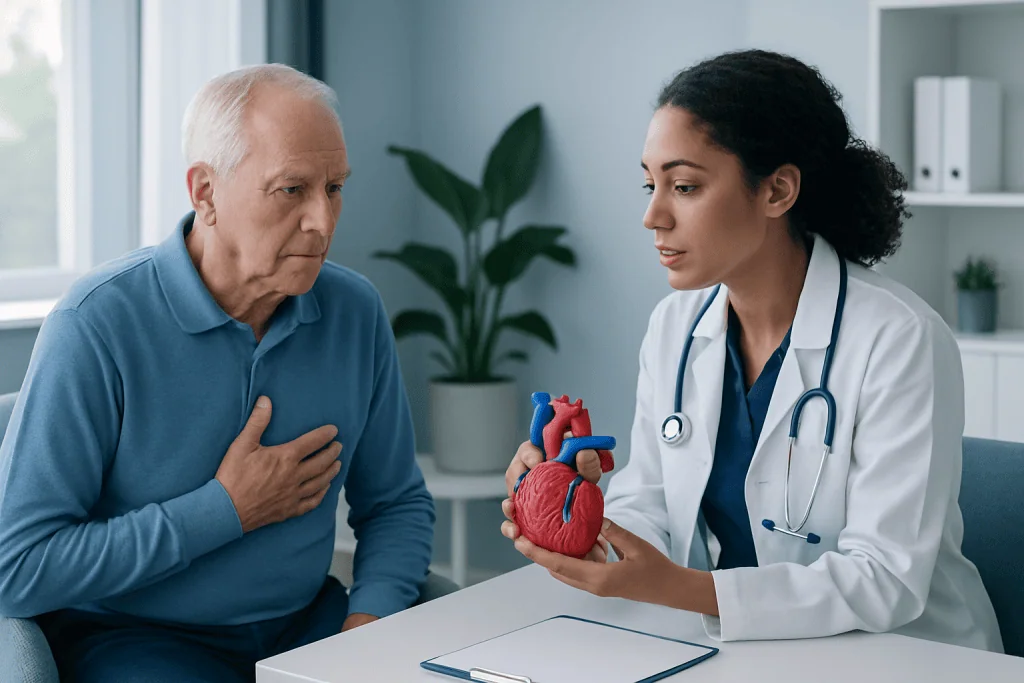
Most heart attacks are caused by coronary artery disease. In this condition, cholesterol-rich plaque builds up inside the coronary arteries over many years. If a plaque becomes unstable and ruptures, the body may form a clot at that site. That clot can partially or fully block blood flow to the heart muscle.
Less commonly, a heart attack can result from a severe spasm of a coronary artery, a tear in the artery wall, or reduced oxygen supply during serious illness. In rare cases, certain drugs or stimulants may trigger vessel spasm or clotting. Doctors evaluate the likely cause because treatment and prevention plans may differ.
Risk factors include smoking, high blood pressure, high cholesterol, diabetes, obesity, physical inactivity, chronic stress, and an unhealthy diet. Family history, older age, and some inflammatory or kidney conditions can also increase risk. The presence of one or more risk factors does not mean a heart attack will happen, but it does raise the chance over time.
A heart attack often develops on the background of coronary artery disease, which may remain silent until symptoms appear. Some people have warning episodes, such as chest discomfort with activity, while others have no clear warning before the event.
How Doctors Diagnose It
When a heart attack is suspected, diagnosis begins immediately. Doctors first ask about symptoms and medical history, perform a physical examination, and check vital signs. An electrocardiogram, or ECG, is one of the first tests because it can show signs of reduced blood flow or heart muscle injury within minutes.
Blood tests are also essential. Troponin is a heart-related protein that rises in the bloodstream when heart muscle is damaged. Repeating the test over time helps confirm the diagnosis and estimate the extent of injury.
Further testing may be needed to identify the blocked artery and assess heart function. This can include echocardiography, chest imaging, stress testing in selected cases after stabilization, and coronary angiography. Coronary angiography allows doctors to see the heart arteries directly and, if appropriate, move quickly to treatment such as coronary angiography.
Doctors also distinguish heart attack from other causes of chest pain, such as angina, inflammation around the heart, blood clots in the lungs, or digestive conditions. This careful evaluation helps ensure the right treatment is given without delay.
Treatment and Early Recovery
Heart attack treatment focuses on restoring blood flow as fast as possible, relieving symptoms, and protecting the heart from further injury. Initial treatment may include oxygen in selected cases, pain relief, antiplatelet medicines, blood thinners, and drugs that help the heart work more efficiently. The exact combination depends on the type of heart attack and the person’s overall condition.
Many patients need an urgent procedure to reopen the blocked artery. A common approach is percutaneous coronary intervention, often called angioplasty with stenting. In this procedure, a doctor guides a catheter into the heart artery, opens the blockage, and may place a stent to help keep the artery open. This may be part of interventional cardiology care.
Some people have multiple severe blockages or anatomy that is not well suited to stenting. In these situations, coronary artery bypass grafting may be recommended to improve blood flow around narrowed arteries. Doctors decide on the best strategy based on urgency, artery findings, and the person’s overall health.
Recovery continues after the emergency phase. Many patients benefit from medicines to lower cholesterol, control blood pressure, prevent clotting, and reduce strain on the heart. Cardiac rehabilitation, follow-up appointments, smoking cessation, and a gradual return to activity all play a major role in long-term healing and prevention.
Prevention and Long-Term Self-Care
Preventing a first or future heart attack depends on managing the factors that damage the coronary arteries. Stopping smoking is one of the most effective steps. Regular physical activity, a heart-healthy eating pattern, maintaining a healthy weight, and getting adequate sleep can all support cardiovascular health.
Medical conditions such as high blood pressure, diabetes, and high cholesterol should be checked and treated consistently. Taking prescribed medicines as directed is important even when symptoms improve. People who have already had a heart attack usually need long-term treatment and monitoring to lower the risk of another event.
Stress management can also help. While stress alone does not usually cause a heart attack, chronic stress may worsen blood pressure, sleep, diet, and smoking habits. Simple approaches such as structured exercise, relaxation practices, and social support can make long-term lifestyle changes more sustainable.
Regular checkups help doctors assess risk and look for related conditions such as heart failure after a major heart injury. Near the end of recovery planning, some international patients choose centers such as Acibadem International, where multidisciplinary specialists in JCI-accredited hospitals diagnose and treat heart conditions with coordinated follow-up care.
When to Seek Medical Care
Immediate medical care is needed if a person has chest pressure, pain, or tightness that lasts more than a few minutes or returns repeatedly, especially if it comes with shortness of breath, sweating, nausea, dizziness, or pain spreading to the arm, jaw, neck, or back. Calling emergency services is safer than driving because treatment can begin sooner.
People should not wait to see whether symptoms pass on their own. Delays can increase the amount of heart muscle damage. If a doctor has previously prescribed emergency instructions for chest pain, those instructions should be followed while emergency help is on the way.
Medical follow-up is also important after a heart attack or after an episode of unexplained chest discomfort. A doctor may look for ongoing arrhythmia, reduced heart function, medication side effects, or symptoms that suggest another heart or blood vessel problem.
Any new chest pain during recovery, fainting, worsening shortness of breath, rapid swelling, or palpitations should be discussed promptly with a qualified clinician. If symptoms are severe or sudden, emergency care is the right next step.
Frequently asked questions
What is the difference between a heart attack and cardiac arrest?
A heart attack happens when blood flow to part of the heart muscle is blocked. Cardiac arrest happens when the heart suddenly stops pumping effectively because of an electrical problem. A heart attack can sometimes trigger cardiac arrest, but they are not the same condition.
Can a heart attack happen without severe chest pain?
Yes. Some people have mild chest discomfort, shortness of breath, nausea, fatigue, or pain in the jaw, back, or arm instead of intense chest pain. These less typical symptoms are more common in women, older adults, and people with diabetes.
How is a heart attack confirmed?
Doctors usually confirm a heart attack with an ECG and blood tests that look for heart muscle damage, especially troponin. Additional imaging or coronary angiography may be used to find the blocked artery and guide treatment.
What should someone do if they think they are having a heart attack?
They should seek emergency medical help immediately. It is safest to call emergency services rather than drive, because monitoring and early treatment may begin before arrival at the hospital. They should follow any emergency advice already given by their doctor.
Is recovery possible after a heart attack?
Yes, many people recover well, especially when treatment starts quickly. Recovery often includes medicines, follow-up visits, cardiac rehabilitation, and lifestyle changes to protect the heart and reduce the risk of another event.
Can heart attacks be prevented?
Risk cannot always be removed completely, but it can often be lowered. Not smoking, controlling blood pressure and cholesterol, managing diabetes, staying active, eating a balanced diet, and keeping regular medical appointments all help reduce the chance of a heart attack.
References
- American Heart Association
- National Heart, Lung, and Blood Institute
- Centers for Disease Control and Prevention
- European Society of Cardiology
- World Health Organization
This article is for general information only and is not a substitute for professional medical advice. Please consult a qualified doctor about your individual situation.
Heart care in Turkey — expert evaluation and treatment
JCI-accredited · board-certified surgeons · reply within 24h
Add us as a Preferred Source to see more of our trusted health content across Google Search, AI Overviews and Discover.
Check your numbers in seconds
BMI, calories, due date, blood pressure and 30+ more clinical calculators — free, instant, doctor-reviewed ranges.