Hemoglobin — Explained by Medical Evidence, Not Myths

Hemoglobin is essential for oxygen transport and is measured with a routine blood test. Low hemoglobin is often linked to anemia, blood loss, iron deficiency, chronic disease, or vitamin deficiency.
Key Takeaways
- Hemoglobin is essential for oxygen transport and is measured with a routine blood test.
- Low hemoglobin is often linked to anemia, blood loss, iron deficiency, chronic disease, or vitamin deficiency.
- High hemoglobin may occur with dehydration, smoking, living at high altitude, lung disease, or bone marrow disorders.
- A hemoglobin result alone does not make a diagnosis; doctors interpret it with red blood cell indices, iron studies, and medical history.
- Symptoms such as fatigue, shortness of breath, dizziness, chest pain, or pale skin should be discussed with a doctor.
Hemoglobin is the protein in red blood cells that carries oxygen from the lungs to the body's tissues and helps return carbon dioxide to the lungs. When hemoglobin is too low or too high, it can point to an underlying health issue, so results are best understood in the context of symptoms, overall health, and other blood tests.
Overview: What hemoglobin does and why it matters
Hemoglobin is a protein found inside red blood cells. Its main job is to bind oxygen in the lungs and deliver it to tissues throughout the body. It also helps carry some carbon dioxide back to the lungs so it can be exhaled. Without enough healthy hemoglobin, organs and muscles may not receive the oxygen they need to work efficiently.
Each hemoglobin molecule contains iron, which allows it to hold oxygen. This is why nutrition, blood production in the bone marrow, and overall health all affect hemoglobin levels. If the body does not make enough red blood cells, loses blood, lacks iron or certain vitamins, or breaks down red blood cells too quickly, hemoglobin can fall.
Hemoglobin is usually checked as part of a complete blood count, often called a CBC. The result can help doctors evaluate symptoms such as tiredness, weakness, shortness of breath, paleness, or dizziness. It is also used to monitor long-term conditions, recovery after illness or surgery, and the effects of some treatments.
It is important to remember that hemoglobin values vary by age, sex, pregnancy status, altitude, hydration, and laboratory reference range. For that reason, a number that is slightly outside the usual range is not always a sign of disease. The most helpful interpretation comes from a doctor who can consider the full clinical picture.
What normal, low, and high hemoglobin can mean
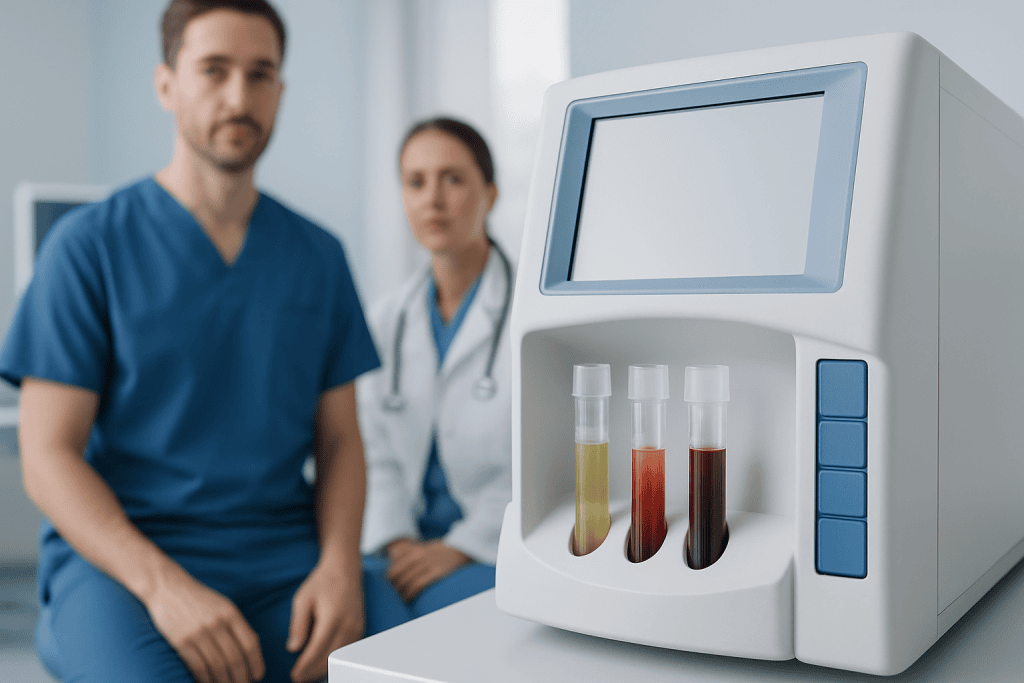
A hemoglobin result is usually reported in grams per deciliter. Laboratories provide a reference range, but what is considered normal can differ from one person to another. In general, doctors look at whether the result matches the person’s age, sex, medical history, and current symptoms rather than relying on a single cutoff alone.
Low hemoglobin often suggests anemia, which means there are not enough healthy red blood cells or not enough hemoglobin within them. Anemia is not a disease by itself; it is a sign that something may be affecting blood production, blood loss, or red blood cell survival. A doctor may explore possible causes such as iron deficiency, vitamin B12 or folate deficiency, chronic kidney disease, inflammation, or hidden bleeding.
High hemoglobin may be seen when the body appears to have more concentrated blood, as happens with dehydration. It can also occur when the body produces extra red blood cells in response to lower oxygen levels, such as with smoking, some lung conditions, sleep-related breathing problems, or living at high altitude. More rarely, a bone marrow disorder can be responsible.
Hemoglobin is only one part of the story. Doctors usually review related CBC results such as hematocrit, mean corpuscular volume, red cell distribution width, white blood cells, and platelets. This broader view helps distinguish between common issues like iron deficiency and more complex blood disorders.
Symptoms linked to abnormal hemoglobin

Many people with a mild hemoglobin change have no symptoms, especially if it develops slowly. When symptoms do appear, they often reflect how well oxygen is reaching the body’s tissues. Low hemoglobin may cause fatigue, reduced exercise tolerance, weakness, headaches, dizziness, pale skin, cold hands and feet, or shortness of breath with activity.
If anemia becomes more severe, symptoms can include a fast heartbeat, chest discomfort, fainting, or breathlessness even at rest. Some causes of anemia can also produce additional clues. Iron deficiency may be associated with brittle nails or unusual cravings, while vitamin B12 deficiency may cause tingling, balance problems, or memory changes.
High hemoglobin may not cause obvious symptoms at first. When symptoms do occur, some people report headaches, flushing, dizziness, blurred vision, itching, or a feeling of fullness. These symptoms are not specific, so they should not be used to self-diagnose. They simply indicate that a medical evaluation may be useful.
Symptoms depend not only on the hemoglobin number but also on how quickly it changed and whether another medical condition is present. For example, an older adult or someone with heart or lung disease may feel unwell with a modest drop in hemoglobin, while another person may notice very little. This is one reason individualized assessment matters.
Common causes and risk factors
Low hemoglobin has many possible causes. Common reasons include blood loss from heavy menstrual periods, digestive tract bleeding, surgery, injury, or frequent blood donation. Another major cause is reduced production of red blood cells due to iron deficiency, low vitamin B12, low folate, chronic inflammation, kidney disease, bone marrow disorders, or some medications.
Red blood cells may also be destroyed faster than the body can replace them. This is called hemolysis and can happen in certain inherited conditions, immune-related disorders, infections, or reactions to medicines. In some people, inherited blood conditions affect the structure or production of hemoglobin itself, such as thalassemia or sickle cell disease.
High hemoglobin can result from temporary factors such as dehydration, which makes blood more concentrated. It may also occur because the body is adapting to reduced oxygen levels, as seen with smoking, chronic lung disease, some heart conditions, or obstructive sleep apnea. In rarer cases, the bone marrow makes too many red blood cells because of a primary blood disorder.
Risk factors vary by cause but can include poor dietary intake, pregnancy, older age, chronic illness, digestive disorders that reduce nutrient absorption, family history of inherited blood disease, smoking, and high-altitude living. A person’s pattern of symptoms, medical history, and test results helps narrow down which of these factors are most relevant.
How doctors diagnose the cause
Finding an abnormal hemoglobin level is usually the first step, not the final diagnosis. Doctors begin with a history and physical examination, asking about symptoms, diet, menstrual history, possible blood loss, family history, medications, smoking, and chronic illnesses. They also review whether the person has recently been dehydrated, pregnant, or living at altitude, all of which can affect results.
A complete blood count provides useful clues. Red blood cell indices can suggest whether anemia is more likely due to iron deficiency, vitamin deficiency, chronic disease, or another cause. Depending on the situation, the evaluation may include iron studies, ferritin, vitamin B12, folate, reticulocyte count, kidney function tests, inflammation markers, and tests for hemolysis.
If hidden bleeding is suspected, doctors may look for sources in the stomach or intestines, especially in adults with new iron deficiency. If a hereditary or complex blood problem is possible, more specialized testing may be recommended. This can include hemoglobin electrophoresis, which helps identify abnormal forms of hemoglobin.
When a blood disorder is suspected, referral to a hematologist may be appropriate. In some cases, further testing or bone marrow transplantation may be relevant for selected severe blood conditions, though this is not needed for most people with abnormal hemoglobin. The goal of diagnosis is to identify and treat the underlying cause, not just the lab result itself.
Treatment options and everyday management
Treatment depends entirely on the reason the hemoglobin level is abnormal. Low hemoglobin caused by iron deficiency may improve with dietary changes, iron supplementation, and treatment of the source of blood loss. If the cause is vitamin B12 or folate deficiency, replacing the missing nutrient can help. Chronic disease-related anemia may improve when the underlying condition is better controlled.
Some people need additional care if anemia is severe or causing significant symptoms. In selected situations, doctors may recommend blood transfusion to stabilize symptoms and improve oxygen delivery. A transfusion is not a routine treatment for all anemia and is generally reserved for specific clinical circumstances.
High hemoglobin is managed by addressing its cause. This may include improving hydration, stopping smoking, evaluating lung or heart disease, or treating sleep-related breathing disorders. If a bone marrow condition is suspected, hematology follow-up is important. The approach may differ depending on whether the high value is temporary, reactive, or due to a primary blood disorder.
Good everyday management includes following up on repeat blood tests, taking supplements only as advised, and avoiding self-treatment based on a single lab result. Too much iron can be harmful if iron deficiency is not actually present. In complex or inherited conditions, specialist care may be needed, and treatment can overlap with care used for related anemia disorders.
Prevention, self-care, and when to seek medical care
Not all hemoglobin problems can be prevented, but some can be reduced through healthy habits. A balanced diet that includes iron, vitamin B12, folate, and adequate protein supports normal red blood cell production. People with dietary restrictions, digestive disorders, heavy menstrual bleeding, or pregnancy may benefit from medical advice about screening and supplementation.
It also helps to stay hydrated, avoid smoking, and manage chronic illnesses such as kidney, heart, or lung disease. People with inherited blood conditions may benefit from genetic counseling and regular specialist follow-up. Supplements should be used thoughtfully, because the right treatment depends on the cause of the abnormal result.
Medical care should be sought promptly for symptoms such as severe shortness of breath, chest pain, fainting, a very fast heartbeat, black or bloody stools, or sudden heavy bleeding. A routine doctor’s visit is appropriate for ongoing fatigue, pale skin, dizziness, reduced exercise tolerance, or any blood test showing low or high hemoglobin that has not yet been explained.
For people who need further evaluation, Acibadem International’s multidisciplinary specialists and JCI-accredited hospitals diagnose and treat blood-related conditions for international patients. Depending on the cause, care may involve internal medicine, hematology, nutrition support, and advanced diagnostics, including therapies such as stem cell transplant in carefully selected cases.
Frequently asked questions
What is hemoglobin in simple terms?
Hemoglobin is the oxygen-carrying protein inside red blood cells. It helps move oxygen from the lungs to the body's tissues and carries some carbon dioxide back to the lungs.
Is low hemoglobin the same as anemia?
Low hemoglobin often means a person has anemia, but anemia itself is a finding rather than a single disease. Doctors still need to determine why the hemoglobin is low, such as iron deficiency, blood loss, vitamin deficiency, or chronic illness.
Can dehydration affect hemoglobin results?
Yes. Dehydration can make blood more concentrated, which may raise the measured hemoglobin temporarily. This is why doctors sometimes repeat testing when hydration status may have influenced the result.
What foods help support healthy hemoglobin?
Foods rich in iron, vitamin B12, folate, and protein can support normal red blood cell production. Examples include lean meats, beans, lentils, leafy greens, eggs, dairy or fortified alternatives, and fortified cereals, but diet alone may not correct all causes of abnormal hemoglobin.
Should a person take iron if hemoglobin is low?
Not without medical advice. Low hemoglobin is not always caused by iron deficiency, and taking iron unnecessarily can cause side effects and may be harmful in some situations.
What tests are commonly done after an abnormal hemoglobin result?
Doctors often review the complete blood count in detail and may order iron studies, ferritin, vitamin B12, folate, kidney function tests, reticulocyte count, or tests for bleeding or hemolysis. The exact workup depends on symptoms, history, and the pattern seen in the blood test.
References
- World Health Organization
- Centers for Disease Control and Prevention
- National Heart, Lung, and Blood Institute
- American Society of Hematology
- MedlinePlus
This article is for general information only and is not a substitute for professional medical advice. Please consult a qualified doctor about your individual situation.
Explore treatments in Turkey — costs, top hospitals & a free quote
JCI-accredited · board-certified surgeons · reply within 24h
Add us as a Preferred Source to see more of our trusted health content across Google Search, AI Overviews and Discover.

More from the Health Library



Related Specialists

Prof. Dr. Harzem Özger
Orthopedic Surgery & Traumatology
Dr. Serpil Pırmıt
Dermatology
Prof. Dr. Hüseyin Bayram
Orthopedic Surgery & Traumatology
Dr. Mehmet Kılıç
Emergency Service