Hollywood smile vs Smile makeover: Which Is Right for You?

A Hollywood smile is usually a veneer- or crown-focused cosmetic approach designed for a bright, symmetrical look. A smile makeover is a broader, personalized treatment plan that can address appearance, bite, tooth health, and gum proportions.
Key Takeaways
- A Hollywood smile is usually a veneer- or crown-focused cosmetic approach designed for a bright, symmetrical look.
- A smile makeover is a broader, personalized treatment plan that can address appearance, bite, tooth health, and gum proportions.
- Healthy teeth and gums are important before elective cosmetic dental work begins.
- Some procedures are irreversible, particularly those involving tooth preparation for veneers or crowns.
- A dental assessment, including bite and gum evaluation, helps determine the safest and most suitable approach.
Hollywood smile vs smile makeover comes down to scope and personalization. A Hollywood smile commonly focuses on creating a bright, uniform appearance with veneers or crowns, whereas a smile makeover is an individualized plan that may combine cosmetic, restorative, orthodontic, and gum treatments.
Hollywood Smile vs Smile Makeover: What Is the Difference?
Hollywood smile vs smile makeover is not a choice between two completely separate dental procedures. A Hollywood smile usually describes a particular cosmetic result: teeth that look brighter, more even, well aligned, and balanced with the lips and face. It is often achieved mainly with veneers, and sometimes with crowns, whitening, or other supporting treatments.
A smile makeover is the wider clinical concept. It is a personalized treatment plan that may include veneers but can also involve whitening, bonding, orthodontics, gum contouring, crowns, implants, or restorative care. The right option depends on the person’s dental health, bite, tooth structure, goals, budget considerations, and willingness to undergo irreversible treatment.
For people seeking an overview of the veneer-led approach, Hollywood smile treatment explains how cosmetic planning may be used to improve the color, shape, and balance of the teeth. A qualified dentist should assess oral health first rather than selecting a treatment based only on photographs or a desired celebrity-style result.
How Each Approach Works
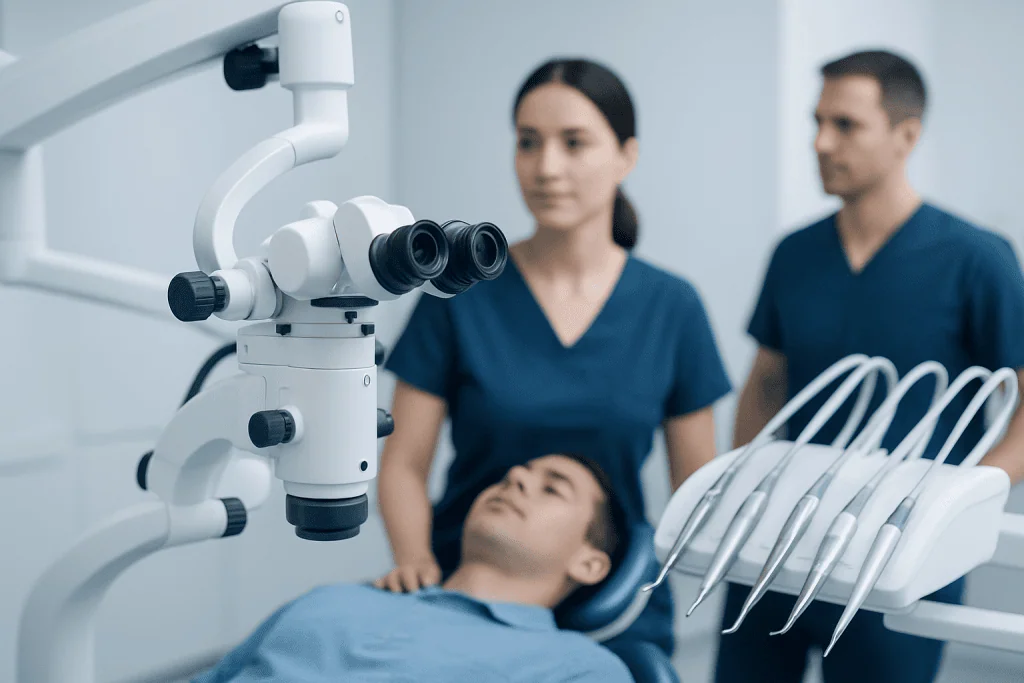
A Hollywood smile commonly uses thin, custom-made veneers bonded to the front surfaces of visible teeth. Veneers may be made from porcelain or composite resin. Porcelain generally offers strong stain resistance and a natural light-reflecting quality, while composite may sometimes require less preparation but can be more prone to staining or wear over time. In some cases, crowns are recommended instead when teeth have extensive damage or large fillings.
The objective is usually cosmetic consistency. The dentist considers tooth color, length, width, contours, the smile line, and the amount of gum visible when smiling. Although a bright, uniform appearance may be desired, a well-planned result should still suit the individual’s face, lip movement, age, and natural tooth characteristics.
A smile makeover begins with identifying all factors affecting a smile. For example, orthodontic treatment may be appropriate for crowding or bite concerns before veneers are considered. Whitening may improve tooth color without covering natural enamel, while gum treatment may be needed if inflammation, recession, or uneven gum levels affect the appearance and long-term health of the smile.
Who May Be a Candidate?

Suitable candidates for elective cosmetic dental treatment generally have healthy gums, manageable decay risk, and a stable bite. They should also have realistic expectations: dental procedures can improve the appearance and function of teeth, but no treatment can create a completely risk-free or permanent result. Maintenance and future repair or replacement may be necessary.
A Hollywood smile may suit a person with healthy teeth who wants to address noticeable discoloration, small gaps, mild shape differences, worn edges, or minor cosmetic irregularities. It may be less suitable when there is active gum disease, untreated tooth decay, significant tooth movement, severe bite problems, or habitual tooth grinding that has not been managed.
A smile makeover may be more appropriate when concerns are more complex or involve several areas at once. People with missing teeth, broken restorations, uneven gums, malocclusion, or substantial wear often benefit from a phased plan. In these situations, preserving healthy natural tooth tissue and stabilizing oral health are important priorities before aesthetic changes are made.
- Healthy gums and controlled decay risk support better cosmetic outcomes.
- Bruxism, or tooth grinding, may require a protective night guard and bite assessment.
- Pregnancy, certain medical conditions, and medicines that affect healing or bleeding should be discussed with the dentist.
- Smoking and frequent intake of staining foods or drinks can affect gum health and color maintenance.
Step by Step: Planning and Treatment
Both approaches should start with a consultation. The dentist reviews medical and dental history, examines teeth and gums, checks the bite and jaw function, and may take photographs, digital scans, or X-rays. The planning stage is especially important because cosmetic concerns can sometimes reflect an underlying issue such as decay, gum disease, enamel erosion, or a bite imbalance.
For a Hollywood smile, the dentist and patient discuss the desired level of brightness, tooth proportions, and overall look. Digital smile design or a diagnostic mock-up may help the patient preview proposed changes. If veneers or crowns are planned, a small amount of enamel may need to be reshaped. Impressions or scans are then used to make the restorations, which are fitted, adjusted, and bonded at a later visit.
A smile makeover can follow a similar process but is often completed in stages. Initial care may include professional cleaning, treatment for gum disease or cavities, replacement of failing fillings, or orthodontic movement. Cosmetic restorations are usually placed only after the foundation of the smile is healthy and stable. This careful sequencing can help protect both appearance and function.
Patients should ask what treatment alternatives exist, whether enamel reduction is necessary, how the bite will be protected, and what ongoing care will be required. Consent should include a discussion of the likely longevity of materials and the possibility of future maintenance.
Benefits, Limits, and Possible Risks
Potential benefits of either approach include improved tooth color, symmetry, shape, and confidence when smiling. A smile makeover may also improve comfort and function when it includes restorative treatment or correction of bite-related concerns. However, cosmetic dentistry should not be viewed as a substitute for everyday preventive care.
Veneers and crowns can involve permanent changes to the natural tooth, particularly if enamel is removed. Restorations may chip, loosen, fracture, stain at the margins, or need replacement over time. Teeth may develop temporary sensitivity after preparation, and some people experience ongoing sensitivity. If the bite is not properly assessed, restorations can be exposed to excessive forces.
Other possible concerns include gum irritation, an unnatural-looking shade or shape, dissatisfaction with the result, and the need for additional treatment if hidden decay or gum disease is discovered. Whitening can cause short-term sensitivity and does not change the color of existing crowns, veneers, or fillings. A dentist can explain which risks are most relevant to an individual plan.
A conservative approach may be preferable for some people. Whitening, composite bonding, orthodontics, and limited reshaping can sometimes provide meaningful improvements while preserving more natural tooth structure. The best treatment is not necessarily the most extensive one; it is the one that matches clinical needs and personal goals safely.
Recovery, Aftercare, and Long-Term Maintenance
Recovery depends on the treatments used. After tooth preparation for veneers or crowns, mild sensitivity to hot, cold, or pressure may occur for a few days. Gum tenderness can also occur after impressions, temporary restorations, or gum contouring. Most people can return to normal daily activities promptly, although eating very hard or sticky foods may need to be avoided while temporary restorations are in place.
After permanent veneers or crowns are fitted, there may be a short adjustment period while the mouth adapts to the new tooth shapes. If the bite feels uneven, chewing is uncomfortable, or a restoration feels sharp, the dental team should be contacted for review rather than waiting for symptoms to settle.
Long-term care includes brushing twice daily with fluoride toothpaste, cleaning between teeth every day, attending regular dental reviews, and limiting habits that can damage restorations. People who grind or clench their teeth may be advised to wear a custom night guard. Highly abrasive whitening products should not be used without professional advice, as they may affect natural enamel and restoration surfaces.
When to Seek Medical Care
People considering cosmetic dental work should arrange a dental assessment if they have tooth pain, sensitivity that persists, bleeding gums, loose teeth, bad breath that does not improve, jaw discomfort, or difficulty chewing. These symptoms may indicate a condition that needs treatment before cosmetic procedures can be planned.
Urgent dental care is appropriate for facial swelling, fever with dental pain, trauma to the mouth, uncontrolled bleeding, or a suspected dental infection. Prompt care can help prevent complications and protect the tooth where possible.
After veneers, crowns, bonding, or whitening, a dentist should review ongoing pain, a cracked or loose restoration, swelling, bite changes, or sensitivity that does not improve. Acibadem International’s multidisciplinary specialists and JCI-accredited hospitals diagnose and treat dental concerns for international patients, with treatment planning based on individual oral health needs.
Frequently asked questions
Is a Hollywood smile the same as a smile makeover?
No. A Hollywood smile usually refers to a particular cosmetic appearance, often created mainly with veneers or crowns. A smile makeover is a broader, individualized plan that may include cosmetic and restorative treatments, orthodontics, or gum care.
Do Hollywood smile treatments always require veneers?
Not always. Veneers are common in Hollywood smile plans, but some people may benefit from whitening, bonding, orthodontic treatment, crowns, or a combination of approaches. The most suitable option depends on tooth health, enamel, bite, and aesthetic goals.
Are veneers permanent?
Veneers are long-lasting restorations but are not considered permanent because they may eventually need repair or replacement. Traditional veneer treatment often requires removal of a small amount of enamel, which is irreversible. Careful planning is important before proceeding.
Can a smile makeover improve dental health?
A smile makeover can include treatments that improve function and help restore damaged teeth, such as crowns, fillings, gum treatment, or replacement of missing teeth. However, purely cosmetic procedures do not replace routine prevention or treatment for dental disease. Healthy gums and teeth remain the foundation of a successful result.
How long does recovery take after veneers?
Most people return to usual activities quickly after veneer appointments. Mild tooth or gum sensitivity can occur for several days, and it may take a short time to adapt to the new bite and tooth shapes. Persistent pain, a high bite, or a loose veneer should be assessed by a dentist.
Can people who grind their teeth have a Hollywood smile?
They may be candidates, but grinding can increase the risk of chipping, cracking, or loosening veneers and crowns. A dentist should assess the bite and discuss treatment for bruxism, which may include a custom night guard. In some cases, a more conservative or different restorative approach may be recommended.
References
- American Dental Association
- FDI World Dental Federation
- National Institute of Dental and Craniofacial Research
- British Dental Association
This article is for general information only and is not a substitute for professional medical advice. Please consult a qualified doctor about your individual situation.
Smile Makeover in Turkey — costs, top hospitals & a free quote
JCI-accredited · board-certified surgeons · reply within 24h
Add us as a Preferred Source to see more of our trusted health content across Google Search, AI Overviews and Discover.