Hormonal Therapy Endometriosis: How It Works, Results and What to Expect

Hormonal therapy can suppress the hormonal stimulation that helps endometriosis lesions remain active. Several options are available, including combined hormonal contraception, progestogens, hormonal intrauterine devices and GnRH medicines.
Key Takeaways
- Hormonal therapy can suppress the hormonal stimulation that helps endometriosis lesions remain active.
- Several options are available, including combined hormonal contraception, progestogens, hormonal intrauterine devices and GnRH medicines.
- Treatment selection depends on symptoms, medical history, side effects, contraceptive needs and pregnancy plans.
- Symptoms often improve over weeks to months, but may recur when treatment is stopped.
- Surgery, fertility treatment and pain-focused care may be considered alongside or instead of hormone therapy in selected situations.
Hormonal therapy for endometriosis uses medicines that alter hormonal signals, usually lowering the stimulation of endometriosis tissue. It can reduce pelvic pain, heavy bleeding and other symptoms, but it does not permanently remove endometriosis and is not suitable for everyone.
Overview: how hormonal therapy helps endometriosis
Hormonal therapy for endometriosis works by changing the hormonal environment that can stimulate endometriosis tissue. Endometriosis occurs when tissue similar to the lining of the uterus grows outside the uterus, commonly in the pelvis. This tissue can respond to hormonal changes during the menstrual cycle, contributing to inflammation, pain and sometimes scarring.
Hormonal medicines may make periods lighter, less frequent or absent, reduce ovulation, or lower estrogen production more substantially. These changes can lessen pain from periods, pain during sex, chronic pelvic pain and some bowel or bladder symptoms linked with the menstrual cycle. Treatment aims to manage symptoms and improve day-to-day quality of life; it does not remove all endometriosis tissue permanently.
For many people, medication is an appropriate first approach when symptoms suggest endometriosis and there is no urgent reason for surgery. A clinician may also recommend further assessment to consider conditions that can occur alongside or resemble endometriosis, such as ovarian cysts, fibroids, pelvic floor dysfunction or bowel disorders.
What does hormone therapy do for endometriosis?
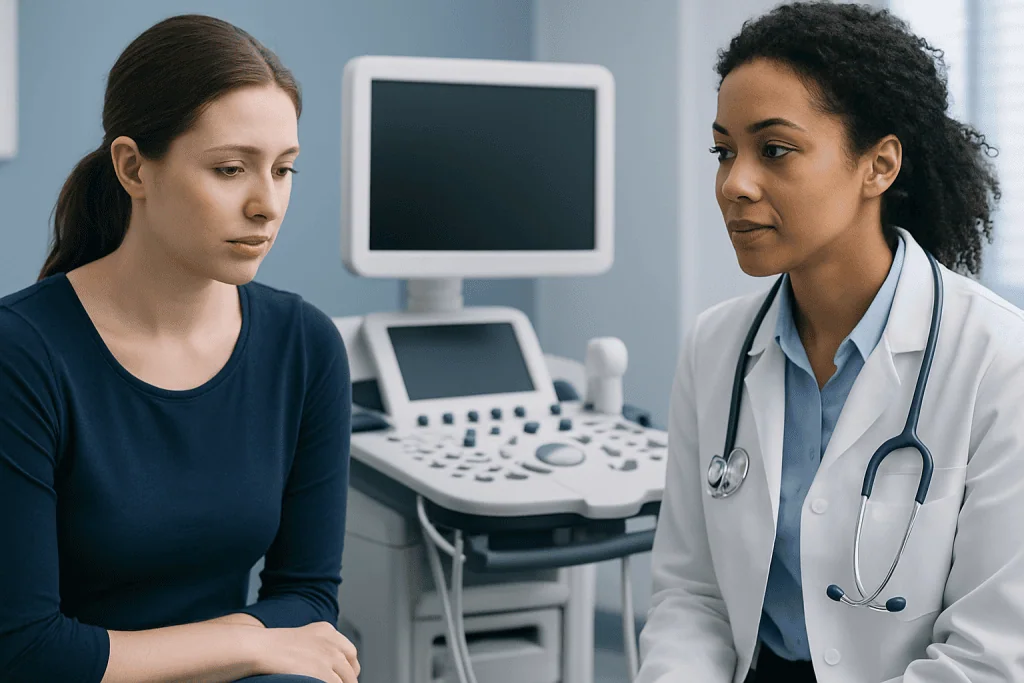
Hormone therapy reduces the cyclical hormonal stimulation of endometriosis lesions. Depending on the medicine used, it may suppress ovulation, thin the uterine lining, reduce menstrual bleeding or create a low-estrogen state. As lesions become less hormonally active, inflammation and irritation in surrounding tissues may decrease.
It is important to have realistic expectations. Hormonal treatment can be very effective for symptoms, but response varies between individuals. It does not guarantee that existing adhesions, scar tissue or deep lesions will disappear. Symptoms can return after medication is stopped because the underlying tendency for endometriosis to respond to hormones may remain.
Hormonal treatment is generally not used when a person is actively trying to become pregnant, because most options prevent ovulation or act as contraception. However, it may be useful before or after fertility-focused care in appropriate circumstances. A gynecologist can help align symptom control with short- and longer-term reproductive goals.
Who may be a candidate and which options are used?
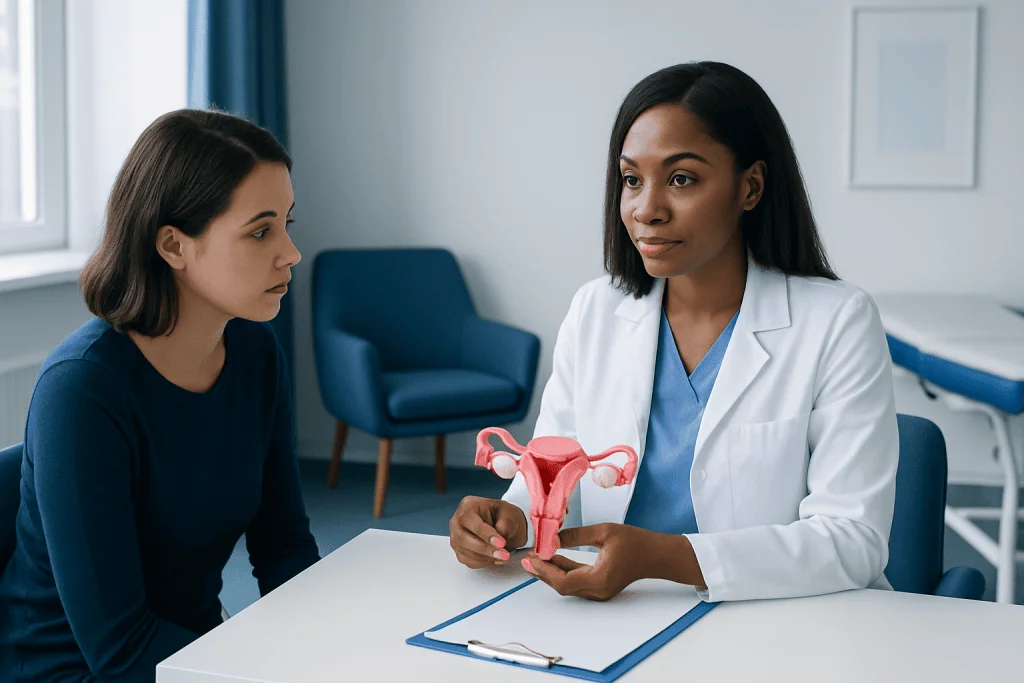
Hormonal therapy may be considered for people with suspected or confirmed endometriosis who have pain, heavy or difficult periods, or recurring symptoms after surgery. It can be particularly useful for those who want a non-surgical approach, need contraception, or are not currently pursuing pregnancy. A full medical history is essential before selecting a treatment.
Common options include combined estrogen-progestogen pills, patches or vaginal rings; progestogen-only pills, injections or implants; and a levonorgestrel-releasing intrauterine device. These options may be taken continuously to reduce or avoid menstrual bleeding. Some patients benefit from medicines that more strongly suppress ovarian hormone production, including GnRH agonists or antagonists, often with carefully selected add-back hormonal therapy to reduce low-estrogen effects.
Not every option is appropriate for every person. For example, certain estrogen-containing treatments may not be suitable with a history of blood clots, some migraine patterns, uncontrolled high blood pressure, smoking at older reproductive ages, or particular liver conditions. GnRH medicines require discussion of bone health, menopausal-type symptoms and the intended duration of treatment. Individualized evaluation is therefore important.
- Symptoms, their severity and their relationship to periods
- Previous treatments and side effects
- Need for contraception and plans for pregnancy
- Medical conditions, medication interactions and family history
- Findings from pelvic examination and imaging when indicated
How treatment starts: assessment and step-by-step expectations
Starting hormonal therapy is usually an outpatient process rather than a procedure. The clinician reviews symptoms, bleeding history, pain locations, prior pregnancies, medications and relevant health conditions. A pelvic examination may be offered with consent, and ultrasound or magnetic resonance imaging may be used when an ovarian endometrioma, deep endometriosis or another pelvic condition is suspected. Imaging can support assessment, although a normal scan does not exclude endometriosis.
After discussing benefits, limitations and side effects, the clinician and patient select a medicine and treatment schedule. A pill may be started according to the prescribing instructions; an injection, implant or hormonal intrauterine device is given or placed by a trained clinician. Placement of an intrauterine device may cause temporary cramping, and pain-relief planning can be discussed beforehand.
Follow-up is commonly arranged after the first few months to review pain, bleeding, mood, headaches and other possible effects. Keeping a simple symptom diary can make it easier to judge whether treatment is helping. The plan can be adjusted if symptoms persist, side effects are troublesome or personal priorities change.
Benefits, side effects and recovery timeline
The main potential benefit of hormonal therapy is meaningful symptom control without surgery. Many people experience lighter periods and less period-related pain, and some have fewer episodes of non-menstrual pelvic pain. Continuous hormonal regimens can reduce the number of bleeding days, which may be particularly helpful when symptoms are closely linked to menstruation.
There is usually no physical recovery period after beginning oral medication. After an injection, implant or intrauterine device placement, mild discomfort, spotting or irregular bleeding can occur initially. Adjustment commonly takes several weeks to a few months. Pain improvement may be gradual, so clinicians often assess response over time unless symptoms are severe or side effects require earlier review.
Possible side effects depend on the medicine. They can include irregular bleeding, breast tenderness, nausea, headaches, acne, altered mood or reduced libido. Treatments that markedly lower estrogen can cause hot flushes, vaginal dryness and possible effects on bone density if used without appropriate monitoring. Rare but serious risks, including blood clots with some estrogen-containing medicines, should be reviewed before treatment begins.
Urgent medical assessment is appropriate for severe chest pain, sudden shortness of breath, coughing blood, new weakness or numbness, fainting, severe one-sided leg swelling, or a severe new headache with neurological symptoms. These symptoms are uncommon but need prompt evaluation.
What are the 5 D's of endometriosis?
The “5 D’s” is an informal teaching phrase sometimes used to describe common symptom patterns associated with endometriosis: dysmenorrhea (painful periods), dyspareunia (pain during or after sex), dyschezia (painful bowel movements, often around periods), dysuria (painful urination, sometimes cyclical), and difficulty becoming pregnant. It is not a formal diagnostic test or a complete description of the condition.
Not everyone with endometriosis has these symptoms, and having one or more does not confirm endometriosis. Some people have minimal symptoms despite extensive disease, while others have substantial pain with little visible disease. Pelvic pain can also arise from other gynecologic, urinary, bowel or musculoskeletal causes.
A clear description of symptoms, including whether they change during the menstrual cycle, helps a clinician decide on the next steps. Prompt assessment is especially useful when pain affects work, sleep, relationships, bowel or bladder function, or fertility plans.
How do the Japanese treat endometriosis?
Endometriosis care in Japan follows the same broad evidence-based principles used internationally: symptom assessment, pain management, hormonal suppression when appropriate, surgery for selected cases, and fertility support when pregnancy is a priority. Japanese clinicians may use oral contraceptives, progestogens, dienogest, levonorgestrel-releasing intrauterine devices and GnRH-based therapies, depending on local approval, availability and individual clinical needs.
There is no single “Japanese treatment” that is universally best. Differences between health systems can affect which medicines are routinely prescribed, how follow-up is organized and when surgery is considered. The most appropriate plan should be based on the person’s symptoms, imaging findings, medical history and goals rather than on a country-specific approach.
For complex disease, care may involve gynecology, pain medicine, fertility specialists, colorectal surgery, urology and pelvic floor physiotherapy. This multidisciplinary approach can be valuable when lesions affect the bowel, bladder or other pelvic structures, or when pain continues despite initial treatment.
What is the most successful treatment for endometriosis?
There is no one most successful treatment for every person with endometriosis. Success depends on the goal: relieving pain, reducing bleeding, preserving fertility, treating an endometrioma, managing deep disease, or preventing recurrence after surgery. Hormonal therapy is often effective for pain control, while surgery may be considered for particular anatomical problems, severe symptoms not responding to medication, or selected fertility-related situations.
Laparoscopic surgery can diagnose and treat visible endometriosis, adhesions and ovarian endometriomas in carefully selected patients. However, surgery does not guarantee permanent symptom relief, and recurrence is possible. For people who are not trying to conceive, hormone treatment after surgery may help reduce the return of symptoms in some circumstances. Information about laparoscopic surgery can help patients understand how minimally invasive procedures fit into an overall care plan.
For infertility, treatment is individualized and may include expectant management, surgery in selected cases, ovulation-related care or assisted reproductive techniques. Pain severity alone does not predict fertility, and treatment decisions should be made with a gynecologist or reproductive specialist. Acibadem International’s multidisciplinary specialists and JCI-accredited hospitals assess and treat endometriosis for international patients when coordinated care is needed.
When to seek medical care
Medical advice is recommended for persistent pelvic pain, painful periods that do not improve with usual measures, pain during sex, pain with bowel movements or urination that follows the menstrual cycle, heavy bleeding, or difficulty becoming pregnant. Early discussion can help identify treatable causes and avoid unnecessary delays in care.
Urgent assessment is needed for sudden severe pelvic or abdominal pain, fainting, fever with pelvic pain, very heavy bleeding, repeated vomiting, or possible pregnancy with pain or bleeding. These symptoms may have causes other than endometriosis and should not be managed by assuming they are part of a known condition.
People already using hormonal treatment should contact their clinician if bleeding becomes persistently heavy, pain is worsening, side effects are difficult to tolerate, or they wish to stop contraception to try for pregnancy. Regular review supports safe, goal-based treatment and allows alternatives to be considered when needed.
Frequently asked questions
How long does hormonal therapy take to work for endometriosis?
Some people notice reduced bleeding or pain within the first few weeks, while others need several months to see the full effect. The expected timeline depends on the medicine used and the symptoms being treated. A follow-up review can help determine whether the plan should continue or change.
Can hormonal therapy cure endometriosis?
Hormonal therapy controls hormonal stimulation of endometriosis and can reduce symptoms, but it does not cure the condition permanently. Symptoms may return after treatment is stopped. Long-term management is often tailored around pain control, side effects and pregnancy plans.
Can someone get pregnant while taking hormonal treatment for endometriosis?
Most hormonal therapies used for endometriosis suppress ovulation or work as contraception, so they are not used when actively trying to conceive. Pregnancy intentions should be discussed before treatment begins. A fertility specialist can advise on options when pregnancy is a current goal.
Does hormonal therapy shrink endometriosis lesions?
Some treatments may reduce lesion activity and can reduce the size of certain endometriosis-related cysts in some people. However, response differs and hormonal therapy does not reliably eliminate adhesions or all lesions. Imaging and symptoms are interpreted together when monitoring is needed.
What happens if hormone therapy does not control endometriosis pain?
The clinician may review the diagnosis, adjust the hormone type or delivery method, or consider non-hormonal pain management and pelvic floor care. Further imaging or referral to an endometriosis-focused team may be appropriate. Surgery is considered selectively, based on symptoms, anatomy and reproductive goals.
Is it safe to take hormonal therapy for endometriosis long term?
Many hormonal options can be used long term with appropriate follow-up, but safety depends on the specific medicine and the individual’s health history. Some treatments need extra monitoring because of low-estrogen effects or other risks. Regular clinical review helps ensure that benefits continue to outweigh potential harms.
References
- World Health Organization
- American College of Obstetricians and Gynecologists
- European Society of Human Reproduction and Embryology
- National Institute for Health and Care Excellence
- Mayo Clinic
This article is for general information only and is not a substitute for professional medical advice. Please consult a qualified doctor about your individual situation.
Endometriosis in Turkey — costs, top hospitals & a free quote
JCI-accredited · board-certified surgeons · reply within 24h
Add us as a Preferred Source to see more of our trusted health content across Google Search, AI Overviews and Discover.
Check your numbers in seconds
BMI, calories, due date, blood pressure and 30+ more clinical calculators — free, instant, doctor-reviewed ranges.

Gynecology & Obstetrics
Women’s health across pregnancy, gynecologic surgery and high-risk pregnancy care.
186 specialists in this unit