How Do You Know If You Have Cancer?

No single symptom can prove a person has cancer. Symptoms that persist, worsen, or have no clear explanation should be evaluated.
Key Takeaways
- No single symptom can prove a person has cancer.
- Symptoms that persist, worsen, or have no clear explanation should be evaluated.
- Common warning signs include unexplained weight loss, unusual bleeding, a new lump, and lasting changes in bowel, bladder, or energy levels.
- Diagnosis may involve a physical exam, blood tests, imaging, and sometimes a biopsy.
- Routine screening can detect some cancers before symptoms appear.
- Early medical advice is reassuring and can help rule out serious illness.
Many cancers do not cause obvious symptoms at first, and common warning signs often have non-cancer causes. The safest way to know if cancer is present is to have persistent or unusual symptoms assessed by a qualified doctor and, when needed, confirmed with appropriate tests.
Overview
Many people wonder, “How do you know if you have cancer?” The honest answer is that symptoms alone cannot confirm it. Cancer can cause certain warning signs, but those same signs may also happen with infections, hormonal changes, digestive conditions, stress, or many other non-cancer illnesses. That is why medical evaluation is important.
Some cancers develop silently and cause few or no symptoms in the early stages. Others may cause noticeable changes such as a lump, abnormal bleeding, unexplained pain, or persistent fatigue. The pattern matters: symptoms that are new, do not go away, keep returning, or are hard to explain deserve attention.
It can also help to remember that “cancer” is not one disease. It is a large group of diseases that can begin in different organs and tissues, so the signs vary widely. For example, blood in the stool may raise concern for digestive cancers, while a changing mole may point to a skin problem that needs review.
The most reliable way to know whether cancer is present is through proper testing. A doctor may recommend an examination, blood work, imaging, or a biopsy depending on the person’s age, symptoms, and risk factors. In many cases, the results show a non-cancer cause, which can still benefit from treatment.
Common Signs and Symptoms That May Need Attention
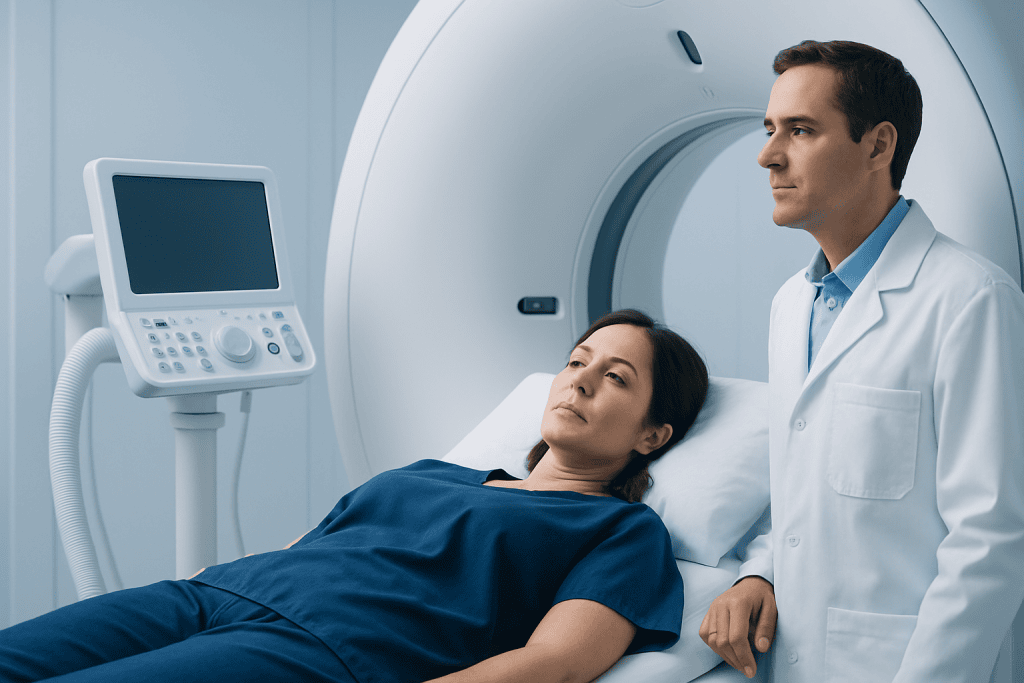
Cancer symptoms often depend on where the disease starts. Even so, there are some general warning signs that should not be ignored, especially if they last for several weeks or continue to worsen. One symptom by itself does not mean cancer, but a persistent pattern can be important.
Possible signs include unexplained weight loss, unusual tiredness, loss of appetite, fever without a clear cause, night sweats, or pain that does not improve. Some people notice a lump or swelling, a sore that does not heal, a new cough or hoarseness, trouble swallowing, or changes in bowel or bladder habits.
Abnormal bleeding is another reason to seek medical advice. This may include blood in the stool or urine, coughing up blood, bleeding after menopause, unusually heavy periods, or bleeding between periods. Skin changes can also matter, such as a mole that changes in size, shape, or color, or a new skin lesion that crusts, bleeds, or does not heal.
- A new lump in the breast, neck, testicle, or elsewhere
- Unexplained weight loss
- Persistent fatigue or weakness
- Blood in stool, urine, sputum, or vaginal bleeding outside the usual pattern
- Lasting cough, hoarseness, or shortness of breath
- Changes in bowel habits, urination, or swallowing
- A sore, ulcer, or skin lesion that does not heal
Why Symptoms Are Not Always Cancer
One of the most important points for patients is that cancer-like symptoms are common in everyday medicine. A lump may be a cyst, swollen lymph node, or benign growth. Tiredness may be caused by poor sleep, anemia, thyroid problems, or depression. Rectal bleeding may come from hemorrhoids, and a cough may be related to infection, asthma, or reflux.
This is why doctors look at the whole picture rather than one symptom in isolation. They consider how long the problem has been present, whether it is changing, what other symptoms exist, and whether there are any personal or family risk factors. Age, smoking history, sun exposure, infections, and prior medical problems can all influence how symptoms are interpreted.
At the same time, it is wise not to dismiss persistent changes. If a symptom continues despite simple treatment, keeps recurring, or does not fit the usual explanation, follow-up is important. Reassessment over time is a normal part of medical care and can help identify conditions early.
In some cases, doctors may also consider whether symptoms could be linked to a known cancer type. For example, lasting difficulty swallowing may lead to investigation for esophageal disease, while a persistent breast lump may need assessment for breast cancer. The goal is not to assume the worst, but to evaluate thoughtfully and safely.
Risk Factors and Who May Need Closer Evaluation
Anyone can develop cancer, but some people have a higher risk than others. Risk tends to rise with age, although cancer can occur in younger adults and, less commonly, in children. Lifestyle, environment, medical history, infections, and inherited genetic factors may all play a role.
Common risk factors include tobacco use, heavy alcohol use, obesity, physical inactivity, excessive sun exposure, radiation exposure, and long-term contact with certain chemicals. Some infections, such as human papillomavirus, hepatitis B, hepatitis C, and Helicobacter pylori, are also linked to specific cancers. A strong family history can increase concern for inherited cancer syndromes.
People with ongoing risk factors should be especially aware of changes in their health and should keep up with routine screening. Screening is different from symptom-based testing because it looks for disease before obvious warning signs appear. Depending on age and risk, this can include tests for breast, cervical, colorectal, lung, prostate, or skin cancers.
Having risk factors does not mean someone has cancer, and having no known risk factors does not rule it out. Risk simply helps doctors decide how urgently to investigate symptoms and which tests may be most appropriate.
How Doctors Diagnose Cancer
If cancer is suspected, the doctor usually begins with a detailed medical history and physical examination. They will ask when symptoms began, whether they have changed, what makes them better or worse, and whether there is a family history of cancer or relevant exposures. This first step often helps narrow the possibilities.
Next, tests may be recommended. These can include blood tests, urine tests, stool tests, or imaging studies such as ultrasound, X-ray, CT, MRI, or mammography, depending on the symptom and body area involved. In some situations, a doctor may recommend PET-CT imaging or MRI to look more closely at suspicious findings.
It is important to know that imaging can suggest cancer, but it usually cannot confirm it with certainty. In many cases, a biopsy is needed. During a biopsy, a small sample of tissue is taken and examined under a microscope by a pathologist. This is often the clearest way to determine whether cells are cancerous.
Some people may also need endoscopy, colonoscopy, bronchoscopy, or specialized blood and molecular tests. If cancer is confirmed, further tests are used to define the type, stage, and spread. This information guides treatment choices and helps the care team plan the next steps.
Treatment Options if Cancer Is Found
Treatment depends on the type of cancer, where it began, whether it has spread, the person’s general health, and their goals of care. Some cancers are treated with one main approach, while others need a combination of therapies. It is common for a multidisciplinary team to be involved.
Possible treatments include surgery, chemotherapy, radiation therapy, targeted therapy, hormone therapy, immunotherapy, or carefully monitored active surveillance. For some patients, surgery may remove a localized tumor. Others may benefit from chemotherapy or radiation therapy to shrink or destroy cancer cells.
Supportive care is also an important part of treatment. This may include pain relief, nutritional support, emotional counseling, physical rehabilitation, and help managing side effects. Good supportive care can improve quality of life during and after treatment.
Treatment decisions are personal and should be made with a qualified oncology team. Near the end of the diagnostic journey, some patients seek care in specialized centers; Acibadem International’s multidisciplinary specialists and JCI-accredited hospitals diagnose and treat cancer for international patients when advanced evaluation or coordinated care is needed.
Prevention, Screening, and Self-Care
Not all cancers can be prevented, but many risk-lowering steps are well supported. Avoiding tobacco is one of the most important. Maintaining a healthy weight, staying physically active, limiting alcohol, protecting the skin from excessive sun, and eating a balanced diet can also support long-term health.
Vaccination can help prevent some infection-related cancers. For example, HPV vaccination lowers the risk of several cancers, and hepatitis B vaccination helps reduce liver cancer risk. People should also discuss family history with a doctor, because some may benefit from genetic counseling or earlier screening.
Routine screening is especially valuable because it may find certain cancers before symptoms begin. Examples include mammograms, cervical screening, colorectal screening, and, for selected high-risk individuals, lung cancer screening. Screening recommendations vary by age, sex, family history, and local guidelines, so personalized advice is best.
Self-care also means paying attention to the body without becoming overwhelmed. Noticing persistent symptoms, keeping a simple record of changes, and attending regular medical checkups can help. The goal is balanced awareness: neither ignoring warning signs nor assuming every symptom means cancer.
When to See a Doctor
It is sensible to see a doctor if a symptom lasts more than a few weeks, keeps coming back, is getting worse, or has no clear explanation. A person should also seek medical advice sooner if they notice a new lump, unexplained bleeding, significant weight loss, ongoing difficulty swallowing, a persistent cough, or major changes in bowel or bladder habits.
Urgent evaluation may be needed for heavy bleeding, severe shortness of breath, intense pain, new weakness or confusion, or signs of obstruction such as inability to pass stool or urine. These symptoms do not always mean cancer, but they should not be left unchecked.
People with a strong family history of cancer, prior cancer, or known high-risk conditions may need earlier assessment even for milder symptoms. If a person has already been told a symptom is benign but it changes or fails to improve, going back for reassessment is appropriate and often helpful.
Seeking care early is not overreacting. It is a practical step that can provide reassurance, identify treatable non-cancer causes, or detect cancer at a stage when management may be more straightforward.
Frequently asked questions
Can you have cancer without symptoms?
Yes. Some cancers cause no symptoms in the early stages, which is one reason screening is important. A person may feel completely well and still have an abnormality found on a routine test.
What is usually the first sign of cancer?
There is no single first sign that applies to all cancers. Early signs vary by cancer type and may include a lump, unusual bleeding, a changing mole, a persistent cough, or unexplained weight loss.
Does feeling tired mean you might have cancer?
Fatigue alone is very common and usually has causes other than cancer, such as stress, poor sleep, anemia, or thyroid problems. However, fatigue that is severe, unexplained, or accompanied by other symptoms should be assessed by a doctor.
If a lump does not hurt, could it still be cancer?
Yes, some cancerous lumps are painless. But many painless lumps are benign, such as cysts or non-cancerous growths, so a medical examination is the best next step.
Can blood tests tell if you have cancer?
Blood tests can provide clues, but they usually cannot diagnose most cancers on their own. Doctors often combine blood tests with imaging and, when needed, a biopsy to make a definite diagnosis.
How long should you wait before seeing a doctor about possible cancer symptoms?
In general, symptoms that last more than a few weeks, keep returning, or clearly worsen should be checked. A doctor should be seen sooner for unusual bleeding, a new lump, trouble breathing, or other concerning changes.
References
- World Health Organization
- National Cancer Institute
- American Cancer Society
- Centers for Disease Control and Prevention
- National Health Service
This article is for general information only and is not a substitute for professional medical advice. Please consult a qualified doctor about your individual situation.
Oncology care in Turkey — second opinion and treatment plan
JCI-accredited · board-certified surgeons · reply within 24h
Add us as a Preferred Source to see more of our trusted health content across Google Search, AI Overviews and Discover.

More from the Health Library



Related Specialists

Prof. Dr. Murat Bozkurt
Orthopedic Surgery & Traumatology
Dr. Ali Şahin
General Surgery
Prof. Dr. Mustafa Hakan Dinçkal
Cardiology
Assoc. Prof. Dr. Mehmet Fatih Karakaş
Cardiology