

How Infectious Diseases Are Diagnosed: Tests, Samples, and Results

Doctors diagnose infections by combining symptoms, examination findings, and laboratory testing. Common samples include blood, urine, stool, saliva, sputum, skin scrapings, and swabs from the nose, throat, or wounds.
Key Takeaways
- Doctors diagnose infections by combining symptoms, examination findings, and laboratory testing.
- Common samples include blood, urine, stool, saliva, sputum, skin scrapings, and swabs from the nose, throat, or wounds.
- Different tests look for germs directly, detect genetic material, or measure the body’s immune response.
- Results may take minutes, hours, or several days depending on the test and whether a culture is needed.
- Accurate sampling and timing matter because they affect how reliable the results are.
- A negative test does not always fully rule out infection, so clinical judgment remains important.
Infectious disease diagnosis combines a person’s symptoms, medical history, physical examination, and targeted laboratory tests. The goal is to identify the cause accurately so treatment can be timely, appropriate, and as specific as possible.
Overview
Infectious disease diagnosis is the process of finding out whether an illness is caused by a virus, bacterium, fungus, or parasite. This usually begins with a careful review of symptoms, recent exposures, travel history, vaccination status, medications, and any underlying health conditions. A physical examination helps the doctor look for clues such as fever, rash, swollen lymph nodes, breathing changes, dehydration, or signs of localized infection.
Testing is then chosen based on the most likely causes. For example, a sore throat may call for a throat swab, while painful urination may lead to urine testing. In more complex situations, several tests may be needed to narrow the diagnosis, rule out similar conditions, and determine whether treatment is necessary right away.
The main aim is not only to confirm that an infection is present, but also to identify the specific organism whenever possible. This helps guide the best treatment, supports infection control, and can reduce unnecessary use of antibiotics or other medications. In many cases, diagnosis also helps doctors understand how severe the infection is and whether monitoring or hospital care is needed.
What Doctors Consider Before Testing
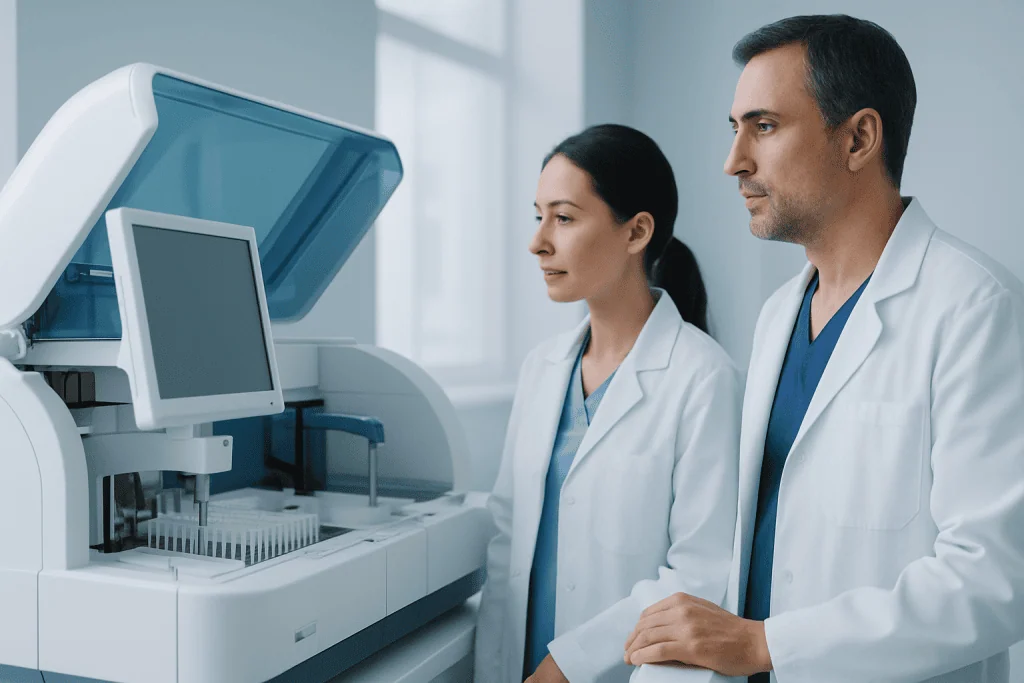
Before ordering tests, doctors think about the pattern of illness. Key details include when symptoms began, how quickly they worsened, whether there was contact with someone who was sick, and whether there has been recent travel, animal exposure, insect bites, sexual exposure, surgery, or use of medical devices such as catheters. These details often point toward the most likely infection and help avoid unnecessary testing.
The type of symptoms also matters. Fever with cough may suggest a respiratory infection, while diarrhea may point to a digestive infection. Headache and neck stiffness require a different and more urgent approach. Skin redness, drainage from a wound, or swelling around a surgical site may suggest a localized bacterial infection. Some symptoms overlap with noninfectious problems, so doctors also consider alternative explanations.
Age, pregnancy, immune status, and existing medical conditions can affect both the risk of infection and the choice of tests. People with weakened immune systems may need broader evaluation because infections can behave differently and progress more quickly. In children and older adults, symptoms may also be less typical, making careful assessment especially important.
Common Samples Used to Diagnose Infections
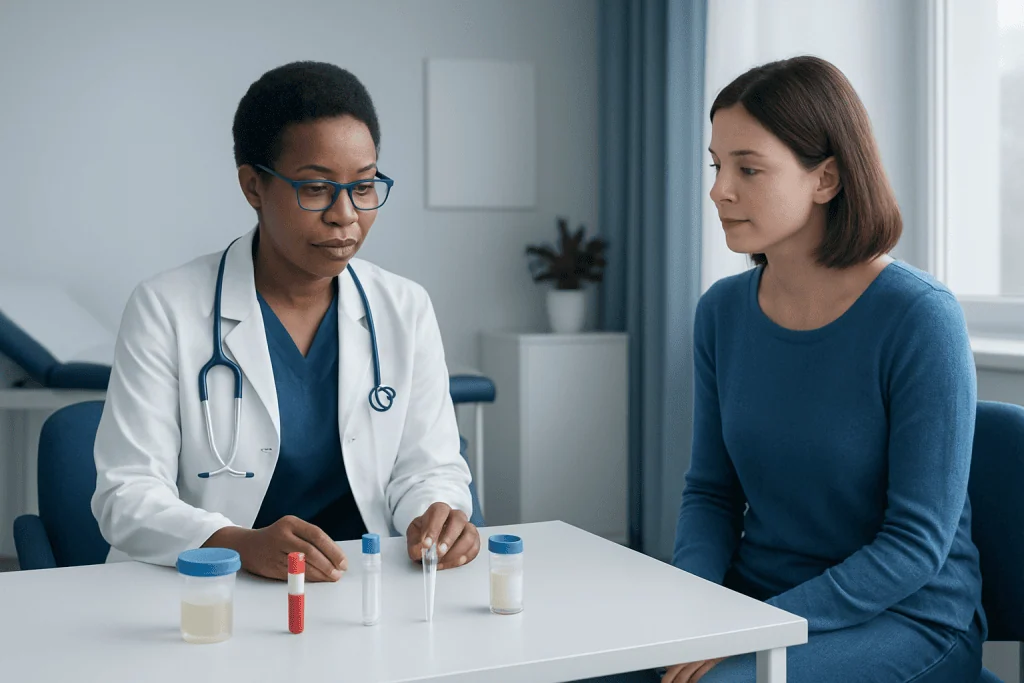
Laboratory diagnosis often depends on collecting the right sample from the right place at the right time. The sample should come from the area most likely to contain the organism. For example, respiratory infections may be tested with a nasal or throat swab, sputum, or sometimes fluid from the lungs, while urinary symptoms are commonly evaluated with a urine sample.
Blood tests are often used when there is fever without a clear source, concern for a more widespread infection, or a need to measure inflammation and immune response. Stool samples can help investigate diarrhea, especially if symptoms are severe, persistent, or linked to travel or foodborne exposure. Skin, nail, or hair samples may be taken when a fungal or parasitic cause is suspected.
Depending on the situation, doctors may collect:
- Blood
- Urine
- Stool
- Saliva or sputum
- Nasal, throat, or wound swabs
- Skin scrapings or nail clippings
- Genital swabs
- Spinal fluid, joint fluid, or other body fluids in selected cases
Proper collection is important because contamination can affect results. Patients may be asked to provide a clean-catch urine sample, avoid eating before some tests, or give a sample before starting antibiotics. When samples are obtained correctly and processed quickly, the results are more reliable and clinically useful.
Types of Tests and What They Show
Different tests answer different questions. Some tests try to detect the germ itself, while others measure the body’s reaction to infection. Rapid antigen tests can identify certain viruses or bacteria quickly, often within minutes. Molecular tests, such as PCR, detect the genetic material of the organism and are widely used because they can be highly sensitive and specific.
Culture tests are another important tool. In a culture, the sample is placed in conditions that allow bacteria or fungi to grow so the laboratory can identify them. Cultures may also show which medicines the organism is sensitive or resistant to. This can be especially helpful in serious infections or when the first treatment has not worked as expected.
Blood tests may also measure signs of inflammation or immune response, such as white blood cell counts or antibodies. Antibody tests can show whether the immune system has reacted to an infection, but they may not always distinguish between current and past infection. Imaging tests such as chest X-rays, ultrasound, CT, or MRI do not identify germs directly, but they can reveal where an infection is located and how much inflammation or damage it has caused. In some situations, doctors may also evaluate related conditions such as pneumonia or meningitis based on symptoms and test findings.
How Results Are Interpreted
Test results are most useful when interpreted together with symptoms and examination findings. A positive result may confirm an infection, but doctors still consider whether the detected organism is truly causing illness or is simply present without causing disease. This can happen with some skin, throat, or stool organisms. A negative result can also require context, especially if the sample was collected very early, too late, or after antibiotics were started.
Timing varies by test. Rapid tests may be available during the same visit, while PCR tests often return within hours to a day. Cultures can take several days, and some fungal or parasitic studies may take longer. In severe illness, treatment may begin before all final results are back, especially if delaying care could be risky.
Doctors also look for markers of severity. For example, blood test abnormalities, low oxygen levels, dehydration, or signs that infection has spread can influence whether treatment is done at home or in hospital. If resistance testing is available, it may help refine treatment and reduce the chance of using a medicine that is unlikely to work.
What Happens After Diagnosis
Treatment depends on the cause. Viral infections often improve with supportive care such as rest, fluids, and symptom relief, although some require antiviral medicines. Bacterial infections may need antibiotics, but only when there is a clear reason to use them. Fungal and parasitic infections are treated with different medicines chosen according to the organism and the affected part of the body.
Some infections need follow-up testing, especially if symptoms persist, worsen, or involve vulnerable people such as infants, pregnant women, or people with weakened immune systems. In certain cases, repeat blood tests, repeat cultures, or imaging may be needed to confirm improvement or to look for complications. If an abscess or a collection of infected fluid is found, a procedure may be necessary in addition to medication.
When diagnosis is uncertain or the infection is complicated, specialist input may be helpful. This may include advanced laboratory methods or imaging, and occasionally procedures such as bronchoscopy to obtain deeper respiratory samples, endoscopy when digestive infections or complications are suspected, or biopsy if tissue diagnosis is needed. Near the end of the care pathway, some patients may benefit from evaluation at centers such as Acibadem International, where multidisciplinary specialists in JCI-accredited hospitals diagnose and treat infectious conditions for international patients.
Preparing for Tests and Reducing Diagnostic Delays
Patients can help the diagnostic process by sharing complete information about symptoms, recent travel, close contacts, food exposures, sexual history when relevant, insect bites, and any medicines already taken. Even details that seem minor can change which tests are appropriate. Bringing a list of medications and any previous test results can also be useful.
It is generally best not to start leftover antibiotics without medical advice, because they can affect test results and make diagnosis harder. If a doctor recommends a sample before treatment begins, providing it as soon as possible can improve accuracy. Patients should also ask whether any preparation is needed, such as fasting, avoiding certain medicines, or collecting a first-morning or clean-catch sample.
Prevention and self-care also support better outcomes. Hand hygiene, safe food handling, staying up to date with vaccines, using prescribed medicines exactly as directed, and following advice about isolation when contagious can all reduce spread and complications. If symptoms are changing quickly or becoming more severe, it is important not to wait for self-care alone.
When to See a Doctor
Medical advice is important when symptoms are severe, prolonged, unusual, or getting worse instead of better. This includes high fever, trouble breathing, dehydration, severe diarrhea, confusion, rash with fever, worsening pain, or signs of infection after surgery or an injury. Infants, older adults, pregnant people, and those with weakened immune systems should seek care earlier because infections may progress differently in these groups.
Urgent evaluation is needed for warning signs such as chest pain, shortness of breath, stiff neck, seizures, fainting, blue lips, persistent vomiting, inability to keep fluids down, or signs of sepsis such as marked weakness, very fast breathing, or altered alertness. A person should also seek review if symptoms do not improve after treatment begins or if new symptoms appear.
Early diagnosis often makes treatment more targeted and recovery smoother. If there is uncertainty about what kind of test is needed, a qualified doctor can decide which samples and investigations are most appropriate and how the results should be interpreted in context.
Frequently asked questions
What is the most common way to diagnose an infection?
The most common approach combines symptoms, a physical examination, and a test based on the suspected site of infection. This may include a swab, urine test, blood test, or imaging study depending on the problem.
Why do some infection tests come back negative even when a person feels ill?
A negative result can happen if the sample was taken too early, too late, or after treatment had already started. Sometimes the illness is caused by a different organism than the one being tested for, or by a noninfectious condition with similar symptoms.
How long does it take to get results from infection tests?
Some rapid tests provide answers in minutes, while molecular tests such as PCR often take hours to a day. Cultures usually take longer, often several days, because the organism needs time to grow in the laboratory.
What is the difference between a culture and a PCR test?
A culture tries to grow the organism from the sample so it can be identified and tested against medicines. A PCR test looks for the genetic material of the germ and can often detect it faster, even when only small amounts are present.
Do all infections require antibiotics?
No. Antibiotics only treat bacterial infections and do not work against viruses. Using them when they are not needed can contribute to side effects and antibiotic resistance.
Can doctors start treatment before the final test results are ready?
Yes, especially if the infection appears serious or delaying treatment could be unsafe. Doctors may begin treatment based on the most likely cause and then adjust it once more detailed results are available.
References
- World Health Organization
- Centers for Disease Control and Prevention
- European Centre for Disease Prevention and Control
- National Institute of Allergy and Infectious Diseases
- Merck Manual Consumer Version
This article is for general information only and is not a substitute for professional medical advice. Please consult a qualified doctor about your individual situation.
Explore treatments in Turkey — costs, top hospitals & a free quote
JCI-accredited · board-certified surgeons · reply within 24h
Add us as a Preferred Source to see more of our trusted health content across Google Search, AI Overviews and Discover.

Infectious Diseases Department
22 specialists in this unitMore from the Health Library



Related Specialists

Dr. Hikmet Toy
Ear Nose & Throat
Dr. Hakan Kutlu
Infectious Diseases & Clinical Microbiology
Dr. Tülay Tekin
Acibadem Life Clinical Service
Prof. Dr. Şükrü Yazar
Aesthetic Plastic & Reconstructive Surgery