How Long Can You Live with Lung Cancer Without Treatment? Causes, Explanations, and Next Steps

Untreated lung cancer does not follow one predictable timeline; type, stage, molecular features, and overall health all matter. Many coughs, chest symptoms, and episodes of breathlessness are caused by conditions other than cancer, but persistent or worsening symptoms should be assessed.
Key Takeaways
- Untreated lung cancer does not follow one predictable timeline; type, stage, molecular features, and overall health all matter.
- Many coughs, chest symptoms, and episodes of breathlessness are caused by conditions other than cancer, but persistent or worsening symptoms should be assessed.
- Doctors use imaging, tissue sampling, staging tests, and biomarker testing to understand an individual lung cancer.
- Treatment may include surgery, radiation therapy, systemic medicines, symptom-focused care, or a combination of approaches.
- Palliative care can be provided alongside cancer treatment or when cancer-directed treatment is not chosen, focusing on comfort and quality of life.
How long a person can live with lung cancer without treatment varies greatly and cannot be predicted accurately from symptoms alone. Some lung cancers grow slowly, while others can spread quickly; early medical assessment gives the clearest information about what is happening and which supportive or cancer-directed options may help.
How long can someone live with lung cancer without treatment?
There is no single answer to how long someone can live with lung cancer without treatment. The outlook can range from months to years, depending on the type of lung cancer, how far it has spread when found, how quickly it is growing, its molecular characteristics, and the person’s overall health. For an individual, only a clinical assessment can provide a meaningful estimate.
It is also important to remember that common symptoms such as cough, tiredness, chest discomfort, or shortness of breath are often caused by non-cancer conditions, including respiratory infections, asthma, chronic obstructive pulmonary disease, reflux, or heart problems. A symptom does not by itself mean lung cancer. However, symptoms that persist, change, or worsen deserve medical review, especially in people with a history of smoking or significant exposure to secondhand smoke, radon, or workplace carcinogens.
If lung cancer is diagnosed, choosing not to have cancer-directed treatment does not mean that care stops. Supportive and palliative care can help address pain, breathlessness, cough, fatigue, anxiety, appetite changes, and practical needs. People can discuss all options with their clinical team, including the expected benefits and burdens of treatment, in a way that reflects their goals and preferences.
Why untreated lung cancer can progress differently
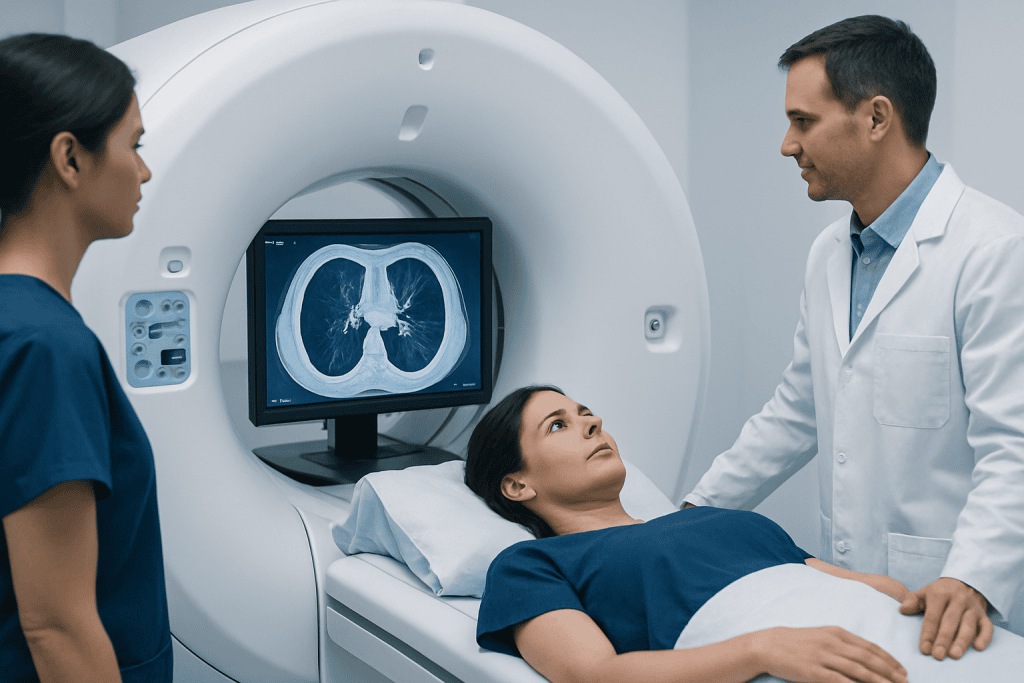
Lung cancer is not one disease. The two main groups are non-small cell lung cancer and small cell lung cancer. Non-small cell lung cancer is more common and includes adenocarcinoma, squamous cell carcinoma, and large cell carcinoma. Some tumors in this group may grow relatively slowly, while others behave more aggressively. Small cell lung cancer usually grows and spreads more rapidly.
Stage has a major influence on outlook. Cancer confined to a small area of the lung may remain localized for a time, whereas cancer that has entered lymph nodes or spread to distant organs can cause problems sooner. Even within the same stage, behavior varies because cancers have different genetic and biological features.
Age alone does not determine what will happen. Lung function, heart health, nutrition, other medical conditions, physical activity level, and response to symptoms all influence how a person feels and what options are suitable. Modern testing may identify biomarkers that help doctors determine whether particular systemic treatments could be relevant.
Population survival data can be useful for understanding trends but cannot predict an individual outcome. Such figures include people diagnosed at different stages, treated in different ways, and over different periods of time. A treating specialist can explain what is known and what remains uncertain in a specific situation.
Symptoms and changes that need attention
Early lung cancer may cause no symptoms. When symptoms occur, they may be subtle and can overlap with many common respiratory illnesses. A cough lasting more than a few weeks, a noticeable change in a long-standing cough, repeated chest infections, unexplained wheeze, or new breathlessness should be discussed with a doctor.
Other possible symptoms include coughing up blood or blood-stained mucus, chest or shoulder pain that does not improve, persistent hoarseness, unexplained weight loss, reduced appetite, unusual tiredness, or difficulty swallowing. These symptoms have many possible explanations, but they should not be ignored, particularly when they are persistent.
- Seek urgent medical attention for significant coughing up of blood, severe or rapidly worsening breathlessness, new confusion, fainting, or severe chest pain.
- Contact a clinician promptly if a cough persists, symptoms are worsening, or there is unexplained weight loss or recurrent infections.
- People with a past history of lung cancer should report new or changing respiratory symptoms to their follow-up team.
These warning signs do not confirm cancer. They indicate that timely assessment is sensible, as prompt diagnosis can identify lung cancer as well as other conditions that may need treatment.
How doctors evaluate suspected lung cancer
A doctor begins by asking about symptoms, smoking history, occupational exposures, medical history, medications, and family history. They will listen to the lungs and assess general health. Depending on the presentation, initial tests may include a chest X-ray, although a normal X-ray does not rule out every lung condition.
If there is a concerning finding or ongoing clinical concern, a chest CT scan provides more detailed images. PET-CT, brain imaging, or other scans may be used to determine whether a confirmed cancer has spread. These investigations are part of staging, which helps guide discussions about prognosis and treatment planning.
A diagnosis of lung cancer usually requires a tissue sample. This may be collected through bronchoscopy, a needle biopsy guided by imaging, or a procedure to sample lymph nodes or fluid around the lung. A pathologist identifies the cancer type and may perform molecular and biomarker tests.
Results are generally reviewed by a multidisciplinary team that may include respiratory physicians, medical oncologists, thoracic surgeons, radiation oncologists, radiologists, pathologists, nurses, and palliative care specialists. This approach supports an individualized plan for lung cancer.
What treatment and supportive care can offer
Treatment is based on cancer type, stage, biomarker results, symptoms, lung function, and personal goals. For some earlier-stage non-small cell lung cancers, surgery may be used to remove the tumor. Lung cancer surgery may be considered alone or as part of a broader treatment plan, depending on the clinical findings.
Radiation therapy may be used to treat a tumor when surgery is not suitable, after surgery in selected situations, or to relieve symptoms caused by cancer. Radiotherapy can be delivered with carefully planned techniques designed to target cancer while limiting exposure to nearby healthy tissues.
Systemic treatments travel through the bloodstream and may be used for cancer that has spread or carries a higher risk of recurrence. Depending on the cancer’s features, these may include chemotherapy, immunotherapy, or targeted therapy. Immunotherapy may be appropriate for some people, but suitability depends on the cancer and the person’s medical circumstances.
For people who decide against cancer-directed treatment, or for whom treatment is unlikely to help, symptom control remains active medical care. Palliative care can help manage breathlessness, pain, fatigue, nausea, mood changes, and family concerns. It can be introduced at any stage and may be offered alongside treatment intended to control the cancer.
Making decisions when treatment feels overwhelming
A diagnosis of possible or confirmed lung cancer can feel overwhelming. It is reasonable to take time to understand the diagnosis, ask questions, involve trusted family or friends, and request clarification when information is unclear. A second opinion may also be helpful, particularly when major treatment decisions are being considered.
Useful questions include: What type and stage of lung cancer is present? What tests are still needed? What is the aim of each treatment option? What side effects are possible? How might treatment affect daily life? What support is available if cancer treatment is not chosen? The answers can help people weigh medical information alongside their values and priorities.
Stopping smoking, if relevant, can benefit breathing, wound healing, heart health, and tolerance of treatment at any age or stage. A doctor can recommend cessation support. Maintaining nutrition, gentle activity as tolerated, vaccination where clinically appropriate, and support for anxiety or depression can also be important aspects of care.
Family members and caregivers may need support as well. Social workers, specialist nurses, psychologists, dietitians, and palliative care professionals can help with practical planning and emotional wellbeing. Decisions can be reviewed over time as symptoms, test results, and preferences change.
When to seek medical care
Medical care should be sought soon for a cough that lasts longer than a few weeks, a worsening chronic cough, recurrent chest infections, unexplained breathlessness, persistent chest pain, or unexplained weight loss. People at increased risk, including current or former smokers, may wish to ask a clinician whether lung cancer screening or further evaluation is appropriate for them.
Emergency assessment is needed for severe difficulty breathing, a large amount of blood when coughing, intense chest pain, blue or gray lips, new severe weakness, or confusion. These symptoms may arise from several urgent conditions and should be evaluated without delay.
For international patients, Acibadem International’s multidisciplinary specialists and JCI-accredited hospitals can assess and treat lung cancer, coordinating diagnostic evaluation, oncology care, and supportive services. A qualified clinician can explain the likely course of an individual illness and help guide next steps with compassion and clarity.
Frequently asked questions
Can untreated lung cancer go away on its own?
Spontaneous disappearance of lung cancer is extremely uncommon and should not be expected. A suspicious lung finding needs appropriate medical assessment, because delaying diagnosis can limit available treatment options. Some non-cancer conditions can improve on their own, which is another reason accurate diagnosis matters.
Is lung cancer always fatal without treatment?
Lung cancer is a serious condition that can progress without cancer-directed treatment, but the pace varies greatly between individuals. Some cancers progress faster than others, especially depending on their type and stage. Supportive care can still treat symptoms and improve comfort even when tumor-directed treatment is not used.
What is the fastest-growing type of lung cancer?
Small cell lung cancer generally tends to grow and spread faster than non-small cell lung cancer. However, individual cancers can behave differently, and imaging and biopsy results are needed to understand a particular cancer. Prompt specialist assessment is important when small cell lung cancer is suspected.
Can a chest X-ray detect lung cancer?
A chest X-ray can show some lung abnormalities, but it may miss small tumors or findings hidden by other structures in the chest. A CT scan provides more detailed imaging and is often used when symptoms or an X-ray raise concern. A biopsy is usually needed to confirm whether cancer is present.
Does having no symptoms mean lung cancer is not serious?
Not necessarily. Early lung cancer may cause no symptoms, and symptoms do not always reflect the stage of disease. This is why screening may be discussed for people at higher risk and why concerning imaging findings should be followed up.
What happens if a person chooses no cancer treatment?
The medical team can focus on symptom relief, emotional support, nutrition, respiratory care, and planning for changing needs. This is often called supportive or palliative care, and it can be tailored to the person’s priorities. The choice can be revisited at any time if the person wishes to reconsider treatment options.
This article is for general information only and is not a substitute for professional medical advice. Please consult a qualified doctor about your individual situation.
Lung Cancer in Turkey — costs, top hospitals & a free quote
JCI-accredited · board-certified surgeons · reply within 24h
Add us as a Preferred Source to see more of our trusted health content across Google Search, AI Overviews and Discover.

Medical Oncology Department
Medical treatment of cancer with chemotherapy, immunotherapy and targeted therapies under a multidisciplinary tumor board.
60 specialists in this unitMore from the Health Library

Is Chia Pudding Healthy? Nutrition and Portion Balance

Leukocyte esterase: Common Causes, Warning Signs, and When to See a Doctor

How Long Does It Take for Vitamins to Work? Causes, Explanations, and Next Steps
Sinus Infection vs Cold: Key Differences and How Doctors Tell Them Apart

Chicken Thighs vs Breast: Key Differences and How Doctors Tell Them Apart