How Long Does Weight Loss Continue After Gastric Sleeve Surgery?

Most people lose weight most rapidly in the first year after gastric sleeve surgery. Weight loss commonly continues for 12 to 18 months, then gradually slows and stabilizes.
Key Takeaways
- Most people lose weight most rapidly in the first year after gastric sleeve surgery.
- Weight loss commonly continues for 12 to 18 months, then gradually slows and stabilizes.
- Long-term success depends on nutrition, physical activity, sleep, mental health, and regular medical follow-up.
- A temporary plateau does not always mean the procedure has stopped working.
- Regain can happen, but early support from a bariatric team can help protect results.
Weight loss after gastric sleeve surgery is usually fastest during the first 6 to 12 months and often continues, more slowly, for 12 to 18 months or longer. The exact timeline varies from person to person and depends on eating habits, physical activity, metabolism, medical conditions, and follow-up care.
Overview: the usual weight loss timeline after gastric sleeve
Gastric sleeve surgery, also called gastric sleeve surgery or sleeve gastrectomy, helps with weight loss by reducing the size of the stomach. This limits how much food can be eaten at one time and also changes some of the hormone signals involved in hunger and fullness. For many people, this leads to meaningful weight loss and improvement in obesity-related health problems.
In most cases, weight loss continues for about 12 to 18 months after surgery. The fastest changes usually happen in the first 3 to 6 months, when portion sizes are very small and the body is adjusting to a new eating pattern. During the next several months, weight often continues to come down steadily, although usually at a slower rate than at the beginning.
After about 12 to 18 months, the rate of loss commonly slows further and weight begins to stabilize. Some people may still lose small amounts beyond this point, while others reach a plateau earlier. This does not mean the surgery has failed. Instead, it often reflects the body’s natural adaptation, along with differences in lifestyle, age, starting weight, body composition, and overall health.
What affects how long weight loss continues?

There is no single timeline that fits everyone. People who follow their nutrition plan closely, stay physically active, attend follow-up appointments, and address emotional eating often maintain steady progress for longer. Others may see slower loss if they have medical conditions that affect metabolism, reduced mobility, or difficulty meeting protein and fluid goals.
Starting body weight also matters. People with more severe obesity, including morbid obesity, may lose weight over a longer overall period because they have more weight to lose. However, progress is not judged only by the number on the scale. Improvements in blood sugar, blood pressure, sleep apnea symptoms, joint strain, and daily functioning are also important signs of success.
Body changes after surgery are also influenced by muscle mass, hormone balance, sleep quality, stress, and medications. Some medicines can make weight loss slower or increase appetite. In addition, alcohol use, frequent high-calorie liquids, grazing between meals, or larger portions over time may shorten the period of active weight loss and increase the risk of regain.
- Nutrition quality and portion control
- Regular movement and strength-building exercise
- Consistency with vitamins and supplements
- Follow-up with the bariatric team
- Sleep, stress, and mental health support
- Other health conditions and medications
Common phases of weight loss after surgery
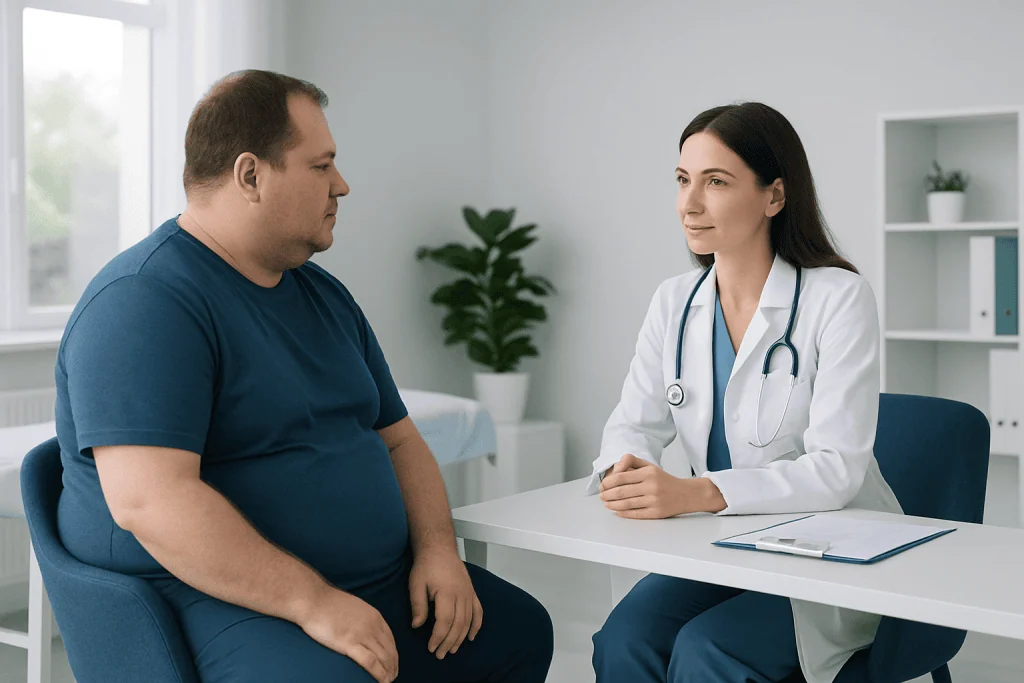
The first phase is the early recovery period. In the first few weeks, eating progresses from liquids to pureed foods and then to soft foods, depending on the surgical team’s advice. Weight can drop quickly during this stage, but the focus should remain on healing, hydration, and meeting protein needs rather than on the scale alone.
The second phase usually covers about 1 to 6 months after surgery. This is often when the most noticeable weight loss happens. Hunger may be reduced, portions remain small, and many people feel encouraged by visible progress. Gentle walking often increases first, followed by more structured exercise as recovery improves.
The third phase often extends from 6 to 12 months, and then into 12 to 18 months. Weight loss usually continues, but it may become less dramatic from month to month. This is a common time for plateaus. A plateau can occur even when someone is doing well, because the body burns fewer calories as weight decreases and adapts to its new pattern.
Beyond 18 months, many people enter a maintenance phase. Some continue to lose a little more, while others remain stable or notice small fluctuations. Long-term success depends on preserving healthy habits. This is why bariatric surgery is usually viewed as a tool within a broader bariatric surgery care plan, rather than a one-time fix.
When weight loss slows or stops: plateaus and regain
A weight loss plateau is common after gastric sleeve surgery. It can feel frustrating, but it does not always mean anything is wrong. Plateaus may happen because the body has adapted to a lower weight, calorie needs have changed, or routines have become less structured over time. Water retention, constipation, hormonal changes, and lower activity can also affect the scale.
If weight loss has slowed, it may help to review eating habits carefully. Common issues include frequent snacking, eating too quickly, low protein intake, relying on calorie-dense liquids, or reduced physical activity. In some cases, symptoms such as ongoing vomiting, severe reflux, or abdominal pain should be discussed with a doctor, as they may point to complications or other digestive problems.
Some people regain a portion of weight after initially losing it. This can happen months or years later and is not uncommon. Regain may be linked to stretching of eating habits rather than the stomach alone, stress-related eating, untreated depression or anxiety, poor sleep, alcohol use, or medical factors. Early support often helps. A bariatric team may suggest nutrition counseling, behavioral therapy, supervised exercise, medication, or further evaluation if needed.
For individuals living with obesity, long-term weight management is usually an ongoing medical process. The goal is not perfect linear weight loss, but a sustainable improvement in health, quality of life, and daily function.
How doctors monitor progress after gastric sleeve
Follow-up visits are an important part of care after gastric sleeve surgery. Doctors typically monitor body weight, hydration, blood pressure, symptoms, food tolerance, and overall recovery. Blood tests may also be used to check for vitamin or mineral deficiencies, including iron, vitamin B12, folate, vitamin D, and others, depending on the patient’s situation.
Progress is not measured only by total weight lost. Clinicians also look at body mass index trends, waist size, energy level, mobility, and improvement in conditions such as type 2 diabetes, high blood pressure, fatty liver disease, and sleep apnea. These health gains can begin early, sometimes before the full weight loss period is over.
If progress is slower than expected, the care team may assess eating patterns, emotional health, medications, sleep, and exercise. Occasionally, they may investigate surgical or digestive concerns. This is also the time to discuss problems such as reflux, difficulty tolerating foods, hair thinning, constipation, or signs of nutrient deficiency. Consistent follow-up can make weight loss safer and more sustainable.
How to support continued weight loss and long-term results
Healthy habits remain essential after surgery. The stomach is smaller, but long-term results still depend on choices made day by day. Patients are usually advised to prioritize protein, eat slowly, chew well, stop when comfortably full, and avoid drinking large amounts with meals if their team recommends it. Staying hydrated between meals is also important.
Regular physical activity helps preserve muscle mass and supports metabolism. Walking is often the starting point, then resistance training and other exercises can be added gradually with medical guidance. Building muscle may help reduce the drop in metabolic rate that can happen as body weight falls.
Good sleep and mental health care are often overlooked, but they matter. Poor sleep can affect appetite hormones and energy levels, while chronic stress may increase emotional eating. Support groups, counseling, and follow-up with a dietitian can be especially helpful during plateaus or times of regain.
- Choose protein-rich meals first
- Limit sugary drinks and high-calorie liquids
- Keep follow-up appointments and blood tests
- Take prescribed vitamins and supplements consistently
- Build a realistic exercise routine
- Seek support early if old eating patterns return
When to contact a doctor after gastric sleeve surgery
Routine questions about hunger, slower weight loss, or a temporary plateau can often be discussed at scheduled follow-up visits. However, some symptoms need earlier medical review. These include persistent vomiting, inability to drink enough fluids, signs of dehydration, black stools, chest pain, severe abdominal pain, fever, or shortness of breath. These are not typical signs of a simple plateau and should be assessed promptly.
Patients should also speak with their doctor if they notice ongoing reflux, difficulty swallowing, repeated food intolerance, fainting, extreme fatigue, or symptoms that may suggest vitamin deficiency such as weakness, numbness, brittle nails, or hair loss that seems excessive. A doctor can help identify whether the issue is nutritional, behavioral, digestive, or related to another medical condition.
If weight stops changing for a prolonged period or begins to rise, it is reasonable to ask for support rather than waiting. Early guidance may prevent more significant regain. In experienced centers, care may involve surgeons, endocrinologists, dietitians, psychologists, and exercise specialists. Acibadem International’s multidisciplinary specialists and JCI-accredited hospitals diagnose and treat this condition for international patients.
Frequently asked questions
How long does weight loss usually continue after gastric sleeve surgery?
For many people, weight loss continues for around 12 to 18 months after gastric sleeve surgery. The fastest loss often happens in the first 6 to 12 months, followed by a slower phase before weight stabilizes.
Is it normal for weight loss to slow down after a few months?
Yes. A slower rate of loss is expected as the body adapts and calorie needs change. This does not automatically mean the surgery has stopped working, especially if healthy habits are continuing.
Can someone still lose weight after 18 months?
Yes, some people continue to lose small amounts after 18 months, especially if they are still improving activity and eating habits. However, many enter a maintenance phase around that time, with smaller changes on the scale.
What causes a weight loss plateau after gastric sleeve?
Plateaus can happen for several reasons, including metabolic adaptation, reduced activity, changes in eating habits, or water retention. Sometimes the scale stays the same even though body composition and health markers are still improving.
Is weight regain after gastric sleeve common?
Some degree of regain can happen and is not unusual over the long term. It may be linked to portion changes, snacking, stress, sleep problems, or medical factors, so early support from a bariatric team is helpful.
How can long-term weight loss be maintained after gastric sleeve surgery?
Long-term success usually depends on regular follow-up, balanced meals with enough protein, physical activity, vitamin supplementation, and attention to emotional health. Surgery is a strong tool, but lasting results are best supported by consistent lifestyle habits.
References
- American Society for Metabolic and Bariatric Surgery
- National Institute of Diabetes and Digestive and Kidney Diseases
- National Health Service
- Mayo Clinic
- World Health Organization
This article is for general information only and is not a substitute for professional medical advice. Please consult a qualified doctor about your individual situation.
Gastric Sleeve Surgery in Turkey — costs, top hospitals & a free quote
JCI-accredited · board-certified surgeons · reply within 24h
Add us as a Preferred Source to see more of our trusted health content across Google Search, AI Overviews and Discover.
Check your numbers in seconds
BMI, calories, due date, blood pressure and 30+ more clinical calculators — free, instant, doctor-reviewed ranges.

Bariatric & Metabolic Surgery
Surgical and endoscopic treatments for obesity and metabolic conditions.