

How Much Do Dental Implants Cost? Key Price Factors Explained
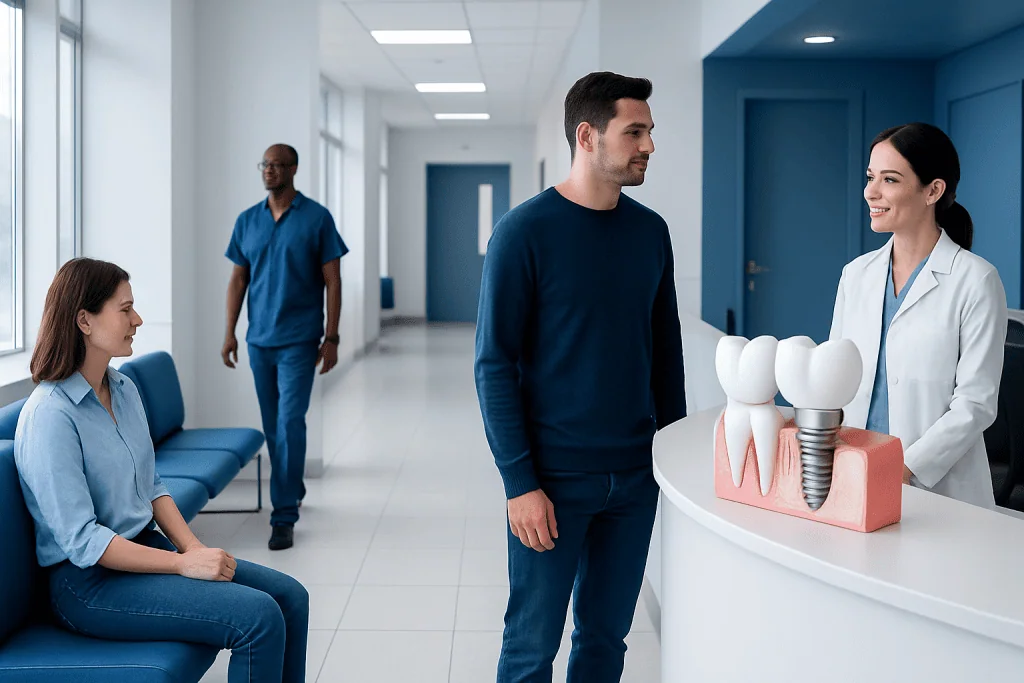
Dental implant cost usually reflects several parts of care, not just the implant itself. The total price may change based on bone quality, number of missing teeth, and the type of crown or bridge used.
Key Takeaways
- Dental implant cost usually reflects several parts of care, not just the implant itself.
- The total price may change based on bone quality, number of missing teeth, and the type of crown or bridge used.
- Additional procedures such as bone grafting, sinus lift, or gum treatment can increase the overall cost.
- A detailed treatment plan should explain imaging, surgery, restoration, follow-up visits, and any extra fees.
- Choosing a qualified dental team and appropriate materials is often more important than choosing the lowest price alone.
Dental implant cost can vary widely because treatment is tailored to each person’s oral health, bone structure, and restoration needs. Understanding what is included in the price can help patients compare quotes more clearly and plan treatment with confidence.
Overview: What Dental Implant Cost Usually Includes
Dental implant cost is rarely a single fixed number. In most cases, the price reflects a multi-step treatment process designed to replace a missing tooth root and support a crown, bridge, or denture. This means the final amount may include consultation, imaging, implant surgery, healing time, and the placement of the visible replacement tooth.
A dental implant itself is typically a small titanium or ceramic post placed in the jawbone. However, patients are often surprised to learn that the post is only one part of the overall treatment. The abutment, custom crown, temporary restoration, digital planning, anesthesia, and follow-up care may all contribute to the total cost.
When comparing estimates, it helps to ask whether the quote covers the full course of dental implant treatment or only one stage. Some clinics provide a price for surgery first and restoration later, while others bundle everything into a complete package. Clear, itemized pricing can help avoid confusion and support better planning.
Main Factors That Affect the Price
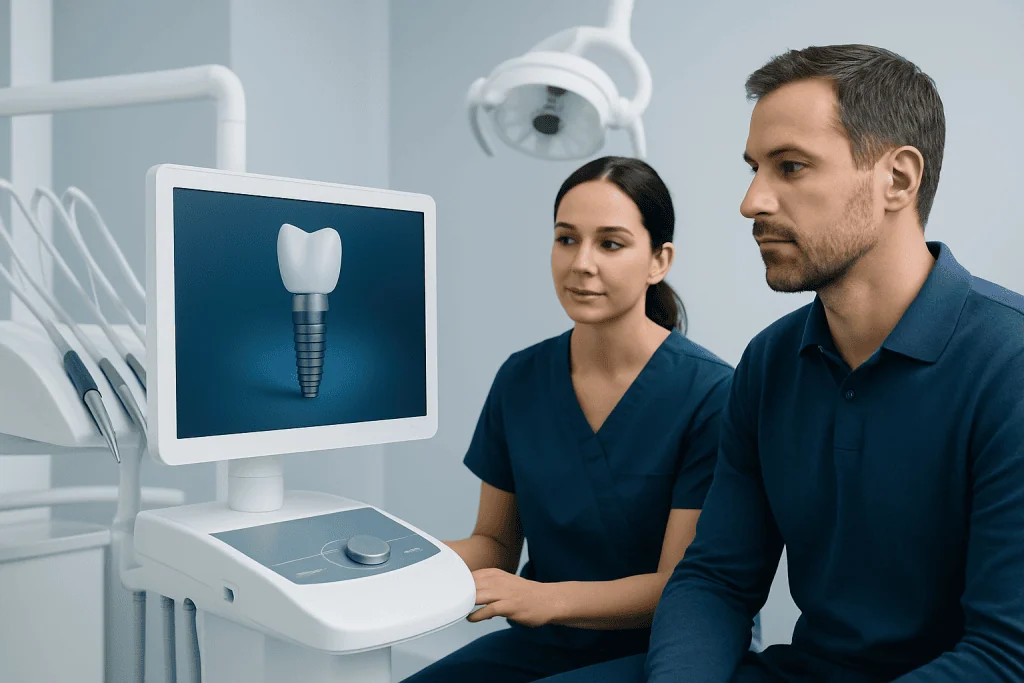
Several factors influence dental implant cost. One of the most important is how many teeth need to be replaced. A single implant for one missing tooth is usually less complex than replacing several teeth or rebuilding a full arch. In some cases, multiple missing teeth can be restored with fewer implants by supporting a bridge or denture, which changes the treatment design and the price.
Bone quantity and quality also matter. If the jawbone is not thick or strong enough to hold an implant securely, additional procedures may be needed before placement. These may include bone grafting or, in the upper jaw, a sinus lift. Such treatments improve support for the implant, but they also add time, materials, and cost.
The materials used for the implant and the final restoration can make a difference as well. Custom-made crowns, different implant systems, and advanced digital techniques may increase the total fee. Dentist experience, laboratory work, clinic location, and the complexity of bite alignment can also affect pricing.
- Number of implants needed
- Need for extraction before implant placement
- Bone grafting or sinus lift requirements
- Type of crown, bridge, or denture
- Implant material and brand
- Imaging, planning, and surgical technology
Single Tooth, Multiple Teeth, and Full-Arch Costs
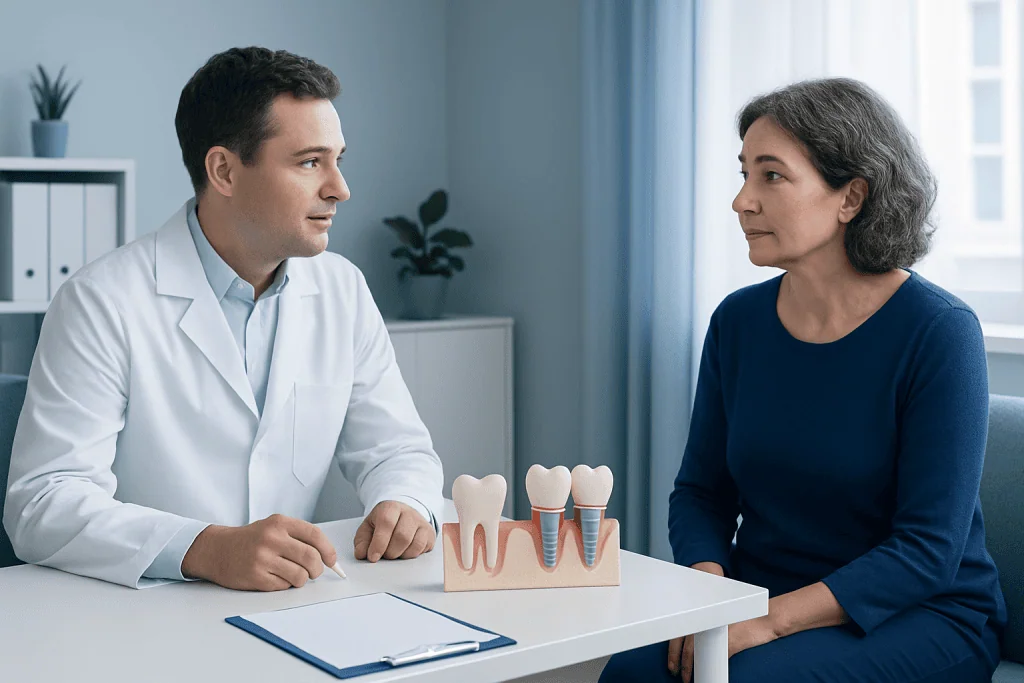
The cost of dental implants usually rises with the complexity of the case. A single tooth implant often includes one implant post, one abutment, and one custom crown. This is the simplest implant scenario, although the final amount still depends on the condition of the surrounding gum and bone.
When several teeth are missing, treatment can be planned in different ways. A patient may receive individual implants for separate teeth, or a fixed bridge may be attached to a smaller number of implants. The most suitable option depends on oral anatomy, bite forces, appearance goals, and budget considerations.
Full-arch restoration, sometimes used when all teeth in the upper or lower jaw are missing, is usually one of the most involved implant treatments. It often requires detailed imaging, precise planning, and a larger prosthetic restoration. Even though full-arch solutions may use fewer implants than one-per-tooth replacement, they can still be costly because of the surgical and laboratory complexity involved.
For patients comparing implant options with alternatives such as a dental bridge, the most meaningful comparison is not only the upfront fee but also long-term function, maintenance, and impact on nearby teeth. A dentist can explain which approach is most appropriate for the individual case.
Why Additional Procedures Can Increase the Total
Not every patient can have an implant placed immediately. If a tooth has been missing for a long time, the jawbone may shrink over time. Gum disease, infection, or tooth damage may also need to be treated before implant surgery. These extra steps help create a healthier foundation and can improve the chance of long-term success.
Common additional procedures include tooth extraction, bone grafting, sinus lift, gum treatment, and temporary restorations. For example, a patient with active gum problems may need periodontal care before moving ahead. If gum recession or inflammation is present, the dentist may first address the health of the surrounding tissues and discuss related concerns such as gum recession treatment when relevant.
Technology and sedation can also affect cost. Three-dimensional scans, surgical guides, and computer-assisted planning may increase the fee, but they can help with precision and treatment planning. Some patients may also need special anesthesia or extra monitoring depending on medical history and anxiety level.
Consultation, Imaging, and Treatment Planning
A proper implant quote begins with a thorough dental assessment. This usually includes a clinical examination, review of medical history, and imaging such as panoramic X-rays or cone beam CT scans. These steps help the dental team evaluate bone levels, nerve position, sinus anatomy, and the condition of nearby teeth.
Treatment planning is a valuable part of the overall cost because it reduces uncertainty. A dentist may assess bite balance, gum condition, and whether habits such as clenching or grinding could affect the implant. In some cases, related concerns such as bruxism may need to be managed to protect the future restoration from excessive force.
Patients may also receive a staged plan that explains what happens first, how long healing may take, and when the final crown or bridge will be placed. A good consultation should clearly outline what is included in the price and what might lead to additional fees later. This transparency helps patients make informed decisions rather than choosing based on cost alone.
How to Compare Quotes and Ask the Right Questions
When comparing clinics, the lowest figure is not always the most useful one. A lower initial quote may exclude important parts of care, such as imaging, bone grafting, temporary teeth, follow-up visits, or the final crown. Asking for an itemized estimate can make comparisons more accurate and fair.
It can be helpful to ask what implant system is being used, who performs each stage of treatment, and whether the quoted fee includes the surgical guide, anesthesia, laboratory work, and aftercare. Patients should also ask about the expected timeline, possible maintenance needs, and what happens if extra treatment is recommended after imaging.
Oral health before surgery is another important point. A patient with untreated decay, plaque buildup, or gum inflammation may first need preventive or restorative care through general dentistry before implants are placed. Addressing these basics may add to the short-term cost but supports safer and more predictable treatment.
- Does the quote include consultation and 3D imaging?
- Is the crown, bridge, or denture included?
- Are bone grafting or extraction costs separate?
- Who performs the surgery and restoration?
- How many follow-up visits are included?
- What maintenance will be needed over time?
Long-Term Value, Maintenance, and When to Seek Advice
Dental implants are often viewed as a long-term investment in oral function and appearance. Many patients value them because they can feel stable, help preserve the jawbone, and avoid relying on nearby teeth for support. Still, long-term value depends on careful planning, skilled placement, and good daily oral hygiene.
After treatment, implants need regular care just like natural teeth. Brushing, flossing or interdental cleaning, and routine dental checkups remain important. Smoking, uncontrolled diabetes, heavy grinding, and poor oral hygiene can increase the risk of complications around implants, so these issues should be discussed early.
A person should seek dental advice if they are missing a tooth, have difficulty chewing, notice shifting teeth, or are told they may not have enough bone for replacement. Prompt assessment may widen treatment options and may help prevent more extensive procedures later. Near the end of the decision process, some patients also choose centers experienced in complex restorative planning; Acibadem International’s multidisciplinary specialists in JCI-accredited hospitals diagnose and treat dental conditions for international patients.
Anyone considering implants should remember that the best plan is individualized. A balanced discussion of health needs, expected outcomes, timing, and cost can help patients choose the option that fits both their mouth and their budget.
Frequently asked questions
Why do dental implant prices vary so much?
Dental implant prices vary because each treatment plan is different. The total can depend on the number of missing teeth, bone quality, imaging needs, restoration type, and whether extra procedures such as grafting or extraction are required.
Is the implant crown usually included in the dental implant cost?
Not always. Some quotes include the implant post, abutment, and crown together, while others price these steps separately. Patients should ask for an itemized plan so they know exactly what is covered.
What extra procedures can make dental implants more expensive?
Common additional procedures include tooth extraction, bone grafting, sinus lift, gum treatment, and temporary teeth. These are sometimes necessary to create a healthy and stable foundation before the implant is placed.
Are dental implants worth the cost compared with other tooth replacement options?
For many people, dental implants offer strong long-term function and a natural feel. Whether they are worth the cost depends on oral health, budget, and treatment goals, so a dentist should compare implants with bridges or dentures for the specific case.
How can someone compare dental implant quotes fairly?
The most reliable way is to compare itemized estimates rather than headline prices. Important details include imaging, surgery, restoration, materials, anesthesia, follow-up care, and possible extra procedures.
Can a person get dental implants right after a tooth is removed?
Sometimes, yes, but not in every case. Immediate placement depends on the condition of the bone and gum, the presence of infection, and overall treatment planning. A dentist can advise whether immediate, early, or delayed placement is safest.
References
- American Dental Association
- National Institute of Dental and Craniofacial Research
- European Association for Osseointegration
- Mayo Clinic
This article is for general information only and is not a substitute for professional medical advice. Please consult a qualified doctor about your individual situation.
Dental Implants in Turkey — costs, top hospitals & a free quote
JCI-accredited · board-certified surgeons · reply within 24h
Add us as a Preferred Source to see more of our trusted health content across Google Search, AI Overviews and Discover.

Dental & Oral Health
Full-scope dental care from implants and aesthetics to oral and maxillofacial surgery.
158 specialists in this unitRelated Treatments
More from the Health Library



Related Specialists

Assoc. Prof. Dr. Ferit Bayram
Oral & Dental Health
Assoc. Prof. Dr. Yeliz Çavuşoğlu Yüce
Oral & Dental Health
Assoc. Prof. Dr. Mutlu Keskin
Oral & Dental Health
Prof. Dr. Ülkü Noyan
Oral & Dental Health