How to Balance Your Hormones: Medical Causes, Testing, and Safe Treatment Options

Hormone-related symptoms can have many causes, so self-diagnosis is often unreliable. Accurate hormone testing depends on the right test, timing, and clinical context.
Key Takeaways
- Hormone-related symptoms can have many causes, so self-diagnosis is often unreliable.
- Accurate hormone testing depends on the right test, timing, and clinical context.
- Treatment should target the underlying cause rather than aiming for a vague idea of “perfect balance.”
- Lifestyle measures can support hormonal health, but they do not replace medical care when a disorder is present.
- A doctor should evaluate persistent symptoms such as irregular periods, unexplained weight change, fatigue, infertility, or excess thirst.
Balancing hormones starts with understanding that hormones rarely need to be “fixed” without a clear reason. The safest approach is to identify symptoms, check for medical causes, and use evidence-based treatment tailored to the person’s age, sex, health history, and test results.
Overview: What It Means to Balance Hormones
Hormones are chemical messengers made by glands such as the thyroid, pancreas, ovaries, testes, adrenal glands, and pituitary gland. They help regulate growth, metabolism, fertility, sleep, stress response, mood, blood sugar, and many other body functions. Because hormones work together in networks, a change in one system can affect several others.
The phrase “balance your hormones” is common, but in medicine it does not mean chasing a single ideal number or using supplements without testing. Instead, it means identifying whether symptoms are related to a true hormone disorder, understanding the cause, and choosing treatment that safely restores normal function as much as possible.
Not every symptom is caused by hormones. Tiredness, weight changes, poor sleep, acne, low mood, and changes in sexual health may be related to stress, diet, medications, chronic illness, or life stage changes such as puberty, pregnancy, or menopause. A careful medical assessment helps separate normal variation from a condition that needs treatment.
Common Symptoms of Hormone Imbalance
Symptoms depend on which hormone system is involved. Thyroid problems may cause fatigue, feeling cold or hot, constipation, hair changes, palpitations, or unexplained weight change. Blood sugar hormone problems may lead to increased thirst, frequent urination, blurred vision, or shakiness. Reproductive hormone changes can affect periods, fertility, libido, erections, hot flashes, or unwanted hair growth.
Skin and mood symptoms can also be linked to hormones. Acne, oily skin, scalp hair thinning, and extra facial or body hair may occur with androgen excess, including in some people with polycystic ovary syndrome. Changes in sleep, irritability, anxiety, or concentration may occur around menstrual cycles, pregnancy, menopause, thyroid disease, or adrenal disorders.
Symptoms that deserve attention include:
- Irregular, very heavy, or absent periods
- Difficulty becoming pregnant
- Unexplained weight gain or weight loss
- Persistent fatigue or muscle weakness
- Heat or cold intolerance
- Excessive thirst or frequent urination
- New or severe acne, hair loss, or increased body hair
- Reduced sex drive or erectile problems
These symptoms are not specific to one diagnosis, which is why testing and clinical evaluation are important. Looking at the whole picture is safer than relying on online quizzes or generalized hormone advice.
Medical Causes and Risk Factors

Several medical conditions can disrupt hormone function. Common examples include thyroid disorders such as thyroid disease or autoimmune thyroid problems, diabetes and insulin resistance, pituitary disorders, adrenal gland disorders, and reproductive conditions such as PCOS, premature ovarian insufficiency, endometriosis-related cycle changes, or low testosterone. Pregnancy, breastfeeding, and menopause also naturally change hormone levels.
Medications can affect hormones as well. Birth control, fertility drugs, steroids, some psychiatric medicines, opioid pain medicines, and treatments for cancer can change hormone patterns. Rapid weight loss, eating disorders, intense exercise, shift work, chronic stress, poor sleep, and significant illness may also alter menstrual cycles, testosterone levels, cortisol rhythm, or blood sugar control.
Family history matters in some endocrine disorders, including thyroid disease, diabetes, and certain pituitary or adrenal conditions. Age is another factor: puberty, the reproductive years, perimenopause, menopause, and older age all bring normal hormonal transitions. The goal is not to stop these stages, but to recognize when symptoms are stronger than expected or suggest a treatable disorder.
Because causes vary widely, safe care begins with a medical history, physical examination, and targeted testing. This prevents both over-treatment and missed diagnoses.
How Hormone Testing Works
Hormone testing can be very useful, but only when it matches the person’s symptoms and timing. Some hormones change during the day, during the menstrual cycle, or with fasting, stress, illness, and medications. For that reason, a single result does not always tell the whole story. Doctors usually interpret test results together with symptoms, examination findings, and sometimes repeat testing.
Common blood tests may include thyroid-stimulating hormone and thyroid hormones, blood glucose and HbA1c, insulin in selected cases, prolactin, cortisol, luteinizing hormone, follicle-stimulating hormone, estrogen, progesterone, testosterone, and other androgens. In reproductive concerns, timing in the menstrual cycle may matter. In suspected diabetes or metabolic disease, formal diagnostic evaluation can help clarify the cause.
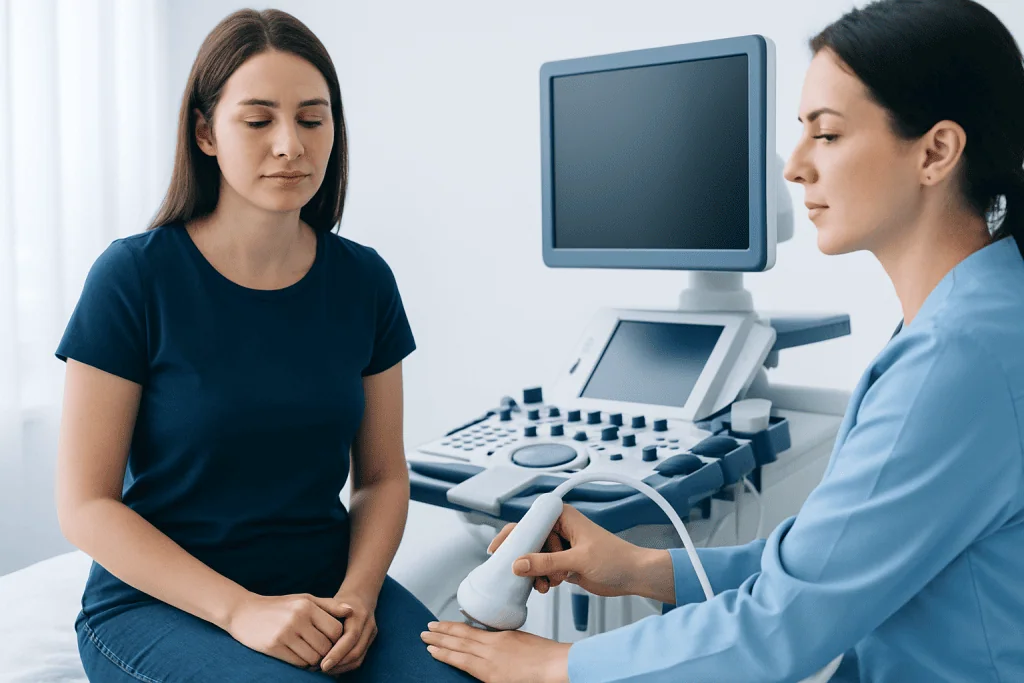
Urine or saliva tests are sometimes used for specific medical questions, but they are not appropriate for every hormone concern. Home tests may provide limited information and should not replace professional interpretation. Imaging studies can also be needed when doctors suspect a structural cause, such as a thyroid nodule, ovarian cysts, or pituitary disease.
Good testing answers a clear question: Is there evidence of a defined endocrine problem, and if so, what is the next safest step? Testing without context can create confusion and lead to unnecessary treatment.
Safe Treatment Options
Treatment depends on the diagnosis. For an underactive or overactive thyroid, the goal is to restore thyroid hormone levels safely, often with medication and regular follow-up. For insulin resistance or diabetes, treatment may focus on nutrition, activity, weight management when appropriate, and medicines that improve blood sugar control. Some people may need specialist care for diabetes treatment or other endocrine conditions.
For menstrual irregularity, acne, excess hair growth, fertility concerns, or menopause symptoms, treatment may include lifestyle changes, hormonal medication, or non-hormonal options depending on the person’s needs and medical history. In women with bothersome menopause symptoms, a doctor may discuss whether menopause treatment is suitable and safe. In selected patients with proven hormone deficiency, replacement therapy may help, but it should never be started casually or solely based on vague symptoms.
If a pituitary, thyroid, ovarian, adrenal, or testicular problem is suspected, specialist care may include imaging, long-term monitoring, or targeted procedures. When symptoms relate to an identifiable gland disorder, referral to endocrinology care can help guide diagnosis and treatment planning.
Unproven “hormone balancing” products, detoxes, or compounded treatments marketed online may be ineffective or unsafe. They can also delay proper diagnosis. The safest plan is individualized, evidence-based, and monitored over time.
Lifestyle Habits That Support Hormonal Health
Healthy daily habits can support hormone function, even though they do not cure every endocrine disorder. Regular sleep is especially important because sleep disruption can affect cortisol, appetite hormones, insulin sensitivity, and reproductive hormones. A consistent sleep schedule, limited late-night screen use, and treatment of snoring or poor sleep can be helpful.
Balanced nutrition also matters. Meals that include fiber, protein, healthy fats, and minimally processed carbohydrates can support steady energy and blood sugar. Extreme diets, chronic under-eating, and repeated cycles of rapid weight loss may disrupt menstrual cycles and metabolism. In some cases, working with a doctor or dietitian is more helpful than trying restrictive trends.
Physical activity improves insulin sensitivity, sleep, mood, and general metabolic health. Stress reduction can also help because long-term stress may worsen sleep, appetite, and some hormone-related symptoms. Useful approaches include walking, resistance exercise, relaxation techniques, mindfulness, and practical steps to reduce overload at work or home.
Smoking cessation and limiting alcohol are also important. While lifestyle changes can meaningfully improve symptoms, they should be viewed as part of a broader plan rather than a substitute for medical evaluation when warning signs are present.
When to See a Doctor
A doctor should evaluate symptoms that persist, worsen, or interfere with daily life. Medical review is particularly important for missed periods, infertility, new hot flashes at an unusually early age, rapid weight change, severe acne with other signs of androgen excess, breast discharge not related to breastfeeding, erectile dysfunction, or symptoms of low blood sugar. These problems may have treatable endocrine causes.
Urgent medical attention is needed for severe dehydration, confusion, fainting, chest pain, trouble breathing, or extreme weakness. These are not typical signs of a mild hormone issue and may point to a serious condition. Sudden severe headache with visual changes can also require immediate assessment, especially if a pituitary problem is suspected.
People with a family history of thyroid disease, diabetes, or early menopause may benefit from earlier discussion with a clinician if symptoms appear. Those who are pregnant, trying to conceive, or recently gave birth should seek advice sooner because hormone changes in these periods can affect both short- and long-term health.
Near the end of the care pathway, some people may need coordinated support from endocrinology, gynecology, fertility, nutrition, or metabolic specialists. Acibadem International’s multidisciplinary specialists in JCI-accredited hospitals diagnose and treat hormone-related conditions for international patients when this level of care is needed.
Frequently asked questions
Can hormones really be “balanced” naturally?
Healthy sleep, regular exercise, balanced meals, stress management, and maintaining a healthy weight can support normal hormone function. However, these steps do not correct every medical hormone disorder, so persistent symptoms still need professional evaluation.
What is the best test for hormone imbalance?
There is no single best test for all hormone concerns. The right test depends on the symptoms, the person’s age and sex, medications, menstrual cycle timing, and the specific gland or hormone being assessed.
Should hormone levels be checked if someone feels tired all the time?
Sometimes, but not always. Fatigue can be caused by thyroid disease, diabetes, sleep disorders, anemia, depression, medication effects, or many other conditions, so a doctor usually decides which tests are most useful.
Are online hormone tests reliable?
Some home tests can provide limited information, but results may be hard to interpret without a medical history and examination. They should not replace a clinician’s assessment, especially when symptoms are significant or ongoing.
Can stress cause hormone imbalance?
Stress can affect cortisol patterns, sleep, appetite, menstrual cycles, and blood sugar control. It may worsen existing symptoms, but it should not be assumed to be the only cause without checking for other medical conditions.
When is hormone treatment appropriate?
Hormone treatment is appropriate when a qualified doctor confirms a condition such as thyroid disease, menopause-related symptoms in selected patients, or a true hormone deficiency. Treatment should be individualized, monitored, and reviewed regularly for benefits and risks.
References
- World Health Organization
- National Institute of Diabetes and Digestive and Kidney Diseases
- American Thyroid Association
- Endocrine Society
- American College of Obstetricians and Gynecologists
This article is for general information only and is not a substitute for professional medical advice. Please consult a qualified doctor about your individual situation.
Medical weight-loss options in Turkey — costs & eligibility
JCI-accredited · board-certified surgeons · reply within 24h
Add us as a Preferred Source to see more of our trusted health content across Google Search, AI Overviews and Discover.