How to Choose a Hospital for Movement Disorder Care: Tests, Team, and Second Opinions

A strong movement disorder program usually includes neurologists, imaging specialists, rehabilitation professionals, and when needed, neurosurgeons. Accurate diagnosis matters because tremor, slowness, stiffness, balance problems, and involuntary movements can have different causes.
Key Takeaways
- A strong movement disorder program usually includes neurologists, imaging specialists, rehabilitation professionals, and when needed, neurosurgeons.
- Accurate diagnosis matters because tremor, slowness, stiffness, balance problems, and involuntary movements can have different causes.
- Useful hospitals explain which tests are needed, what treatments are available, and how care will continue over time.
- A second opinion can be helpful when symptoms are unusual, diagnosis is uncertain, or advanced treatment is being considered.
- Patients and families should look for clear communication, coordinated care, and practical support with appointments and follow-up.
Choosing a hospital for movement disorder care involves more than location or convenience. The best choice usually offers experienced specialists, the right diagnostic tests, individualized treatment options, and a clear process for second opinions and long-term follow-up.
Overview: What Good Movement Disorder Care Looks Like
Movement disorders are a group of neurological conditions that affect the speed, quality, control, or coordination of movement. They may cause symptoms such as tremor, slowness, stiffness, muscle contractions, balance problems, tics, or involuntary movements. Because several conditions can look similar in the early stages, choosing the right hospital is an important step toward receiving an accurate diagnosis and a treatment plan that fits the person’s needs.
A hospital with strong movement disorder care usually offers more than routine neurology visits. It often brings together neurologists with special training in movement disorders, radiology and laboratory support, rehabilitation professionals, and when appropriate, neurosurgeons and mental health specialists. This team-based approach can be valuable in conditions such as Parkinson’s disease, dystonia, essential tremor, and atypical parkinsonian syndromes.
Good care is also patient-centered. That means the hospital explains test results clearly, discusses treatment choices in understandable language, and considers daily function, work, sleep, mood, swallowing, and quality of life. A well-organized center also plans long-term follow-up, since many movement disorders require monitoring and adjustment over time.
Why Experience and Specialist Teams Matter
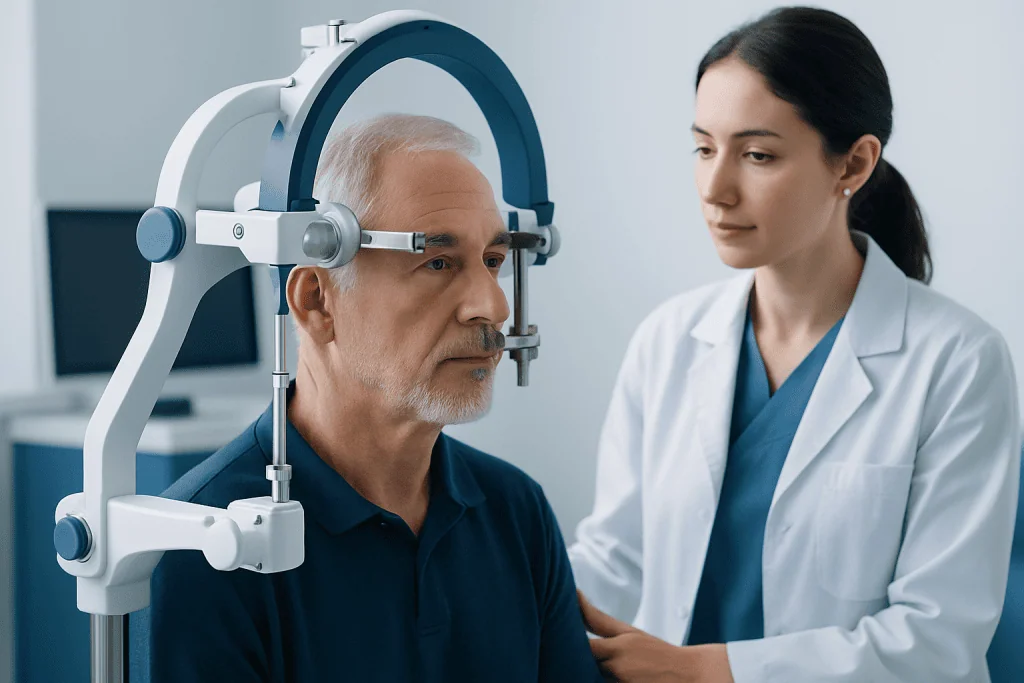
Movement disorders can be complex, and experience makes a difference. A neurologist who regularly evaluates tremor, stiffness, gait changes, or involuntary movements is often better able to distinguish between similar conditions. For example, not every tremor is Parkinson’s disease, and not every episode of slowness or poor balance has the same cause. A hospital that sees a broad range of cases may be more prepared to recognize less common disorders or overlapping symptoms.
A comprehensive team may include movement disorder neurologists, neuroradiologists, neurophysiologists, physiotherapists, occupational therapists, speech and swallowing specialists, psychologists, and when advanced therapies are considered, functional neurosurgeons. This kind of collaboration helps patients receive coordinated care rather than separate, disconnected opinions.
Patients may want to ask practical questions: Who will lead care? How often do specialists meet to discuss complex cases? Is rehabilitation available in the same center? Can the team support problems beyond movement symptoms, such as sleep changes, constipation, anxiety, depression, falls, or swallowing difficulties? Clear answers can show how integrated the service is.
In some hospitals, multidisciplinary review is especially helpful when symptoms are progressing quickly or do not fit a typical pattern. In these situations, a team discussion can improve diagnostic confidence and help prioritize the next steps.
Tests and Diagnostic Tools to Ask About

The right hospital should not promise one single test that gives every answer. Instead, it should use a careful clinical evaluation and then select tests based on the person’s symptoms and examination. Diagnosis often begins with a detailed medical history, medication review, neurological examination, and assessment of gait, balance, coordination, and fine motor control.
Depending on the case, additional testing may include blood work, genetic testing in selected families, and brain imaging such as MRI to look for structural causes or clues that support one diagnosis over another. In some situations, imaging such as PET scan or other functional studies may help clarify how the brain is working, though these are not needed for everyone.
Hospitals may also offer specialized assessments to study tremor patterns, muscle activity, walking, speech, swallowing, or cognitive function. Neuropsychological testing can be important if memory, attention, planning, or mood changes are affecting daily life. This can be especially useful before advanced interventions are considered.
Patients should feel comfortable asking why each test is recommended, what it can and cannot show, and whether the results are likely to change treatment decisions. Thoughtful testing is usually more helpful than ordering many tests without a clear reason.
Treatment Options a Hospital Should Be Able to Discuss
Treatment for movement disorders is highly individualized. A good hospital explains the full range of appropriate options, including medication, rehabilitation, lifestyle adjustments, and when suitable, procedure-based treatments. The goal is not only to reduce symptoms, but also to support independence, safety, and quality of life.
Medication plans should be reviewed carefully and adjusted over time as symptoms change. Rehabilitation is also a key part of care. Physical therapy may help with walking, posture, transfers, and fall prevention. Occupational therapy can support dressing, writing, and daily tasks. Speech and language therapy may help with voice, communication, and swallowing difficulties.
For selected patients whose symptoms remain difficult to control, hospitals should be able to explain advanced options such as deep brain stimulation. This usually requires careful screening, imaging, and discussion by both neurology and neurosurgery teams. Not every patient is a candidate, so clear eligibility criteria and balanced counseling are important.
Centers that provide comprehensive care should also address non-motor symptoms, which are common in disorders such as essential tremor and Parkinsonian conditions. These may include sleep disturbance, fatigue, mood changes, constipation, pain, and cognitive symptoms. Treating the whole person often leads to better overall outcomes than focusing only on visible movement changes.
When a Second Opinion Can Be Helpful
Seeking a second opinion is a normal and often useful part of movement disorder care. It can be especially helpful if the diagnosis is uncertain, symptoms are unusual, treatment is not working as expected, or surgery or another advanced therapy is being considered. A second opinion may confirm the original plan or suggest a different diagnosis or approach.
Patients do not need to wait for a serious decline to ask for another review. Early clarification can prevent unnecessary worry and may reduce delays in starting the most suitable treatment. A supportive hospital should not discourage second opinions; instead, it should help organize records, scan results, medication lists, and previous notes so another specialist can review the case efficiently.
It is often useful to prepare specific questions in advance. Examples include: Is the diagnosis certain? Are there other possible causes? Which symptoms are most important to treat first? Are there advanced therapies to consider now or later? What follow-up schedule is appropriate?
Second opinions can also be valuable for international patients or families planning treatment abroad. In these cases, hospitals that communicate clearly in advance and provide a structured review of existing records can make the process smoother and more reassuring.
Questions to Ask Before Choosing a Hospital
Patients and families may find it helpful to compare hospitals using a simple checklist. The first question is whether the center regularly treats the specific problem involved, such as tremor, dystonia, Parkinsonism, gait disorders, chorea, or tics. The next is whether the team can perform the necessary tests and provide treatment in a coordinated way.
Other useful questions include whether appointments allow enough time for assessment, how quickly test results are reviewed, and whether the hospital provides rehabilitation and follow-up in the same program. Access to specialists in nutrition, mental health, swallowing, and social support may also be important, especially when symptoms affect several areas of daily life.
A hospital should also explain how it handles emergencies and urgent changes, such as sudden worsening of walking, repeated falls, difficulty swallowing, confusion, or medication side effects. Clear communication channels can make long-term management safer and less stressful.
- Is there a dedicated movement disorder specialist or clinic?
- What diagnostic tests are available on site?
- Does the team discuss complex cases together?
- Are rehabilitation and speech/swallowing services available?
- Can the hospital provide second-opinion review?
- How are long-term follow-up and medication adjustments managed?
Near the end of the decision process, practical details matter too. These include travel requirements, language support, access to medical records, insurance or self-pay clarity, and whether family members can be involved in discussions. Acibadem International’s multidisciplinary specialists and JCI-accredited hospitals diagnose and treat movement disorders for international patients, with coordinated evaluation and follow-up planning.
Making the Final Decision and Planning Follow-Up
The best hospital choice is usually the one that combines specialist expertise with communication, coordination, and continuity of care. A highly technical center may not feel like the right fit if explanations are unclear or follow-up is fragmented. On the other hand, a hospital that listens carefully, explains options honestly, and builds a realistic care plan may give patients and families greater confidence over time.
It helps to think beyond the first appointment. Movement disorders often change gradually, so follow-up is an essential part of treatment. Patients may need medication adjustments, reassessment of diagnosis, rehabilitation updates, or monitoring for changes in balance, swallowing, sleep, cognition, or mood. A strong program should outline what happens next, not only what happens today.
Families and caregivers also play an important role. Hospitals that include caregivers in education and planning can improve safety at home and help patients manage treatment more consistently. Written instructions, exercise guidance, and clear points of contact can be especially valuable after diagnosis or when a new therapy begins.
If there is uncertainty between two hospitals, it may be useful to compare how each center answers the same key questions: who will coordinate care, what testing is truly needed, what treatment options are available now, and how ongoing support will be provided. A thoughtful, informed choice can make the care journey more organized and less overwhelming.
Frequently asked questions
What is a movement disorder specialist?
A movement disorder specialist is a neurologist with additional expertise in conditions that affect how the body moves. These doctors commonly evaluate tremor, Parkinsonism, dystonia, tics, chorea, and balance or gait problems. Their focused experience can help improve diagnostic accuracy and treatment planning.
Do all patients with movement disorders need brain scans?
No. Many diagnoses are based mainly on medical history and neurological examination. Brain imaging may be recommended when symptoms are unusual, when another cause needs to be ruled out, or when advanced treatment planning requires it.
When should someone consider a second opinion?
A second opinion can be helpful when the diagnosis is uncertain, symptoms are changing quickly, or treatment has not brought the expected benefit. It is also reasonable before surgery or other advanced therapies. In many cases, a second opinion helps confirm the plan and gives patients more confidence.
What should patients bring to a first hospital visit?
It is useful to bring previous clinic notes, imaging reports, test results, and a complete medication list, including supplements. A short timeline of symptoms can also help. If possible, a family member or caregiver may add helpful observations about walking, speech, sleep, or daily function.
Can rehabilitation help even if the condition cannot be cured?
Yes. Physical, occupational, and speech therapy can improve mobility, safety, communication, and independence, even when the underlying condition is chronic. Rehabilitation is often an important part of symptom management and quality of life.
How important is long-term follow-up in movement disorder care?
Long-term follow-up is very important because symptoms and treatment needs may change over time. Regular review allows doctors to adjust medications, reassess function, monitor side effects, and address new concerns such as falls, swallowing issues, or sleep problems.
References
- World Health Organization
- National Institute of Neurological Disorders and Stroke
- International Parkinson and Movement Disorder Society
- National Institute for Health and Care Excellence
- American Academy of Neurology
This article is for general information only and is not a substitute for professional medical advice. Please consult a qualified doctor about your individual situation.
Explore treatments in Turkey — costs, top hospitals & a free quote
JCI-accredited · board-certified surgeons · reply within 24h
Add us as a Preferred Source to see more of our trusted health content across Google Search, AI Overviews and Discover.

Neurology
Diagnosis and treatment of disorders of the brain, spinal cord, nerves and muscles.
51 specialists in this unit