How to Lower Stroke Risk if You Have High Blood Pressure or Atrial Fibrillation

Controlling blood pressure is one of the most effective ways to lower stroke risk. Atrial fibrillation can allow blood clots to form, so some people need blood-thinning medication.
Key Takeaways
- Controlling blood pressure is one of the most effective ways to lower stroke risk.
- Atrial fibrillation can allow blood clots to form, so some people need blood-thinning medication.
- Taking medicines exactly as prescribed is essential, even when symptoms are not noticeable.
- Lifestyle measures such as reducing salt, staying active, avoiding smoking, and limiting alcohol support stroke prevention.
- Regular checkups help doctors monitor treatment and adjust plans as health needs change.
High blood pressure and atrial fibrillation are two major stroke risk factors, but many strokes can be prevented with steady medical care and healthy daily habits. Understanding how these conditions raise risk can help people take practical steps to protect brain and heart health.
Overview
Stroke happens when blood flow to part of the brain is blocked or when a blood vessel in the brain breaks. Because brain cells need a constant supply of oxygen, a stroke is a medical emergency. The good news is that many strokes are linked to risk factors that can be identified and managed early.
Two of the most important stroke risk factors are high blood pressure and atrial fibrillation. High blood pressure, also called hypertension, can damage blood vessels over time and make them more likely to narrow, clog, or rupture. Atrial fibrillation, often called AF or AFib, is an irregular heart rhythm that can allow blood to pool and form clots in the heart. If a clot travels to the brain, it can cause an ischemic stroke.
For people living with either condition, stroke prevention usually depends on a long-term plan rather than one single action. This plan may include regular monitoring, medication, and daily habits that support heart and blood vessel health. A doctor can help tailor these steps to the person’s age, medical history, and overall stroke risk.
Why High Blood Pressure and Atrial Fibrillation Raise Stroke Risk
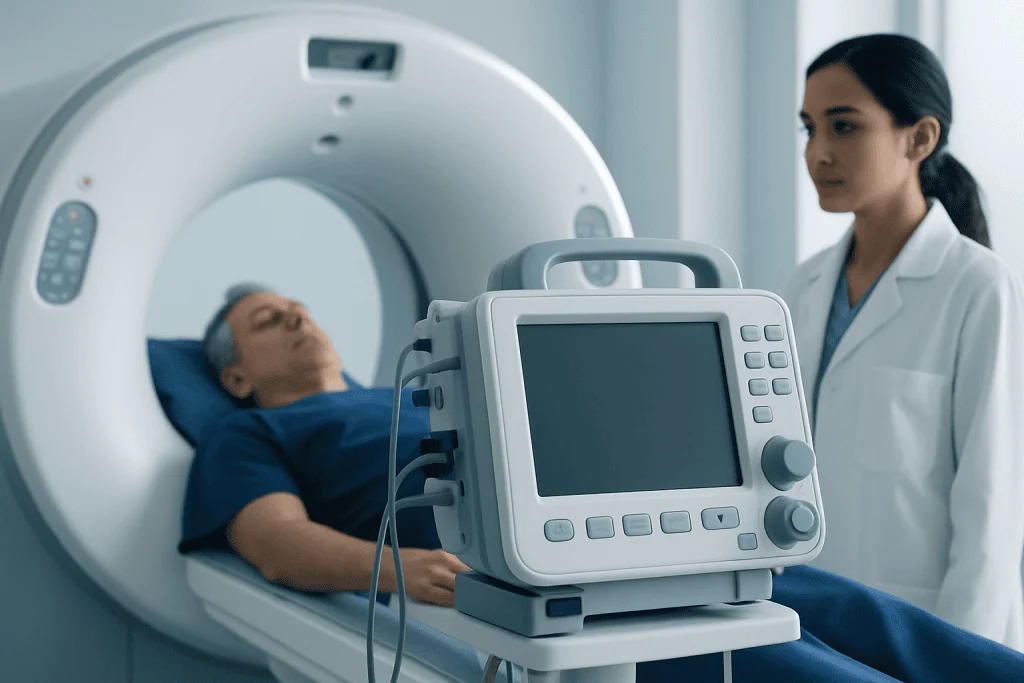
High blood pressure puts extra force on artery walls every time the heart pumps. Over time, this strain can injure the lining of the blood vessels, making it easier for fatty deposits to build up and for arteries to become stiff or narrowed. It also increases the chance that a weakened vessel may burst, which can lead to a hemorrhagic stroke.
Atrial fibrillation raises stroke risk in a different way. In AFib, the upper chambers of the heart beat irregularly and often too quickly. Instead of moving smoothly, blood can pool inside the heart and form a clot. If that clot leaves the heart and travels through the bloodstream to the brain, it can block an artery and cause a stroke.
These conditions may occur together, especially in older adults or in people with diabetes, obesity, sleep apnea, or heart disease. When both are present, stroke risk can rise further. This is why careful treatment of both blood pressure and heart rhythm is an important part of prevention.
People may not always feel symptoms from hypertension or even from atrial fibrillation. That is one reason they can be dangerous. Silent conditions still need active treatment, because stroke prevention depends on what is happening inside the blood vessels and heart, not only on how a person feels day to day.
How to Lower Stroke Risk With High Blood Pressure

Keeping blood pressure in a healthy range is one of the most effective ways to reduce stroke risk. This usually starts with knowing the numbers through regular checks at home, in a pharmacy, or at a clinic. A doctor may recommend more frequent monitoring if readings are often high, if treatment has recently changed, or if other cardiovascular risk factors are present.
Medication is often an important part of treatment. Blood pressure medicines work in different ways, such as helping blood vessels relax, reducing fluid buildup, or slowing the force of pressure on artery walls. It is important to take them exactly as prescribed and not stop them without medical advice, even if blood pressure improves. Readings often stay controlled because the treatment is working.
Daily habits also make a meaningful difference. Helpful measures often include:
- Reducing salt intake and limiting highly processed foods
- Eating more vegetables, fruits, whole grains, and lean proteins
- Maintaining a healthy weight when possible
- Being physically active most days of the week, based on a doctor’s advice
- Limiting alcohol and avoiding tobacco
- Managing stress and getting enough sleep
Other health conditions can make blood pressure harder to control. Diabetes, kidney disease, thyroid problems, and sleep apnea may all play a role. When blood pressure stays high despite treatment, doctors may look for these related issues and adjust the care plan to improve stroke prevention.
How to Lower Stroke Risk With Atrial Fibrillation
Stroke prevention in atrial fibrillation often centers on preventing clots from forming. For many people, doctors prescribe anticoagulant medicines, commonly called blood thinners. These medications do not actually thin the blood, but they reduce the blood’s ability to clot and can significantly lower the risk of an AFib-related stroke. Whether a person needs one depends on age, other medical conditions, and an overall stroke risk assessment.
Taking anticoagulants safely is very important. A person should take the medicine consistently, tell every healthcare provider that they use it, and ask what to do if a dose is missed. They should also discuss bleeding risks, falls, dental procedures, and over-the-counter medicines or supplements, since some products can interfere with treatment.
Doctors may also treat the rhythm or rate of the heartbeat itself. Depending on the situation, care may include medicines, monitoring, and procedures used to manage the irregular rhythm. In selected patients, options such as cardiac ablation may help control AFib, while ongoing evaluation by specialists remains important. Some people with structural heart problems may need broader cardiac assessment, and cardiovascular surgery can be relevant in specific cases determined by a care team.
Managing atrial fibrillation also means addressing triggers and related conditions. Avoiding smoking, limiting alcohol, treating sleep apnea, and controlling blood pressure, diabetes, and thyroid disease all support better heart rhythm stability. Because AFib can come and go, regular follow-up is helpful even when symptoms improve.
Shared Lifestyle Steps That Support Stroke Prevention
Healthy living supports stroke prevention whether the main concern is hypertension, atrial fibrillation, or both. A balanced eating pattern that emphasizes vegetables, fruits, legumes, whole grains, fish, and unsalted nuts can support blood pressure and overall cardiovascular health. Choosing fewer heavily processed foods may also help reduce excess sodium, unhealthy fats, and added sugars.
Physical activity helps improve circulation, blood pressure, weight management, and general wellbeing. The best exercise plan is one that is safe, realistic, and sustainable. A doctor may suggest walking, cycling, swimming, or light strength work, especially if there are other heart or joint conditions to consider.
Smoking cessation is one of the most powerful preventive steps. Tobacco damages blood vessels, increases clotting risk, and adds strain to the heart. Limiting alcohol is also important, because heavier drinking can raise blood pressure and trigger atrial fibrillation episodes in some people.
Sleep and stress management deserve attention too. Poor sleep, untreated sleep apnea, and ongoing stress may all affect blood pressure and heart rhythm. Relaxation techniques, regular sleep routines, and seeking support for anxiety or depression can be useful parts of a broader prevention plan.
Medical Follow-Up, Testing, and Treatment Adherence
Preventing stroke usually requires regular follow-up rather than occasional care. Checkups help doctors review blood pressure readings, heart rhythm symptoms, medication side effects, and any warning signs that need attention. For people with AFib, a doctor may use risk tools to decide whether anticoagulation is appropriate and whether treatment should change over time.
Tests may include blood pressure monitoring, electrocardiograms, blood tests, and in some cases echocardiography or longer heart rhythm monitoring. If stroke symptoms have occurred before, doctors may also investigate the blood vessels in the neck and brain. Understanding whether a person has related conditions such as carotid artery disease or heart rhythm disorders can guide treatment choices.
Adherence is a central part of prevention. Missing doses of blood pressure medicine or anticoagulants can quickly reduce protection, even if a person feels well. Practical strategies such as pill organizers, phone reminders, and simple daily routines can make treatment easier to follow.
Near the end of the care journey, some people seek coordinated specialist support, especially when multiple cardiovascular risks are present. Acibadem International’s multidisciplinary specialists and JCI-accredited hospitals diagnose and treat stroke risk factors for international patients, with care plans based on individual medical needs.
When to Seek Urgent Care and When to See a Doctor
Everyone at risk for stroke should know the warning signs. Sudden face drooping, arm weakness, speech difficulty, confusion, trouble seeing, severe dizziness, loss of balance, or a sudden severe headache can all signal stroke. These symptoms need emergency care immediately, even if they improve quickly, because fast treatment can reduce brain injury.
A person should also contact a doctor promptly if blood pressure readings stay high despite treatment, if they have palpitations, fainting, shortness of breath, chest discomfort, or repeated episodes of dizziness. New side effects from medicines, especially easy bruising or bleeding while taking anticoagulants, also deserve medical advice.
Regular appointments are important even when there are no symptoms. Prevention works best when problems are identified early and treatment is adjusted before a stroke happens. A healthcare professional can review risk factors, answer questions, and help build a plan that is realistic and safe for daily life.
Frequently asked questions
Can high blood pressure cause a stroke even if there are no symptoms?
Yes. High blood pressure often causes no clear symptoms, but it can still damage blood vessels over time. That damage can increase the risk of both ischemic stroke and hemorrhagic stroke, which is why regular monitoring and treatment are important.
Does everyone with atrial fibrillation need a blood thinner?
Not everyone does. Doctors look at several factors, including age, previous stroke, heart disease, diabetes, and other risks, to decide whether an anticoagulant is appropriate. The decision is individualized to balance stroke prevention with bleeding risk.
If blood pressure becomes normal with medicine, can treatment be stopped?
Blood pressure should not be stopped without medical advice. In many cases, the reading is normal because the medication and lifestyle measures are working. Stopping treatment on one's own can allow blood pressure to rise again and increase stroke risk.
What lifestyle change helps most with stroke prevention?
There is rarely one single change that works alone, but controlling blood pressure, not smoking, and taking prescribed medicines consistently are among the most effective steps. A healthy diet, regular activity, and limiting alcohol also provide important benefits.
Can atrial fibrillation come and go?
Yes. Some people have episodes that start and stop on their own, while others have a more constant irregular rhythm. Even intermittent AFib can increase stroke risk, so it still needs proper medical evaluation and follow-up.
What should someone do if they notice possible stroke symptoms?
They should seek emergency medical help immediately. Stroke treatment is time-sensitive, and quick action can improve the chance of recovery. Even if symptoms pass after a few minutes, urgent evaluation is still necessary.
References
- World Health Organization
- American Heart Association
- American Stroke Association
- National Institute of Neurological Disorders and Stroke
- Centers for Disease Control and Prevention
This article is for general information only and is not a substitute for professional medical advice. Please consult a qualified doctor about your individual situation.
Heart care in Turkey — expert evaluation and treatment
JCI-accredited · board-certified surgeons · reply within 24h
Add us as a Preferred Source to see more of our trusted health content across Google Search, AI Overviews and Discover.
Check your numbers in seconds
BMI, calories, due date, blood pressure and 30+ more clinical calculators — free, instant, doctor-reviewed ranges.