How to Stop a Heart Attack in 30 Seconds? A Doctor-Reviewed Answer

A true heart attack cannot be reliably stopped in 30 seconds by coughing, drinking water, or home remedies. Many brief chest sensations are harmless, but pressure, tightness, shortness of breath, sweating, nausea, or pain spreading to the arm, jaw, or back need urgent evaluation.
Key Takeaways
- A true heart attack cannot be reliably stopped in 30 seconds by coughing, drinking water, or home remedies.
- Many brief chest sensations are harmless, but pressure, tightness, shortness of breath, sweating, nausea, or pain spreading to the arm, jaw, or back need urgent evaluation.
- Calling emergency services is safer than driving yourself because treatment can begin on the way and heart rhythm problems can occur suddenly.
- Doctors confirm a heart attack with an ECG, blood tests such as troponin, and a focused exam, then restore blood flow as quickly as possible.
- Quick treatment greatly improves outcomes, so it is better to seek help early even if the cause turns out not to be a heart attack.
There is no proven way to stop a heart attack in 30 seconds at home. The safest response is to call emergency services right away, stop activity, and follow urgent medical advice such as chewing aspirin if a clinician or dispatcher says it is appropriate.
The short answer: can a heart attack be stopped in 30 seconds?
Usually, no. A heart attack cannot be safely or reliably stopped in 30 seconds with a home technique, breathing exercise, cough, or drink. If symptoms suggest a heart attack, the right action is to treat it as a medical emergency and get help immediately.
That said, it is also true that many episodes of chest discomfort are not caused by a heart attack. Brief chest twinges, muscle strain, heartburn, anxiety, or indigestion are common and often harmless. The challenge is that a dangerous heart problem can feel mild at first, which is why red-flag symptoms should not be ignored.
If someone has chest pressure, heaviness, squeezing, shortness of breath, sweating, nausea, faintness, or pain spreading to the arm, shoulder, back, neck, or jaw, they should call emergency services right away. While waiting for help, they should stop physical activity, sit or lie in a comfortable position, unlock the door if possible, and follow the dispatcher’s instructions.
If aspirin is not contraindicated and an emergency professional or clinician advises it, chewing a standard aspirin may help by reducing clotting while help is on the way. However, aspirin is not appropriate for everyone, including some people with bleeding risks or aspirin allergy, so professional guidance matters.
What a heart attack is and why speed matters
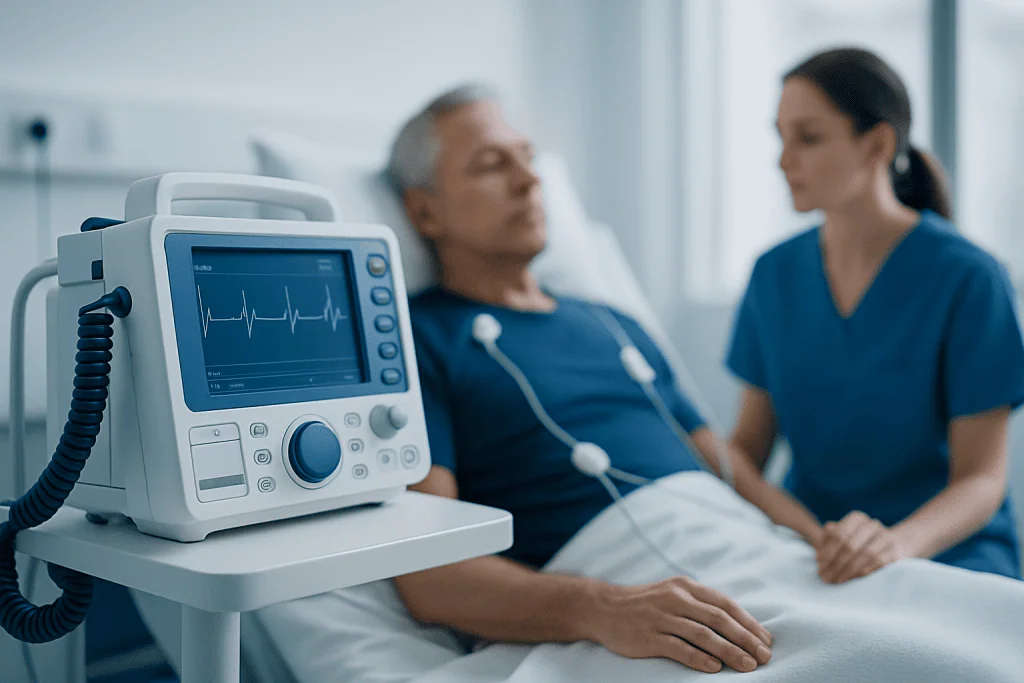
A heart attack, also called a myocardial infarction, happens when blood flow to part of the heart muscle is suddenly blocked, most often by a blood clot forming on top of a ruptured cholesterol plaque in a coronary artery. Without enough oxygen, heart muscle begins to suffer damage. The longer the blockage lasts, the greater the injury can be.
This is why the first minutes and hours matter so much. The goal of emergency care is to restore blood flow quickly, reduce damage to the heart muscle, and monitor for dangerous rhythm changes. Treatment may include medicines and urgent procedures such as coronary angiography to locate and open the blocked artery.
Some people imagine that a heart attack always causes sudden, severe pain. In reality, symptoms can start gradually and may come and go. This can lead people to wait too long, especially if symptoms seem like reflux, fatigue, or stress. Seeking help early is the safest choice.
Common symptoms and the red flags that need urgent care

Heart attack symptoms vary from person to person. The most typical symptom is pressure, squeezing, fullness, or pain in the center or left side of the chest that lasts more than a few minutes or goes away and returns. Some people describe it as heaviness rather than sharp pain.
Other warning signs can include shortness of breath, cold sweat, nausea, vomiting, lightheadedness, unusual fatigue, or discomfort in the arm, both arms, shoulder, back, neck, or jaw. Women, older adults, and people with diabetes may have less typical symptoms, such as sudden fatigue, breathlessness, indigestion-like discomfort, or weakness without dramatic chest pain.
Not all chest discomfort is a heart attack. Brief stabbing pain that changes with movement, pain that is clearly tender to touch, or burning after a meal may have other causes. Even so, symptoms cannot be sorted out reliably at home if they are new, severe, or accompanied by breathlessness or faintness.
- Call emergency services immediately for chest pressure or pain lasting more than a few minutes
- Seek urgent help for shortness of breath, fainting, or a racing or irregular heartbeat with chest symptoms
- Do not drive yourself if symptoms are intense, worsening, or associated with dizziness
- If symptoms are milder but unexplained, arrange prompt medical evaluation the same day when possible
What to do right away if a heart attack is suspected
The first step is to call emergency services. This is safer than waiting to see if symptoms pass or trying to travel without support. Paramedics can monitor oxygen levels, heart rhythm, blood pressure, and begin urgent treatment if needed.
While waiting, the person should stop all activity and rest. Sitting upright or in a comfortable semi-reclined position may help ease breathing. Tight clothing can be loosened. If prescribed nitroglycerin for known angina, it should only be used exactly as previously instructed by the treating clinician.
People should avoid food, alcohol, smoking, vigorous coughing, or internet-based “hacks” that claim to stop a heart attack instantly. The idea of “cough CPR” is widely misunderstood and is not a home treatment for a suspected heart attack in a conscious person. If the person collapses and is unresponsive, bystanders should start CPR and use an AED if available, following emergency dispatcher guidance.
For people with known coronary artery disease or prior angina, it may help to understand the difference between predictable exertional chest pain and a possible heart attack. A doctor may already have explained this in the context of angina pectoris, but new, stronger, or resting symptoms should still be treated as an emergency.
How doctors check whether it is really a heart attack
Once the person reaches medical care, doctors begin with a rapid history and examination. They ask when symptoms started, what they feel like, whether they spread anywhere, and whether there are risk factors such as smoking, high blood pressure, diabetes, high cholesterol, or a family history of early heart disease. They also review medicines and any past heart problems.
The first key test is an electrocardiogram, or ECG, which looks for signs of reduced blood flow or ongoing heart muscle injury. Blood tests, especially troponin, help detect damage to the heart muscle. Because troponin may rise over time, repeat testing is sometimes needed even if the first result is not clearly abnormal.
Doctors may also use a chest X-ray, continuous rhythm monitoring, pulse and oxygen checks, and in some cases an echocardiogram to assess how well the heart is pumping. If a blocked coronary artery is strongly suspected, urgent cardiology care is arranged so the artery can be opened as quickly as possible.
Not every person with chest pain has a heart attack. Other possible causes include acid reflux, muscle strain, panic symptoms, pneumonia, pulmonary embolism, or inflammation around the heart. The purpose of emergency testing is to separate these conditions quickly and safely, not to assume the worst.
Treatment options and what happens in hospital
Treatment depends on the cause and severity of symptoms. If tests confirm a heart attack, the main goal is to restore blood flow to the affected heart muscle. This may involve medications that reduce clotting, relieve symptoms, and support the heart, along with procedures to open narrowed or blocked arteries.
A common approach is urgent catheter-based treatment, often with a balloon and stent placed through a blood vessel to reopen the artery. In some situations, surgery may be recommended, especially when several arteries are severely narrowed. These decisions are guided by the location of the blockage, overall heart function, and the person’s general health.
After the emergency phase, doctors focus on preventing another event. This usually includes risk-factor control, medication review, gradual return to activity, and follow-up for blood pressure, cholesterol, diabetes, and smoking cessation. Some people benefit from further evaluation or treatment for coronary artery disease after the immediate problem is addressed.
Near the end of the care pathway, some international patients look for comprehensive follow-up in one place. Acibadem International’s multidisciplinary specialists and JCI-accredited hospitals diagnose and treat heart conditions, including urgent evaluation and longer-term support such as heart check-up programs when appropriate.
Reducing risk and knowing what is often harmless
It is reassuring that many episodes of chest discomfort do not turn out to be a heart attack. Common non-cardiac causes include indigestion, muscle strain, costochondritis, anxiety, and viral illnesses. Even so, people should not try to self-diagnose when symptoms are new, intense, or associated with breathing trouble, faintness, or sweating.
The best way to lower heart attack risk is to reduce strain on the blood vessels over time. Helpful steps include not smoking, staying physically active, eating a heart-healthy diet, maintaining a healthy weight, sleeping well, and managing stress. Regular medical care is important to control blood pressure, cholesterol, and blood sugar.
People with known risk factors or a strong family history may benefit from routine preventive evaluation. Preventive care does not eliminate all risk, but it helps identify problems earlier and supports treatment before an emergency occurs. Taking prescribed medicines consistently is also a key part of prevention.
- Do not ignore recurring chest pressure with exertion
- Keep an up-to-date list of medicines and allergies
- Learn your doctor’s plan if you have known heart disease
- Seek help quickly rather than waiting for symptoms to become severe
When to seek medical care
Emergency care is needed right away for chest pressure, squeezing, or heaviness that lasts more than a few minutes, especially if it comes with shortness of breath, sweating, nausea, fainting, or pain spreading to the arm, jaw, neck, or back. The same is true for sudden collapse, confusion, or a very fast or irregular heartbeat with chest symptoms.
Urgent same-day medical review is sensible for new or unexplained chest discomfort even if it improves, particularly in older adults and in people with diabetes, high blood pressure, high cholesterol, kidney disease, or a history of smoking. If symptoms happen during exercise and keep recurring, a clinician should assess them promptly.
If there is uncertainty, it is safer to get checked than to wait at home. Heart attack symptoms can be mild at first, and a doctor can sort out whether the cause is cardiac, digestive, muscular, or another problem. Early evaluation offers reassurance when the cause is harmless and faster treatment when it is not.
Frequently asked questions
Can coughing stop a heart attack?
No. Coughing is not a proven home treatment for a suspected heart attack. If symptoms suggest a heart attack, the safest action is to call emergency services and get urgent medical care.
Should a person take aspirin during a suspected heart attack?
Aspirin may help in some cases because it reduces clotting, but it is not safe for everyone. A person should follow the advice of emergency services or a clinician, especially if they have a bleeding disorder, aspirin allergy, stomach bleeding, or take certain blood thinners.
Is every chest pain a heart attack?
No. Many causes of chest discomfort are not heart-related, such as reflux, muscle strain, or anxiety. Still, chest pressure, breathlessness, sweating, faintness, or pain spreading to the arm or jaw should be treated urgently until a doctor rules out a heart problem.
What is the first test doctors do for a possible heart attack?
One of the first tests is an electrocardiogram, or ECG, which can show changes linked to reduced blood flow or heart muscle injury. Doctors also usually order blood tests such as troponin and monitor the heart rhythm.
Can a heart attack happen without severe chest pain?
Yes. Some people have milder or less typical symptoms, including shortness of breath, nausea, unusual fatigue, dizziness, or discomfort in the back, neck, or jaw. This is one reason it is important not to dismiss symptoms that feel unusual or sudden.
Is it better to drive to hospital or call emergency services?
Calling emergency services is usually the safer choice. Paramedics can begin assessment and treatment on the way, and they can respond quickly if the person develops a dangerous heart rhythm or loses consciousness.
This article is for general information only and is not a substitute for professional medical advice. Please consult a qualified doctor about your individual situation.
Heart care in Turkey — expert evaluation and treatment
JCI-accredited · board-certified surgeons · reply within 24h
Add us as a Preferred Source to see more of our trusted health content across Google Search, AI Overviews and Discover.
Check your numbers in seconds
BMI, calories, due date, blood pressure and 30+ more clinical calculators — free, instant, doctor-reviewed ranges.

More from the Health Library

How to Get Rid of a Boil Overnight? Causes, Explanations, and Next Steps

Pain in the Axilla and Breast: Causes to Consider

Kidney Cancer Symptoms Explained: Common Triggers and Red Flags

How Long Does Melatonin Last? Causes, Explanations, and Next Steps

Cellulitis Symptoms: Possible Causes and When to Seek Care