How to treat swollen feet: Common Causes, Warning Signs, and When to Worry

Swollen feet are a symptom, not a diagnosis, so treatment works best when it targets the underlying cause. Common self-care steps include elevating the feet, walking or ankle exercises, supportive footwear, and avoiding long periods of sitting or standing.
Key Takeaways
- Swollen feet are a symptom, not a diagnosis, so treatment works best when it targets the underlying cause.
- Common self-care steps include elevating the feet, walking or ankle exercises, supportive footwear, and avoiding long periods of sitting or standing.
- One-sided swelling, redness, warmth, chest symptoms, fever, or sudden swelling need prompt medical attention.
- Medicines, pregnancy, hot weather, venous problems, and chronic health conditions can all contribute to foot swelling.
- A doctor may use an exam, blood tests, urine tests, ultrasound, or heart and kidney evaluation to find the cause.
How to treat swollen feet depends on why the swelling happens. Mild swelling often improves with rest, leg elevation, gentle movement, and limiting salt, but new, severe, or one-sided swelling should be assessed by a doctor to rule out problems with the veins, heart, kidneys, liver, infection, or injury.
Overview: how swollen feet are usually treated
For many people, the first steps in how to treat swollen feet are simple: raise the feet above heart level when possible, move the ankles and legs regularly, reduce long periods of standing or sitting, and wear comfortable shoes that do not press on the skin. These measures can help fluid move back out of the feet when swelling is caused by heat, travel, mild fluid retention, or inactivity.
However, swollen feet are a symptom rather than a disease on their own. The most effective treatment depends on the cause. Swelling may come from everyday factors such as salty meals, pregnancy, or being on one’s feet all day, but it can also be linked to vein problems, injury, infection, medication side effects, or medical conditions affecting the heart, kidneys, liver, or lymphatic system.
A practical way to think about swollen feet is to ask three questions: Is it in one foot or both? Did it happen suddenly or gradually? Are there other symptoms such as pain, redness, shortness of breath, fever, or skin changes? These clues help doctors decide whether swelling is likely to be temporary and manageable at home or whether it needs urgent evaluation.
What swollen feet can feel and look like
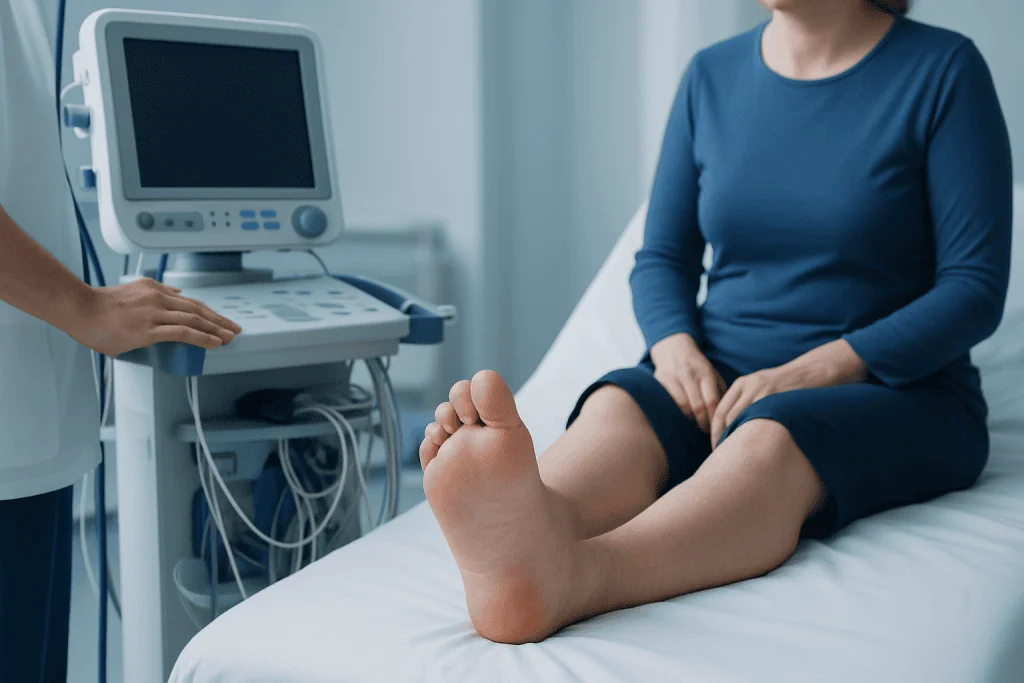
Foot swelling may appear as puffiness on the top of the foot, around the toes, or at the ankles. Shoes may feel tight, socks may leave deep marks, and the skin may look shiny or stretched. In some cases, pressing a finger into the swollen area leaves a temporary dent, called pitting edema.
Some people have swelling without pain, especially after standing, travel, or hot weather. Others notice aching, heaviness, tenderness, burning, or reduced flexibility in the toes and ankles. If there is an injury, swelling may come with bruising or difficulty bearing weight.
Certain associated symptoms can point to a more specific problem. Redness, warmth, and pain may suggest inflammation, infection, or a blood clot. Swelling with varicose veins or skin discoloration can occur with chronic vein disease. Swelling together with shortness of breath, tiredness, or rapid weight gain may reflect fluid retention elsewhere in the body.
Common causes and risk factors
Not all swollen feet have the same explanation. Common short-term causes include prolonged sitting, long flights or car trips, hot weather, high salt intake, pregnancy, and minor injuries such as sprains. In these situations, swelling often affects both feet and improves with rest and elevation.
Medical causes are broader. Problems with the veins can allow fluid to pool in the lower legs and feet, including chronic venous insufficiency and, more urgently, a possible deep vein thrombosis. Heart, kidney, and liver conditions may also lead to fluid retention. Lymphedema, a buildup of lymph fluid, usually causes persistent swelling and a sense of heaviness.
Medicines are another frequent reason for swelling. Some blood pressure medicines, steroids, hormones, anti-inflammatory drugs, and certain diabetes medications can contribute. Infection, arthritis, gout, and skin conditions may cause swelling too. People are at higher risk if they are older, pregnant, less physically active, overweight, have varicose veins, or live with chronic diseases such as heart failure or kidney disease.
- Common triggers: standing, travel, heat, salt, pregnancy
- Local causes: sprain, fracture, infection, arthritis, gout
- Circulation-related causes: vein disease, blood clot, lymphedema
- Whole-body causes: heart, kidney, or liver disorders
- Medication-related swelling: a known and often overlooked cause
Home care that may help mild swelling
If swelling is mild, affects both feet, and follows a clear trigger such as a long day of standing or travel, self-care may help. Resting with the feet elevated above the level of the heart for short periods can encourage fluid to move out of the tissues. Gentle walking, ankle circles, and calf muscle movements are also useful because the calf muscles act as a pump to improve circulation.
Limiting excess salt may reduce fluid retention in some people. Drinking enough water can also help, especially during travel or hot weather, because dehydration may paradoxically worsen fluid retention. Comfortable, supportive shoes and avoiding tight socks or straps can prevent added pressure on swollen areas.
Compression socks can help some people, especially when swelling relates to prolonged standing or venous issues, but they should be used carefully. A doctor should advise before starting compression if there is severe leg pain, major artery disease, numbness, or an unclear cause of swelling. Over-the-counter pain relief may be appropriate for minor injuries, but persistent or unexplained swelling should not be self-treated for long without medical advice.
Home care is not a substitute for evaluation when swelling is sudden, new, severe, one-sided, or paired with other concerning symptoms. In those cases, identifying the cause matters more than simply trying to reduce the swelling.
How doctors find the cause
Diagnosis starts with a history and physical examination. A doctor will ask when the swelling began, whether it is one-sided or both-sided, what medicines a person takes, and whether symptoms such as pain, redness, fever, shortness of breath, or recent travel are present. They will also look for skin changes, tenderness, visible veins, signs of injury, and pitting edema.
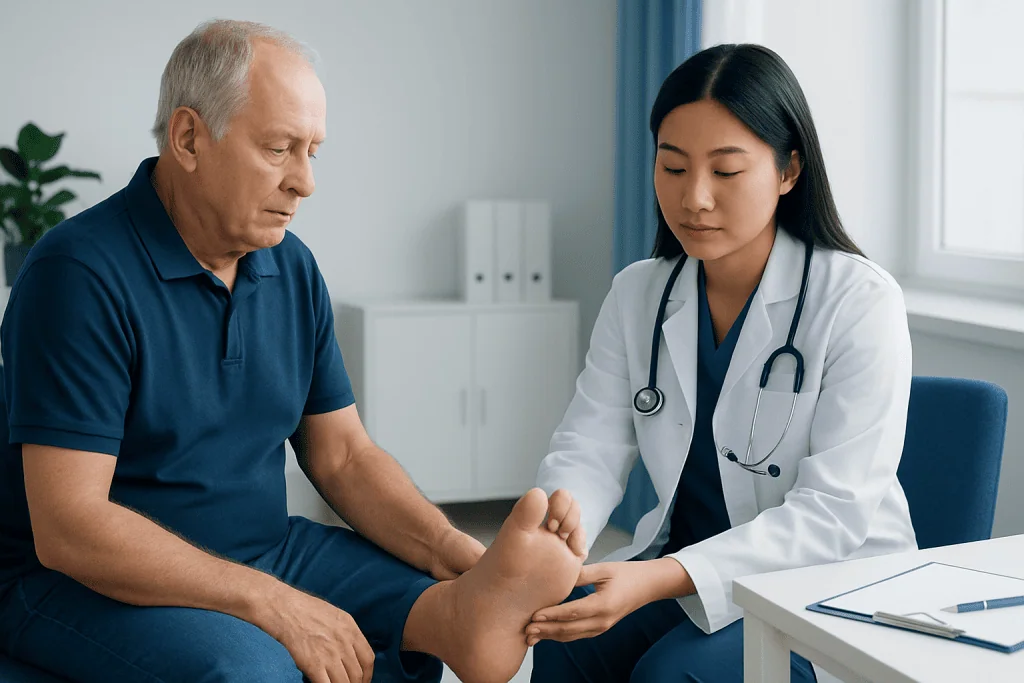
Tests depend on what the examination suggests. Blood tests may check kidney function, liver function, thyroid status, inflammation, or signs of infection. A urine test can help look for protein loss or kidney disease. If one leg is swollen, painful, or warm, a venous ultrasound may be ordered to check for a clot or other vein problem.
When heart or circulation issues are suspected, doctors may use additional studies such as an ECG, echocardiography, or vascular imaging. If there has been trauma, X-rays may be needed. In more complex cases, specialists may evaluate the lymphatic system, veins, kidneys, or heart to guide treatment. Vascular assessment may include tests used in vascular surgery pathways when circulation disorders are involved.
Medical treatment options
Treatment is directed at the cause. For venous swelling, doctors may recommend leg elevation, exercise, compression, weight management, and treatment of underlying vein disease. If a blood clot is found, urgent medical treatment is needed to reduce the risk of complications. If swelling relates to infection, antibiotics or drainage may be necessary depending on the situation.
When the cause is a chronic health condition, managing that condition is the key step. This may include treatment plans for heart, kidney, or liver disease, or medication review if a drug side effect is suspected. Doctors may adjust prescriptions rather than adding new medicines unnecessarily. Diuretics are sometimes used for fluid overload, but they are not appropriate for every type of foot swelling and should only be taken under medical supervision.
For injuries, treatment may include rest, protection, physical rehabilitation, and occasionally orthopedic care. If circulation to the limb is reduced, specialists may recommend targeted vascular treatment, including evaluation for varicose veins treatment or other procedures. In some patients with persistent swelling linked to kidney problems, a broader plan through nephrology care may be appropriate.
Near the end of the diagnostic process, some patients benefit from multidisciplinary care, especially when swelling has more than one cause. Acibadem International’s multidisciplinary specialists and JCI-accredited hospitals diagnose and treat conditions associated with swollen feet for international patients.
Prevention and daily self-care
Preventing recurrent swelling often involves daily habits rather than one single remedy. Regular movement is one of the most effective strategies. During long workdays, travel, or recovery periods, getting up to walk, flexing the ankles, and avoiding sitting with the legs dependent for hours at a time can make a noticeable difference.
People who are prone to swelling may benefit from maintaining a healthy body weight, choosing lower-salt meals, and wearing shoes that fit well by the end of the day, when the feet are naturally a little larger. Skin care matters too: keeping the skin clean and moisturized can help reduce irritation and lower the risk of infection when swelling is chronic.
If a doctor has recommended compression stockings, they usually work best when put on in the morning before swelling builds. During pregnancy or travel, practical steps such as hydration, gentle walking, and leg elevation may help reduce discomfort. Anyone with a chronic condition should follow the broader treatment plan that addresses the reason fluid is collecting in the feet.
When to seek medical care
Medical care should be sought promptly if foot swelling appears suddenly, affects only one side, or is accompanied by pain, redness, warmth, chest pain, shortness of breath, fainting, fever, or an inability to walk. These features can signal a blood clot, infection, significant injury, or a heart or lung problem that should not be managed at home.
A doctor should also assess swelling that keeps coming back, gradually worsens, or is associated with rapid weight gain, reduced urination, skin ulcers, or swelling elsewhere such as the hands or abdomen. Even when symptoms seem mild, persistent swelling deserves evaluation because treatment depends on the cause and may prevent complications.
For people with diabetes, heart disease, kidney disease, liver disease, or poor circulation, early assessment is especially important. New swelling in these settings may reflect a change in the underlying condition, and timely review can help guide safer, more effective care.
Frequently asked questions
What is the fastest way to reduce swollen feet at home?
If the swelling is mild and there are no warning signs, elevating the feet, walking gently, and doing ankle movements are often the quickest helpful steps. Reducing long periods of sitting or standing and avoiding very salty foods may also help. If swelling is sudden, one-sided, painful, or paired with breathing symptoms, medical care is more important than home treatment.
Are swollen feet always a sign of a serious problem?
No. Swollen feet can happen after travel, hot weather, standing for a long time, pregnancy, or a high-salt meal. But swelling can also reflect vein disease, medication side effects, injury, infection, or conditions affecting the heart, kidneys, or liver, so persistent or unusual swelling should be checked.
When should someone worry about one swollen foot?
One swollen foot or leg deserves closer attention, especially if it started suddenly or comes with pain, warmth, redness, or tenderness. These symptoms can suggest a blood clot, infection, or injury. A prompt medical assessment is the safest next step.
Can dehydration cause swollen feet?
It can contribute in some situations. When the body is dehydrated, fluid balance can shift and worsen swelling, particularly during hot weather or travel. Staying well hydrated is a sensible preventive step, although it will not treat swelling caused by an underlying disease.
Do compression socks help swollen feet?
They can help many people, especially when swelling is related to prolonged standing, travel, or venous insufficiency. However, compression is not right for everyone. People with severe pain, suspected blood clots, circulation problems in the arteries, or an unclear cause of swelling should ask a doctor before using them.
Can medications make feet swell?
Yes. Some blood pressure medicines, hormones, steroids, anti-inflammatory medicines, and other prescription drugs can lead to fluid retention or swelling. A person should not stop a prescribed medicine on their own, but should ask their doctor whether the medication could be contributing.
References
- National Heart, Lung, and Blood Institute
- Centers for Disease Control and Prevention
- National Institute of Diabetes and Digestive and Kidney Diseases
- American Heart Association
- MedlinePlus
This article is for general information only and is not a substitute for professional medical advice. Please consult a qualified doctor about your individual situation.
Explore treatments in Turkey — costs, top hospitals & a free quote
JCI-accredited · board-certified surgeons · reply within 24h
Add us as a Preferred Source to see more of our trusted health content across Google Search, AI Overviews and Discover.
Check your numbers in seconds
BMI, calories, due date, blood pressure and 30+ more clinical calculators — free, instant, doctor-reviewed ranges.

More from the Health Library



Related Specialists

Assoc. Prof. Dr. Nurcan Kızılcık
Anesthesiology
Fzt. Nursena Altınkaya
Physical Medicine & Rehabilitation
Dr. Can Turan
Intensive Care
Assoc. Prof. Dr. Baran Bozkurt
Neurosurgery