HPV Screening: How It Works, Results and What to Expect

HPV screening detects high-risk HPV types linked with cervical cancer, not cancer itself. A positive result is common and usually does not mean a person has cancer or will develop cancer.
Key Takeaways
- HPV screening detects high-risk HPV types linked with cervical cancer, not cancer itself.
- A positive result is common and usually does not mean a person has cancer or will develop cancer.
- The test often uses a sample collected from the cervix during a pelvic examination; self-collected testing may be available in some settings.
- HPV test results may return within days to a few weeks, depending on the laboratory and healthcare system.
- Screening intervals depend on age, previous results, local guidance and whether HPV testing is used alone or with a Pap test.
- HPV vaccination, recommended screening and follow-up of abnormal results work together to reduce cervical cancer risk.
HPV screening is a cervical health test that looks for high-risk types of human papillomavirus (HPV), which can sometimes lead to cervical cell changes over time. It is usually quick, causes little more than brief discomfort, and helps clinicians decide whether routine screening or closer follow-up is appropriate.
Overview: what HPV screening checks for
HPV screening is a test for high-risk types of human papillomavirus, a very common virus passed mainly through intimate skin-to-skin sexual contact. Certain high-risk HPV types can cause changes in cervical cells. When these changes persist without follow-up, a small proportion may develop into cervical cancer over many years.
The purpose of screening is prevention. It identifies people who may need additional monitoring or tests before cancer develops. HPV screening may be done as a primary HPV test, together with cervical cytology (often called a Pap test or smear), or as follow-up after an abnormal cervical screening result. The exact approach depends on national guidance, age and personal medical history.
HPV screening is not a test for every HPV-related condition. It does not usually diagnose genital warts, determine when an infection was acquired, or test for all sexually transmitted infections. For broader sexual health concerns, a clinician may recommend separate testing for infections such as chlamydia, gonorrhea, syphilis or HIV.
Who should have HPV screening and how often?
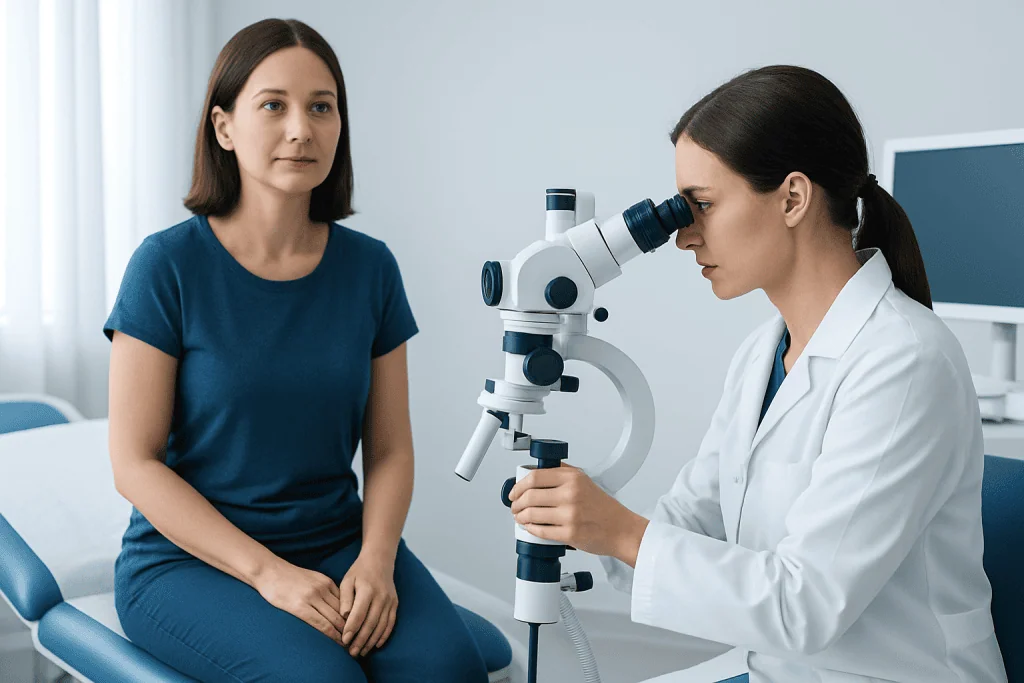
Eligibility for HPV screening varies by country and healthcare system. In many programs, routine cervical screening begins in adulthood for people with a cervix, often between ages 21 and 25, and continues until around age 65 if previous results have been adequately normal. Screening recommendations may differ for people who are pregnant, immunocompromised, living with HIV, have had treatment for significant cervical cell changes, or have had a total hysterectomy.
How often HPV screening is needed depends on the method used and the result. A negative primary HPV test commonly allows a longer interval before the next screen than cytology alone, frequently several years. However, a person should follow the schedule given by their own clinician or national screening service rather than relying on a general interval.
People who have received the HPV vaccine still need screening when they are eligible. Vaccination is highly effective against important HPV types but does not protect against every type that may affect the cervix. A gynecologist can help tailor screening plans for those with prior abnormal results or special risk factors, including through HPV-related health assessments where appropriate.
What to expect during an HPV test?

An HPV test is often collected during a routine pelvic examination. The person undresses from the waist down and lies on an examination table. A clinician gently places a speculum into the vagina to view the cervix, then uses a small soft brush to collect cells and fluid from the cervix. The sample is sent to a laboratory to look for genetic material from high-risk HPV types.
The collection itself usually takes less than a minute. Some people notice pressure from the speculum or a brief scraping sensation, but the procedure should not be sharply painful. Slow breathing, asking the clinician to explain each step and requesting a smaller speculum when suitable may make the experience more comfortable. A person may stop the examination or ask questions at any time.
In some locations, self-collected vaginal samples are an option for selected people. A clinician explains how to collect the sample and whether it is suitable for the individual situation. A self-collected test can be useful for access, but an abnormal or positive result may still require a clinic-based cervical examination.
To avoid an inadequate sample, clinicians may advise scheduling screening when menstrual bleeding is light or absent if possible. It can also help to ask beforehand whether vaginal medicines, intercourse or vaginal products should be avoided for a short period before the appointment.
HPV screening test results: what they can mean
HPV screening test results generally report whether high-risk HPV was detected. A negative result means no high-risk HPV was found in the sample, which is reassuring and usually means that routine screening can continue at the recommended interval. It does not mean that a person can never acquire HPV in the future.
A positive result means that one or more high-risk HPV types were detected. It does not diagnose cervical cancer, and it does not necessarily mean there are abnormal cells. Many HPV infections are temporary and are controlled by the immune system without treatment. The next step may be cytology testing, repeat HPV testing after a defined interval, or colposcopy, depending on the HPV type detected, cytology findings and previous screening history.
If cervical cell changes need closer assessment, colposcopy allows a specialist to examine the cervix under magnification and take a small biopsy if needed. Management is based on the degree of cell change and individual circumstances. Information about evaluation and treatment for cervical abnormalities may be discussed within colposcopy assessment.
HPV results take how long to return? Many laboratories report results within several days to a few weeks. The time can vary with the laboratory, screening program and whether additional cytology is performed on the same sample. A clinic can provide the most accurate estimate for how long it takes HPV results to come back.
Is testing positive for HPV a big deal?
A positive high-risk HPV test deserves appropriate follow-up, but it is usually not an emergency and does not mean a person has cancer. HPV is extremely common, and most infections clear or become undetectable without causing serious health problems. The important point is to attend recommended follow-up appointments so that persistent infection or cell changes can be identified early.
Some HPV types carry a higher association with cervical cancer than others. If a test identifies one of these types, clinicians may recommend colposcopy sooner. In other cases, repeating the HPV test after a set period is the safest and most appropriate way to see whether the infection has cleared.
There is no routine medicine that directly eliminates HPV from the body. Care focuses on monitoring, treating confirmed abnormal cell changes when needed, avoiding tobacco, and supporting overall health. For people with persistent abnormalities, specialist cervical cancer care and prevention pathways may include further diagnostic evaluation and individualized treatment planning.
Am I contagious if I tested positive for HPV? Is HPV still considered an STD?
Yes. HPV is commonly considered a sexually transmitted infection (STI), although it spreads primarily through close genital skin-to-skin contact rather than through bodily fluids alone. It can be transmitted during vaginal, anal or oral sex and through intimate contact without penetration. Because infection may have no symptoms, a person can pass HPV on without knowing it.
A positive HPV result does not show when the infection started or who transmitted it. HPV can remain inactive or undetectable for a long time, so a result cannot reliably indicate recent exposure or infidelity. This is an important reason to approach the result without blame or assumptions.
Condoms and dental dams can lower HPV transmission risk, but they cannot provide complete protection because uncovered skin may carry the virus. HPV vaccination offers important protection against several HPV types. Partners do not usually need HPV testing solely because one person has a positive cervical HPV test, but they may benefit from discussing vaccination, routine health checks and any symptoms with a healthcare professional.
Benefits, limitations, recovery and possible risks
The major benefit of HPV screening is that it detects risk before symptoms develop. Finding high-risk HPV or cervical cell changes early gives clinicians time to monitor or treat changes before they become more serious. Screening has limits: no test is perfect, a sample may occasionally be inadequate, and a negative test cannot prevent future HPV infection.
There is no recovery period after a standard cervical sample. Most people can return to usual activities immediately. Light spotting or mild cramping can occur, particularly if the cervix is sensitive, but this is generally short-lived. Contact a clinician if bleeding is heavy, pain is severe or symptoms do not settle.
Possible downsides include temporary discomfort during sample collection and anxiety while waiting for results. A positive result can lead to additional tests, some of which may ultimately show no significant abnormality. Even so, careful follow-up is valuable because it distinguishes transient infections from those that need more attention.
Acibadem International’s multidisciplinary specialists and JCI-accredited hospitals support international patients needing cervical screening, diagnostic evaluation and individualized follow-up planning.
When to seek medical care
Routine HPV screening is intended for people without symptoms. Anyone who receives an abnormal or positive result should arrange the recommended follow-up, even when they feel well. Timely follow-up is the most useful step for protecting cervical health.
A person should seek medical advice promptly for bleeding after sex, bleeding between periods, bleeding after menopause, unusual persistent vaginal discharge, pelvic pain or pain during sex. These symptoms often have causes other than cancer, but they should be assessed rather than attributed to HPV alone.
Medical advice is also appropriate after possible STI exposure, if genital sores, lumps or warts appear, or if there are questions about HPV vaccination and sexual health. A gynecologist or sexual health clinician can recommend the right tests and provide nonjudgmental guidance.
Frequently asked questions
What is HPV screening?
HPV screening tests a sample from the cervix for high-risk types of human papillomavirus. These types can contribute to cervical cell changes over time. The test helps identify who may need routine screening and who may need additional follow-up.
What should I expect during an HPV test?
During a clinic-based HPV test, a clinician uses a speculum to view the cervix and collects a small sample with a soft brush. The sample collection is brief and may cause pressure or mild discomfort. Most people can resume normal activities immediately afterward.
How long do HPV results take?
HPV results may be available in a few days to several weeks. Timing depends on the laboratory, local screening system and whether cytology is also being reviewed. The clinic that collected the sample can give the most reliable timeframe.
Is testing positive for HPV a big deal?
A positive result means a high-risk HPV type was found, not that cancer is present. HPV infections are common and often clear naturally. The key step is completing any recommended repeat testing, cytology or colposcopy.
Am I contagious if I tested positive for HPV?
HPV can be passed through intimate sexual skin-to-skin contact, including when there are no symptoms. A positive result cannot show when the infection was acquired or who transmitted it. Barrier methods reduce but do not fully eliminate transmission risk, and vaccination can provide additional protection.
Is HPV still considered an STD?
HPV is generally classified as a sexually transmitted infection because it is commonly spread through sexual and intimate skin-to-skin contact. It is also very common, and many people acquire it at some point without ever having symptoms. A positive result should not be viewed as evidence of recent sexual activity or infidelity.
References
- World Health Organization
- U.S. Centers for Disease Control and Prevention
- American Cancer Society
- American College of Obstetricians and Gynecologists
- International Agency for Research on Cancer
This article is for general information only and is not a substitute for professional medical advice. Please consult a qualified doctor about your individual situation.
Oncology care in Turkey — second opinion and treatment plan
JCI-accredited · board-certified surgeons · reply within 24h
Add us as a Preferred Source to see more of our trusted health content across Google Search, AI Overviews and Discover.