Human Brain: Main Regions and What Each One Does
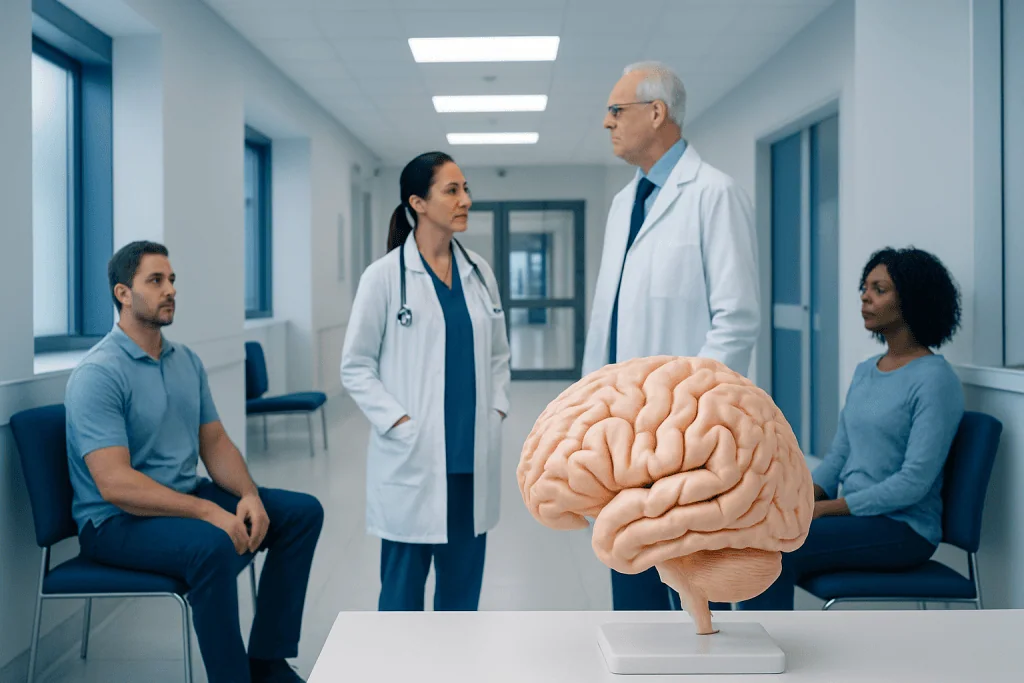
The human brain has several major regions, each with specialized roles. The cerebrum manages thinking, sensation, language, and voluntary movement.
Key Takeaways
- The human brain has several major regions, each with specialized roles.
- The cerebrum manages thinking, sensation, language, and voluntary movement.
- The cerebellum helps with balance, coordination, and fine motor control.
- The brainstem controls essential automatic functions like breathing, heart rate, and alertness.
- The brain's regions work together through complex nerve networks rather than acting alone.
- Changes in speech, balance, memory, strength, or consciousness should be assessed by a doctor.
The human brain is the body's control center, coordinating thought, movement, sensation, memory, emotions, and automatic functions such as breathing. Understanding its main regions can help explain how different brain areas work together and why symptoms may vary when one part is affected.
Overview of the Human Brain
The human brain is a highly organized organ that serves as the command center for the nervous system. It receives information from the body and the environment, interprets it, and sends signals that guide movement, behavior, thoughts, and internal body functions. Although it weighs only a small portion of total body weight, it uses a large amount of the body’s energy to keep these processes running.
The brain is protected by the skull, layers of tissue called the meninges, and cerebrospinal fluid, which cushions delicate structures. It connects to the spinal cord and communicates with the rest of the body through vast networks of nerves. This constant two-way communication allows a person to feel, move, learn, remember, and respond to changing conditions.
For easier understanding, the brain is often divided into major regions: the cerebrum, cerebellum, and brainstem. Within these are smaller structures with more specific roles, including the lobes of the cerebrum, the thalamus, hypothalamus, and limbic system. While each region has key functions, the brain works as an integrated whole, with many tasks relying on several areas at the same time.
The Cerebrum and Its Lobes
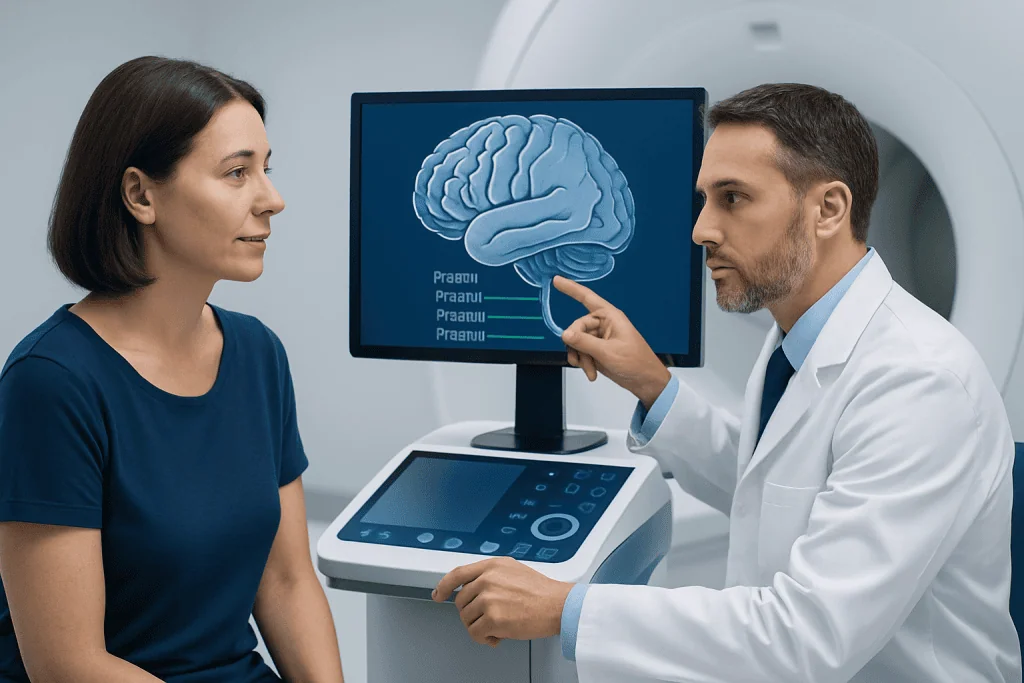
The cerebrum is the largest part of the human brain. It is divided into right and left hemispheres, which are connected by a large bundle of nerve fibers called the corpus callosum. In general, the cerebrum is responsible for conscious thought, voluntary movement, interpretation of sensory information, language, planning, and many aspects of memory and personality.
Each hemisphere contains four main lobes. The frontal lobe helps with decision-making, attention, problem-solving, personality, emotional control, and voluntary movement. It also includes important areas for speech production in many people. The parietal lobe processes touch, temperature, pain, and body position, helping a person understand where the body is in space.
The temporal lobe plays a major role in hearing, language understanding, and memory formation. It also contributes to emotional processing. The occipital lobe, located at the back of the brain, is mainly responsible for vision. It receives signals from the eyes and helps the brain recognize shapes, color, movement, and spatial relationships.
Although these lobes have distinct specialties, everyday activities usually require teamwork between them. For example, reading involves visual processing in the occipital lobe, language networks in the temporal and frontal lobes, and attention and interpretation across wider brain circuits.
Deep Brain Structures and Their Roles
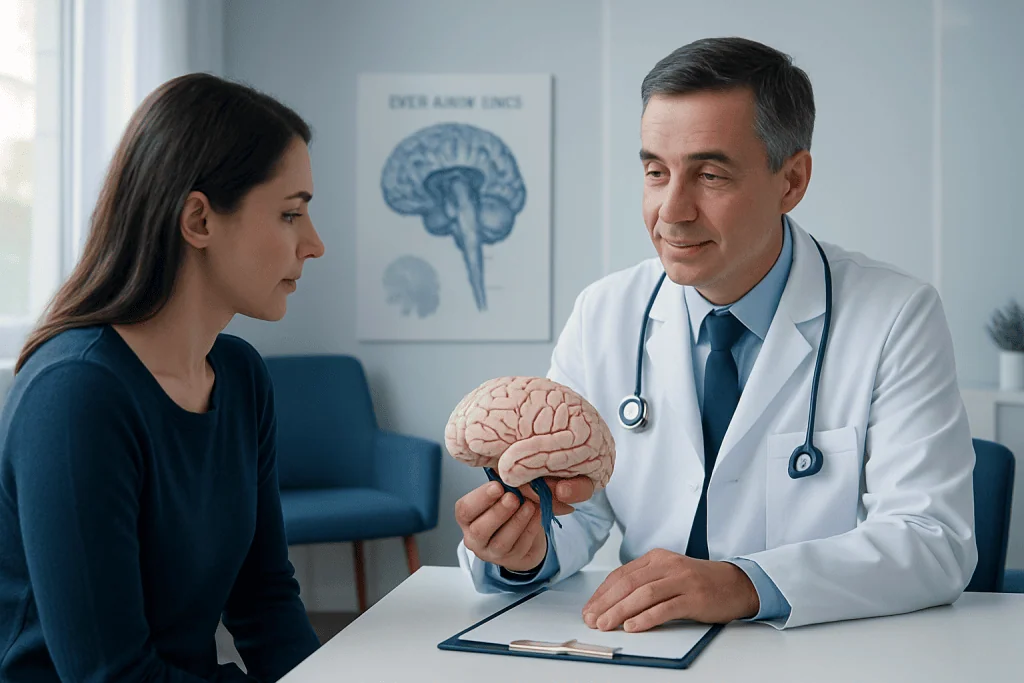
Beneath the outer surface of the cerebrum are several important deep brain structures. The thalamus acts as a relay station, helping direct sensory and motor signals to the appropriate areas of the cerebral cortex. It also contributes to attention, alertness, and aspects of consciousness. The hypothalamus, although small, has a major role in maintaining the body’s internal balance by regulating temperature, hunger, thirst, sleep-wake cycles, and hormone control.
The limbic system is a group of connected structures involved in emotion, motivation, learning, and memory. Two well-known parts are the hippocampus and amygdala. The hippocampus is essential for forming new memories and helps with spatial navigation. The amygdala is involved in processing emotions such as fear and emotional salience, helping the brain decide what information may be important to remember or respond to.
Another key set of deep structures is the basal ganglia. These help regulate movement, posture, and habit learning. They do not start muscle movement on their own, but they help make motion smoother and more controlled. Problems in these circuits can affect speed, coordination, and automatic movements.
Because these deep structures influence memory, mood, behavior, movement, and hormonal regulation, symptoms affecting them can be varied. Depending on the area involved, a person may notice changes in sleep, appetite, concentration, emotional regulation, or movement patterns.
The Cerebellum and Brainstem
The cerebellum sits at the back of the brain, beneath the cerebrum. Its main job is to fine-tune movement. It helps maintain balance, posture, coordination, and timing, allowing actions to be smooth and accurate rather than shaky or awkward. The cerebellum also helps the body adapt movements through practice, which is why it is important for skills such as writing, typing, sports, and playing musical instruments.
The brainstem connects the brain to the spinal cord and includes the midbrain, pons, and medulla. It is responsible for many automatic functions that are essential for life, including breathing, heart rate, blood pressure regulation, swallowing, and basic sleep-wake control. It also contains pathways that carry messages between the brain and the rest of the body.
In addition, the brainstem houses many cranial nerve nuclei that help control eye movements, facial sensation, facial expression, hearing, balance, and functions of the mouth and throat. Because so many vital systems pass through this compact area, problems affecting the brainstem can produce a wide range of symptoms.
The cerebellum and brainstem do not work in isolation. They constantly communicate with the cerebrum and spinal cord, supporting coordinated movement, stable posture, and a steady level of consciousness and bodily control.
How Brain Regions Work Together
Although anatomy textbooks describe the human brain in separate regions, real-life brain function depends on communication between networks. Speaking, for example, requires understanding language, planning words, activating muscles of the face and throat, hearing one’s own voice, and adjusting output in real time. These steps involve several brain areas working in sequence and together.
Memory is another example of teamwork. Forming and retrieving memories may involve the hippocampus, temporal lobes, frontal lobes, and emotional circuits. Movement depends not only on the motor regions of the frontal lobe but also on the basal ganglia, cerebellum, sensory pathways, and spinal cord. Even attention and mood rely on distributed systems rather than a single isolated spot.
This network-based organization also helps explain why symptoms can overlap. A person with a brain-related problem may not have one single symptom that points clearly to one exact structure. Instead, they may notice a combination of weakness, sensory change, balance problems, language difficulty, headache, or cognitive changes. Conditions such as brain tumors or stroke can affect different functions depending on the brain region involved.
The brain also has a degree of adaptability, often called neuroplasticity. This means some functions can improve over time as healthy areas help compensate, especially with treatment, rehabilitation, and practice. Recovery varies from person to person, but the brain’s ability to reorganize is an important part of healing.
Common Symptoms When Different Brain Areas Are Affected
Symptoms linked to the brain depend on which region is involved and how severe the problem is. Frontal lobe issues may affect planning, judgment, personality, concentration, or voluntary movement. Temporal lobe problems can lead to memory difficulty, trouble understanding language, or changes in hearing-related processing. Occipital lobe involvement may cause visual disturbances, while parietal lobe problems can affect sensation, body awareness, or spatial orientation.
Cerebellar problems often cause poor balance, dizziness, tremor-like incoordination, or difficulty with precise movements. Brainstem problems may interfere with swallowing, speech clarity, eye movement, facial function, alertness, or breathing-related control. Deep brain structures may contribute to movement changes, sleep problems, emotional changes, or memory disturbance.
Not every symptom means there is a serious brain disorder. Headaches, brief dizziness, or occasional forgetfulness can have many possible explanations. Still, sudden, severe, or progressive symptoms deserve prompt medical evaluation, especially if they affect strength, speech, coordination, vision, or consciousness.
- Weakness or numbness on one side of the body
- Sudden trouble speaking or understanding speech
- New vision loss or double vision
- Persistent balance or coordination problems
- Seizures, fainting, or confusion
- Severe or unusual headaches
How Doctors Evaluate Brain Function
Doctors assess the human brain through a combination of medical history, physical examination, and testing when needed. A neurological examination may look at alertness, memory, speech, strength, reflexes, coordination, sensation, eye movements, and balance. These findings can help identify which brain region may be involved.
Imaging tests are often important. Magnetic resonance imaging and computed tomography can show the brain’s structure and may help detect bleeding, stroke, tumors, inflammation, hydrocephalus, or other abnormalities. In selected cases, additional tests such as electroencephalography, blood tests, neuropsychological assessment, or spinal fluid analysis may be used to clarify the diagnosis.
Treatment depends on the underlying cause rather than on symptoms alone. Depending on the problem, care may involve medication, rehabilitation, monitoring, or procedures. For example, some patients may need advanced evaluation with MRI scanning, specialist care in neurosurgery, or focused support through neurological rehabilitation.
Early assessment can be especially helpful when symptoms begin suddenly or worsen over time. A clear diagnosis allows treatment to be tailored to the affected brain region and the person’s overall health needs.
Protecting Brain Health and When to Seek Medical Care
Many everyday habits support brain health over time. Good sleep, regular physical activity, a balanced diet, hydration, stress management, and social and mental engagement can all contribute to healthy brain function. Protecting the head with seat belts, helmets when appropriate, and fall-prevention measures is also important.
Managing conditions that affect blood vessels can help reduce the risk of brain injury. This includes keeping blood pressure, blood sugar, and cholesterol under control, avoiding smoking, and following medical advice for heart rhythm problems or other chronic diseases. Preventive care matters because the brain depends on a steady blood supply and healthy nerve function.
A person should seek urgent medical attention for sudden weakness, facial drooping, trouble speaking, severe confusion, seizure, loss of consciousness, a sudden severe headache, or sudden loss of vision or balance. These symptoms may signal a neurological emergency and should not be ignored. More gradual problems, such as memory decline, persistent headaches, tremor, or changes in coordination, should also be discussed with a qualified doctor.
For patients who need specialist evaluation, Acibadem International’s multidisciplinary teams in JCI-accredited hospitals diagnose and treat a wide range of brain and nervous system conditions for international patients. In appropriate cases, care may involve advanced imaging, rehabilitation, or brain tumor surgery as part of an individualized treatment plan.
Frequently asked questions
What are the main regions of the human brain?
The main regions are the cerebrum, cerebellum, and brainstem. Within these are smaller structures such as the frontal, parietal, temporal, and occipital lobes, as well as deep areas like the thalamus, hypothalamus, hippocampus, amygdala, and basal ganglia.
What does the frontal lobe do?
The frontal lobe helps control planning, decision-making, attention, personality, emotional regulation, and voluntary movement. In many people, it also plays an important role in producing speech.
Why is the cerebellum important?
The cerebellum helps coordinate movement, maintain balance, and support posture. It also fine-tunes motor actions so they are smooth and accurate, which is important for everyday tasks and learned physical skills.
What part of the brain controls breathing and heart rate?
These vital automatic functions are mainly regulated by the brainstem, especially the medulla. The brainstem also helps control alertness, swallowing, and communication between the brain and spinal cord.
Can one brain region do everything on its own?
No. Most brain functions rely on networks that connect multiple regions. Activities such as speaking, walking, remembering, and regulating emotions usually involve several parts of the brain working together.
What symptoms suggest a brain-related problem?
Warning signs can include sudden weakness, numbness, trouble speaking, new vision changes, severe headache, balance problems, seizures, or confusion. Symptoms that appear suddenly, are severe, or progressively worsen should be evaluated by a doctor promptly.
How do doctors check which part of the brain may be affected?
Doctors usually start with a medical history and neurological examination to assess movement, sensation, speech, memory, coordination, and alertness. If needed, imaging tests such as MRI or CT scans and other specialized studies can help identify the cause.
References
- World Health Organization
- National Institute of Neurological Disorders and Stroke
- National Institutes of Health
- MedlinePlus
- Mayo Clinic
This article is for general information only and is not a substitute for professional medical advice. Please consult a qualified doctor about your individual situation.
Explore treatments in Turkey — costs, top hospitals & a free quote
JCI-accredited · board-certified surgeons · reply within 24h
Add us as a Preferred Source to see more of our trusted health content across Google Search, AI Overviews and Discover.
Check your numbers in seconds
BMI, calories, due date, blood pressure and 30+ more clinical calculators — free, instant, doctor-reviewed ranges.