Hypertensive Cardiovascular Disease: Early Signs, Risk Factors, and How It Is Treated

Hypertensive cardiovascular disease refers to heart and blood vessel changes caused by chronic high blood pressure. It may cause no symptoms at first, so regular blood pressure checks are important.
Key Takeaways
- Hypertensive cardiovascular disease refers to heart and blood vessel changes caused by chronic high blood pressure.
- It may cause no symptoms at first, so regular blood pressure checks are important.
- Common effects include thickening of the heart muscle, coronary artery disease, heart failure, arrhythmias, and stroke risk.
- Treatment focuses on lowering blood pressure, reducing overall cardiovascular risk, and protecting organs.
- Healthy lifestyle habits and long-term follow-up are essential, even when a person feels well.
Hypertensive cardiovascular disease is the damage that long-standing high blood pressure can cause to the heart and blood vessels. It often develops gradually, but early recognition, good blood pressure control, and appropriate treatment can lower the risk of heart failure, stroke, kidney disease, and other complications.
What hypertensive cardiovascular disease means
Hypertensive cardiovascular disease is an umbrella term for the changes that long-term high blood pressure can cause in the heart and blood vessels. In practical terms, it means the cardiovascular system has been under more pressure than it can comfortably handle over time. That extra strain can gradually affect the heart muscle, the arteries, and blood flow to important organs.
This condition does not always appear as one single problem. Instead, it may show up as left ventricular hypertrophy, coronary artery disease, heart failure, irregular heart rhythms, stroke, or damage to the kidneys and blood vessels. Because of this, hypertensive cardiovascular disease is best understood as a process rather than a single diagnosis.
Many people feel completely well in the early stages. That is why high blood pressure is often called a silent condition. Regular checkups can help detect elevated blood pressure and early organ effects before serious complications develop.
How high blood pressure affects the heart and blood vessels
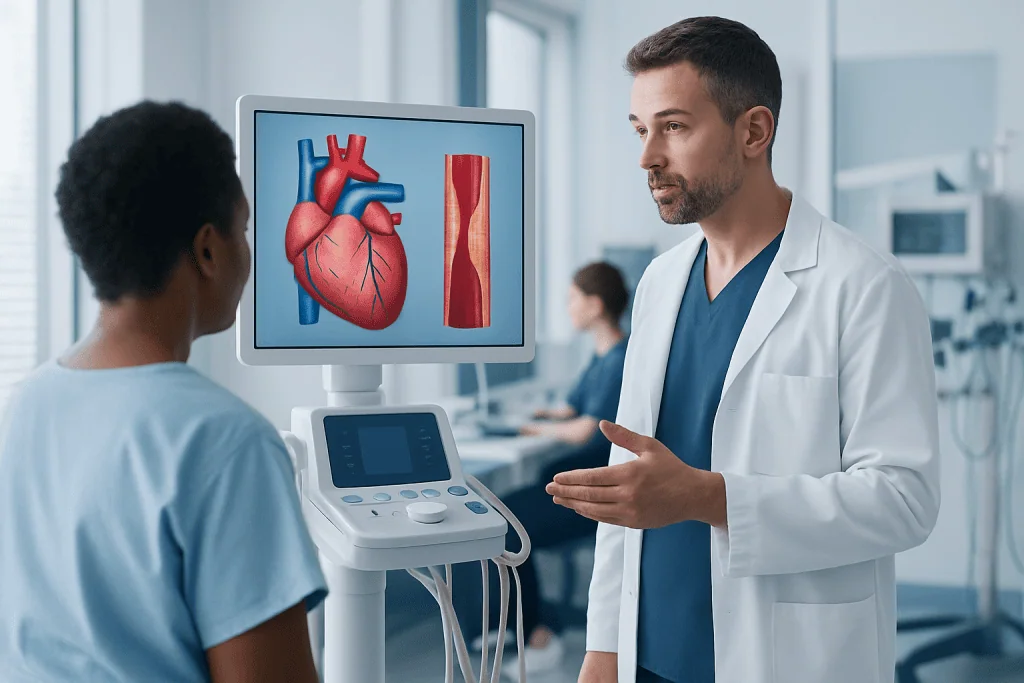
Blood pressure is the force of blood pushing against artery walls. When that pressure stays too high for months or years, the heart has to work harder to pump blood through the body. In response, the main pumping chamber of the heart, the left ventricle, may become thicker and stiffer. At first this may help the heart cope, but over time it can reduce efficiency and raise the risk of heart failure.
High blood pressure can also damage the inner lining of arteries. This makes blood vessels less flexible and may encourage plaque buildup, narrowing the arteries that supply the heart, brain, and kidneys. As a result, a person may face a higher risk of chest pain, heart attack, stroke, and peripheral artery disease.
When the heart muscle becomes stiff or weakened, symptoms such as shortness of breath, swelling, or fatigue can appear. Some people also develop abnormal heart rhythms, including atrial fibrillation. Related conditions such as coronary artery disease may occur alongside hypertension, especially when other risk factors are present.
Early signs and symptoms to watch for

In many cases, hypertensive cardiovascular disease causes no obvious symptoms until the heart or blood vessels are already affected. That is why relying on symptoms alone is not enough. A person may have significantly elevated blood pressure and still feel normal in day-to-day life.
When symptoms do occur, they depend on which part of the cardiovascular system has been affected. Some people notice reduced exercise tolerance, unusual tiredness, palpitations, dizziness, or headaches. Others may develop signs of heart strain, such as shortness of breath when walking, climbing stairs, or lying flat.
Possible symptoms and warning signs include:
- Persistent high blood pressure readings
- Shortness of breath
- Chest discomfort or pressure
- Fatigue or reduced stamina
- Swelling in the legs, ankles, or feet
- Palpitations or a racing heartbeat
- Dizziness or fainting
- Sudden weakness, speech trouble, or facial droop, which may suggest stroke
These symptoms do not always mean hypertensive cardiovascular disease, but they do deserve medical assessment. Sudden chest pain, severe shortness of breath, or signs of stroke should be treated as an emergency.
Risk factors and who is more likely to develop it
The main driver of hypertensive cardiovascular disease is blood pressure that stays elevated over time. The higher the pressure and the longer it remains uncontrolled, the greater the likelihood of damage. However, cardiovascular risk does not depend on blood pressure alone.
Several factors can raise the chance of developing this condition or speed up its progression. Some cannot be changed, such as age and family history, while others can be addressed with medical care and lifestyle changes. Often, multiple risk factors are present together.
Important risk factors include:
- Long-standing or poorly controlled high blood pressure
- Smoking or exposure to tobacco
- Diabetes
- High cholesterol
- Overweight and obesity
- Physical inactivity
- High salt intake and an unhealthy diet
- Chronic stress and poor sleep
- Kidney disease
- Older age and family history of heart disease
Some people have secondary hypertension, meaning high blood pressure related to another medical cause, such as kidney or hormonal conditions. Identifying these contributing factors can help guide treatment and lower long-term complications.
How doctors diagnose hypertensive cardiovascular disease
Diagnosis begins with a careful medical history and repeat blood pressure measurement. A doctor will usually ask about symptoms, medications, family history, smoking, exercise, sleep, and conditions such as diabetes or kidney disease. Because blood pressure can vary, home monitoring or ambulatory blood pressure monitoring may be recommended to confirm whether hypertension is persistent.
The next step is to look for evidence that high blood pressure has affected the heart or other organs. This may include blood and urine tests, an electrocardiogram, and an echocardiogram to assess heart structure and function. Imaging can help identify left ventricular hypertrophy, valve issues, reduced pumping function, or signs of heart failure.
Depending on symptoms and risk level, further testing may be needed to check for narrowed arteries or reduced blood flow to the heart. This can include stress testing, advanced cardiac imaging, or cardiac catheterization when clinically appropriate. The goal is not only to label the condition, but also to understand how much organ involvement is present and what risks need prompt attention.
Treatment options and long-term management
Treatment for hypertensive cardiovascular disease focuses on lowering blood pressure safely, reducing strain on the heart, and preventing future complications. For most people, treatment involves both lifestyle changes and medication. The exact plan depends on the level of blood pressure, the presence of organ damage, and whether other conditions such as diabetes, kidney disease, or coronary artery disease are present.
Doctors may prescribe one or more blood pressure medicines, such as ACE inhibitors, ARBs, calcium channel blockers, thiazide-type diuretics, or beta blockers, depending on individual needs. Some people may also need medicines to manage cholesterol, control diabetes, reduce fluid buildup, or treat rhythm problems. If symptoms suggest blocked coronary arteries, care may also involve coronary angiography or other cardiology procedures.
When significant structural heart disease develops, treatment becomes more tailored. For example, a person with advanced rhythm problems or pumping weakness may need specialized evaluation and close cardiology follow-up. In selected patients with severe complications, treatment may overlap with broader cardiology care and management of related disorders.
Long-term management matters just as much as initial treatment. Blood pressure goals, medication adjustments, and monitoring plans should be reviewed regularly with a qualified doctor. Good control over time can slow progression, improve quality of life, and lower the risk of hospitalization.
Prevention and self-care habits that make a difference
Preventing hypertensive cardiovascular disease starts with recognizing and treating high blood pressure early. Even modest improvements in blood pressure can reduce stress on the heart and blood vessels. People who already have hypertension can still make meaningful progress by combining prescribed treatment with consistent daily habits.
Helpful self-care steps include following a heart-healthy eating pattern, limiting salt, staying physically active, reaching and maintaining a healthy weight, and avoiding tobacco. Limiting alcohol, improving sleep, and managing stress can also support blood pressure control. These changes work best when they are realistic and sustained over time rather than extreme and short-lived.
Practical prevention steps include:
- Check blood pressure regularly at home or during clinic visits
- Take prescribed medicines exactly as directed
- Choose a diet rich in vegetables, fruits, whole grains, and lean proteins
- Reduce highly processed foods and excess sodium
- Exercise regularly after medical advice
- Stop smoking and avoid secondhand smoke
- Attend follow-up appointments and monitoring tests
Near the end of the care journey, some patients benefit from coordinated support across specialties. Acibadem International’s multidisciplinary specialists and JCI-accredited hospitals diagnose and treat hypertensive cardiovascular disease for international patients when advanced evaluation or treatment is needed.
When to seek medical care
A person should arrange medical review if home or clinic blood pressure readings are repeatedly high, even if there are no symptoms. New shortness of breath, reduced exercise tolerance, ankle swelling, chest discomfort, palpitations, or unusual fatigue also deserve prompt assessment. These symptoms can have many causes, but they should not be ignored.
Urgent medical care is needed for severe chest pain, sudden shortness of breath, fainting, confusion, or signs of stroke such as facial drooping, arm weakness, trouble speaking, or sudden vision changes. These symptoms may indicate a serious cardiovascular event and need emergency evaluation.
People who already have hypertension should not stop medication without professional advice. If side effects, missed doses, or home readings are causing concern, speaking with a doctor early can often prevent complications and help find a safer, more effective treatment plan.
Frequently asked questions
Is hypertensive cardiovascular disease the same as high blood pressure?
No. High blood pressure, or hypertension, is the underlying condition, while hypertensive cardiovascular disease refers to the damage that prolonged high blood pressure can cause to the heart and blood vessels. A person can have hypertension for years before signs of cardiovascular disease appear.
Can hypertensive cardiovascular disease be reversed?
Some changes, such as heart muscle thickening, may improve when blood pressure is controlled well over time. However, not all damage is fully reversible, especially if complications are advanced. Early treatment offers the best chance to protect heart function and reduce future risk.
What is the first symptom most people notice?
There may be no symptoms at all in the early stages. When symptoms do appear, people often notice shortness of breath, fatigue, reduced exercise tolerance, or chest discomfort. Because symptoms are not reliable for early detection, regular blood pressure monitoring is important.
How is hypertensive cardiovascular disease diagnosed?
Doctors diagnose it by confirming persistent high blood pressure and looking for effects on the heart and blood vessels. This may involve physical examination, blood and urine tests, an ECG, echocardiogram, and sometimes stress tests or other imaging. The exact tests depend on symptoms and overall risk.
Can lifestyle changes alone treat hypertensive cardiovascular disease?
Lifestyle changes are a core part of treatment, but many people also need medication to lower blood pressure adequately and protect the heart. Diet, exercise, weight management, and stopping smoking can make medicines work better and reduce overall cardiovascular risk. A doctor can advise whether lifestyle measures alone are enough in a specific case.
Does hypertensive cardiovascular disease increase stroke risk?
Yes. Uncontrolled high blood pressure can damage blood vessels and significantly raise the risk of stroke. Keeping blood pressure within the target range is one of the most important ways to lower that risk.
References
- American Heart Association
- National Heart, Lung, and Blood Institute
- Centers for Disease Control and Prevention
- European Society of Cardiology
- World Health Organization
This article is for general information only and is not a substitute for professional medical advice. Please consult a qualified doctor about your individual situation.
Heart care in Turkey — expert evaluation and treatment
JCI-accredited · board-certified surgeons · reply within 24h
Add us as a Preferred Source to see more of our trusted health content across Google Search, AI Overviews and Discover.
Check your numbers in seconds
BMI, calories, due date, blood pressure and 30+ more clinical calculators — free, instant, doctor-reviewed ranges.