Hypopnea: A Complete Medical Overview

Hypopnea means abnormally shallow or reduced breathing during sleep rather than a complete stop in breathing. It can cause loud snoring, poor-quality sleep, daytime fatigue, morning headaches, and concentration problems.
Key Takeaways
- Hypopnea means abnormally shallow or reduced breathing during sleep rather than a complete stop in breathing.
- It can cause loud snoring, poor-quality sleep, daytime fatigue, morning headaches, and concentration problems.
- Hypopnea is often related to obstructive sleep apnea, excess weight, upper airway narrowing, and certain medical conditions.
- Diagnosis usually involves a sleep study that measures airflow, oxygen levels, breathing effort, and sleep stages.
- Treatment may include lifestyle changes, positional strategies, CPAP therapy, oral appliances, or selected procedures.
Hypopnea is a sleep-related breathing problem in which airflow becomes partially reduced, usually for at least 10 seconds, often causing oxygen levels to drop or sleep to fragment. It commonly occurs as part of obstructive sleep apnea, but it can also be linked to other sleep and health conditions, and effective diagnosis and treatment are available.
What hypopnea means
Hypopnea is a partial reduction in breathing during sleep. Instead of breathing stopping completely, as in apnea, airflow becomes significantly shallower or weaker for a short period, often at least 10 seconds. These episodes can reduce oxygen levels, trigger brief awakenings, and disturb normal sleep even when the person does not fully remember waking up.
In everyday terms, hypopnea is one form of sleep-disordered breathing. It is most often discussed together with obstructive sleep apnea because both involve repeated interruptions to normal breathing during sleep. Many people who are told they have sleep apnea actually have a mix of apnea and hypopnea events on their sleep study.
Although hypopnea may sound technical, its effects are often familiar: unrefreshing sleep, snoring, daytime sleepiness, and difficulty focusing. Some people notice symptoms right away, while others only learn about the problem because a bed partner hears loud snoring, choking sounds, or repeated restless movements overnight.
How hypopnea affects the body during sleep
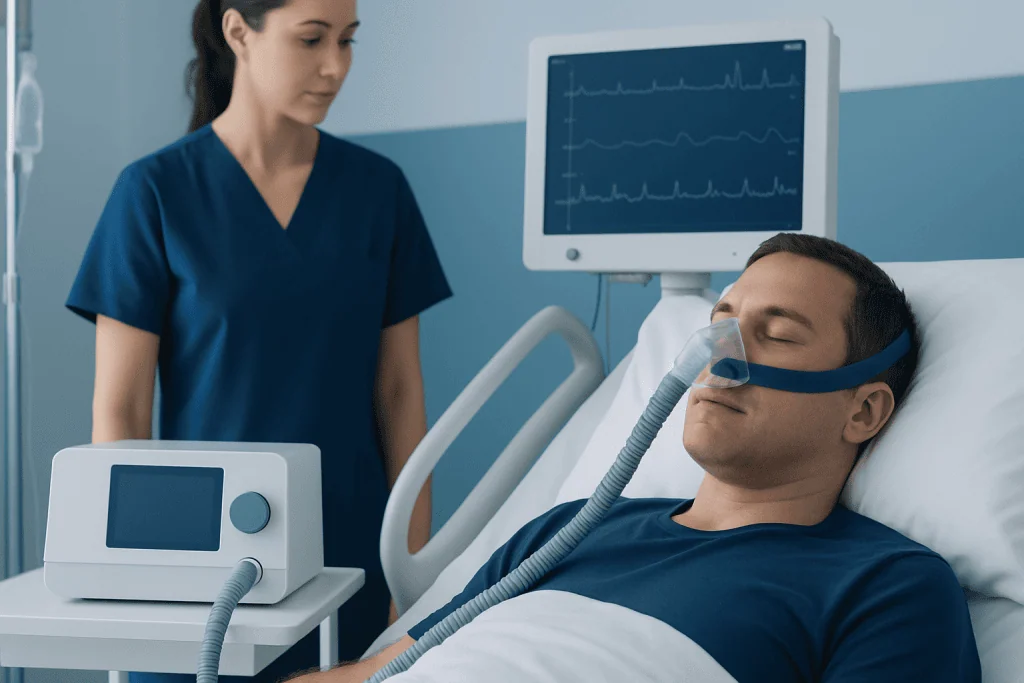
During healthy sleep, breathing should remain regular enough to maintain oxygen delivery and allow the brain and body to rest. With hypopnea, the airway may partly collapse or airflow may become reduced for another reason. The body senses the change, oxygen may dip, and the brain briefly arouses the sleeper to restore stronger breathing. These arousals can be so short that the person is unaware of them, but they still interrupt the normal sleep cycle.
When this pattern repeats many times per night, sleep becomes fragmented. Deep sleep and REM sleep may be interrupted, which can affect memory, mood, alertness, and overall daytime function. Over time, untreated sleep-disordered breathing may also place stress on the cardiovascular and metabolic systems.
Hypopnea can occur in adults and children, but the causes and warning signs may differ somewhat by age. In adults, it often relates to upper airway narrowing and risk factors such as weight gain or nasal obstruction. In children, enlarged tonsils or adenoids are common contributors and should be assessed by a qualified clinician.
Signs and symptoms to notice

Hypopnea itself happens during sleep, so the person affected may not directly observe it. Instead, symptoms are often indirect and can develop gradually. Common clues include loud habitual snoring, gasping or choking during sleep, restless sleep, waking with a dry mouth, and feeling unrefreshed in the morning.
Daytime symptoms can be just as important. These may include excessive sleepiness, fatigue, reduced concentration, irritability, morning headaches, and reduced performance at work, school, or while driving. Some people mainly report poor sleep quality rather than sleepiness, especially if they have frequent nighttime awakenings.
A bed partner may notice that breathing becomes quieter or shallower, followed by a snort or body movement. While these symptoms do not confirm hypopnea on their own, they are strong reasons to seek medical evaluation, particularly if they occur regularly or are getting worse.
- Loud or frequent snoring
- Observed shallow breathing during sleep
- Gasping, choking, or sudden awakenings
- Morning headache or dry mouth
- Daytime sleepiness or poor concentration
- Irritability, low energy, or nonrestorative sleep
Causes and risk factors
The most common cause of hypopnea is partial blockage of the upper airway during sleep. When the throat muscles relax, the airway can narrow enough to reduce airflow without fully closing. This is why hypopnea is so often part of sleep apnea. Factors that narrow the airway, reduce muscle tone, or change breathing control can all contribute.
Several risk factors increase the likelihood of hypopnea. Excess body weight, especially around the neck and upper body, can promote airway narrowing. Nasal congestion, deviated nasal structures, enlarged tonsils, a recessed jaw, or other anatomical features may also play a role. Alcohol and sedative medications can worsen airway relaxation during sleep, and sleeping on the back may increase the tendency for the airway to narrow.
Age is another factor, as airway tissues and muscle tone can change over time. Men are affected more often than women overall, although risk in women rises after menopause. Other conditions linked with sleep-disordered breathing include hypothyroidism, heart failure, and certain neuromuscular or lung disorders. In some cases, a sleep specialist may also evaluate for central sleep-related breathing disorders if the pattern does not appear purely obstructive.
Because sleep-disordered breathing overlaps with other conditions, a doctor may consider broader evaluation when symptoms suggest related concerns such as chronic snoring, persistent daytime fatigue, or complications like high blood pressure. Some patients are also assessed for associated upper airway or respiratory problems as part of a complete sleep evaluation.
How doctors diagnose hypopnea
Diagnosis starts with a careful medical history and sleep history. A clinician will ask about snoring, witnessed breathing changes, daytime sleepiness, medications, alcohol use, body weight, and any heart, lung, or hormonal conditions. A physical examination may look at the nose, mouth, throat, jaw, and neck to identify possible sources of airway narrowing.
The key test is a sleep study, either in a sleep laboratory or, for selected patients, with a home sleep apnea test. These studies measure airflow, oxygen levels, breathing effort, heart rate, and often sleep stages. Hypopnea is identified when airflow decreases by a defined amount for a minimum duration and is associated with oxygen desaturation or an arousal from sleep, depending on the scoring criteria used.
Results are usually summarized in an apnea-hypopnea index, or AHI, which reflects how many breathing events occur per hour of sleep. This helps estimate the severity of sleep-disordered breathing and guide treatment decisions. If symptoms and findings point to a broader respiratory issue, additional evaluation may include lung function testing, imaging, or referral to ENT, pulmonary, or sleep medicine specialists.
Treatment options and long-term management
Treatment depends on the severity of symptoms, sleep study findings, anatomy, and overall health. For many adults, the main goal is to keep the airway open during sleep and reduce repeated oxygen drops and arousals. The most established treatment is positive airway pressure therapy, commonly called CPAP, which delivers gentle air pressure through a mask to prevent airway collapse. Patients with confirmed obstructive sleep-disordered breathing may discuss options such as sleep apnea treatment with their care team.
Oral appliances can help some people, especially those with mild to moderate obstructive disease or those who cannot tolerate CPAP. These devices are usually fitted by trained dental or sleep professionals and work by repositioning the jaw or tongue to support airflow. In selected cases, surgery or procedural treatment may be considered if there is a clear structural blockage, such as enlarged tonsils, significant nasal obstruction, or other airway anatomy concerns. If upper airway anatomy is a major factor, an ENT evaluation and, where appropriate, otolaryngology treatment may be part of care.
Lifestyle measures are also important. Weight management, regular sleep habits, avoiding alcohol close to bedtime, and reviewing sedating medicines with a doctor can reduce breathing disturbances in some patients. People whose events worsen while sleeping on their back may benefit from positional therapy. If obesity is a major contributing factor and conservative measures have not been enough, some patients may be evaluated within broader obesity treatment planning.
Management is not only about improving snoring. Effective treatment can improve sleep quality, daytime alertness, mood, and quality of life. It may also support better control of related health issues such as blood pressure. Follow-up is important because mask fit, comfort, anatomy, and symptoms can change over time, and treatment often works best when it is individualized.
Self-care, prevention, and daily habits
Not every case of hypopnea can be prevented, but healthy habits can lower risk and help treatment work better. Maintaining a healthy body weight is one of the most important steps for many adults, because fat tissue around the neck and upper airway can worsen narrowing during sleep. Regular exercise, balanced nutrition, and attention to long-term weight stability can all help.
Sleep position also matters for some people. Breathing disturbances may become worse when lying flat on the back because gravity can encourage the tongue and soft tissues to fall backward. Positional strategies, such as side sleeping, may reduce symptoms in selected patients, although they are not a substitute for medical treatment when sleep apnea or significant hypopnea is confirmed.
Other practical steps include limiting alcohol in the evening, avoiding non-prescribed sedatives, and seeking treatment for chronic nasal blockage or allergies. Good sleep hygiene can improve overall sleep quality, though it does not directly cure hypopnea. Keeping a regular bedtime, reducing late caffeine, and creating a quiet sleeping environment can support better rest alongside medical care.
For people who already use CPAP or another prescribed therapy, self-care also means consistent use and regular equipment maintenance. Mask leaks, nasal dryness, or discomfort should be discussed with the treating team rather than silently stopping therapy, because these problems can often be corrected.
When to seek medical care
Medical evaluation is important if a person has frequent loud snoring, witnessed pauses or shallow breathing during sleep, repeated gasping awakenings, or persistent daytime sleepiness. These symptoms do not automatically mean a serious emergency, but they do suggest a condition that deserves proper diagnosis. Seeking care is especially important when symptoms affect driving safety, concentration, mood, or daily functioning.
A doctor should also be consulted if there are related health concerns such as high blood pressure, heart disease, obesity, diabetes, or unexplained morning headaches. In children, persistent snoring, mouth breathing, behavioral changes, or learning difficulties should also be assessed, because sleep-disordered breathing may present differently than it does in adults.
Urgent medical attention is appropriate if breathing difficulty is accompanied by chest pain, severe shortness of breath while awake, confusion, bluish lips, or another acute medical concern. For ongoing non-emergency assessment, sleep medicine, pulmonary medicine, and ENT specialists may all play a role. Acibadem International’s multidisciplinary specialists in JCI-accredited hospitals evaluate and treat sleep-related breathing disorders for international patients when advanced assessment is needed.
Frequently asked questions
Is hypopnea the same as sleep apnea?
Not exactly. Hypopnea refers to partial reduction in airflow during sleep, while apnea means a complete pause or near-complete stop in breathing. In practice, both are commonly grouped together as sleep-disordered breathing, and many people have a mixture of both events.
Can hypopnea be dangerous if left untreated?
It can affect health over time, especially if it is frequent and part of obstructive sleep apnea. Repeated oxygen drops and sleep disruption may contribute to daytime sleepiness, poor concentration, and strain on the heart and blood vessels. A doctor can assess the severity and recommend the safest treatment.
Does snoring always mean hypopnea?
No. Snoring is common and does not always mean a person has hypopnea or sleep apnea. However, loud habitual snoring combined with choking, witnessed breathing changes, or daytime fatigue should prompt medical evaluation.
How is hypopnea confirmed?
It is usually confirmed with a sleep study. The test measures airflow, oxygen levels, breathing effort, and sometimes brain activity during sleep to identify breathing events and show how often they happen.
Can weight loss improve hypopnea?
For some people, yes. If excess weight is contributing to airway narrowing, weight loss may reduce the number or severity of breathing events. Even so, treatment should be guided by a doctor, because weight loss alone may not fully resolve the problem.
Will everyone with hypopnea need CPAP?
No. CPAP is a common and effective treatment, but it is not the only option. Depending on the cause and severity, treatment may include lifestyle changes, positional therapy, oral appliances, or selected procedures.
This article is for general information only and is not a substitute for professional medical advice. Please consult a qualified doctor about your individual situation.
Explore treatments in Turkey — costs, top hospitals & a free quote
JCI-accredited · board-certified surgeons · reply within 24h
Add us as a Preferred Source to see more of our trusted health content across Google Search, AI Overviews and Discover.

More from the Health Library

Lupron: A Complete Medical Overview

Bloody Diarrhea: A Complete Medical Overview

Pnf Stretching: An Evidence-Based Guide for Patients

Foam Roller: A Complete Medical Overview

Brown Spots on Teeth — Explained by Medical Evidence, Not Myths