ICU: What Patients Need to Know
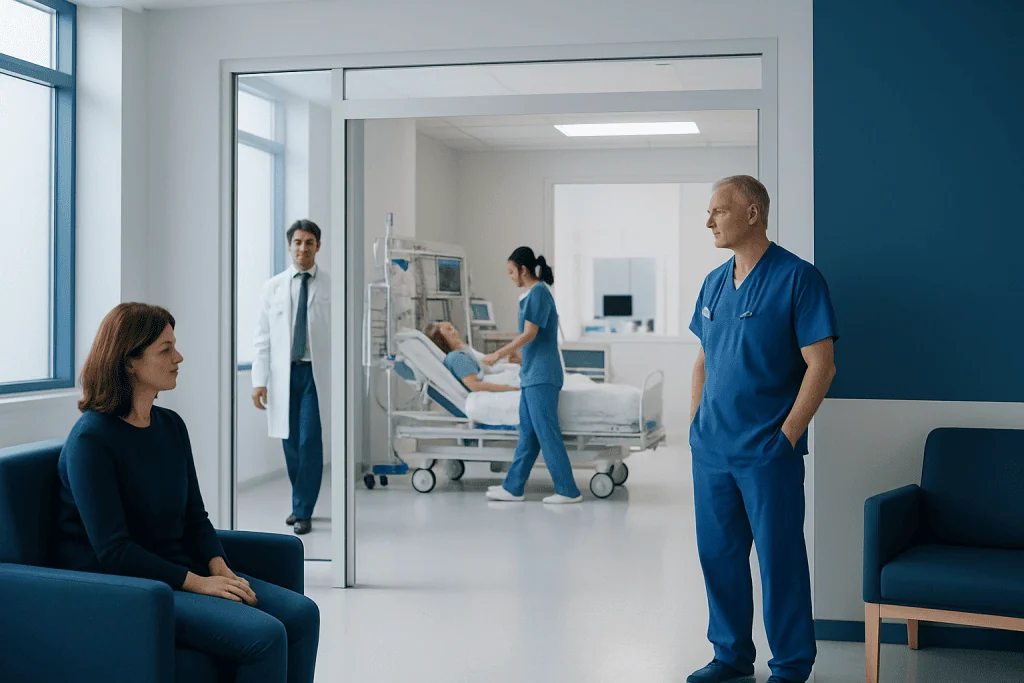
The ICU is designed for patients who need continuous monitoring and rapid medical support. People may be admitted to the ICU after major surgery, severe infection, breathing problems, heart issues, trauma, or sudden organ failure.
Key Takeaways
- The ICU is designed for patients who need continuous monitoring and rapid medical support.
- People may be admitted to the ICU after major surgery, severe infection, breathing problems, heart issues, trauma, or sudden organ failure.
- ICU care often includes monitoring devices, intravenous medicines, oxygen support, or mechanical ventilation when needed.
- Length of stay varies widely and depends on how quickly the underlying problem stabilizes.
- Families can help by staying informed, sharing medical history, and asking the care team clear questions.
- Urgent medical evaluation is important for severe breathing trouble, chest pain, confusion, or sudden collapse.
ICU meaning is “intensive care unit,” a specialized hospital area for people who need close monitoring, advanced treatment, or temporary life support. It does not always mean the worst-case scenario; many patients stay in the ICU for short-term observation and recover enough to move to a regular hospital ward.
Overview: ICU Meaning in Simple Terms
ICU meaning is “intensive care unit.” It is a specialized part of a hospital where doctors, nurses, and other clinicians care for people who are seriously ill, medically unstable, or at risk of sudden complications. The ICU is set up for constant observation and fast treatment, with staff and equipment available around the clock.
Many people assume an ICU admission always means a life-threatening emergency. In reality, ICU care covers a wide range of situations. Some patients are admitted because they need a higher level of monitoring after major surgery, while others need support for breathing, blood pressure, heart rhythm, or serious infection. The main purpose is close supervision and rapid response.
The ICU is different from a regular hospital ward because patients are checked more frequently and may be connected to equipment that tracks heart rate, blood pressure, oxygen levels, urine output, and other vital signs. This environment helps the care team detect changes early and adjust treatment quickly.
Who May Need ICU Care
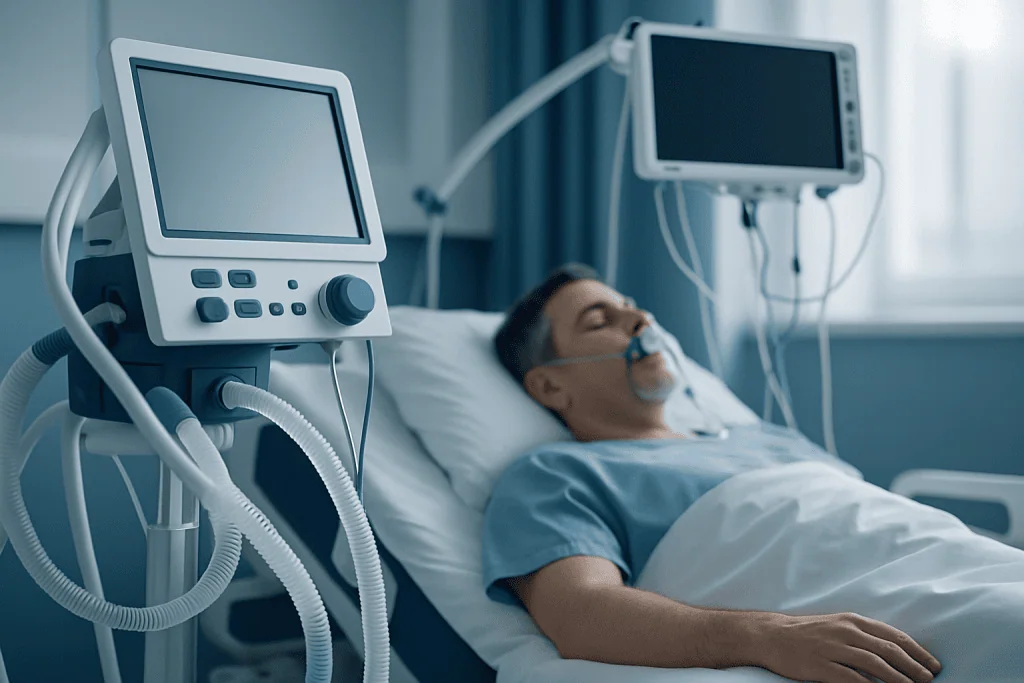
A person may be admitted to the ICU when their condition requires intensive monitoring or advanced support that cannot be safely provided in a standard hospital room. This can happen suddenly in the emergency department, after surgery, or during treatment for an existing illness.
Common reasons for ICU admission include severe pneumonia, sepsis, serious injuries, major bleeding, stroke, heart rhythm problems, heart attack, complications after surgery, or worsening long-term disease. Conditions such as stroke or severe pneumonia may require rapid stabilization and close observation in a critical care setting.
Some people enter the ICU for planned postoperative monitoring after complex procedures, especially if they may need breathing support, blood pressure management, or careful neurologic checks. Others are transferred there because a regular hospital unit identifies warning signs such as low oxygen levels, falling blood pressure, confusion, or reduced urine output.
- Severe infection or suspected sepsis
- Breathing failure or very low oxygen levels
- Major trauma or head injury
- Cardiac emergencies, including unstable heart rhythms
- Complications after major surgery
- Sudden kidney, liver, or other organ dysfunction
What Patients and Families May See in the ICU

The ICU can look overwhelming at first. Patients are often connected to monitors, alarms, intravenous lines, oxygen devices, or tubes that help the team deliver treatment safely. These tools do not always mean a condition is getting worse; many are standard parts of careful critical care.
Monitoring commonly includes a heart monitor, blood pressure checks, pulse oximetry for oxygen levels, blood tests, and sometimes a urinary catheter to track kidney function. Some patients need medicines through a vein to support blood pressure, control pain, treat infection, or help the heart work more effectively.
If breathing becomes difficult, the care team may provide oxygen through a mask or nasal tubes. In more severe cases, a ventilator may be needed. Patients who need this type of support may also undergo mechanical ventilation for a period of time while the underlying illness improves. Imaging, laboratory tests, and bedside procedures are often used to guide treatment day by day.
Because ICU patients can become weak, confused, or anxious, care also focuses on comfort, sleep, nutrition, physical movement when possible, and prevention of complications such as blood clots or pressure injuries. Families often notice that recovery in the ICU involves both advanced technology and many small supportive measures.
How ICU Teams Diagnose and Monitor Serious Illness
ICU care is not a single treatment. It is a coordinated approach that combines diagnosis, close monitoring, and rapid decision-making. Intensivists, surgeons, internists, nurses, respiratory therapists, pharmacists, dietitians, and rehabilitation staff may all be involved depending on the patient’s needs.
At the start of ICU admission, the team works to identify the reason the patient became unstable. This may involve blood tests, cultures to look for infection, electrocardiography, echocardiography, ultrasound, CT or MRI scans, and repeated physical examinations. The goal is to understand both the immediate danger and the root cause.
Monitoring continues throughout the stay because critically ill patients can change quickly. Doctors and nurses review vital signs, oxygen levels, mental status, fluid balance, and organ function many times a day. If a patient has a serious infection, evaluation may include sepsis treatment planning, source control, and close observation of how the body responds.
Families may hear the team discuss terms such as stability, organ support, infection markers, or weaning from treatment. Asking for plain-language explanations can help. Most ICUs are used to these conversations and can explain what each test or trend means in practical terms.
Treatment in the ICU
Treatment in the ICU depends on the patient’s underlying condition. Some patients mainly need close observation after surgery or a procedure. Others need active support for breathing, circulation, infection control, or organ function while the body recovers.
Common ICU treatments include oxygen therapy, intravenous fluids, antibiotics when infection is suspected, medications to maintain blood pressure or support the heart, blood transfusions when appropriate, pain control, nutrition support, and prevention of complications related to immobility. For patients with kidney failure or severe fluid imbalance, dialysis may be part of critical care.
When surgery or an intervention is needed, the ICU team works closely with specialists. The goal is usually to stabilize the patient, treat the immediate problem, and reduce the need for intensive support as soon as it is safe to do so. Many patients gradually transition from advanced support to simpler care before leaving the ICU.
Near the end of the hospital course, some people move directly to a regular ward, while others benefit from step-down monitoring, rehabilitation, or home-based recovery plans. At Acibadem International, multidisciplinary specialists in JCI-accredited hospitals diagnose and treat critically ill patients and coordinate care for international patients when ICU-level support is needed.
Recovery, Visiting, and Questions Families Often Have
Recovery from an ICU stay can be quick for some people and slower for others. A patient may improve in hours or days, but strength, sleep, appetite, and concentration can take longer to return. This is especially true after severe infection, prolonged ventilation, or major surgery.
Families often help by sharing the patient’s medical history, medications, allergies, and baseline level of function. They can also support orientation by speaking calmly, bringing glasses or hearing aids if allowed, and asking the team about visiting policies, communication plans, and daily goals.
Useful questions may include what problem led to ICU admission, what treatments are being used, whether the patient is improving, and what signs would make discharge from the ICU possible. It can also help to ask about likely next steps, possible complications, and what recovery may look like after transfer out of critical care.
Some patients experience ICU-related confusion or memory gaps. This can improve as the illness resolves, sleep normalizes, and medications are reduced. Ongoing follow-up may be needed after discharge, especially if there has been weakness, changes in mood, or lingering shortness of breath.
When to Seek Medical Care
People do not decide on their own whether they need the ICU, but they should seek urgent medical attention when symptoms suggest a serious or rapidly worsening illness. Early treatment can sometimes prevent complications and reduce the need for critical care.
Emergency evaluation is important for severe shortness of breath, chest pain, fainting, sudden weakness on one side, trouble speaking, blue lips, major bleeding, seizures, or new confusion. High fever with extreme weakness, shaking chills, or signs of dehydration also needs prompt medical review.
Medical care should also be sought quickly after surgery or a recent hospital stay if there is worsening pain, breathing difficulty, persistent vomiting, marked swelling, reduced urine output, or signs of infection around a wound. If a person looks significantly more unwell than expected, it is safer to contact emergency services or a doctor right away rather than wait.
Frequently asked questions
What does ICU mean in a hospital?
ICU stands for intensive care unit. It is the part of a hospital that provides close monitoring and advanced treatment for patients who are seriously ill, unstable, or recovering from major surgery or complications.
Is being in the ICU always life-threatening?
Not always. Some patients are admitted for precautionary monitoring after complex surgery or because they need short-term support that is best provided in a critical care setting.
How is the ICU different from a regular hospital room?
The ICU has more intensive monitoring, a higher level of nursing observation, and equipment for rapid treatment if a patient’s condition changes. Patients in the ICU are usually assessed more frequently than those on a standard ward.
Can family members visit someone in the ICU?
Visiting is often possible, but rules vary by hospital and by the patient’s condition. The care team may limit visits at certain times to allow procedures, rest, or infection-control precautions.
How long do patients stay in the ICU?
There is no standard length of stay. Some people remain for less than a day, while others need several days or longer depending on the cause of admission, response to treatment, and overall recovery.
What happens after a patient leaves the ICU?
Most patients move to a step-down or regular hospital unit once they are stable enough to need less monitoring. Recovery may continue with medications, rehabilitation, follow-up testing, and outpatient medical care.
References
- Society of Critical Care Medicine
- National Heart, Lung, and Blood Institute
- MedlinePlus
- Centers for Disease Control and Prevention
- World Health Organization
This article is for general information only and is not a substitute for professional medical advice. Please consult a qualified doctor about your individual situation.
Explore treatments in Turkey — costs, top hospitals & a free quote
JCI-accredited · board-certified surgeons · reply within 24h
Add us as a Preferred Source to see more of our trusted health content across Google Search, AI Overviews and Discover.
Check your numbers in seconds
BMI, calories, due date, blood pressure and 30+ more clinical calculators — free, instant, doctor-reviewed ranges.