Immunocompromised: An Evidence-Based Guide for Patients

Being immunocompromised means the immune system cannot respond as effectively to germs. Causes include certain diseases, immune-suppressing medicines, cancer treatments, and inherited immune disorders.
Key Takeaways
- Being immunocompromised means the immune system cannot respond as effectively to germs.
- Causes include certain diseases, immune-suppressing medicines, cancer treatments, and inherited immune disorders.
- Symptoms may be subtle and often relate to frequent, severe, unusual, or long-lasting infections.
- Diagnosis focuses on medical history, medications, physical examination, and targeted blood tests.
- Prevention usually includes vaccines when appropriate, hand hygiene, food safety, and prompt medical advice for signs of infection.
Immunocompromised means the body’s immune defenses are weaker than usual, making infections more likely or harder to clear. The term does not describe one single disease; it refers to a state that can happen for many reasons, including medical conditions, medicines, cancer treatment, or organ transplantation.
Overview: what immunocompromised means
An immunocompromised person has a weakened immune system, meaning the body is less able to recognize and fight bacteria, viruses, fungi, and other harmful organisms. This can increase the chance of infections, make infections last longer, or make them more severe than expected. It can also affect how the body responds to vaccines, inflammation, and healing.
Importantly, immunocompromised is not a diagnosis by itself. It is a broad medical term used to describe reduced immune function caused by another condition, a treatment, or sometimes a genetic difference present from birth. Some people are only mildly affected, while others have a much higher risk and need closer medical follow-up.
The immune system is complex. It includes white blood cells, antibodies, the bone marrow, lymph nodes, the spleen, the skin, and the mucous membranes lining the nose, lungs, and digestive tract. When one or more parts do not work well, the body’s defense system becomes less effective.
For patients, the most practical question is not only whether they are immunocompromised, but also how much and why. The answer helps guide day-to-day precautions, vaccination plans, travel advice, and when to seek medical care quickly.
Who can become immunocompromised
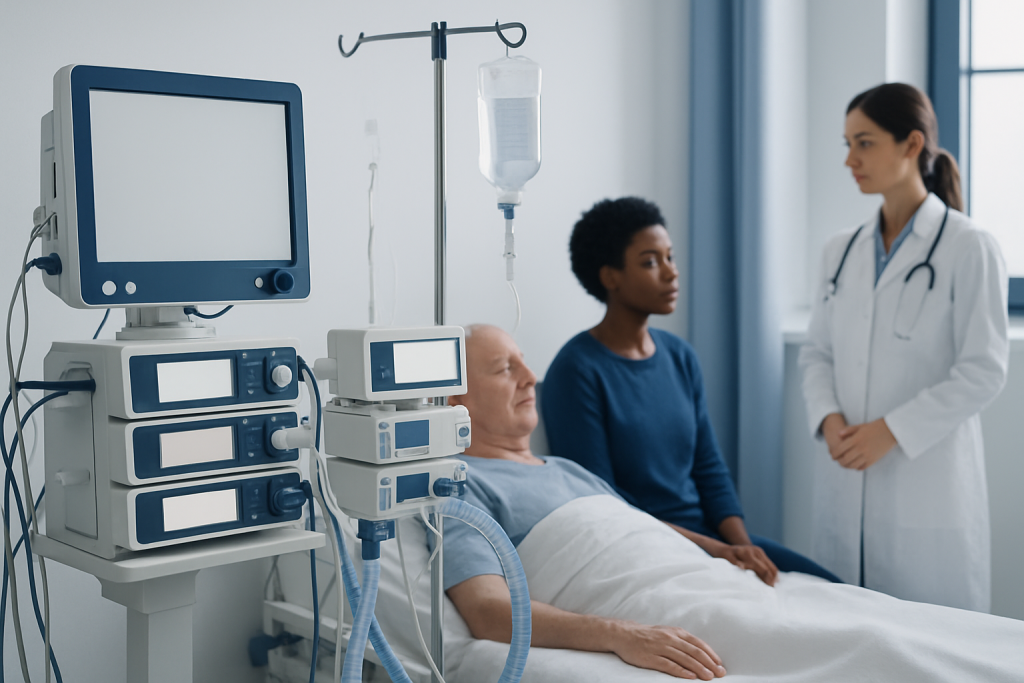
People can become immunocompromised for many different reasons. Some are born with primary immune deficiencies, while many others develop reduced immunity later in life. The degree of immune weakness varies widely, so one person may only need routine monitoring while another may need more careful infection prevention.
Common causes include blood cancers such as leukemia or lymphoma, advanced kidney or liver disease, poorly controlled diabetes, severe malnutrition, and infections that directly weaken immune cells. Certain chronic illnesses may also affect the body’s ability to fight infection indirectly by changing inflammation, circulation, or nutrition.
Medical treatments are another major reason. Chemotherapy, radiation therapy, corticosteroids, biologic medicines, and drugs used after organ transplantation can all suppress parts of the immune system. Patients receiving chemotherapy or bone marrow transplantation are often monitored closely because their infection risk can change over time.
Some conditions are strongly associated with immune weakness, including leukemia, advanced HIV infection, and other disorders that reduce normal immune cell function. Not everyone with these conditions has the same level of risk, which is why individualized medical advice is important.
Symptoms and signs to watch for

There is no single symptom that proves a person is immunocompromised. Often, the clue is a pattern: infections that happen more often than expected, are unusually severe, return quickly after treatment, or are caused by organisms that do not typically make healthy people seriously ill.
Common warning signs can include repeated sinus infections, frequent chest infections, recurring skin infections, oral thrush, slow wound healing, unexplained fevers, or prolonged diarrhea. Some people also experience deep fatigue, weight loss, swollen lymph nodes, or poor recovery after a routine illness.
Children and adults may show different patterns. In children, failure to thrive, repeated ear infections, and recurrent pneumonia can raise concern. In adults, doctors may look for persistent fungal infections, shingles at a younger age than expected, repeated urinary tract infections, or frequent infections needing antibiotics or hospital care.
Symptoms may also reflect the underlying cause rather than immune weakness itself. For example, a person with lymphoma may notice fatigue, swelling, or night sweats, while someone taking immune-suppressing medication may feel well between infections. This is one reason a full medical history matters.
Causes and risk factors
Doctors often divide causes into two broad groups: primary and secondary. Primary immunodeficiencies are inherited conditions in which part of the immune system does not develop or function normally. These are less common but can appear in childhood or, in some cases, only become clear later in life.
Secondary causes are much more common. They include cancer, chronic disease, major surgery, severe stress on the body, poor nutrition, and medications that intentionally suppress immune activity. Immune suppression may be necessary and appropriate, for example after an organ transplant or to treat autoimmune disease, even though it increases infection risk.
Age can also matter. Very young infants have immune systems that are still developing, and older adults may experience a natural decline in some immune responses. Pregnancy, recent hospitalization, indwelling medical devices, and repeated exposure to healthcare settings can further influence infection risk in some patients.
Risk is shaped by more than one factor at a time. A person taking steroids, living with diabetes, and recovering from surgery may be at higher risk than someone with only one of these factors. Doctors therefore assess the whole patient rather than applying a one-size-fits-all label.
How doctors diagnose immune weakness
Diagnosis begins with a careful review of symptoms, infection history, past illnesses, family history, travel, vaccination status, and current medications. Doctors also ask about the type of infections a person gets, how often they occur, how serious they are, and whether they respond normally to treatment.
A physical examination may look for fever, skin changes, swollen lymph nodes, mouth ulcers, signs of chronic lung disease, poor growth in children, or an enlarged spleen. These findings do not confirm immune deficiency on their own, but they can point toward the most likely cause.
Testing often includes a complete blood count, measurement of different white blood cells, and blood tests that assess antibody levels. Depending on the situation, doctors may order tests for viral infections, inflammation, immune cell function, or imaging to look for hidden infection or complications.
If there is concern for a blood disorder, bone marrow problem, or treatment-related immune suppression, a patient may need evaluation by hematology, infectious diseases, or immunology specialists. In selected cases, genetic testing may be considered. The goal is not simply to label someone immunocompromised, but to identify the reason and the level of risk so care can be tailored appropriately.
Treatment and medical management
Treatment depends on the cause. When possible, doctors treat the underlying condition, adjust contributing medications, and manage active infections quickly. Some people need only observation and routine prevention, while others benefit from long-term specialist follow-up.
Infections may require antibiotics, antiviral medicines, or antifungal treatment, depending on the organism and the patient’s immune status. In some cases, preventive medicines are used to lower the chance of certain infections, especially during periods of intense immune suppression such as after organ transplant or during cancer treatment.
Some patients with antibody deficiencies may need immunoglobulin replacement therapy. Others may require changes in corticosteroid dose, timing of biologic therapy, or a review of all medicines to reduce avoidable immune suppression. If low blood counts are contributing, treatment may focus on the bone marrow or the underlying hematologic condition.
Care is often multidisciplinary. Depending on the cause, a patient may be supported by primary care, infectious diseases, hematology, oncology, pulmonology, nutrition specialists, and pharmacists. Near the end of the care pathway, some international patients choose centers such as Acibadem International, where multidisciplinary specialists in JCI-accredited hospitals evaluate and treat complex immune-related conditions.
Prevention and self-care in daily life
Prevention is a central part of living with a weakened immune system. Good hand hygiene, avoiding close contact with people who are clearly ill, and keeping vaccinations up to date when recommended are among the most important steps. A doctor can advise which vaccines are suitable, especially because some live vaccines are not appropriate for certain immunocompromised patients.
Food safety also matters. Patients are often advised to avoid undercooked meat, unpasteurized dairy, and foods prepared in unsafe conditions. Care with drinking water, kitchen hygiene, and storage temperatures can reduce exposure to harmful bacteria and parasites, especially during travel.
General health habits support immune function and recovery. These include adequate sleep, balanced nutrition, regular activity as tolerated, careful control of chronic diseases such as diabetes, and not smoking. Skin care, oral hygiene, and prompt attention to cuts, rashes, or dental problems can also lower infection risk.
Practical self-care may include carrying a medication list, knowing which symptoms need urgent attention, and discussing travel, pet exposure, gardening, and crowded indoor settings with a clinician. Advice should be personalized because the right precautions differ for a person on mild immune-suppressing treatment versus someone with profound immune deficiency.
When to seek medical care
A person who may be immunocompromised should seek medical advice promptly for signs of infection such as fever, chills, shortness of breath, chest pain, confusion, a new widespread rash, persistent vomiting, or diarrhea that does not improve. Even symptoms that seem mild in others can need quicker assessment in someone with reduced immune defenses.
Medical care is also important for repeated infections, thrush that keeps returning, sores that do not heal, unexplained weight loss, or unusual fatigue. Patients receiving chemotherapy, transplant medicines, or high-dose steroids should follow the specific instructions given by their care team, including when to call urgently and when to go directly to emergency care.
People should not stop prescribed immune-suppressing medication on their own unless a doctor tells them to do so. Sudden changes can worsen the underlying illness and may create new risks. Instead, any concerns about infection, side effects, or exposure to contagious illness should be discussed with a qualified clinician.
If a person is unsure whether they are immunocompromised, it is reasonable to ask their doctor directly. A clear discussion about their diagnosis, medications, vaccine plan, and infection precautions can make daily life safer and less uncertain.
Frequently asked questions
What does immunocompromised mean in simple terms?
It means the immune system is weaker than usual and may not fight infections effectively. A person who is immunocompromised may get infections more easily, become sicker from common germs, or take longer to recover.
Is being immunocompromised the same as having an autoimmune disease?
No. Autoimmune disease means the immune system is overactive or misdirected and attacks the body’s own tissues. A person with an autoimmune disease can become immunocompromised if the disease or its treatment weakens normal immune defenses.
Can someone be mildly immunocompromised?
Yes. Immune weakness exists on a spectrum, from mild to severe. The level of risk depends on the cause, overall health, medications, and whether there are complications such as low white blood cell counts.
How do doctors know if someone is immunocompromised?
Doctors use medical history, medication review, physical examination, and blood tests to assess immune function. They also look at the pattern of infections over time and any conditions that commonly weaken immunity.
What infections are more common in immunocompromised people?
Common bacterial and viral infections may occur more often, last longer, or become more severe. Some people are also at higher risk for fungal infections or opportunistic infections that usually affect people with weaker immune defenses.
Can vaccines still help if a person is immunocompromised?
Often yes, but the answer depends on the person’s condition and treatment. Some vaccines are strongly recommended, while certain live vaccines may need to be avoided, so the vaccination plan should be discussed with a doctor.
Should an immunocompromised person go to the hospital for every fever?
Not always, but fever can be more important in someone with a weakened immune system. Patients should follow their doctor’s instructions about what temperature or symptoms require urgent evaluation, especially if they are receiving chemotherapy, transplant medicines, or high-dose steroids.
This article is for general information only and is not a substitute for professional medical advice. Please consult a qualified doctor about your individual situation.
Explore treatments in Turkey — costs, top hospitals & a free quote
JCI-accredited · board-certified surgeons · reply within 24h
Add us as a Preferred Source to see more of our trusted health content across Google Search, AI Overviews and Discover.

More from the Health Library

Otolaryngology: What Patients Need to Know

Feet Swelled for 3 Days After Flying: A Complete Medical Overview
Overflow Incontinence: An Evidence-Based Guide for Patients

Carisoprodol: What Patients Need to Know

Eyelash Mites — Explained by Medical Evidence, Not Myths